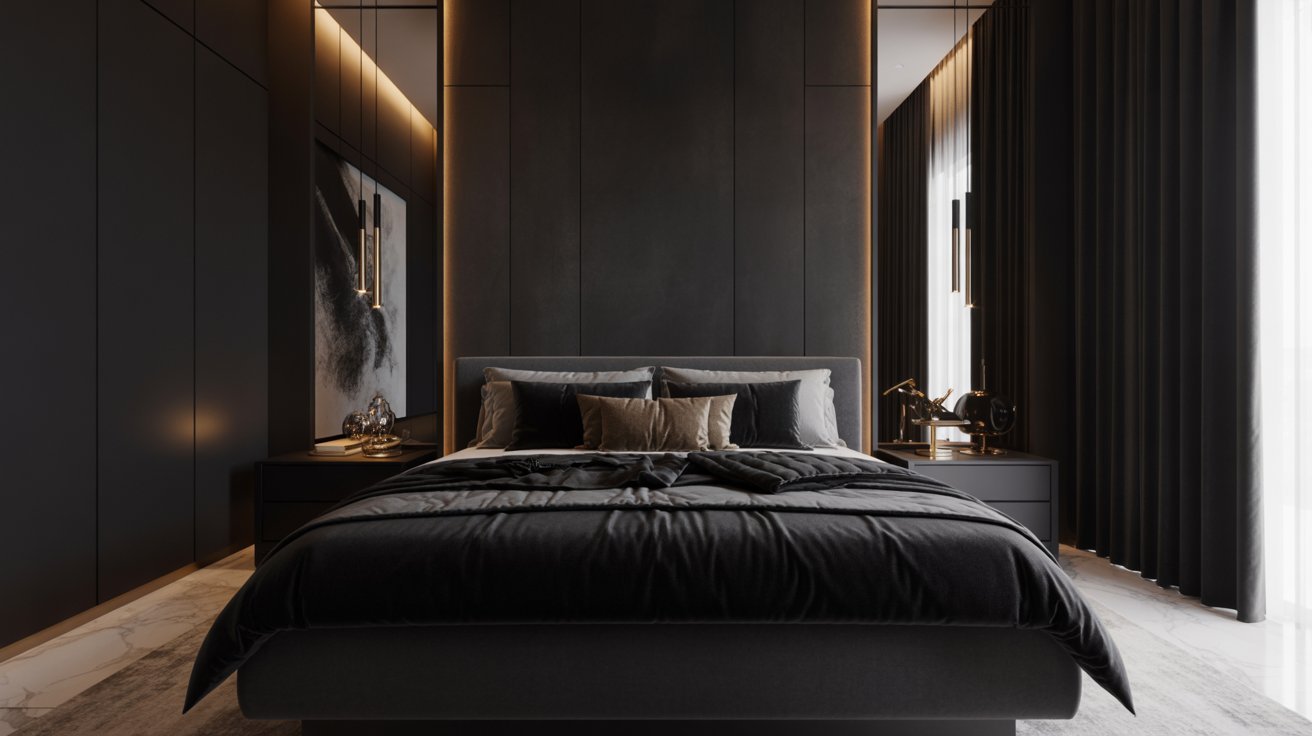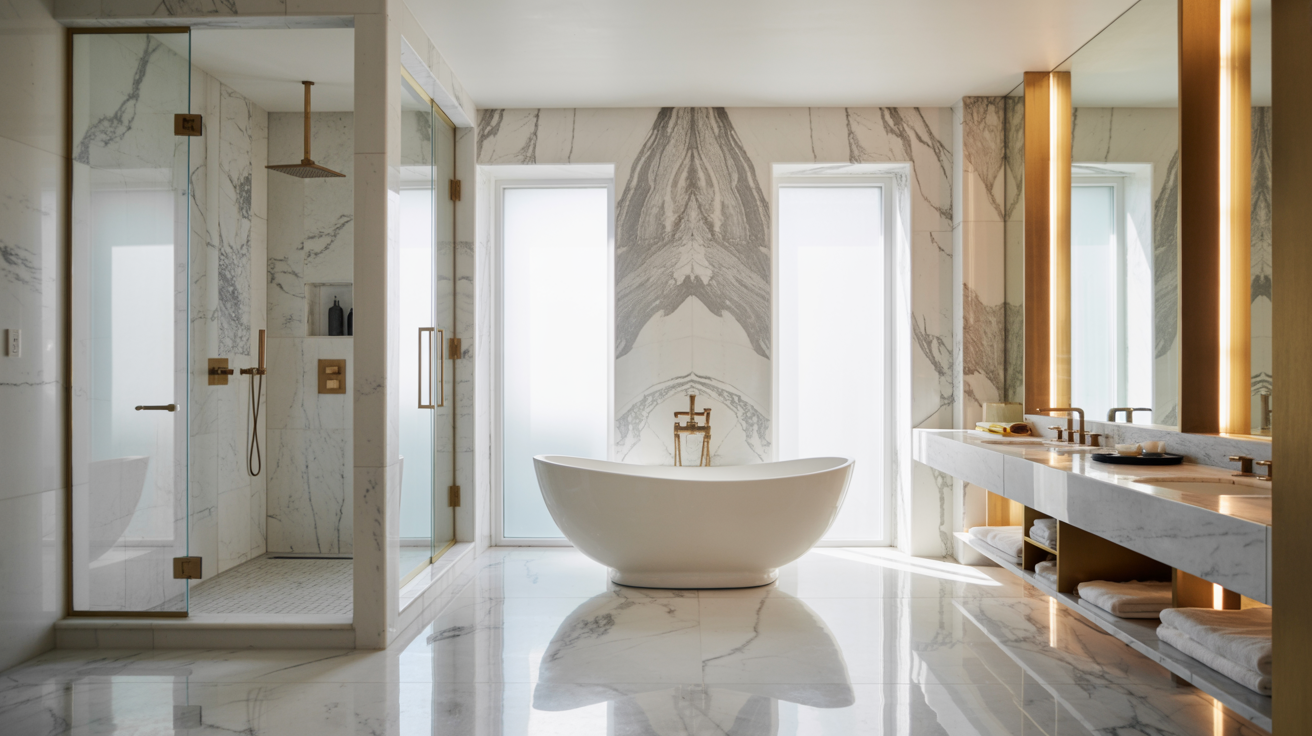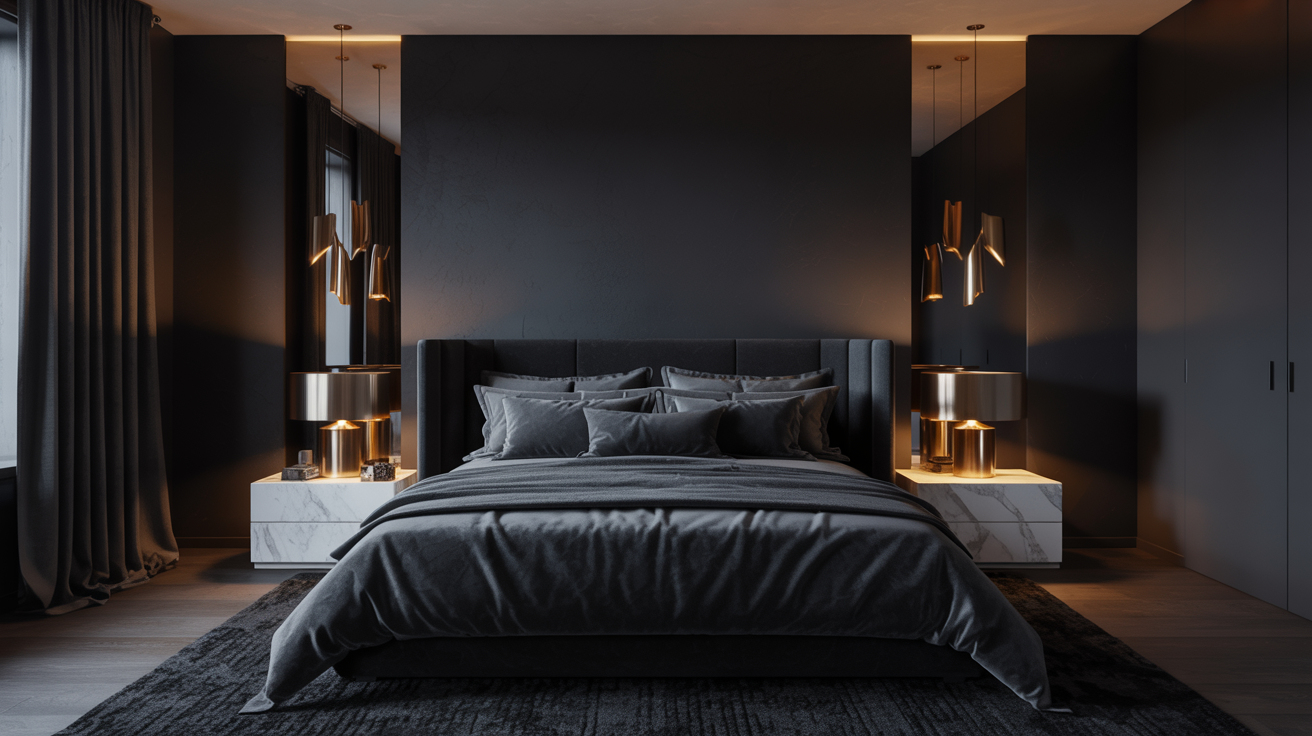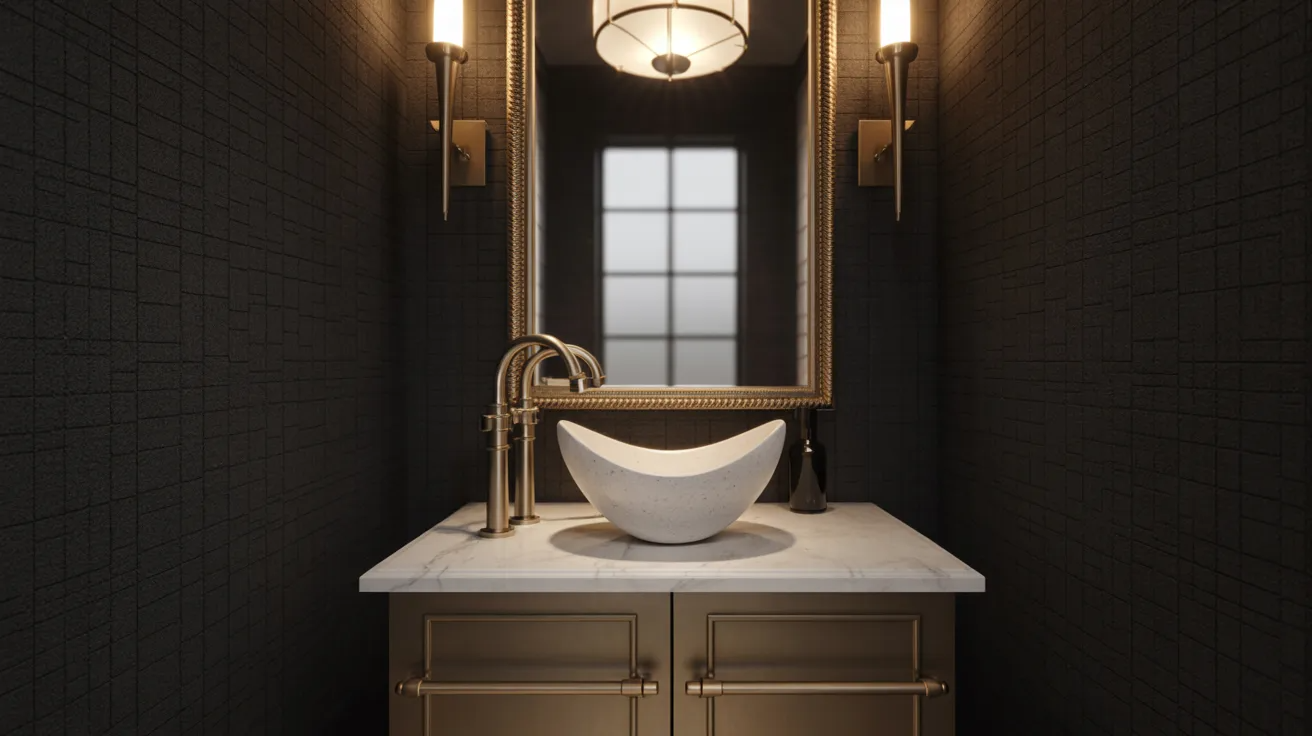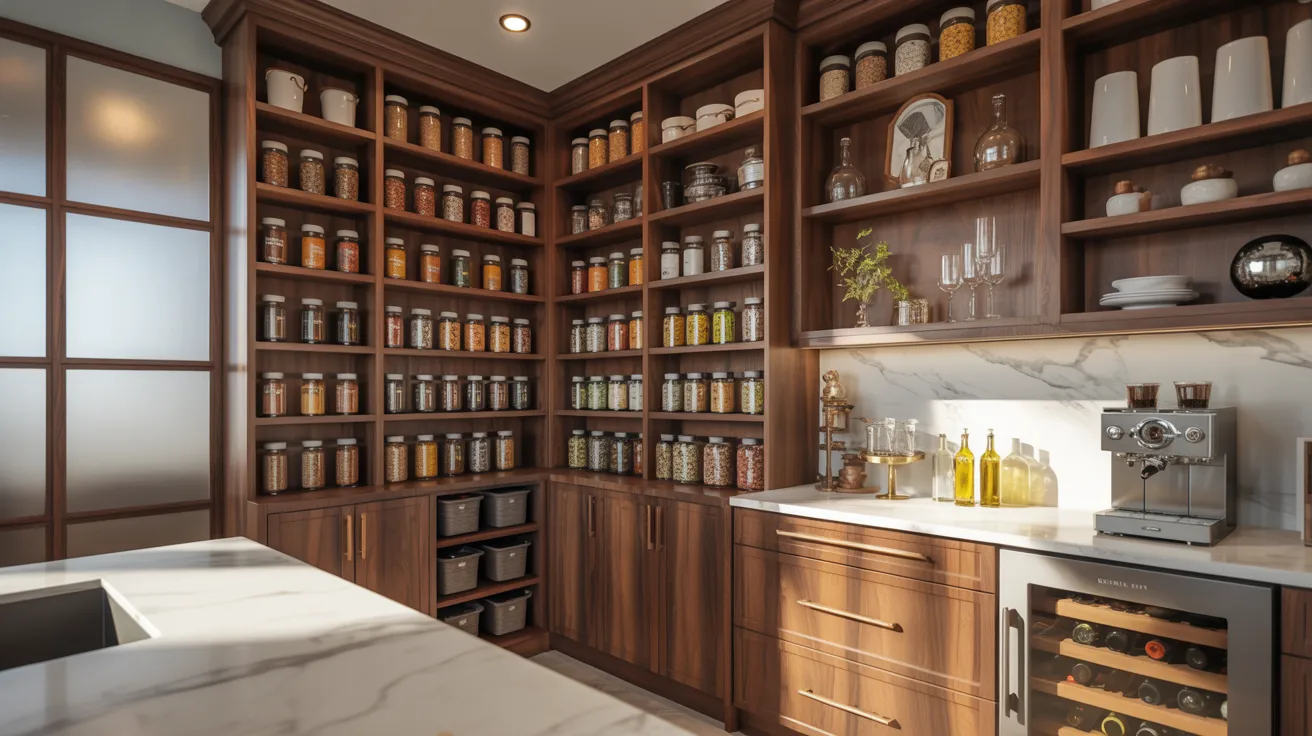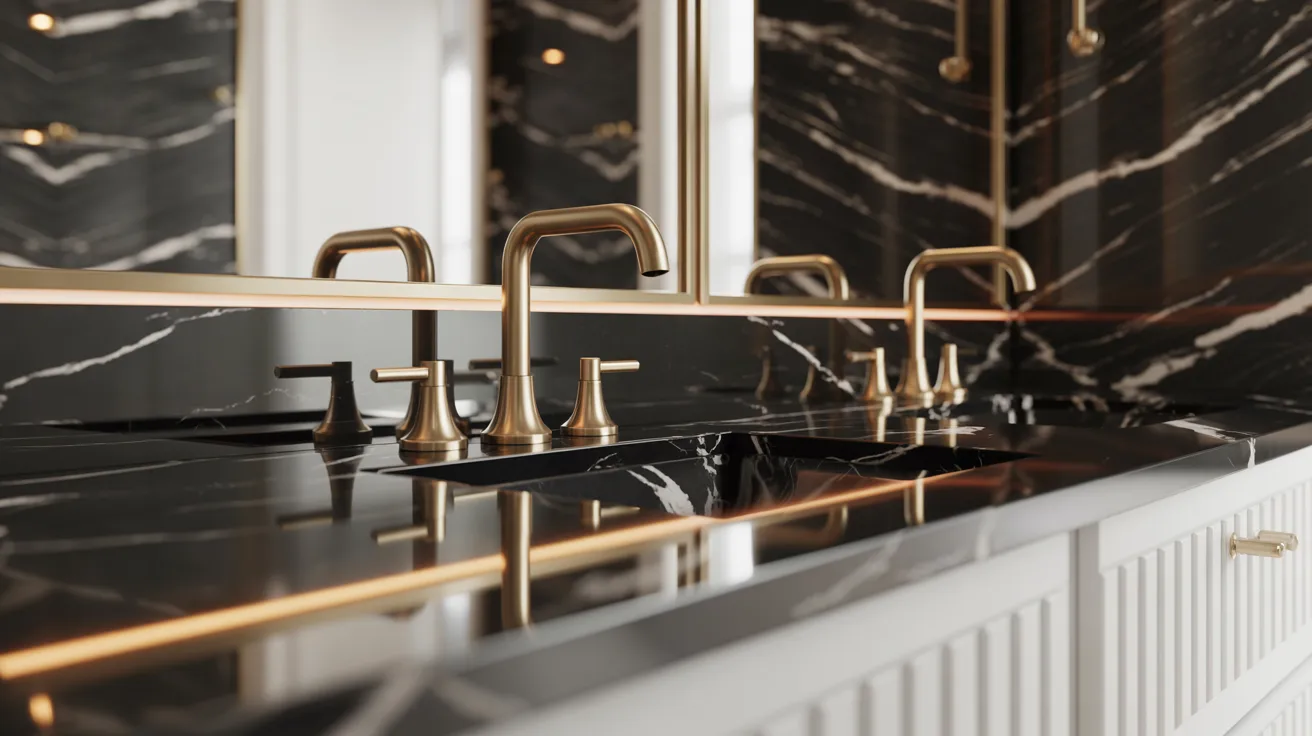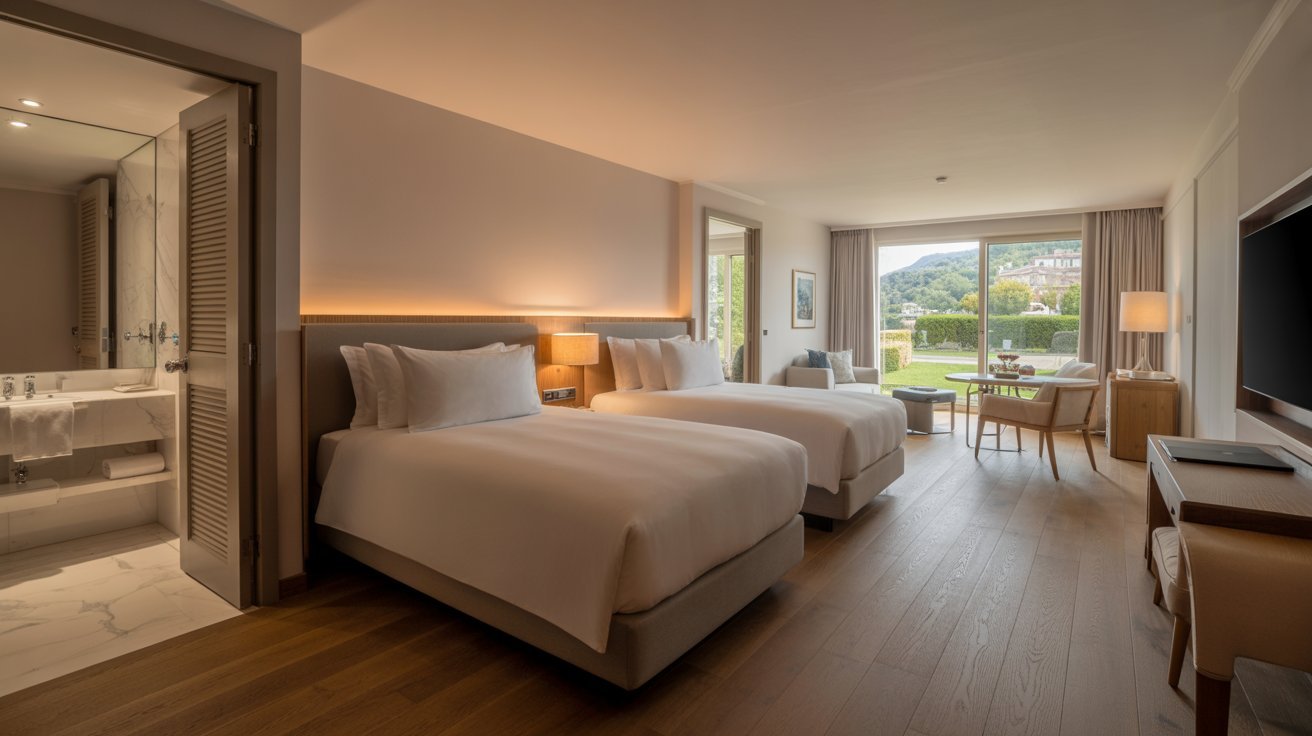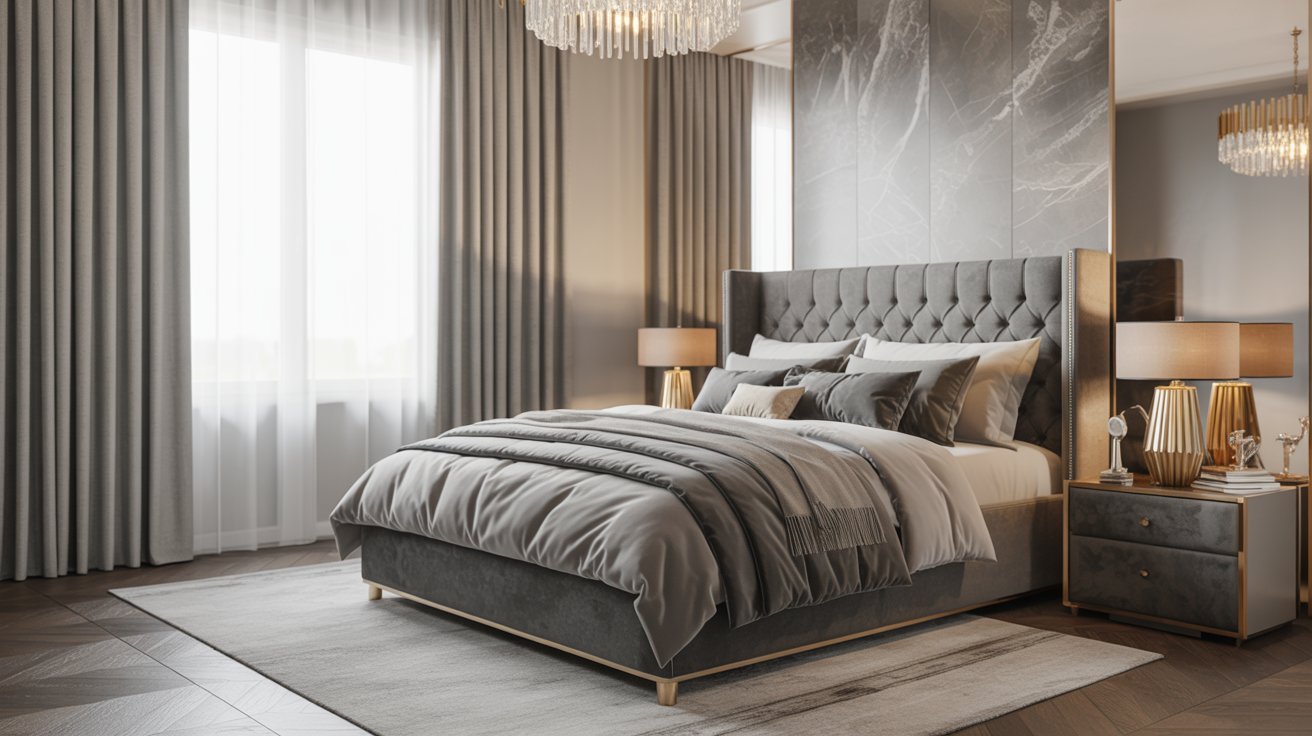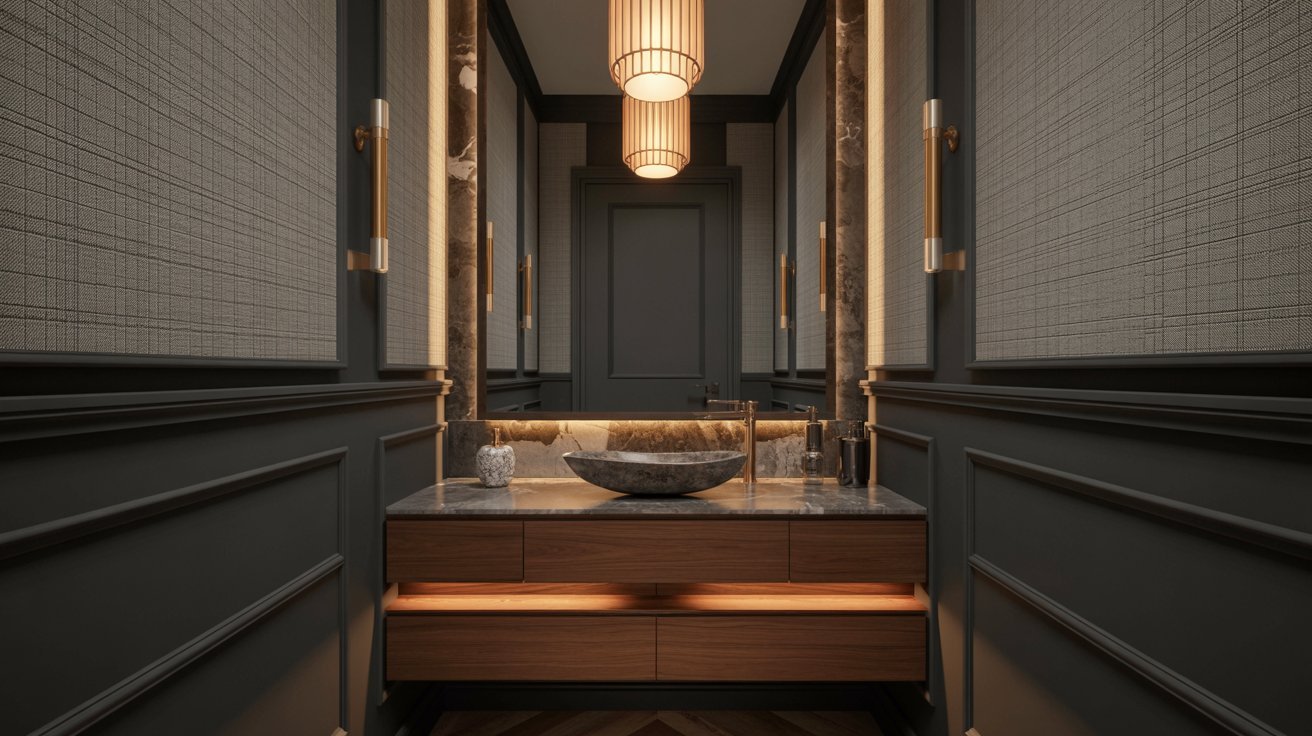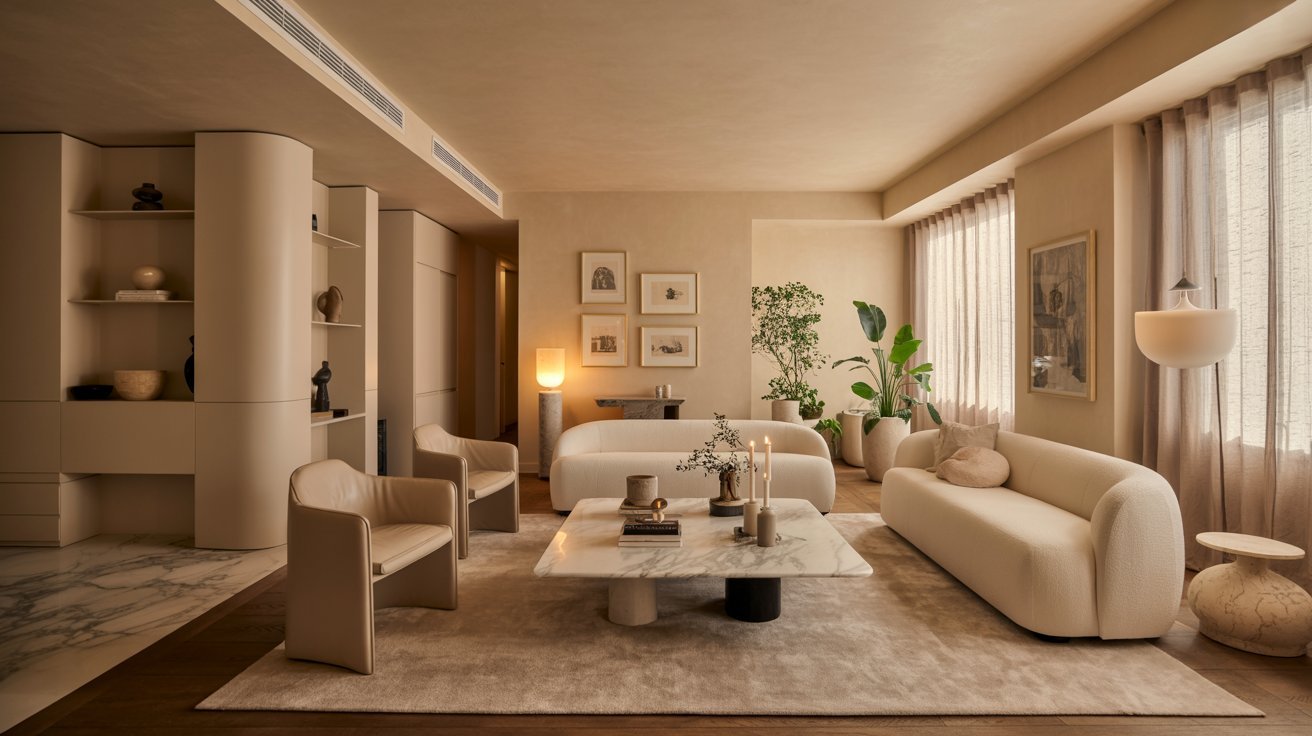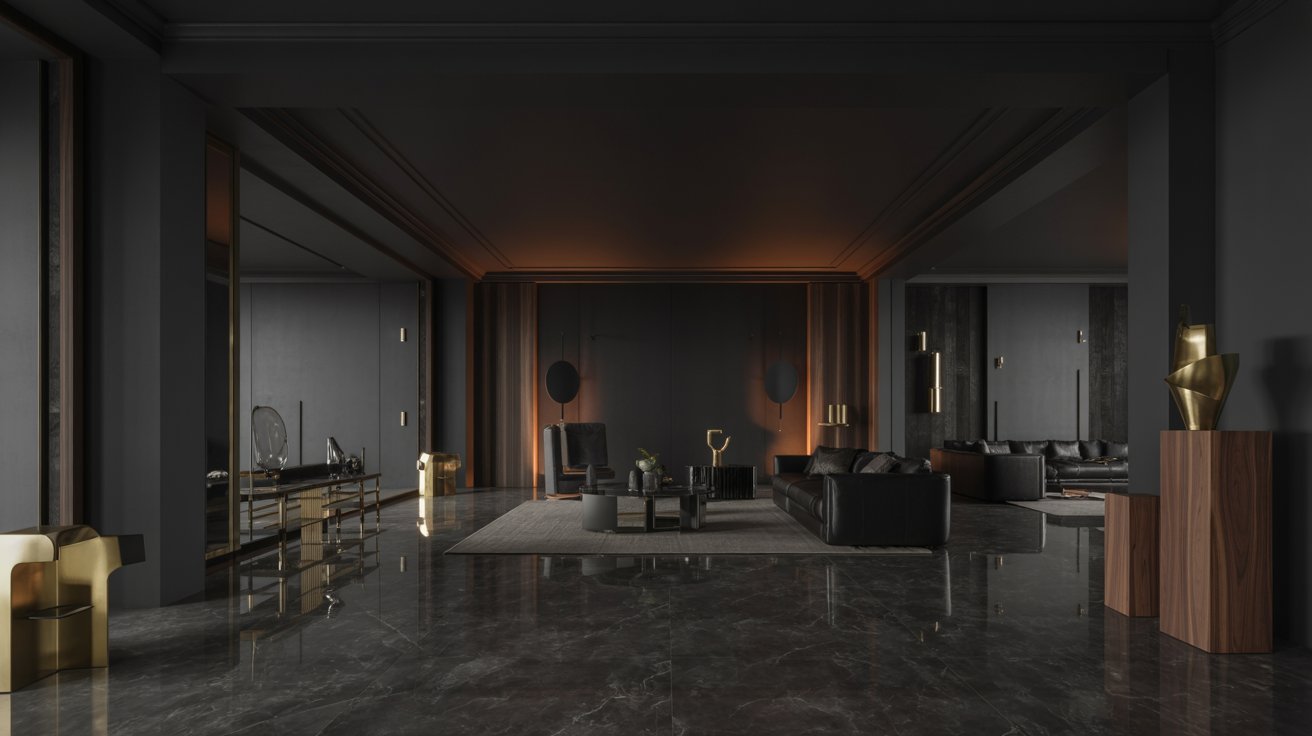
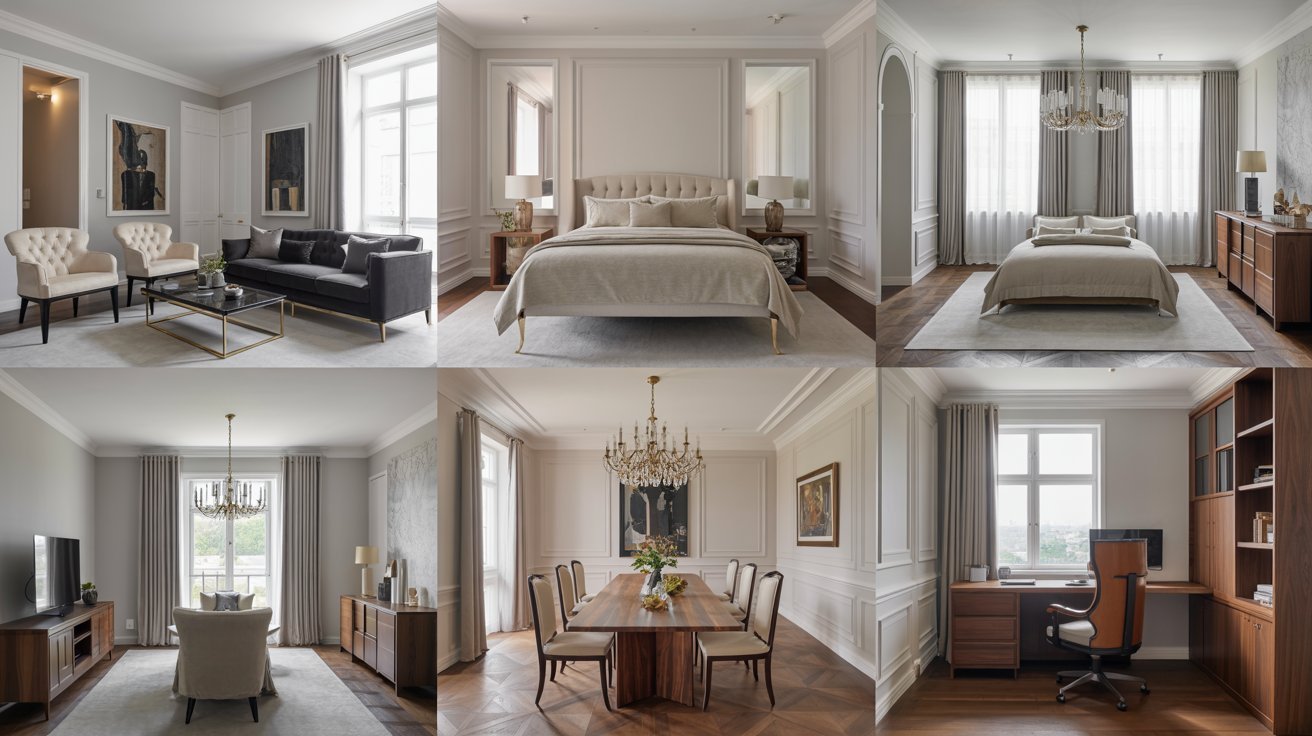
If you’ve been trying to make your home feel polished but not overdone, you’re in the right place. Modern classic interior design hits that sweet spot between timeless charm and clean, simple style.
In this blog, I’ll walk you through exactly what this style is, the key elements that make it work, and 11 practical ideas you can use in every room.
I’ve spent time studying this style, and I know what works. By the end, you’ll have a clear plan to create a space that feels both refined and livable.
What Is Modern Classic Interior Design?
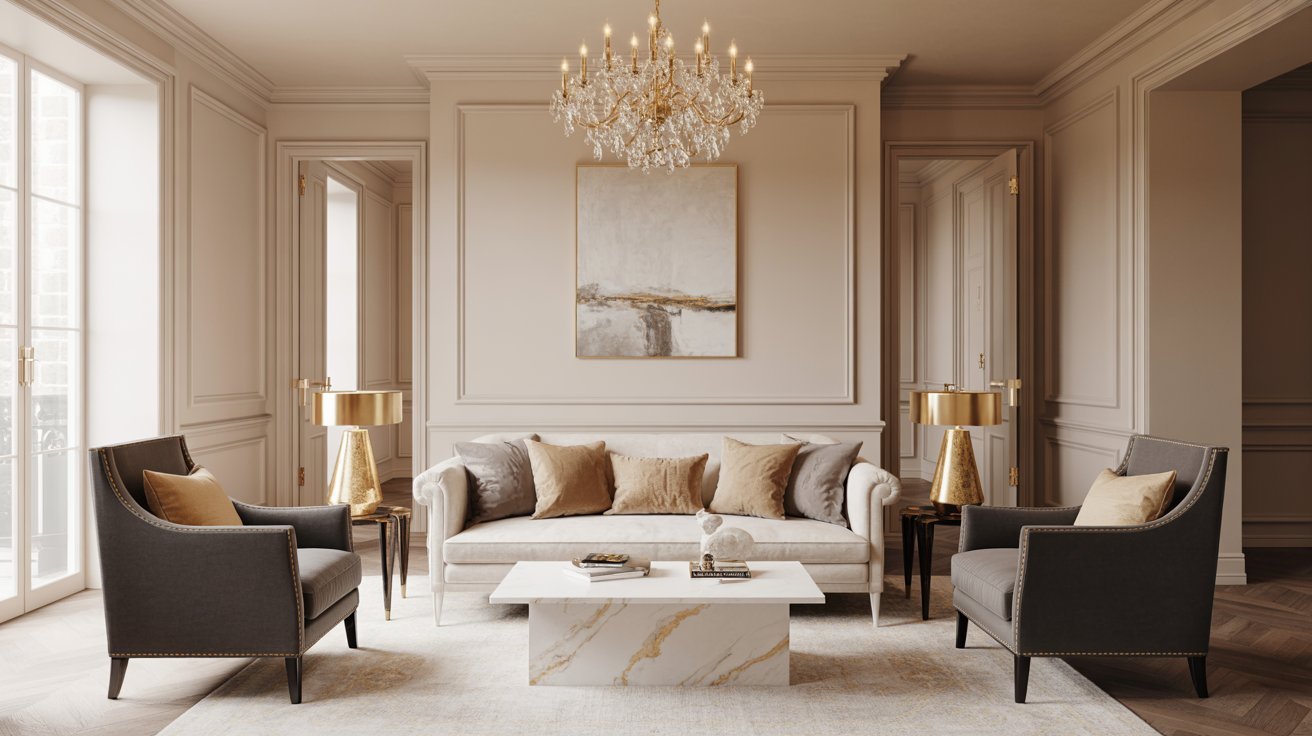
Modern classic interior design is a style that brings together the best of two worlds. It takes the clean lines and simplicity of modern design and pairs them with the warmth and structure of traditional decor. The result is a space that feels both fresh and timeless.
This style is not about copying old mansions or going fully minimalist. It sits right in the middle. You get classic architectural details, quality materials, and a calm color palette, but without heavy ornamentation or clutter.
What makes it stand out is how well it adapts. It works in a cozy bedroom, a formal living room, a sleek kitchen, or even a small home office. The balance it offers is hard to find in other design styles.
It also has a lasting quality. Trends come and go, but a well-done modern classic interior never looks dated. That’s why so many homeowners and designers keep coming back to it.
Key Elements of Modern Classic Interior Design
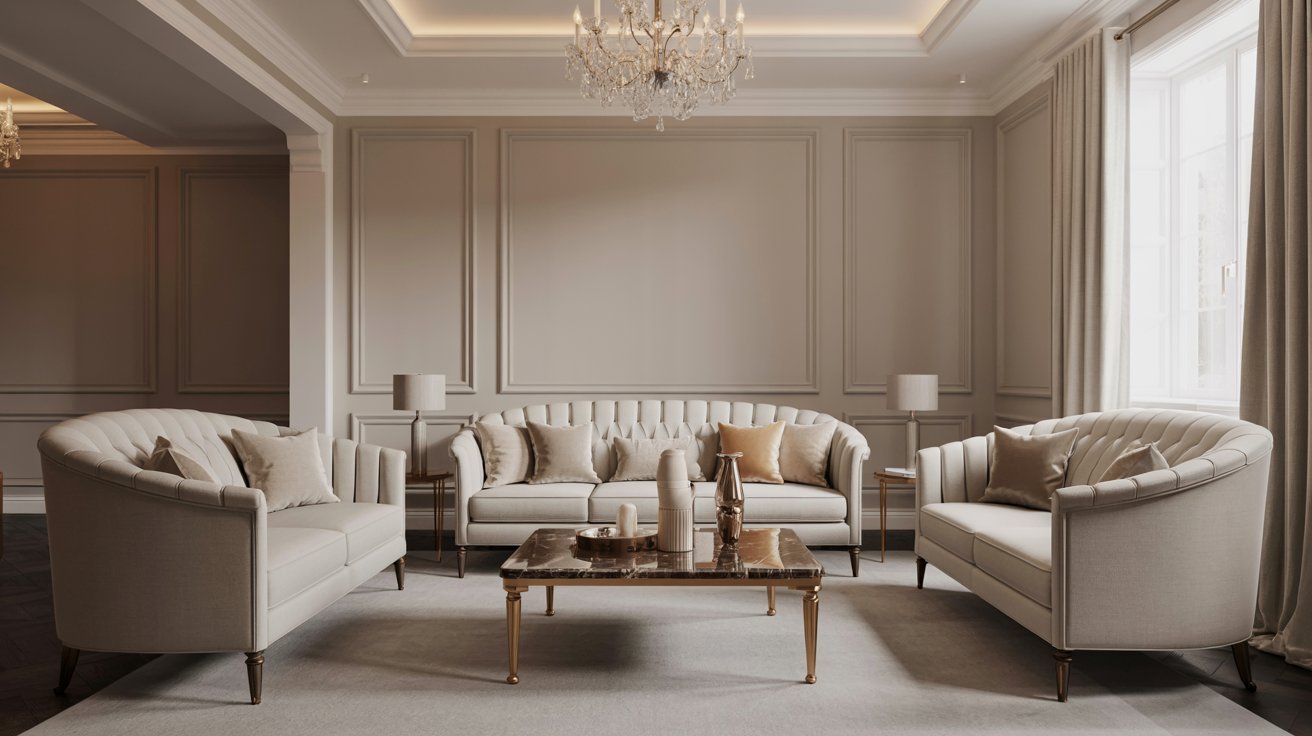
Understanding the building blocks of this style helps you apply it with confidence. Here are the five core elements that define modern classic interiors.
Neutral and Clean Color Palette
Color plays a big role in this design style. The base tones are almost always neutral. Think warm whites, soft creams, light grays, and beige tones. These shades create a calm, open feeling in any room.
Rich accent colors are added in small doses. Deep navy, forest green, burgundy, and warm gold work well. These tones add depth without taking over the space.
The key is restraint. You don’t want too many colors competing for attention. Stick to two or three tones and repeat them throughout the room for a cohesive look.
Symmetry and Balanced Layouts
One of the most recognizable features of this style is symmetry. Rooms feel intentional and ordered. You’ll often see matching lamps on either side of a bed, two armchairs flanking a sofa, or a fireplace centered on a wall.
This kind of balance gives a room a sense of calm and visual harmony. It doesn’t need to be perfectly rigid, but the overall layout should feel even and thought out.
Symmetry also makes small spaces look larger. When furniture is placed with intention, the eye moves smoothly around the room.
Classic Architectural Details
Details matter in modern classic design. Crown molding, wall panels, coffered ceilings, arched doorways, and wainscoting are common features. These elements add structure and character to a space.
They don’t have to be grand or over the top. Even simple molding around a doorframe or subtle wall paneling in a hallway adds a classic feel without going overboard.
These details give a room its backbone. Furniture and decor can change over time, but architectural features stay and continue to define the space.
High-Quality Materials and Textures
This style values quality over quantity. Materials like marble, solid wood, brushed brass, linen, velvet, and leather are common choices. Each one adds texture and a sense of richness to the space.
Layering textures is important. A marble coffee table on a wool rug next to a velvet sofa creates contrast and depth. Everything feels considered and intentional.
Cheap materials stand out in this style. Investing in even a few quality pieces makes a noticeable difference. You don’t need a lot, just the right things.
Simple Yet Refined Furniture
Furniture in a modern classic interior has clean silhouettes with classic shapes. Think rolled arms on a sofa, turned legs on a dining chair, or a wingback chair with clean lines. The shapes are recognizable but not overdone.
Upholstery tends to be neutral or in rich accent tones. Patterns, when used, are subtle. Think small geometric prints or classic stripes rather than large florals.
Scale matters too. Furniture should fit the room. Oversized pieces in a small room break the harmony the style depends on.
11 Modern Classic Interior Design Ideas for Every Room
Here are 11 practical ideas you can apply right now, whether you’re redesigning one room or your whole home.
1. Add Wall Molding for Classic Character
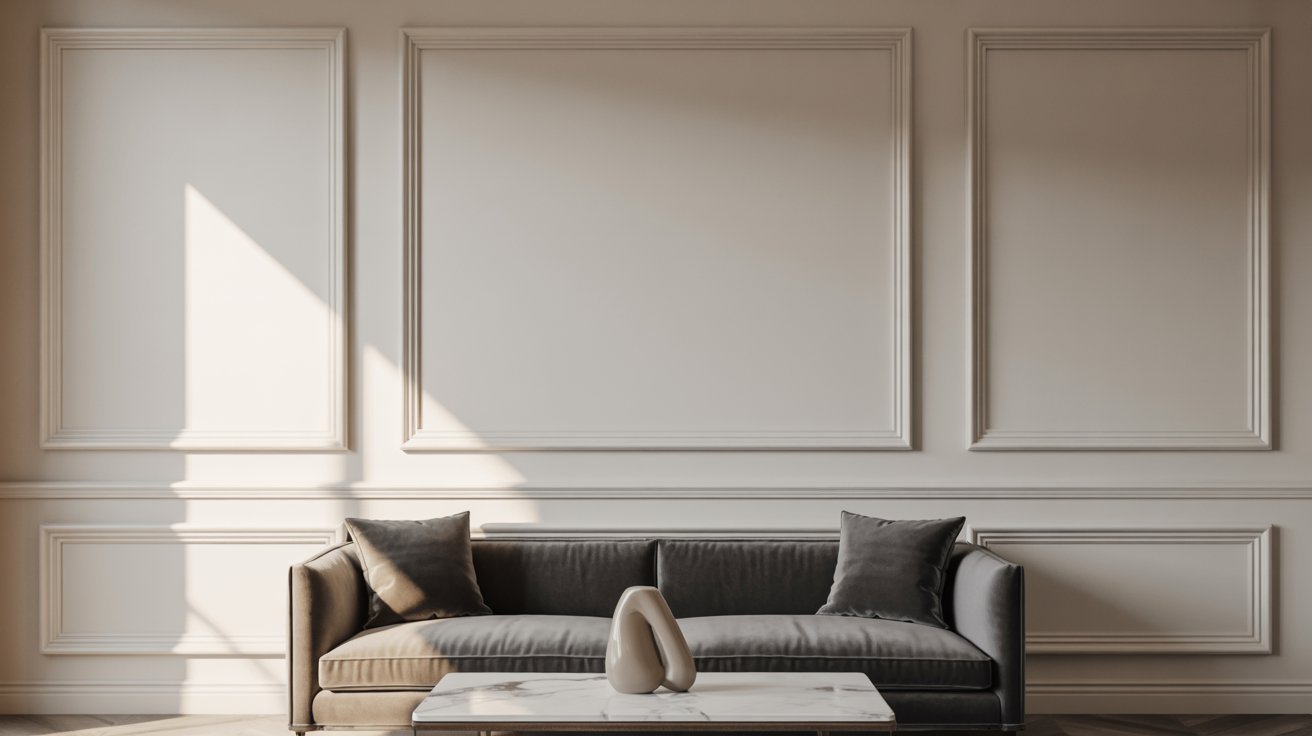
Wall molding is one of the easiest ways to bring a classic feel into any room. You can add simple panel molding to a living room wall or use picture rail molding in a bedroom. It instantly adds depth and structure.
Painted in the same color as the wall, molding looks subtle and modern. In a contrasting tone, it becomes a feature wall. Either way, it adds a layer of detail that makes a room feel finished and well-designed.
2. Use a Neutral Color Base with Rich Accent Tones
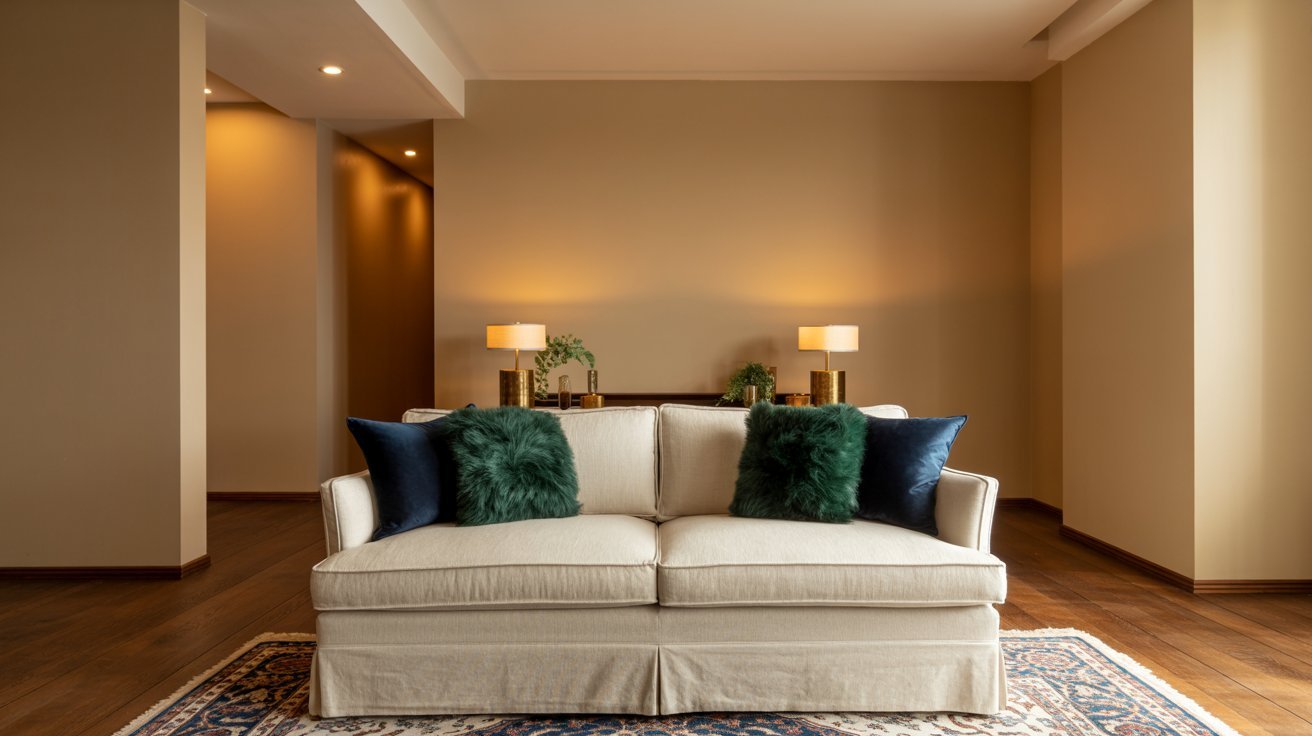
Start with a neutral base for your walls, floors, and large furniture. Then bring in one or two rich accent tones through cushions, curtains, a rug, or a feature chair.
This approach keeps the space feeling open and calm while still having personality. It also makes it easy to refresh the look later by swapping out accent pieces without repainting or buying new furniture.
A good rule is to follow the 60-30-10 color rule. 60% neutral base, 30% secondary tone, 10% accent color.
3. Mix Classic Furniture with Modern Pieces
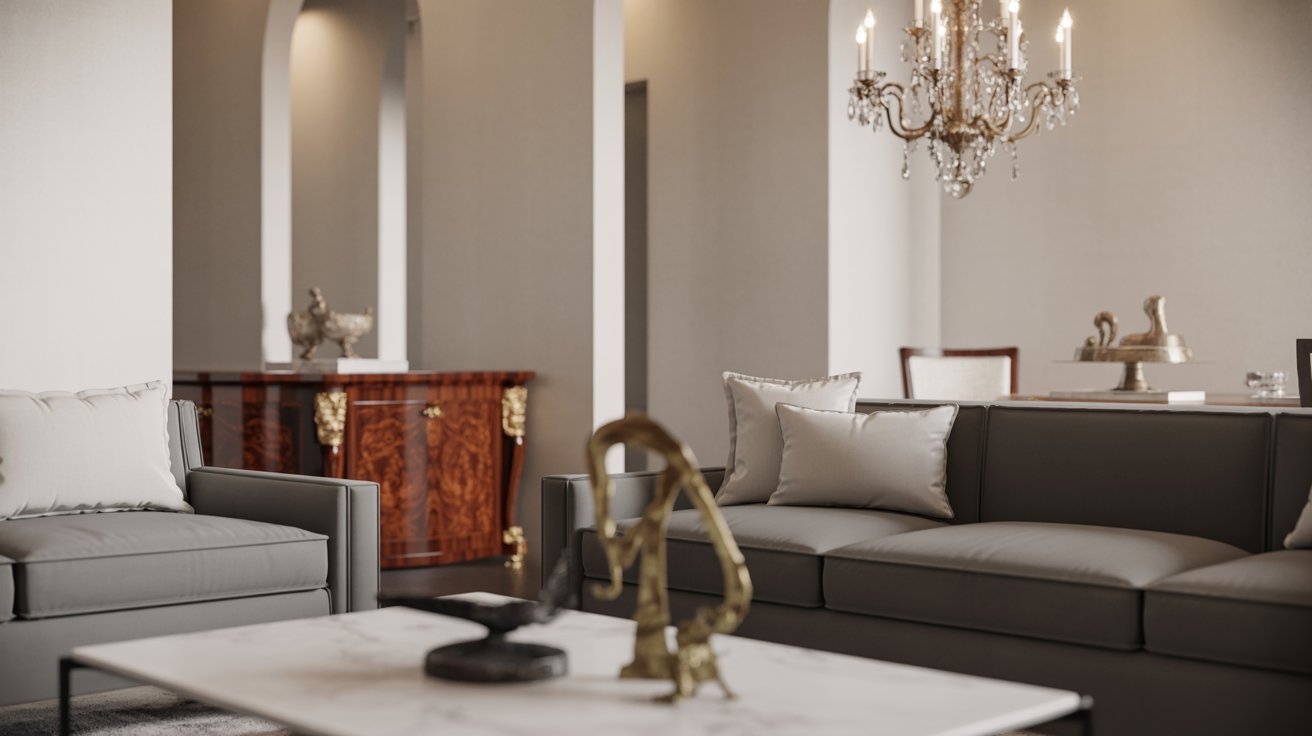
You don’t need everything in the room to match perfectly. In fact, mixing classic and modern pieces is what gives this style its character. A sleek modern sofa can sit beautifully next to an antique side table. A traditional chandelier can hang above a simple, clean-lined dining table.
The trick is to keep the overall palette consistent. When colors and materials connect the pieces, the mix feels intentional rather than random.
Start with one statement classic piece per room and build around it.
4. Create Balance with Symmetrical Layouts
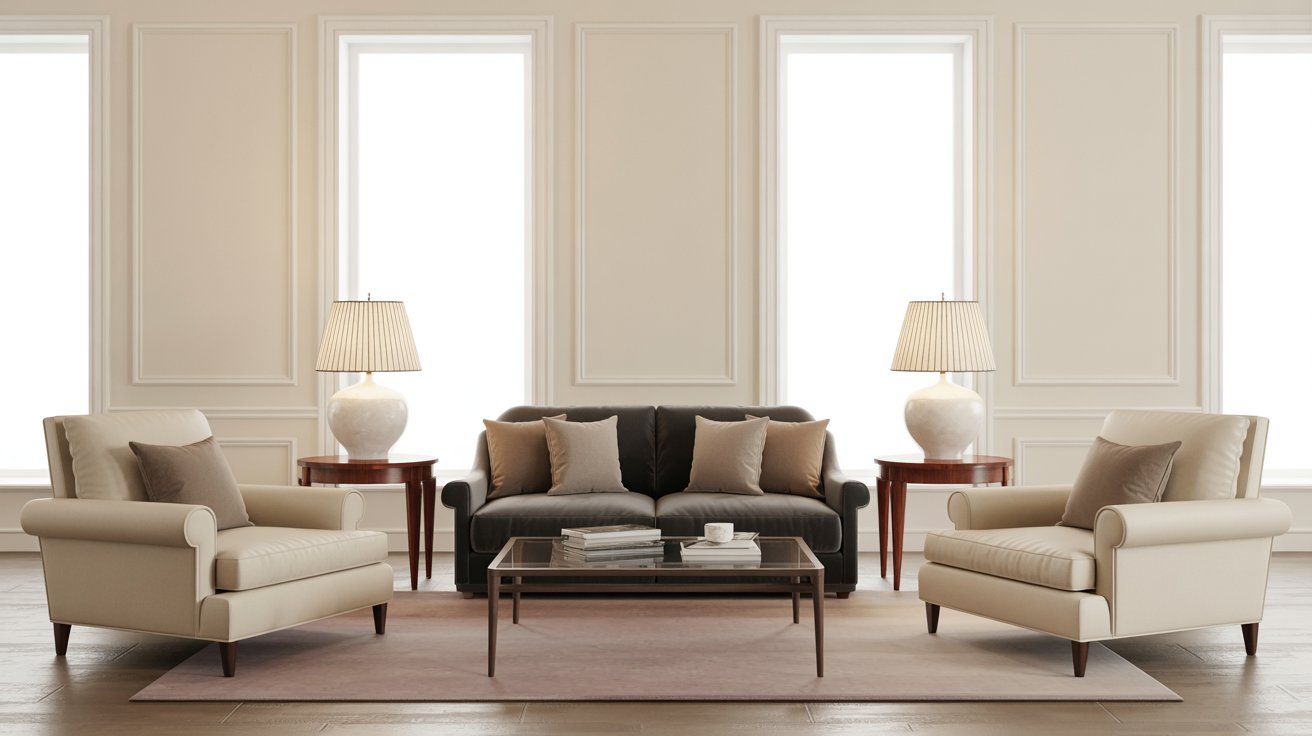
Go back to the idea of symmetry and apply it room by room. In the living room, place two identical sofas or chairs facing each other. In the bedroom, use matching nightstands and lamps. In the dining room, center the table under the light fixture.
These small choices make a big visual difference. The room feels ordered and calm, which is a core part of this design style.
You don’t need to be rigid about it. Even a mostly symmetrical layout reads well to the eye.
5. Choose Statement Lighting Fixtures
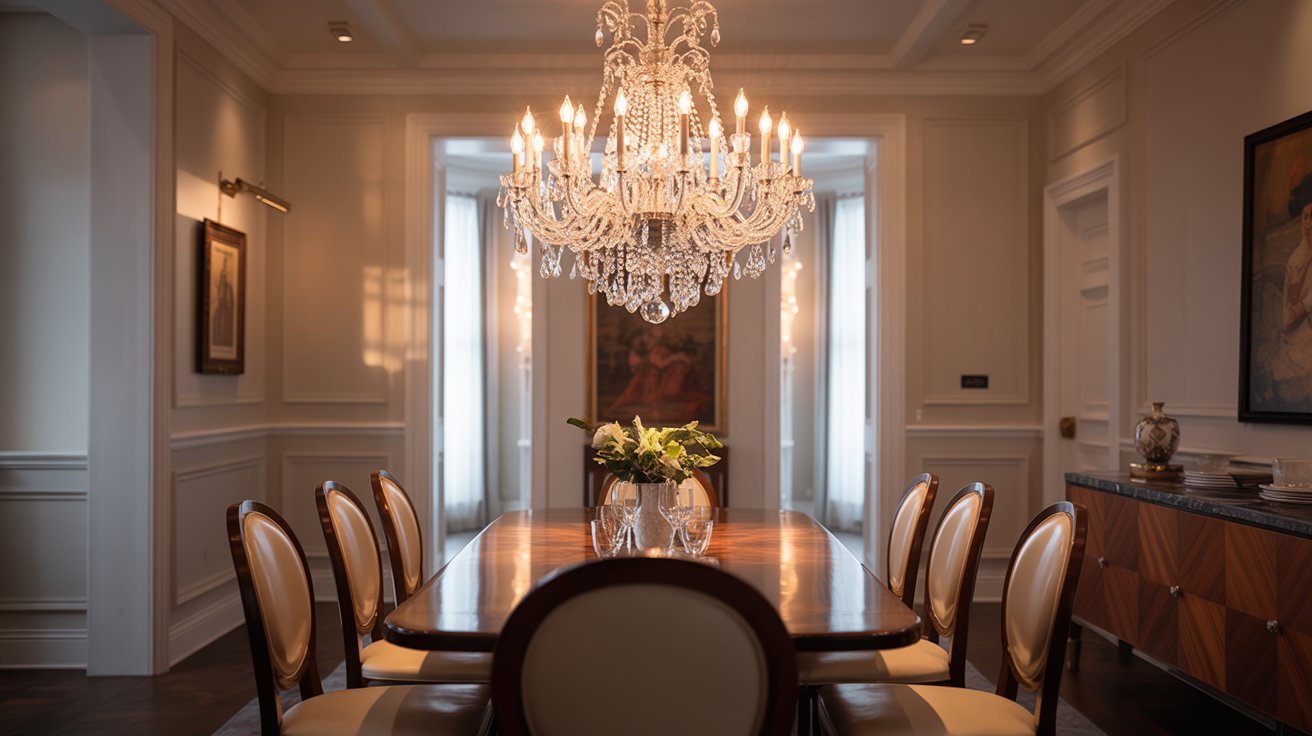
Lighting is one of the most overlooked parts of interior design. In a modern classic space, the right fixture does a lot of work. A simple crystal chandelier, a large drum pendant, or a classic lantern-style ceiling light all add character without cluttering the space.
Wall sconces are also a great addition. They add warmth and framing to a room, especially in hallways and bedrooms.
Choose one strong lighting piece per room and keep the rest simple. Don’t overload a space with too many decorative fixtures.
6. Layer Textures for a Luxurious Feel
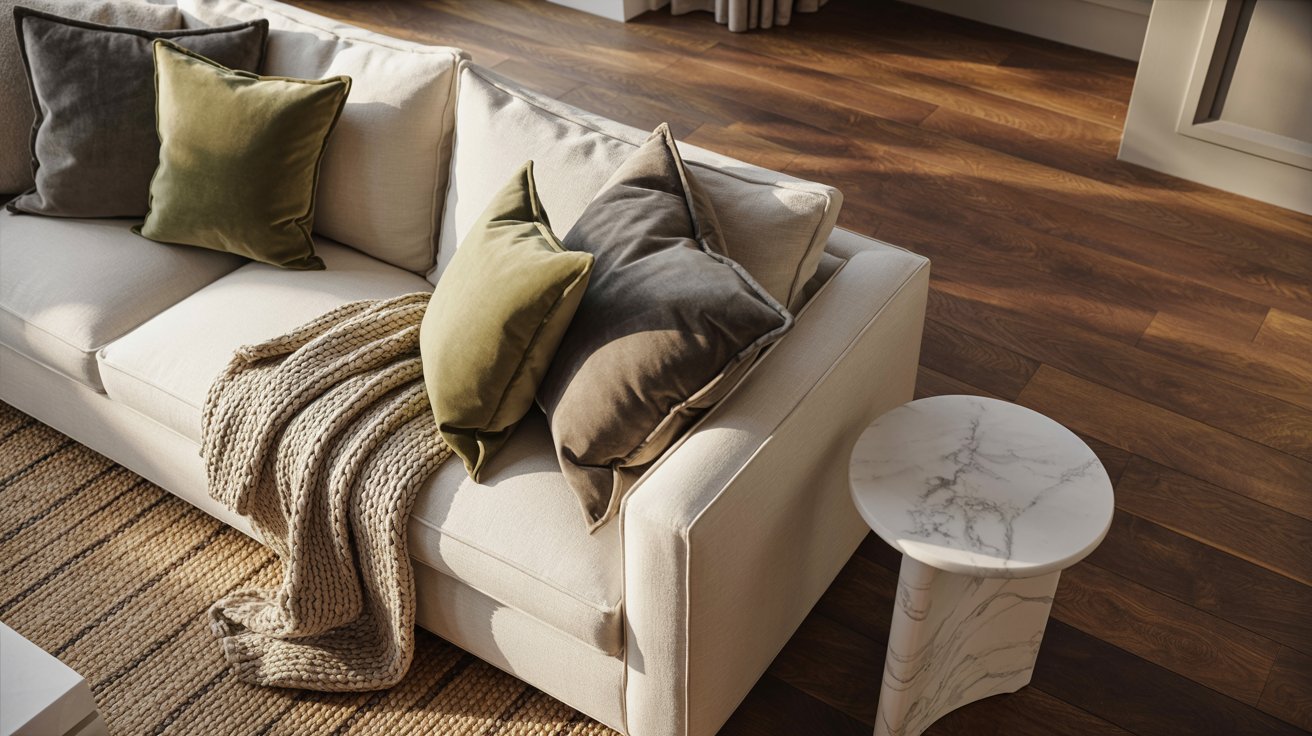
Texture is what makes a room feel rich and livable. In a modern classic interior, it’s all about layering different surfaces. A linen sofa, a wool throw, a jute rug, a marble side table, and a wood floor all work together to create depth.
When everything in a room has the same finish or feel, it falls flat. Texture adds visual and physical interest without adding color or clutter.
Start with the largest surfaces and work inward. Floor, sofa, rug, then cushions and accessories.
7. Incorporate Marble, Wood, and Metal Finishes
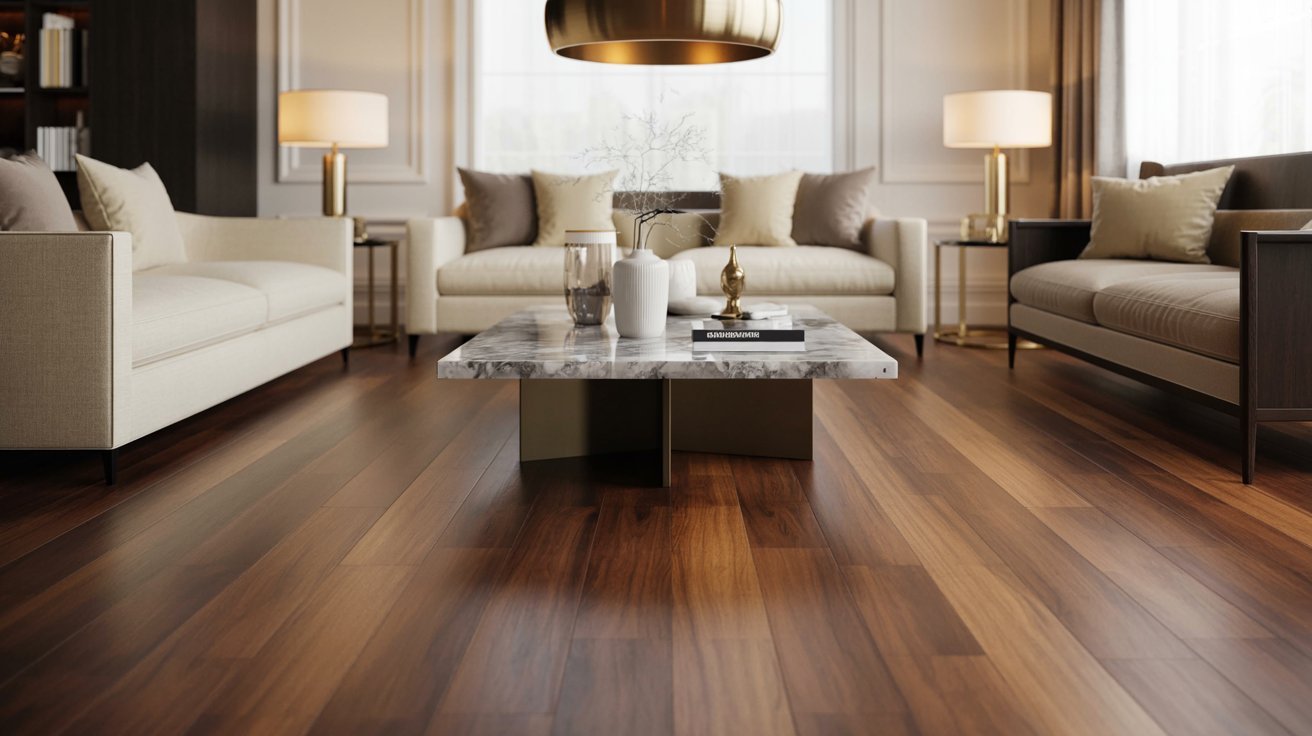
These three materials are the foundation of modern classic design. Marble brings a cool, clean richness. Wood adds warmth and organic texture. Metal, especially brushed brass or matte black, adds structure and a modern edge.
You don’t need all three in every room. But having at least two creates a balanced, layered look. A wooden floor with a marble fireplace surround and brass light fittings is a classic combination that always works.
Keep the metal finishes consistent. Mixing too many metals can make a space look disjointed.
8. Keep Window Treatments Simple and Clean
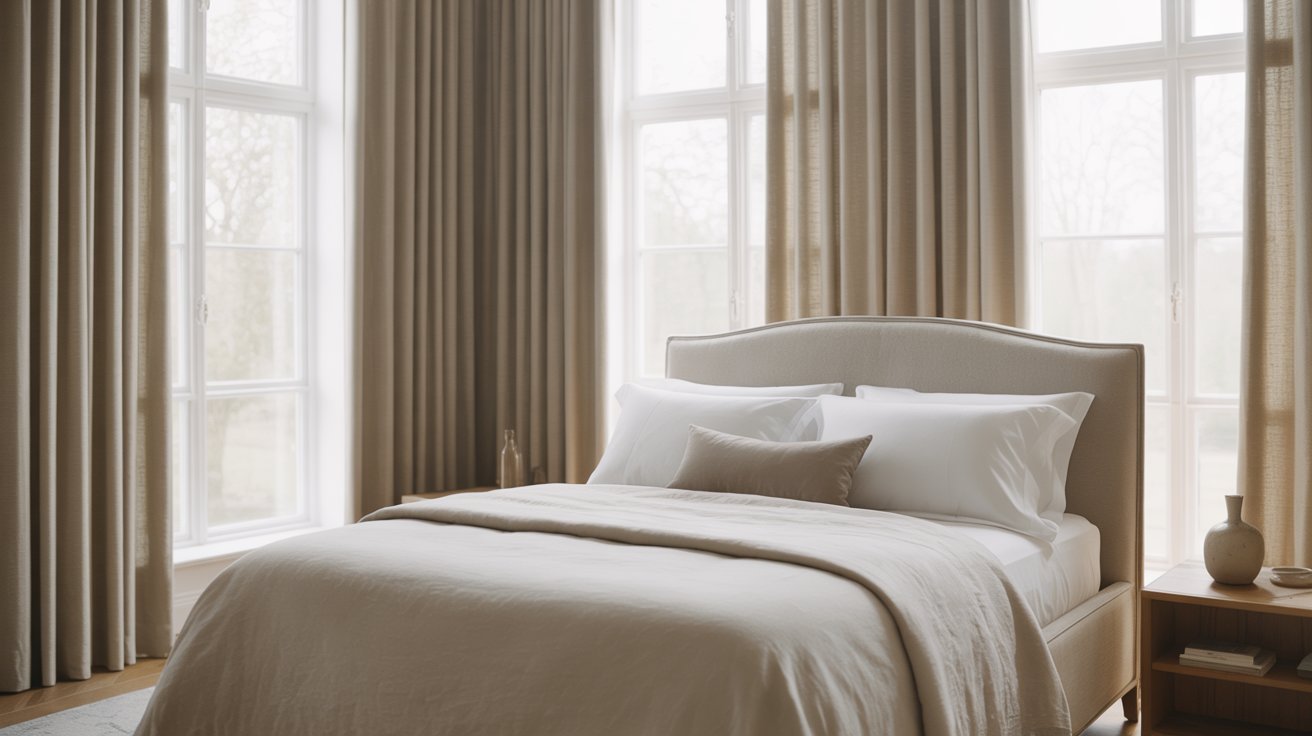
Heavy curtains with frills and fringes belong in a different era. In modern classic design, window treatments are clean and structured. Floor-length linen or silk curtains in a neutral tone work beautifully. Roman blinds in a classic fabric are another good option.
The goal is to frame the window without overwhelming it. Curtains should hang from ceiling to floor to make the room feel taller and more open.
Avoid overly patterned fabrics for curtains. If you want a pattern, keep it simple, like a fine stripe or a subtle texture.
9. Decorate with Art and Minimal Accessories
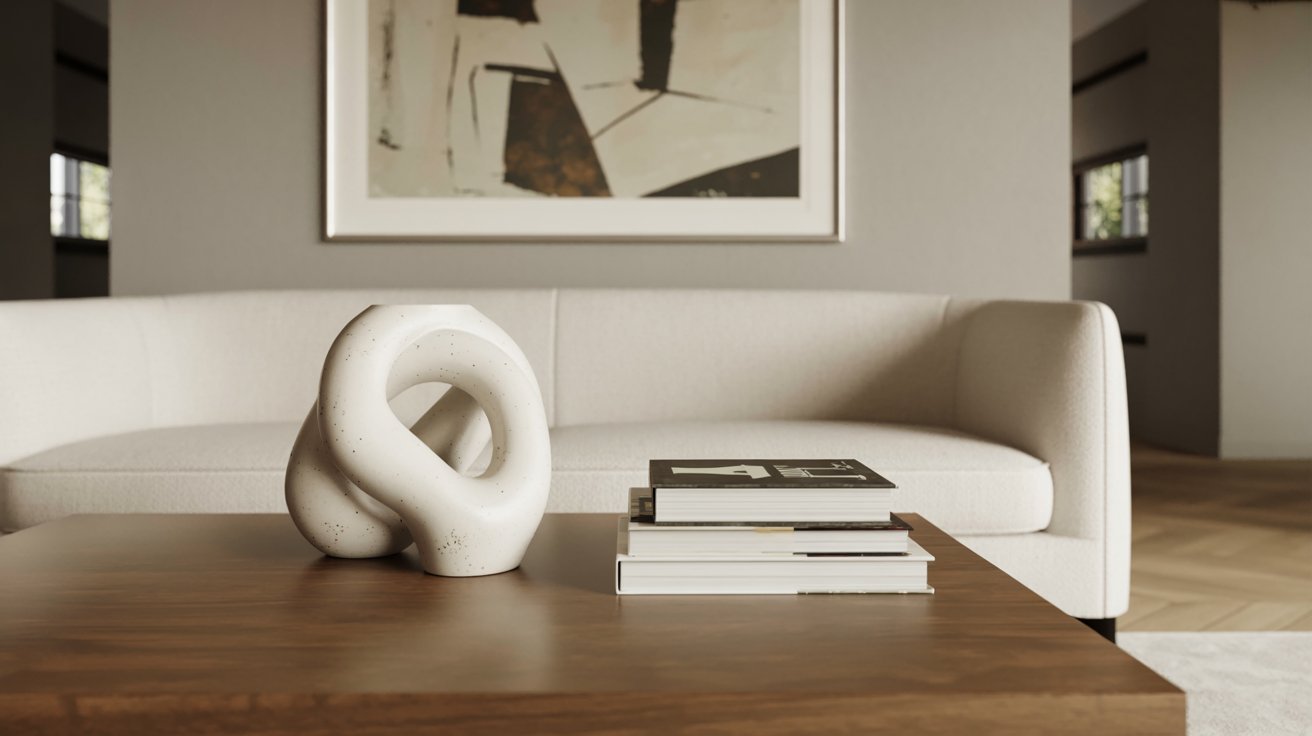
Less is more when it comes to accessories in this style. Choose a few well-placed pieces rather than filling every surface. A large framed print, a sculptural vase, a stack of hardcover books, and one or two small objects on a shelf are more than enough.
Art is especially important. It adds personality and draws the eye. Go for classic framed prints, black-and-white photography, or abstract art in neutral tones.
Every accessory should feel like it belongs. If something doesn’t add to the room, it’s better left out.
10. Add Architectural Features Like Panels or Arches
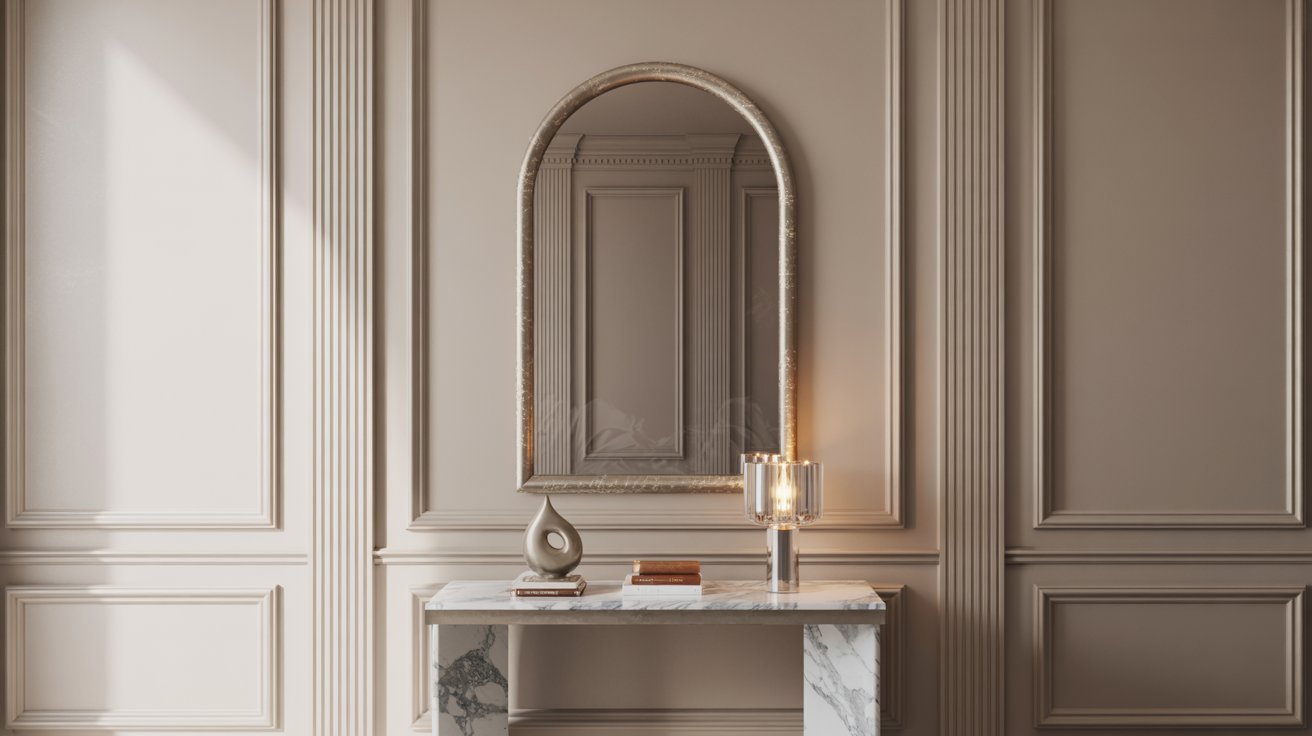
If your home doesn’t already have architectural character, you can add it. Wall panels made from MDF are affordable and easy to install. Arched doorways or arched mirrors bring in that classic rounded detail. Built-in shelving with classic trim adds both function and style.
These features don’t have to be structural. Even a freestanding bookcase with classic detailing or an arched mirror in an entryway makes a strong impression.
These elements add depth and history to a space without requiring a full renovation.
11. Focus on Quality Statement Pieces
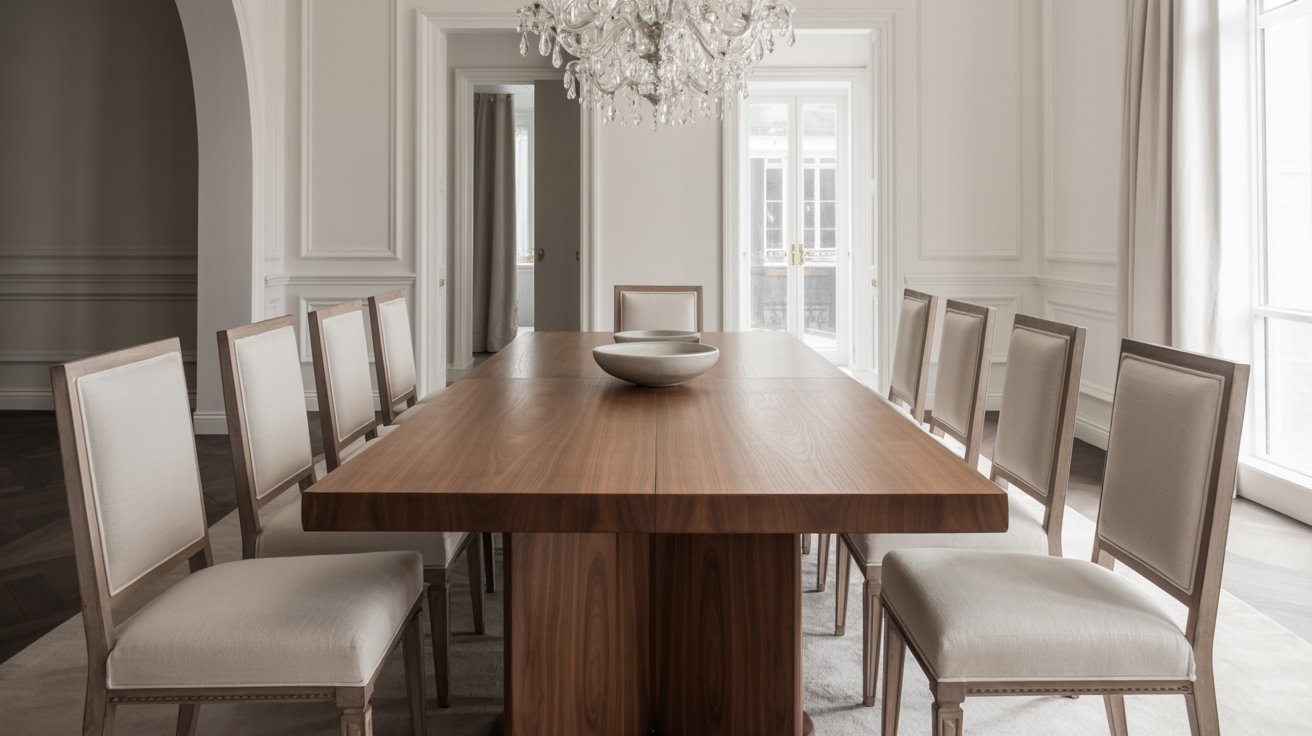
Instead of filling a room with many average pieces, invest in a few quality ones. A solid wood dining table, a well-made upholstered sofa, or a hand-knotted rug will last for years and always look good.
Statement pieces anchor a room and give it a sense of permanence. Everything else in the space can be simpler and more affordable, as long as the key pieces carry the room.
Think of it as building a collection slowly rather than furnishing everything at once.
How to Style Different Rooms with Modern Classic Design
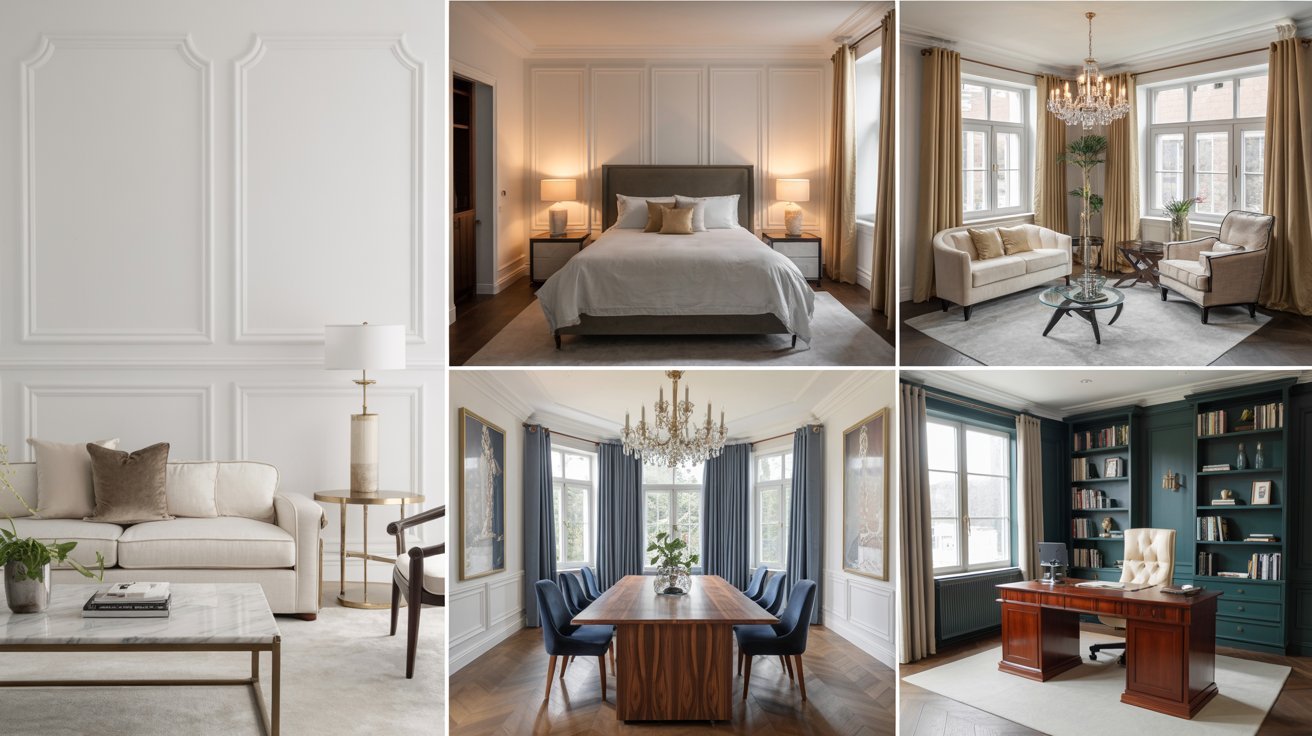
Each room has different needs, but the same principles apply throughout.
In the living room, start with a neutral sofa, two armchairs, and a large rug. Add a marble or wood coffee table and one statement light fixture. Keep shelving minimal and mount the TV on the wall.
In the bedroom, a quality bed frame, matching nightstands, and neutral bedding are all you need. Keep furniture to a minimum and use floor-length curtains.
For the dining room and kitchen, pair a solid wood or marble table with classic-lined chairs. Stick to cream cabinets, brass hardware, and stone countertops. Keep surfaces clear.
In the entryway and home office, a console table, mirror, and one piece of art are enough. Keep the desk clear, storage hidden, and lighting simple.
Common Mistakes to Avoid in Modern Classic Interior Design
Even with the best intentions, it’s easy to go wrong. Here are three mistakes to watch out for.
Overcrowding the Space with Decor
More is not more in this style. Too many accessories, too much furniture, and too many layers of pattern make the space feel busy and heavy. The whole point of modern classic design is a sense of calm and order.
Edit your space regularly. If something doesn’t serve a purpose or add to the look, remove it. A room with a breathing room always looks better.
Using Too Many Ornate Elements
Classic details are good. But too many ornate elements at once can make a space feel dated or overdone. If you have detailed molding, keep the furniture simple. If you have a statement chandelier, keep the rest of the decor understated.
Let each feature have space to be noticed. When everything competes, nothing stands out.
Ignoring Balance Between Classic and Modern
This style depends on balance. Too much classic and the space feels old-fashioned. Too much modern and the classic warmth disappears. You need both working together.
A good way to check your balance is to step back and look at the room as a whole. Does it feel dated or cold? Adjust by adding or removing elements from each side until it feels right.
Tips to Create a Timeless Modern Classic Interior
Here are a few final tips to help you get this style right from the start.
- Invest in the right pieces first. A quality sofa, a solid dining table, and a good rug will carry the room. Everything else can come later.
- Stick to a limited color palette. Choose two to three tones and use them consistently across the room. This creates a cohesive, pulled-together look.
- Choose materials that age well. Marble, solid wood, linen, and wool all look better over time. Cheap materials show wear quickly and can drag a room down.
- Don’t rush the process. A great interior is built slowly. Take your time choosing pieces that you truly love and that work well together.
- Look at your space in different lighting conditions. Natural light during the day and lamp light at night can change how colors and textures look. Make sure the room works well in both.
- Keep maintenance in mind. Beautiful materials need care. Make sure what you choose works for your lifestyle.
Conclusion
I hope these ideas give you a clear starting point for bringing modern classic interior design into your home. This style has always felt right to me because it’s warm, livable, and never looks out of place.
You don’t need to redo everything at once. Start with one room, one wall, or even one piece of furniture. Small changes add up.
If this post helped you, I’d love to hear what ideas you’re planning to try. Drop a comment below, share this with a friend who loves interior design, or check out our other home styling posts.
Frequently Asked Questions
What makes modern classic interior design different from traditional design?
Modern classic design uses cleaner lines and fewer ornate details than traditional design. It keeps the warmth and structure of classic style but pairs it with a simpler, more current look.
Can modern classic design work in a small apartment?
Yes, it works very well in small spaces. The focus on symmetry, neutral colors, and quality over quantity actually helps small rooms feel more open and well-organized.
How do I start with modern classic design on a budget?
Start with paint and simple architectural details like molding or panel frames. These are low-cost changes that make a big visual impact before you invest in furniture.
What colors work best for a modern classic interior?
Warm whites, soft creams, light grays, and beige are the best base tones. Add depth with rich accents like navy, deep green, or warm gold used in small amounts.
Do I need to hire a designer to get this look?
No, you don’t. With a clear plan, a consistent color palette, and a focus on quality pieces, you can create this style on your own. Take it one room at a time and trust the process.