Luxury kitchens are no longer just about function. Today, they made a statement. Homeowners want spaces that feel stylish, comfortable, and practical all at once. A luxury kitchen remodel blends smart design, high-quality materials, and modern appliances to create a space you enjoy every day.
In this article, you’ll find ideas, design trends, and realistic costs. You’ll learn how to plan a remodel that balances style, performance, and comfort.
We’ll help you solve common remodel challenges, from layout choices to budget planning. Everything here is based on expert advice and real examples, so you can trust the guidance.
By the end, you’ll have a clear roadmap to transform your kitchen into a space that works beautifully for your home and lifestyle.
Why Do Homeowners Invest in Luxury Kitchen Remodels?
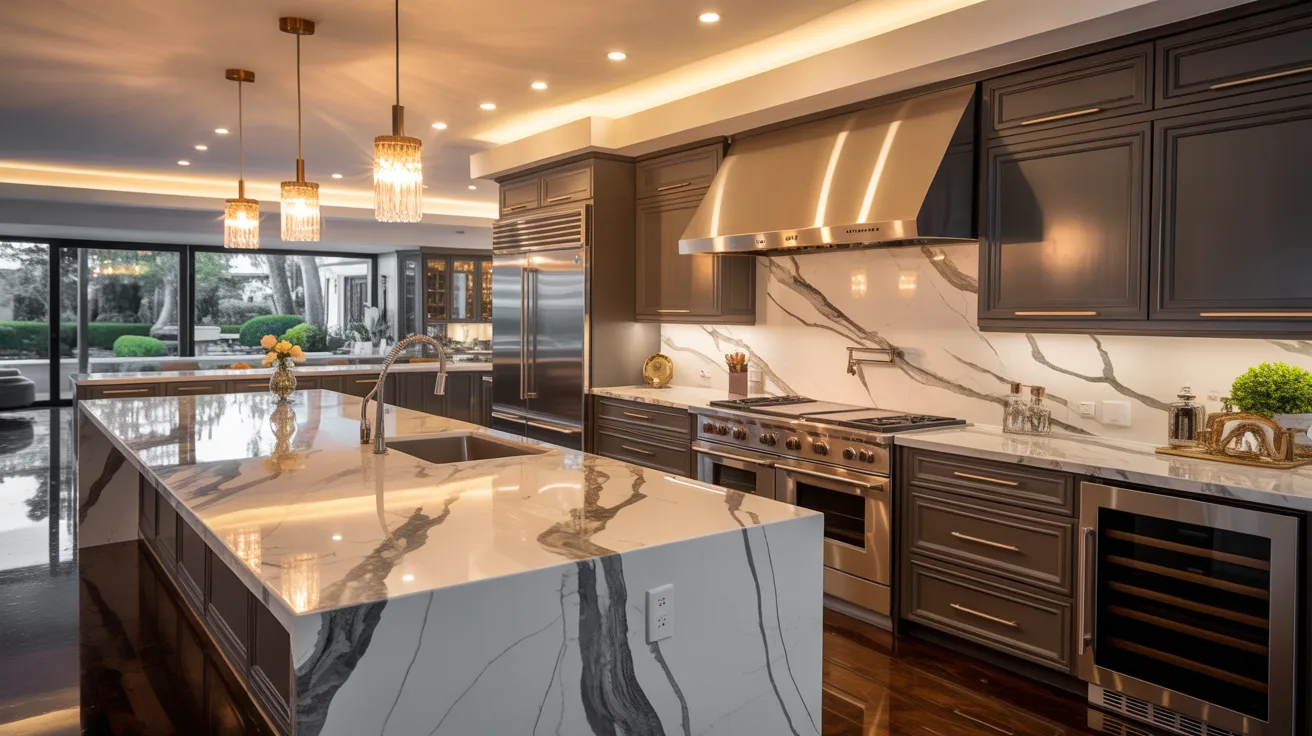
I have seen how a luxury kitchen can change a home’s value. You are not just updating cabinets or counters. You are investing. A good remodel can raise resale value and give a solid return on investment. It lasts longer than small updates that wear out fast.
Luxury kitchens also make entertaining fun and easy. Imagine hosting friends or family with space to move and tools that work smoothly. You will notice the difference when cooking and serving. You can invite people over with confidence. No more cramped counters. No more outdated appliances.
And the best part is the everyday comfort. Custom designs fit your style and how you live. Durable materials. Clever storage. Surfaces that stay beautiful for years. You get a kitchen that truly works for you and keeps you happy day after day.
37 Luxury Kitchen Remodels
These ideas combine style, functionality, and high-end materials to inspire a kitchen that feels both luxurious and personal.
1. Crisp All-White Kitchen
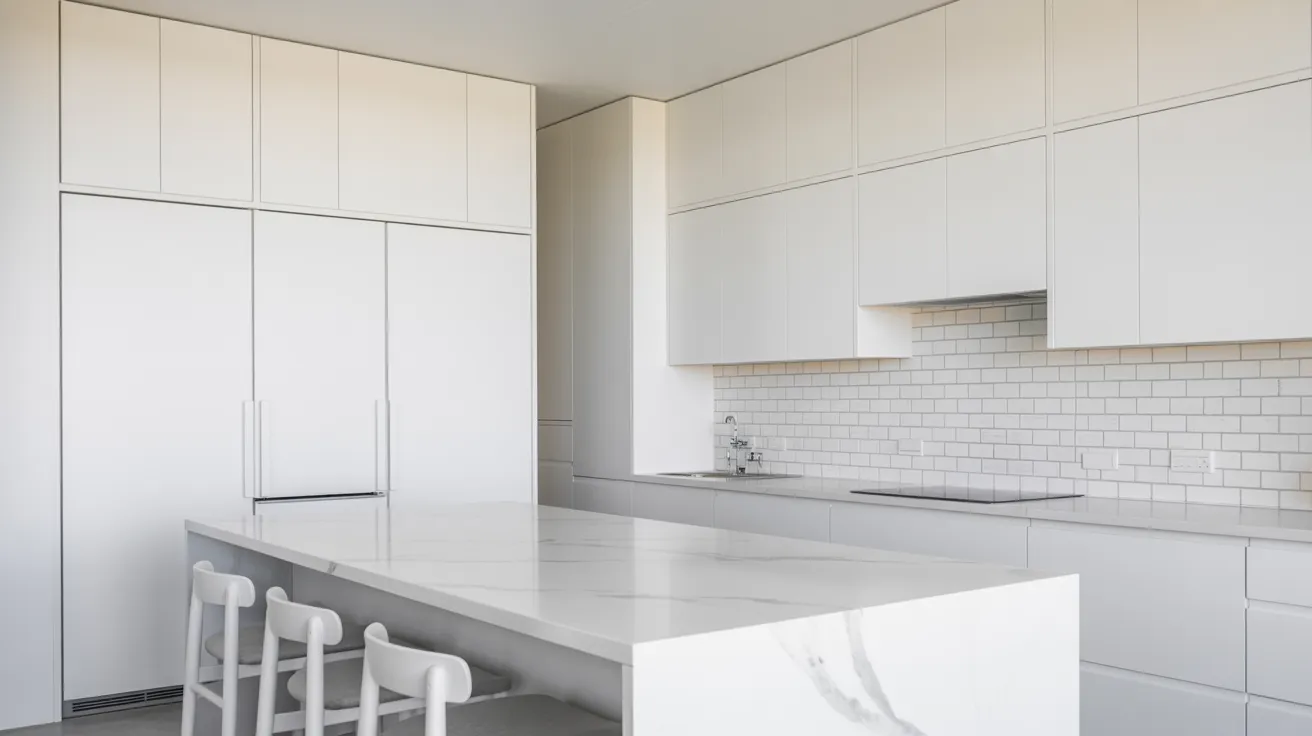
A crisp all-white kitchen creates a bright and open space that feels clean and calm. White cabinets, light countertops, and reflective finishes help the room feel larger while giving it a timeless look. Most homeowners spend between $25,000 and $50,000 to achieve this style, depending on materials and cabinet quality.
The design works best when layers of texture keep the space from feeling flat. Marble or quartz counters, subtle cabinet detailing, and glass front uppers add visual interest while maintaining the light color palette.
To incorporate this idea, install white cabinets and pair them with marble or quartz countertops. Add glass front cabinets, light flooring, and soft under-cabinet lighting to keep the kitchen bright and balanced.
2. Two-Tone Cabinetry
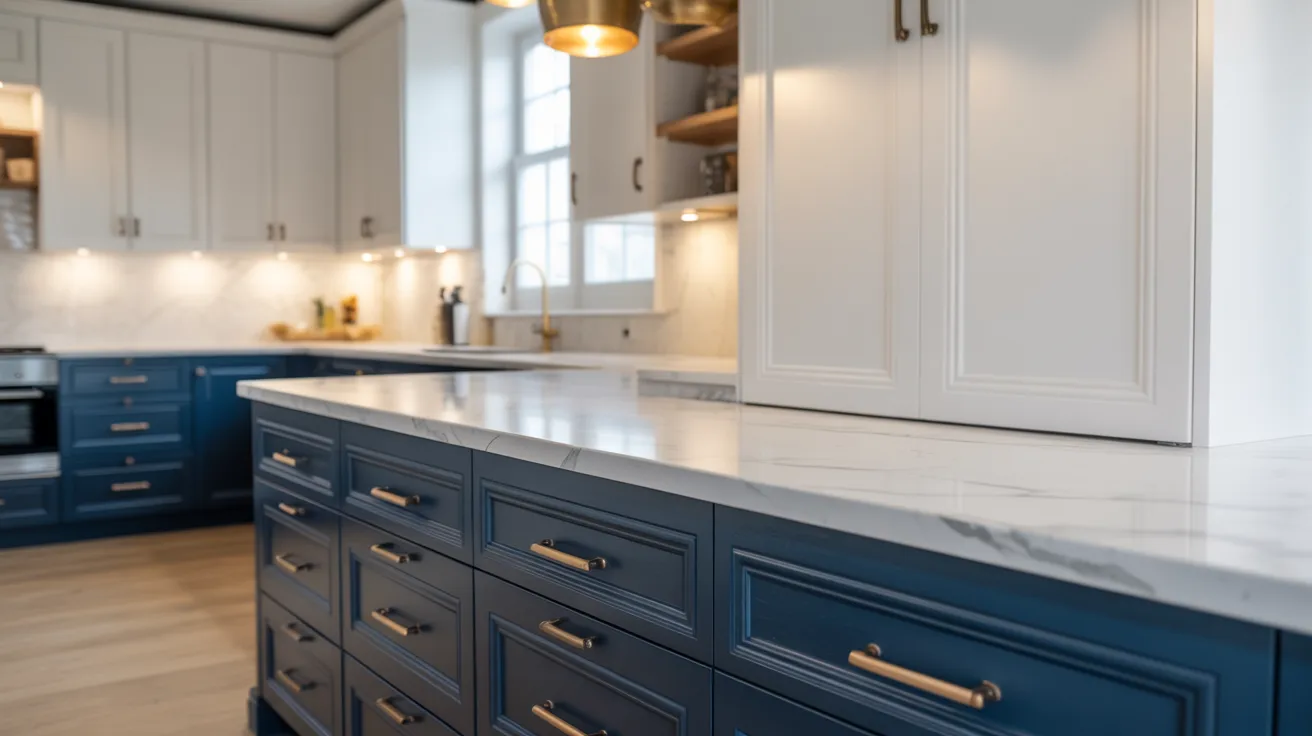
Two-tone cabinetry adds contrast and depth to a kitchen without overwhelming the design. Instead of using one color throughout, the upper and lower cabinets use different tones to create visual balance. This approach usually costs around $20,000 to $45,000, depending on cabinet materials and finishes.
The style works well because lighter upper cabinets keep the kitchen open while darker lower cabinets ground the space. This balance helps large kitchens feel more structured and smaller kitchens feel more dynamic.
To incorporate this idea, pair white or light upper cabinets with darker base cabinets like navy, charcoal, or natural wood. A contrasting island can also help tie the design together.
3. Floor-to-Ceiling Custom Cabinets
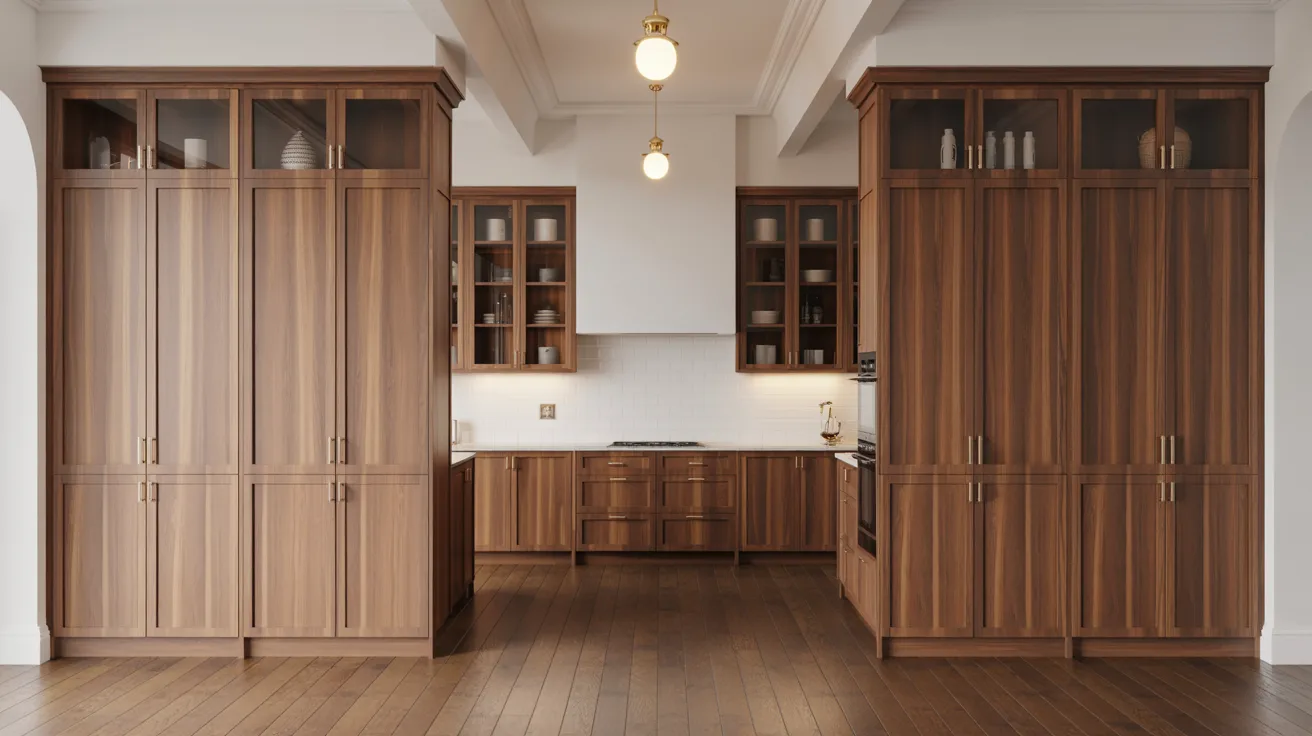
Floor-to-ceiling cabinets create a seamless wall of storage that makes the kitchen look organized and polished.
Instead of leaving a gap above the cabinets, the design extends cabinetry all the way to the ceiling. Installing custom cabinetry like this often costs between $30,000 and $60,000, depending on materials and layout.
This design also maximizes storage space by using every vertical inch of the kitchen. Tall pantry cabinets and hidden appliance storage help reduce clutter and maintain a clean appearance.
To incorporate this idea, extend upper cabinets to the ceiling and add tall pantry towers. Using matching panels and minimal hardware helps maintain a smooth and continuous cabinet wall.
4. Frameless European Cabinets
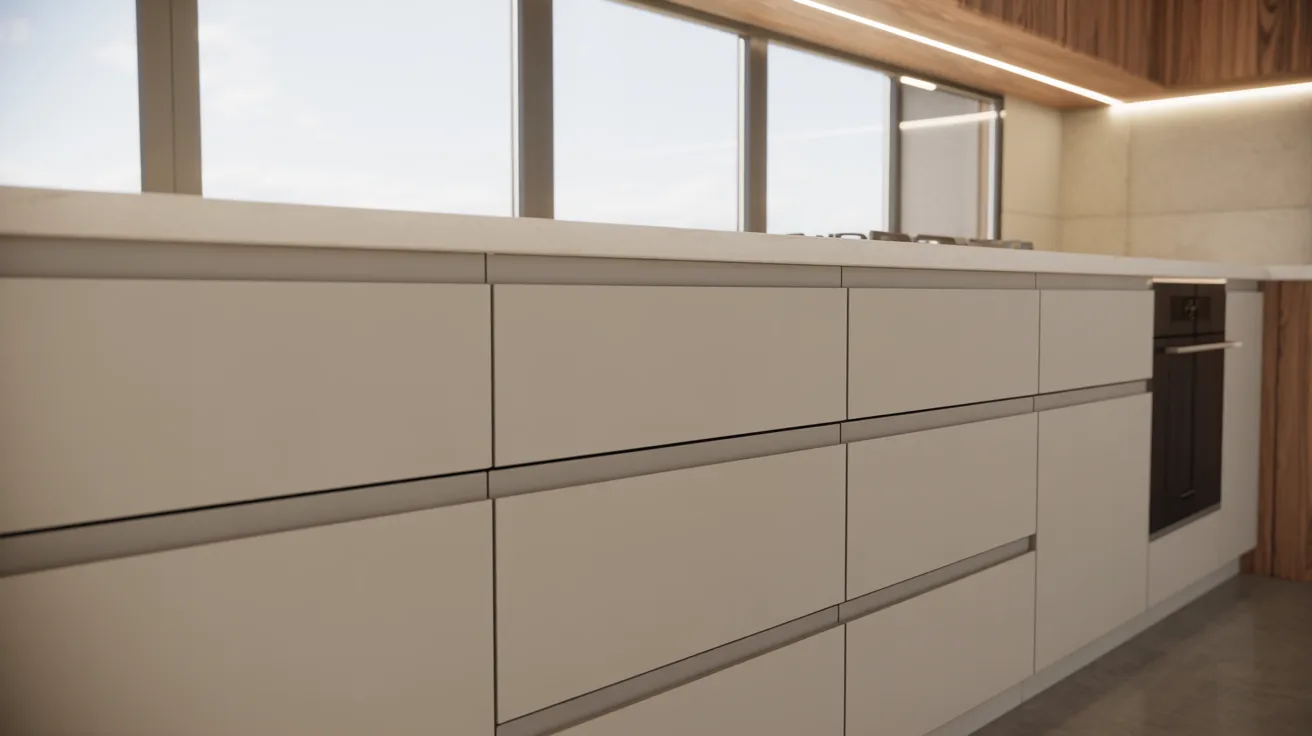
Frameless cabinets offer a sleek and modern kitchen style with smooth, clean lines. Because the cabinet doors attach directly to the cabinet box, there is no face frame, which creates a minimalist appearance.
Kitchens using this cabinet style typically cost around $25,000 to $55,000, depending on the materials and hardware.
The design also increases interior storage space slightly because there are no frame edges inside the cabinet opening. This makes the layout both efficient and visually simple.
To incorporate this idea, install flat panel cabinets with concealed hinges and minimal hardware. Pair them with modern countertops and subtle lighting for a streamlined kitchen design.
5. Statement Range Hood
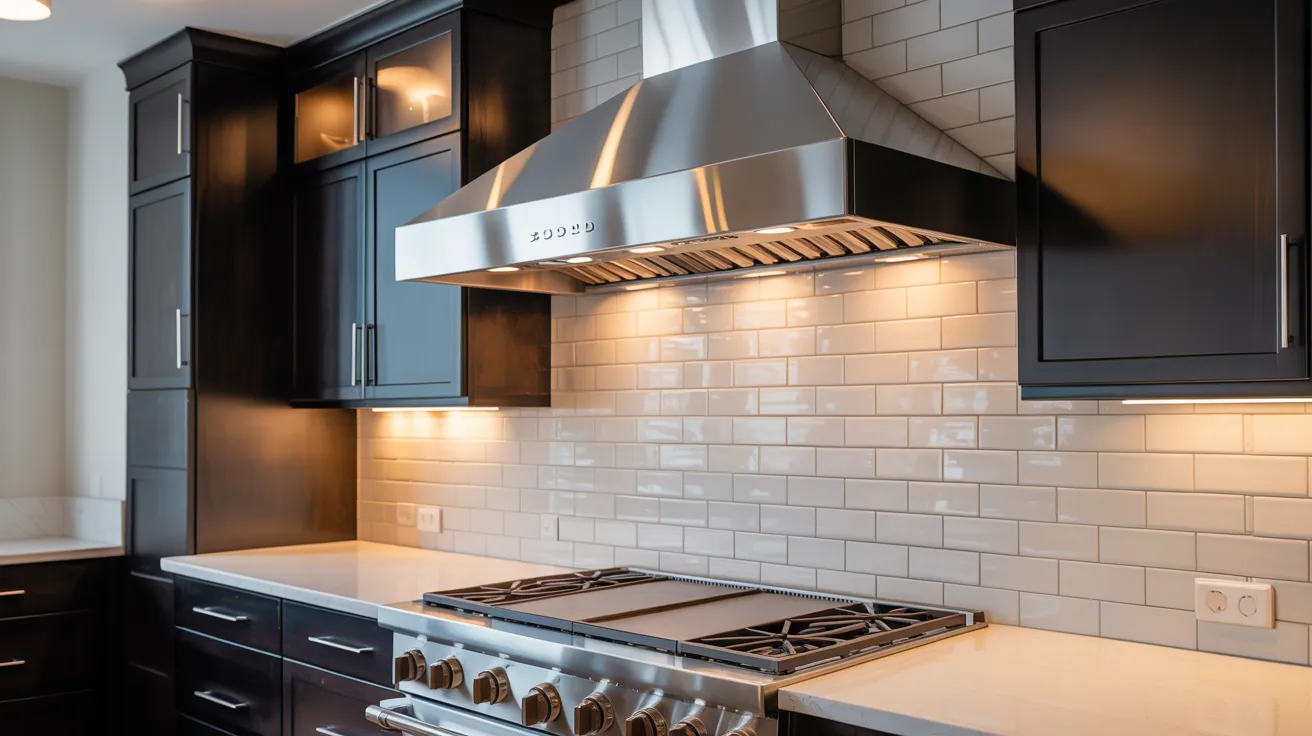
A statement range hood turns the cooking area into a focal point of the kitchen. Instead of blending in with the cabinetry, the hood becomes a design feature that adds character and structure. Custom hoods typically cost between $3,000 and $10,000, depending on the material and size.
Materials like plaster, copper, stainless steel, or wood create a strong visual presence above the stove. The hood can help anchor the surrounding cabinets and highlight the cooking zone.
To incorporate this idea, install a custom range hood centered above the cooktop. Keep the nearby cabinetry simple so the hood becomes the main design feature.
6. Waterfall Edge Kitchen Island
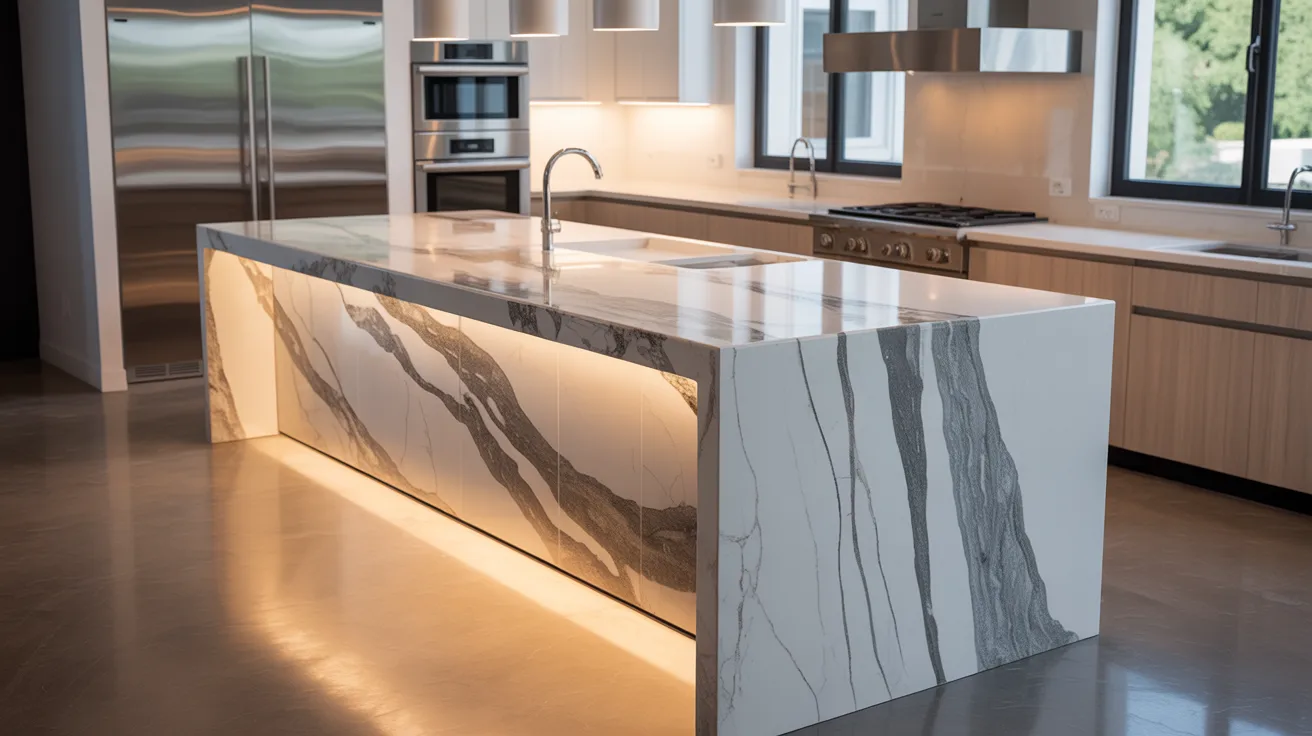
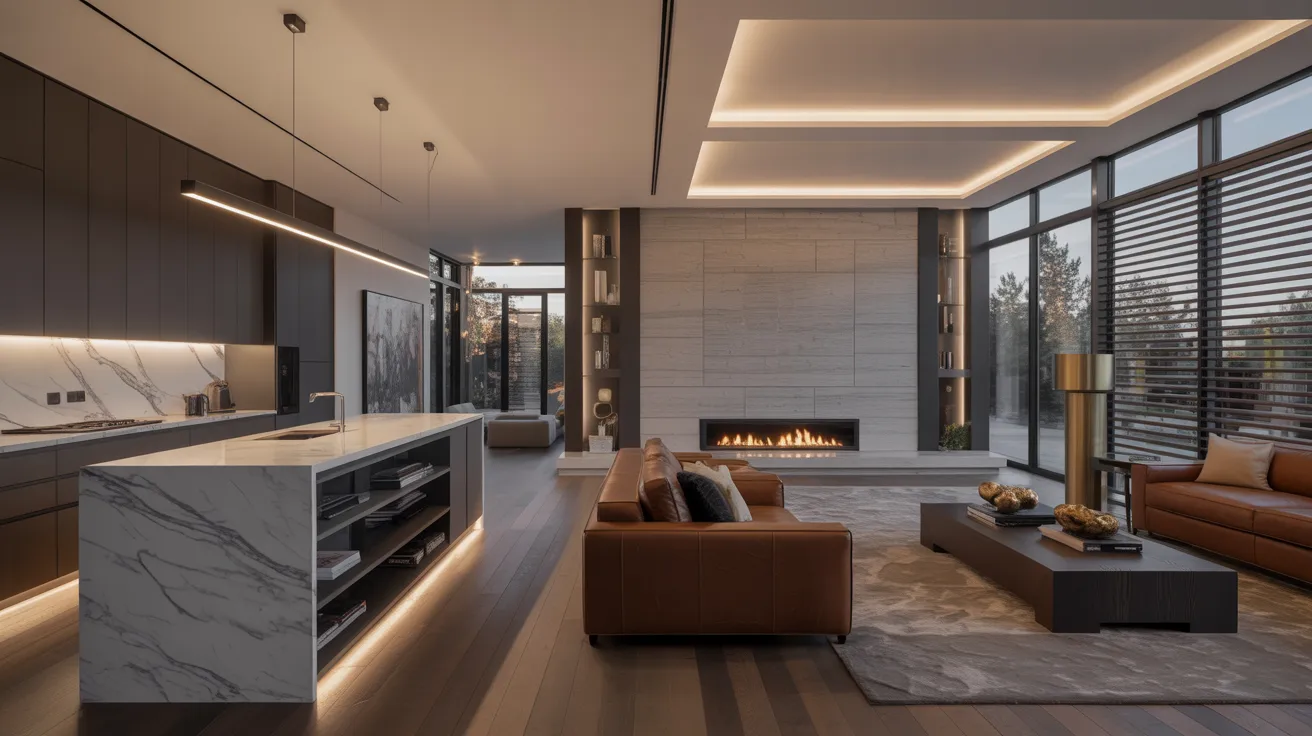
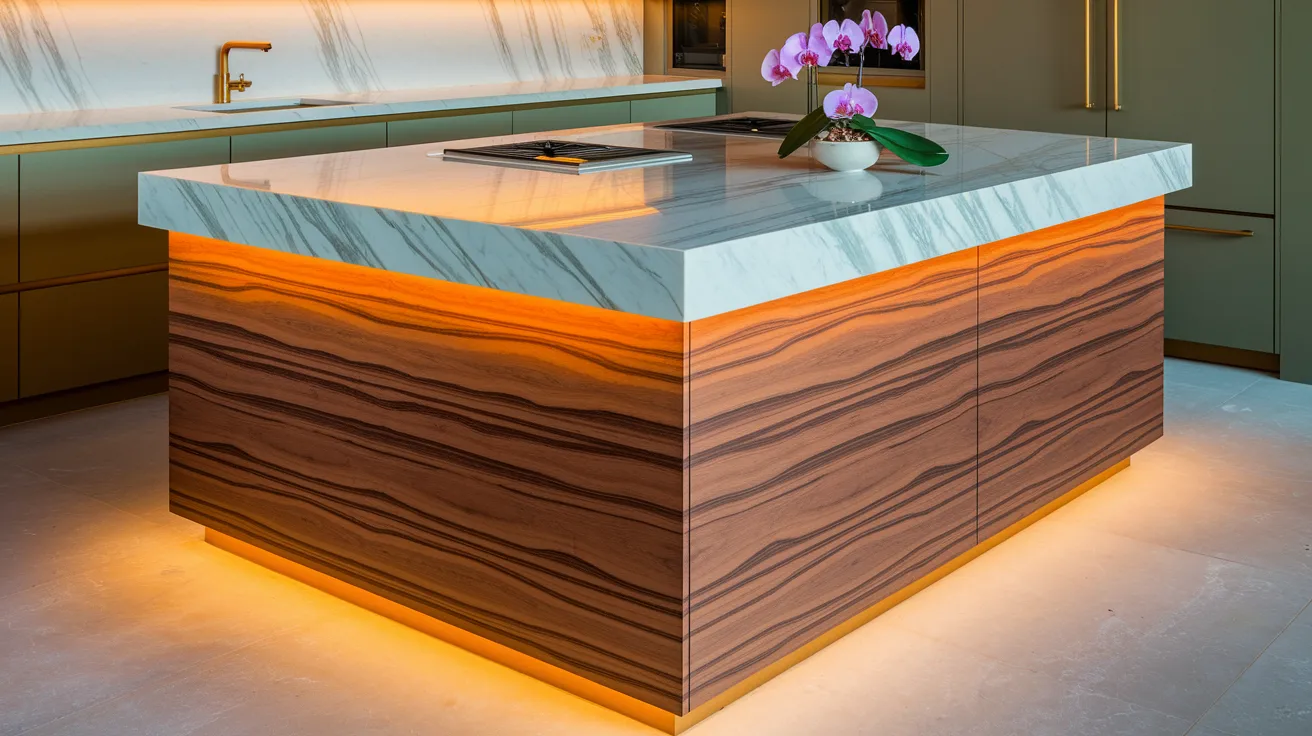
A waterfall island creates a striking visual effect where the countertop material flows down the sides of the island. This continuous stone surface adds a sculptural feel to the kitchen. Installing this type of island usually costs between $12,000 and $30,000, depending on the stone and island size.
The design highlights the natural patterns and veining of materials like marble, quartz, or quartzite. It also protects the island’s sides from scratches and wear.
To incorporate this idea, extend the island countertop vertically down both sides using the same stone slab. Choosing a stone with strong veining makes the waterfall effect more noticeable.
7. Mixed Marble Surfaces
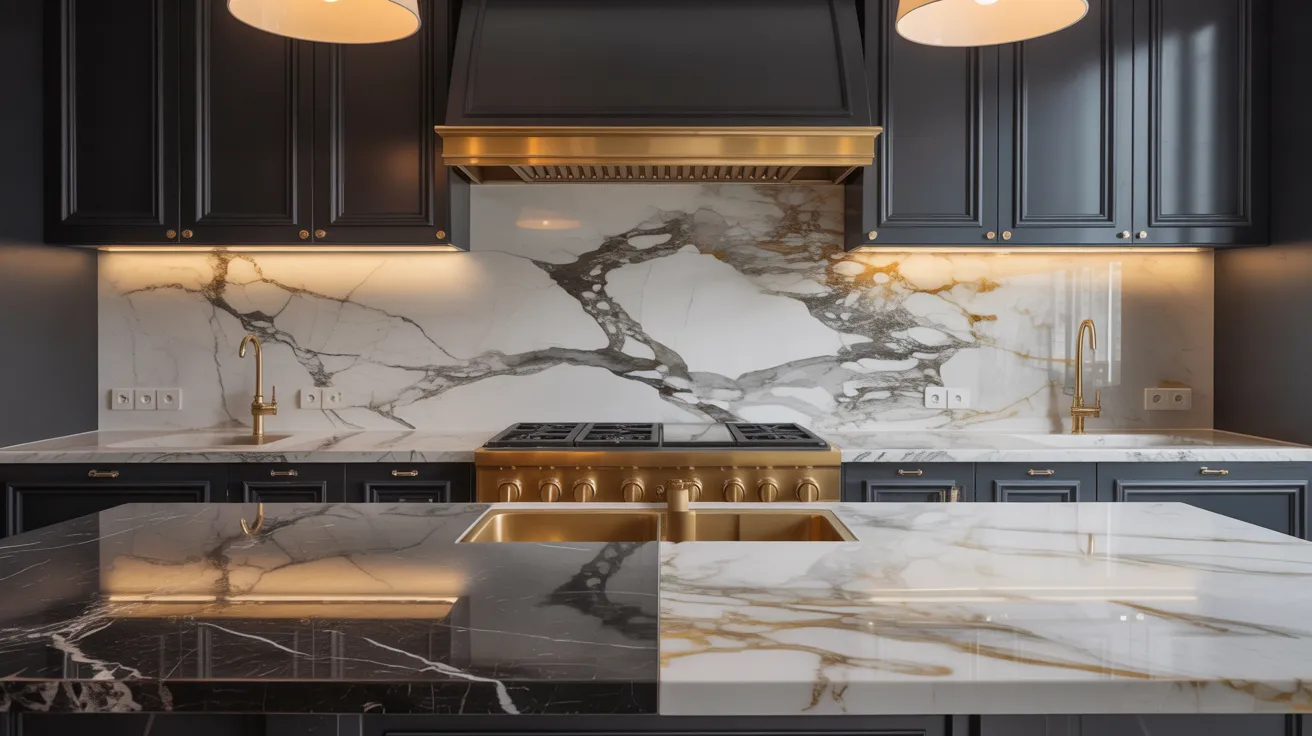
Using multiple marble types in one kitchen adds richness and contrast while maintaining a cohesive look. Combining light and dark marble can create layers of interest without introducing many colors.
Kitchens using this approach often cost around $15,000 to $35,000, depending on the marble selection.
For example, light Carrara marble can be used for countertops, while darker stone like Nero Marquina works well for backsplashes or islands. The combination highlights the unique patterns in each stone.
To incorporate this idea, use one marble style for the main countertops and another for accent areas like the backsplash or island. Keeping cabinet colors neutral helps the marble stand out.
8. Quartzite Countertops
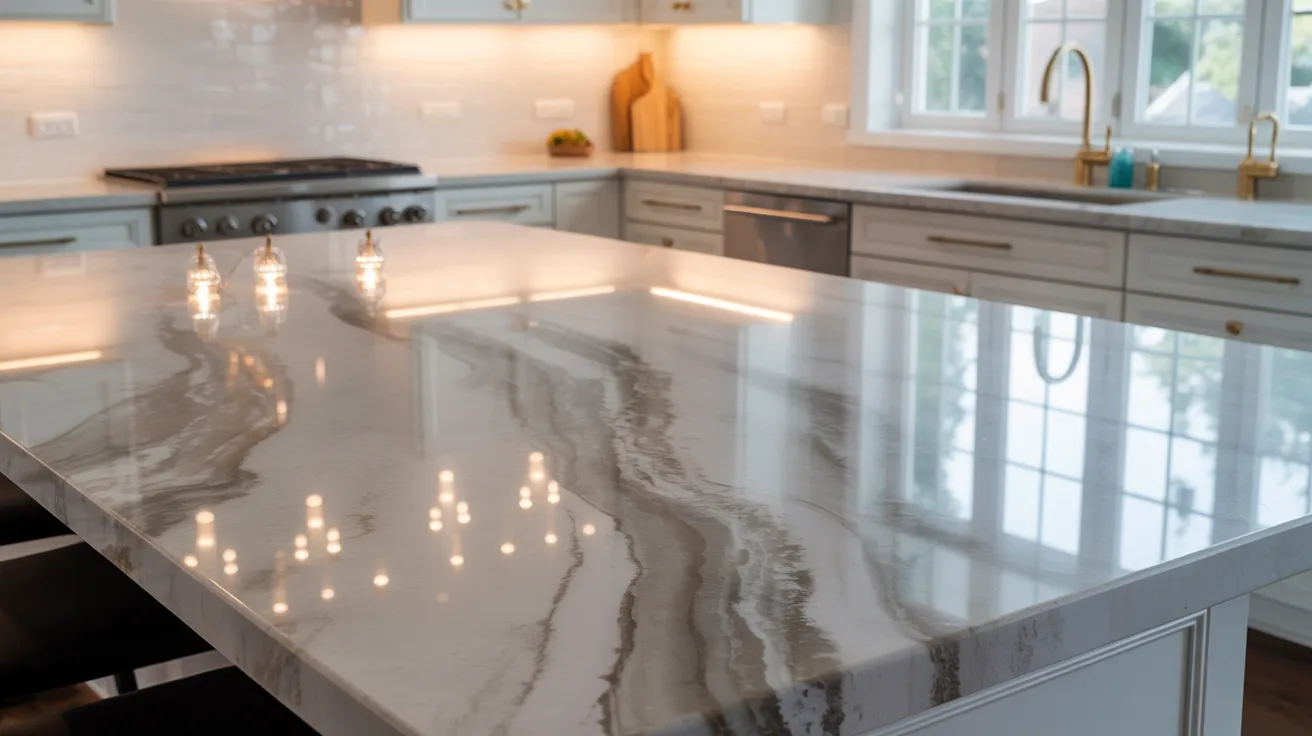
Quartzite countertops offer the look of natural stone with excellent durability. The material often features dramatic natural patterns that bring movement to the kitchen. Installing quartzite counters generally costs between $10,000 and $25,000, depending on slab quality and kitchen size.
Many homeowners choose quartzite because it is harder than marble and more resistant to heat and scratches. This makes it practical for busy kitchens while still looking refined.
To incorporate quartzite, use it for the main countertop surfaces or the island. Pair it with simple cabinets so the stone pattern becomes the highlight of the space.
9. Rich Natural Wood Accents
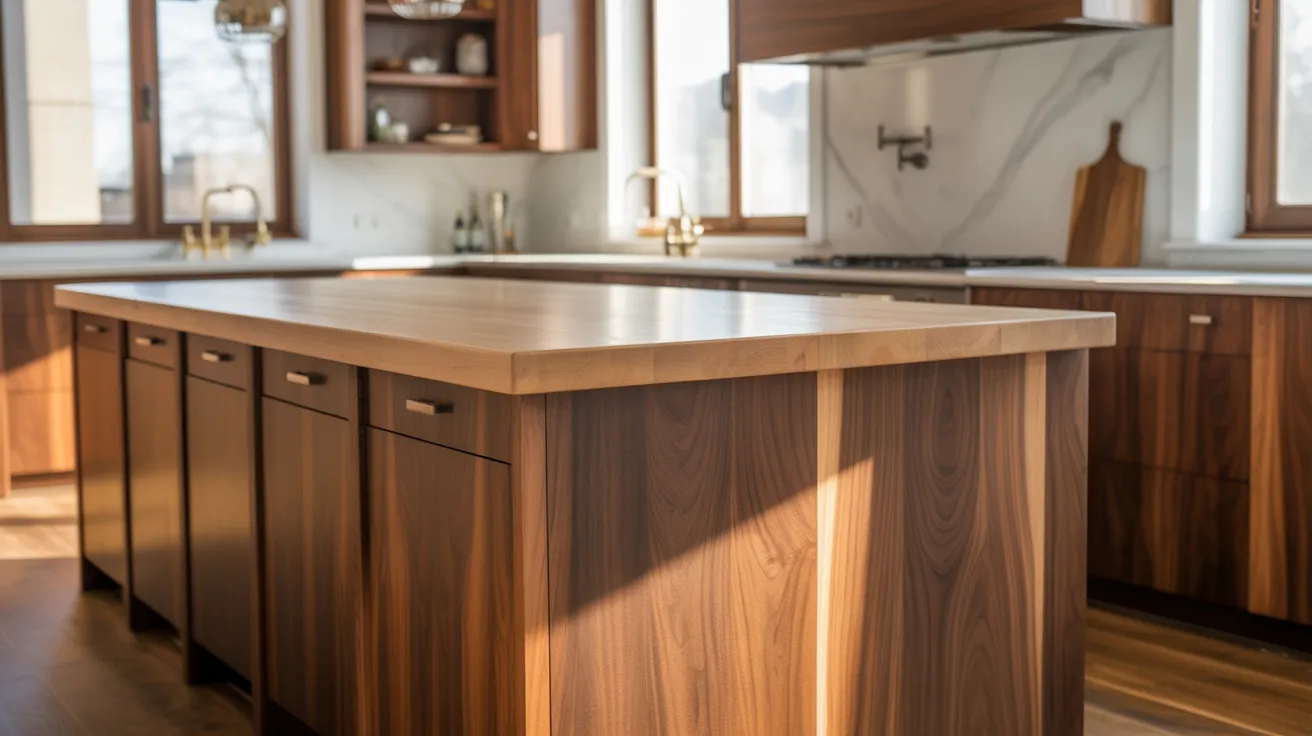
Wood accents introduce warmth and contrast into kitchens that use stone, paint, or metal finishes. Natural materials help soften modern kitchens and make them feel more comfortable. Adding these details typically costs around $5,000 to $20,000, depending on the amount of wood used.
Walnut islands, oak ceiling beams, and wood drawer interiors are common choices. These features create subtle texture and visual interest without overwhelming the design.
To incorporate this idea, add a wood island, open shelving, or ceiling beams. Choose wood tones that complement the cabinets and flooring.
10. Metallic Accents
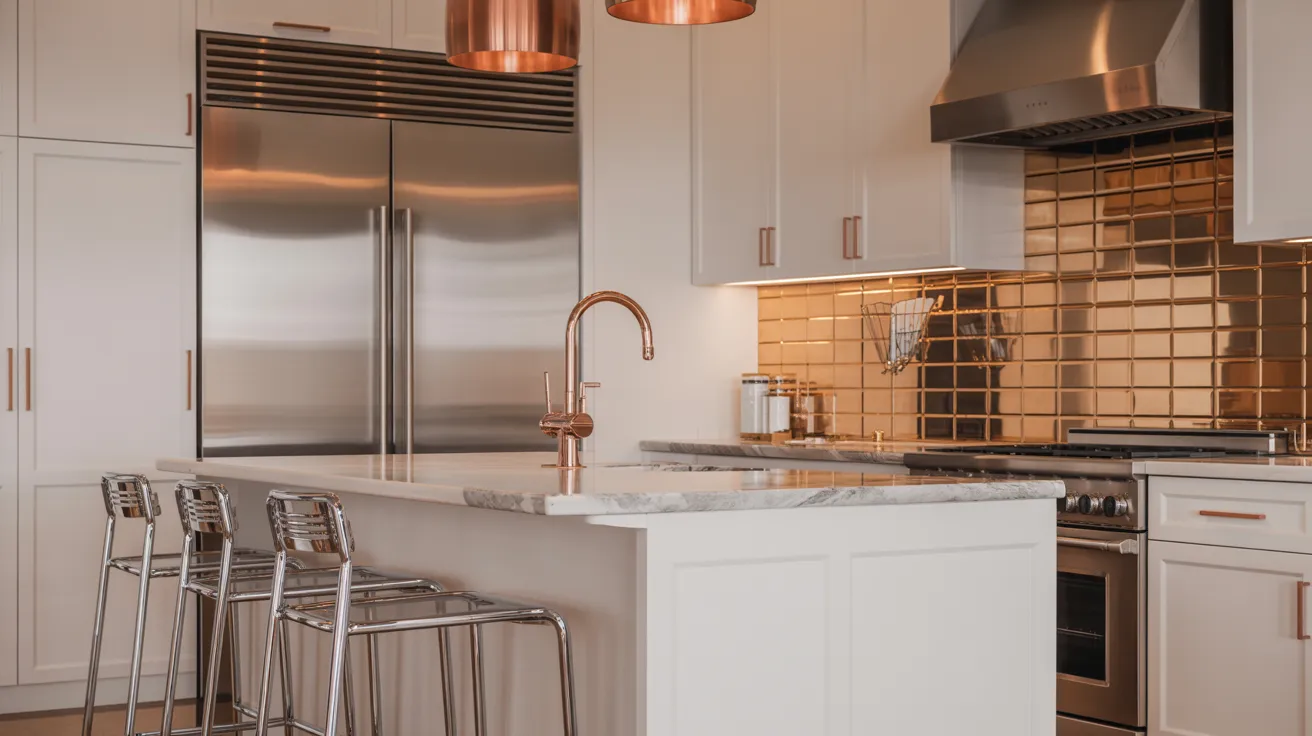
Metallic accents add shine and small details that make a kitchen feel more refined. Hardware, faucets, and lighting fixtures often introduce finishes like brass, gold, or brushed nickel.
Updating these features usually costs between $500 and $5,000, depending on the number of items replaced.
The reflective surfaces help balance matte cabinetry and stone countertops. Even small metallic touches can elevate the overall design.
To incorporate this idea, install brass cabinet handles, gold faucets, or metallic pendant lights. Keeping the metal finish consistent throughout the kitchen creates a cohesive look.
11. Oversized Kitchen Island
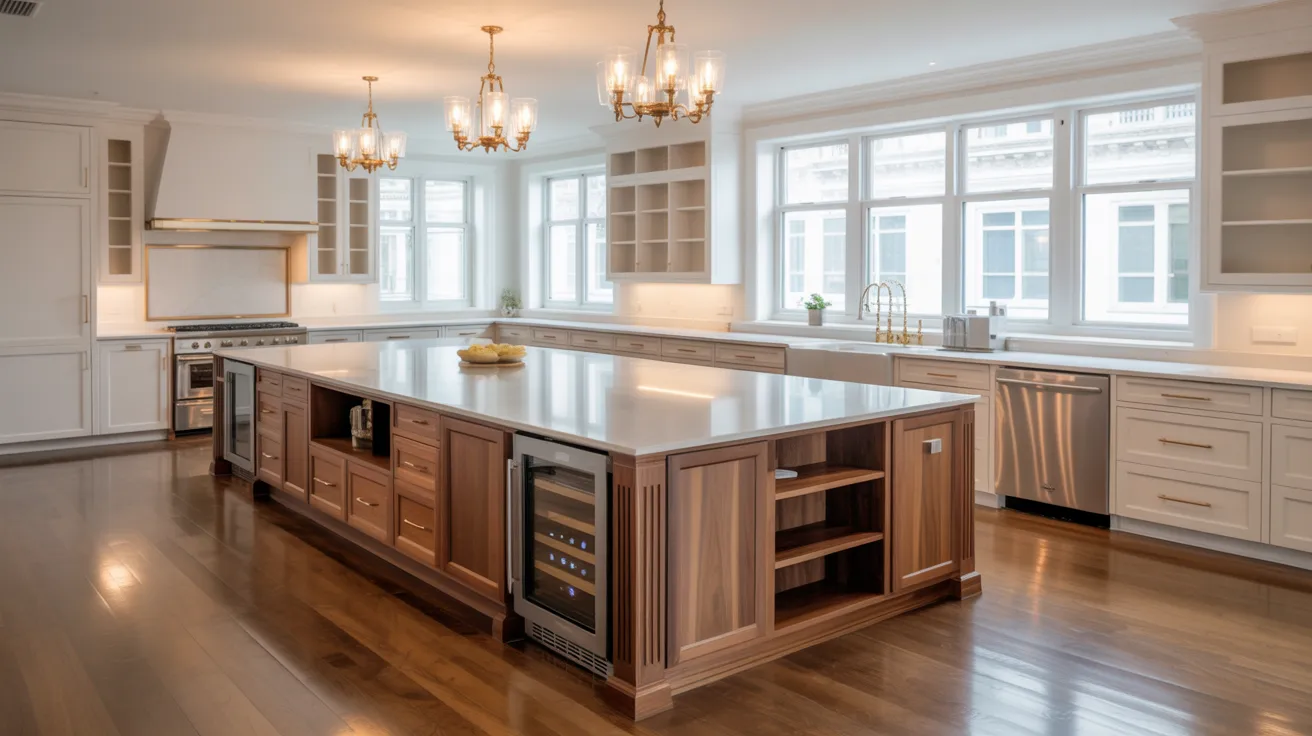
An oversized kitchen island becomes the central gathering spot in the kitchen. It provides space for cooking, seating, and storage all in one large surface. Installing a large island like this usually costs between $10,000 and $25,000, depending on materials and built-in features.
The extra size allows room for seating, prep areas, and sometimes even appliances. Many homeowners use oversized islands for casual meals or entertaining guests while cooking.
To incorporate this idea, design an island with seating for four to six people. Add cabinets, drawers, and possibly a prep sink or cooktop to make the island highly functional.
12. Double Kitchen Islands
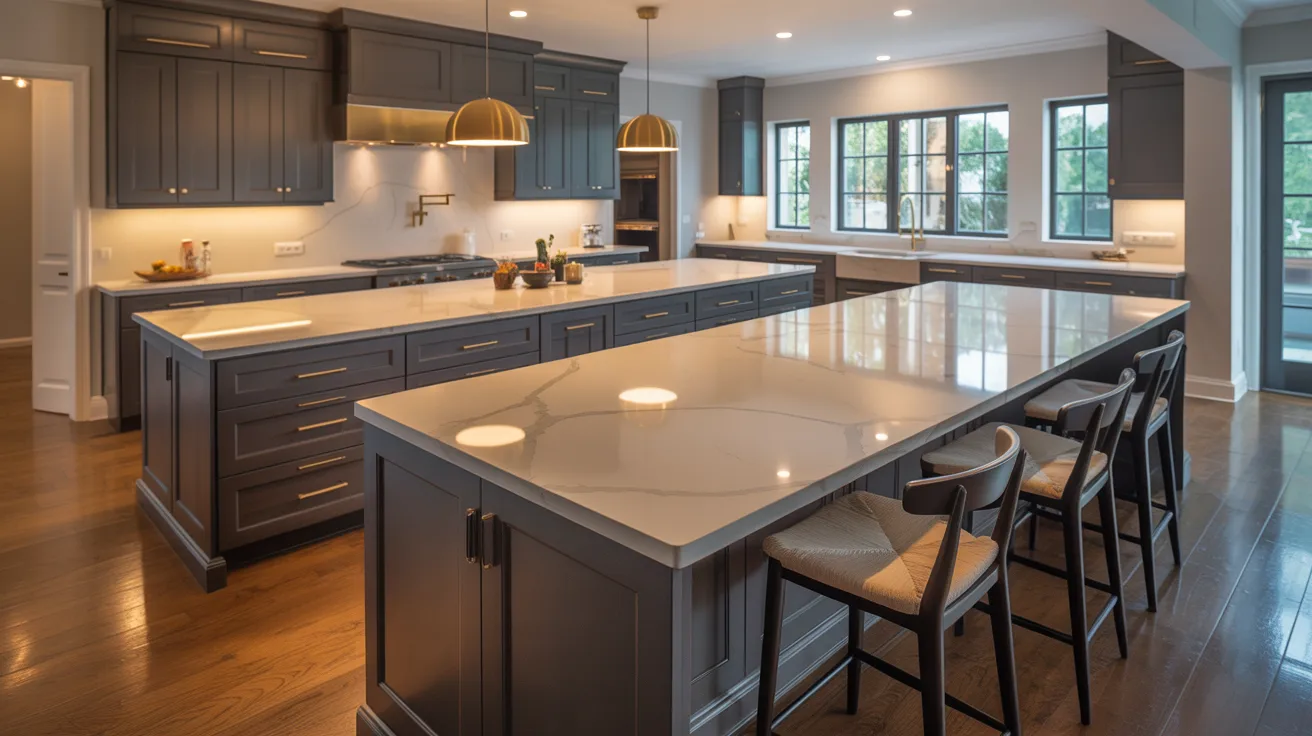
Double islands create two separate work zones within a large kitchen. One island often handles food preparation while the other serves as a dining or serving space. Creating this layout typically costs between $20,000 and $40,000, depending on the island size and materials.
This layout improves workflow during cooking and entertaining. It also gives the kitchen a strong visual presence, especially in large open spaces.
To incorporate this idea, place two islands parallel to each other with enough space to move comfortably between them. One can include a sink or cooktop, while the other provides seating.
13. Open Concept Kitchen Remodel
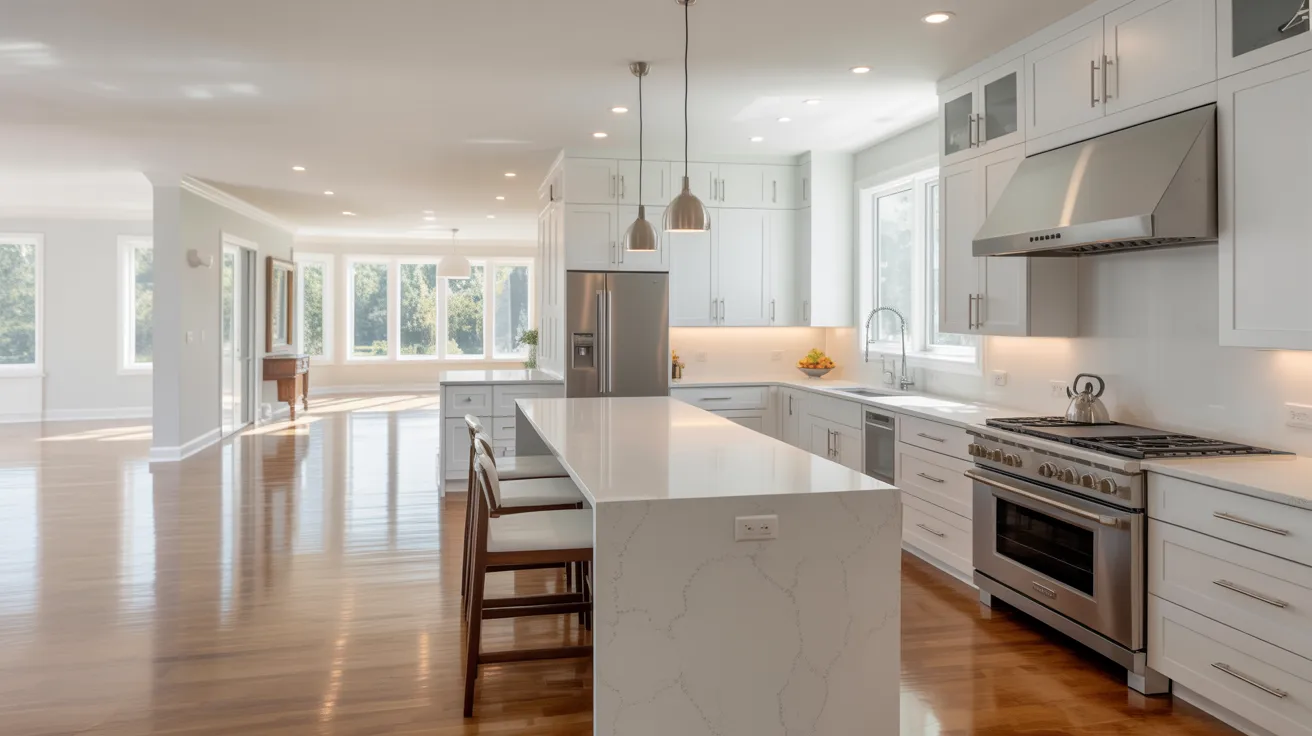
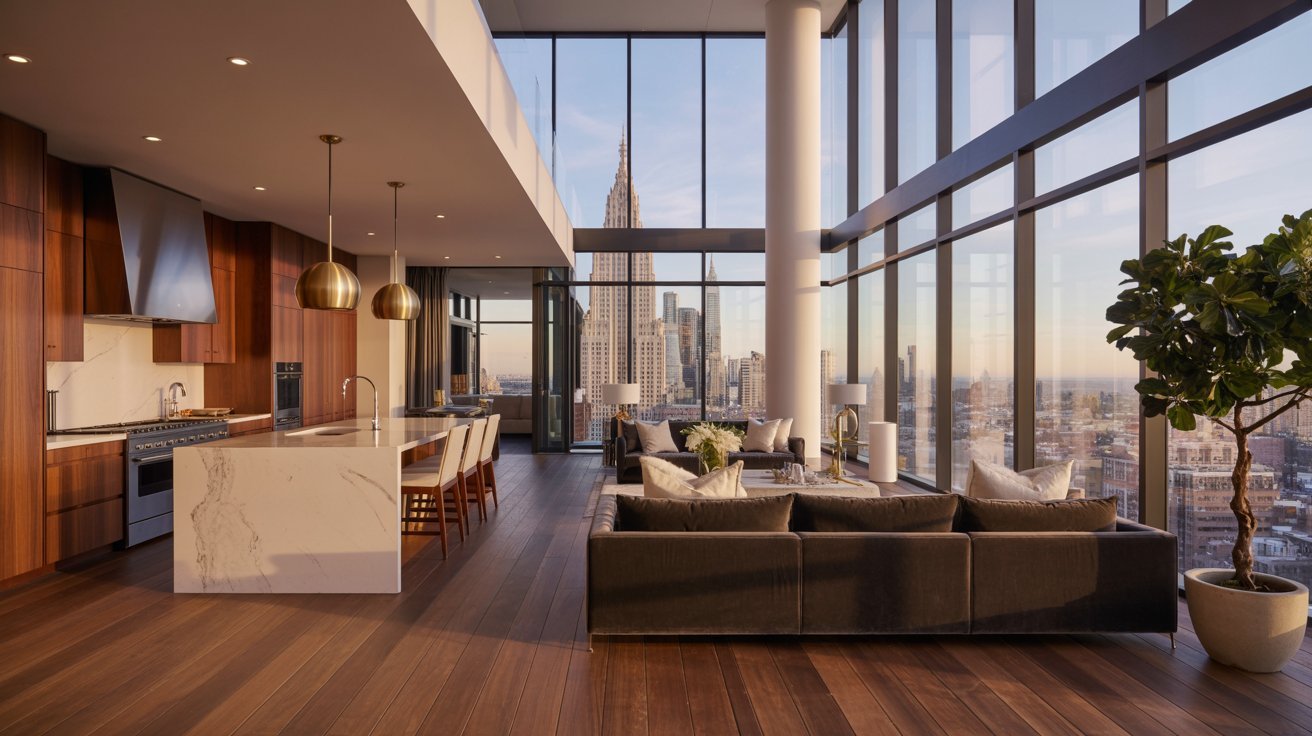
An open concept kitchen connects the kitchen with nearby living and dining areas. Removing walls creates a more spacious environment where cooking and socializing happen in the same area.
Remodeling a kitchen into an open layout usually costs around $15,000 to $50,000, depending on structural changes.
The design allows natural light to travel throughout the home and improves communication when hosting guests or spending time with family.
To incorporate this idea, remove non-structural walls and continue the same flooring into adjacent rooms. Use an island or peninsula to visually separate the kitchen area.
14. Dedicated Prep Kitchen (Back Kitchen)
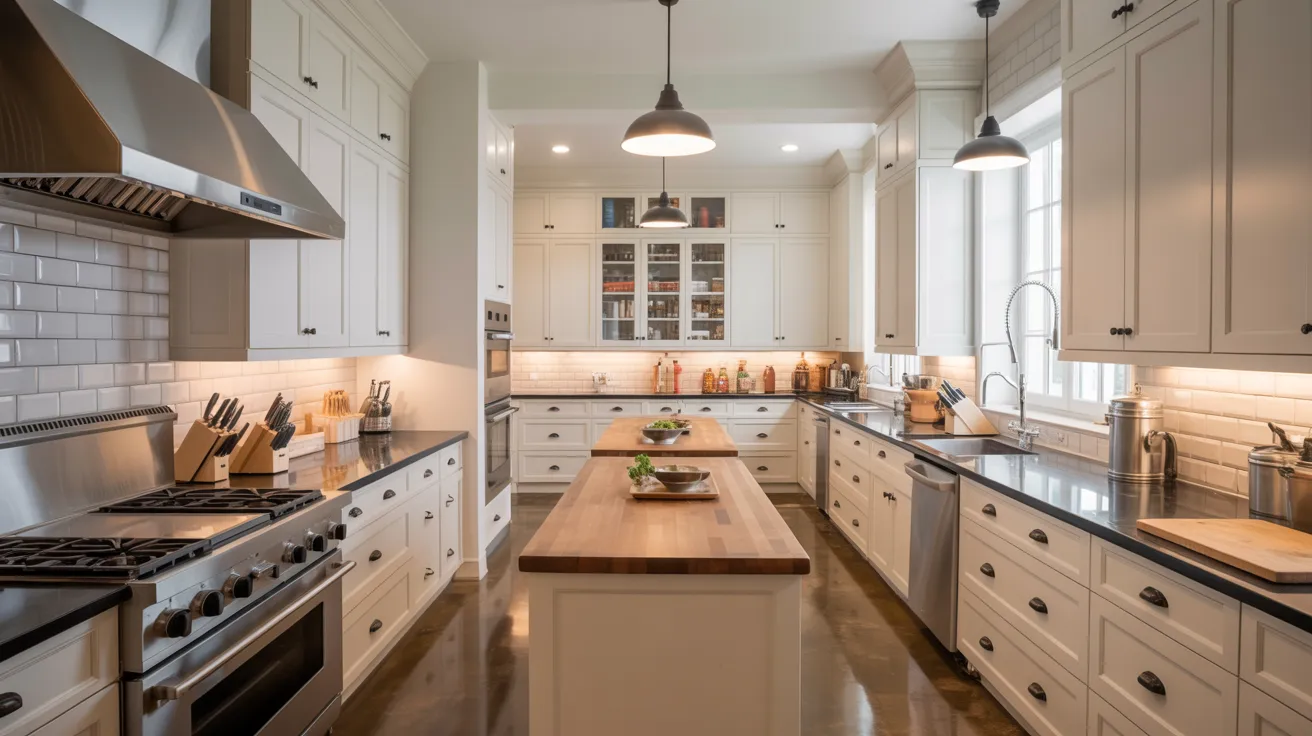
A prep kitchen sits behind or beside the main kitchen and handles tasks that create mess. This allows the primary kitchen to remain clean and organized during gatherings.
Building a small prep kitchen usually costs between $8,000 and $25,000, depending on appliances and cabinetry.
The extra space often includes additional counters, storage, and sometimes a second sink or dishwasher. It helps keep food preparation separate from entertaining areas.
To incorporate this idea, convert a pantry or nearby room into a small secondary kitchen. Add counter space, shelves, and a sink for preparation tasks.
15. Butler’s Pantry
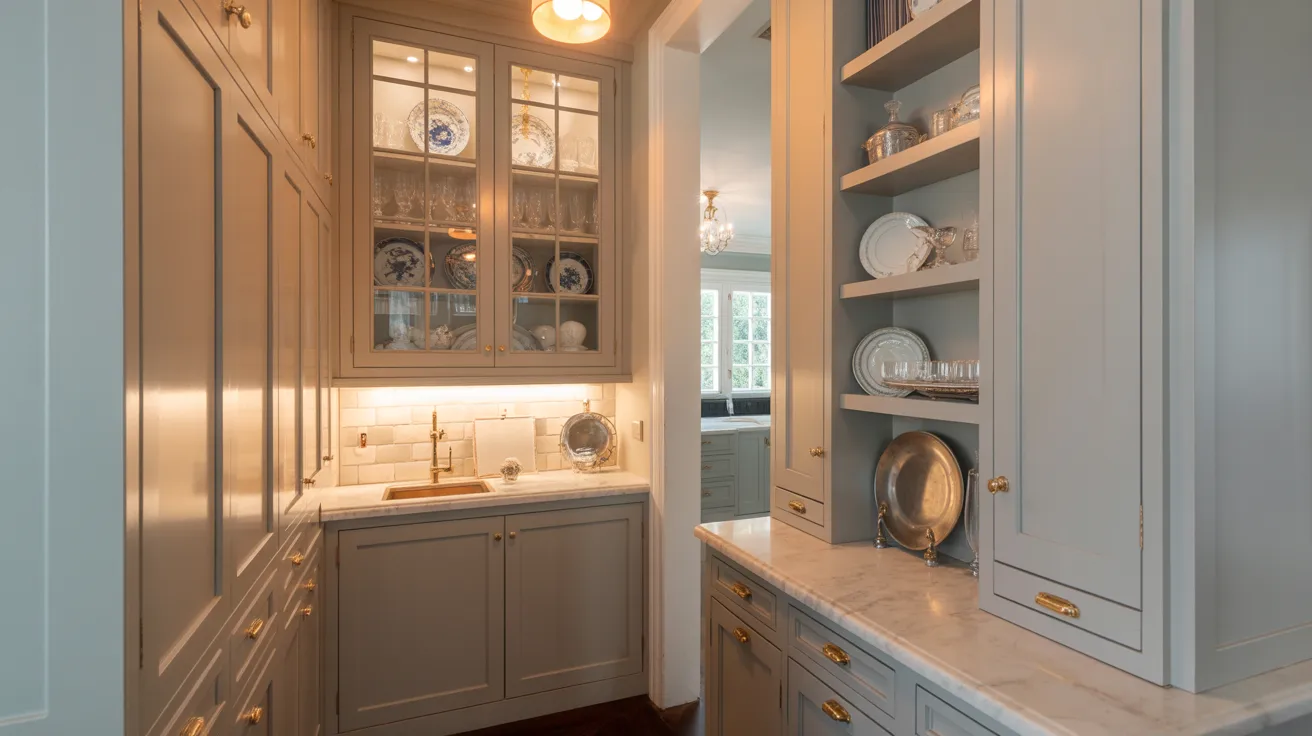
A butler’s pantry provides additional storage and serving space between the kitchen and dining area. This space is especially useful when hosting guests because it keeps serving items organized. Installing a butler’s pantry generally costs between $5,000 and $15,000, depending on size and features.
The area often includes cabinets, counters, and small appliances. Some homeowners add beverage refrigerators or coffee stations for convenience.
To incorporate this idea, dedicate a small hallway or room between the kitchen and dining area. Install shelves, cabinets, and a counter for food preparation and serving.
16. Built-In Panel-Ready Appliances
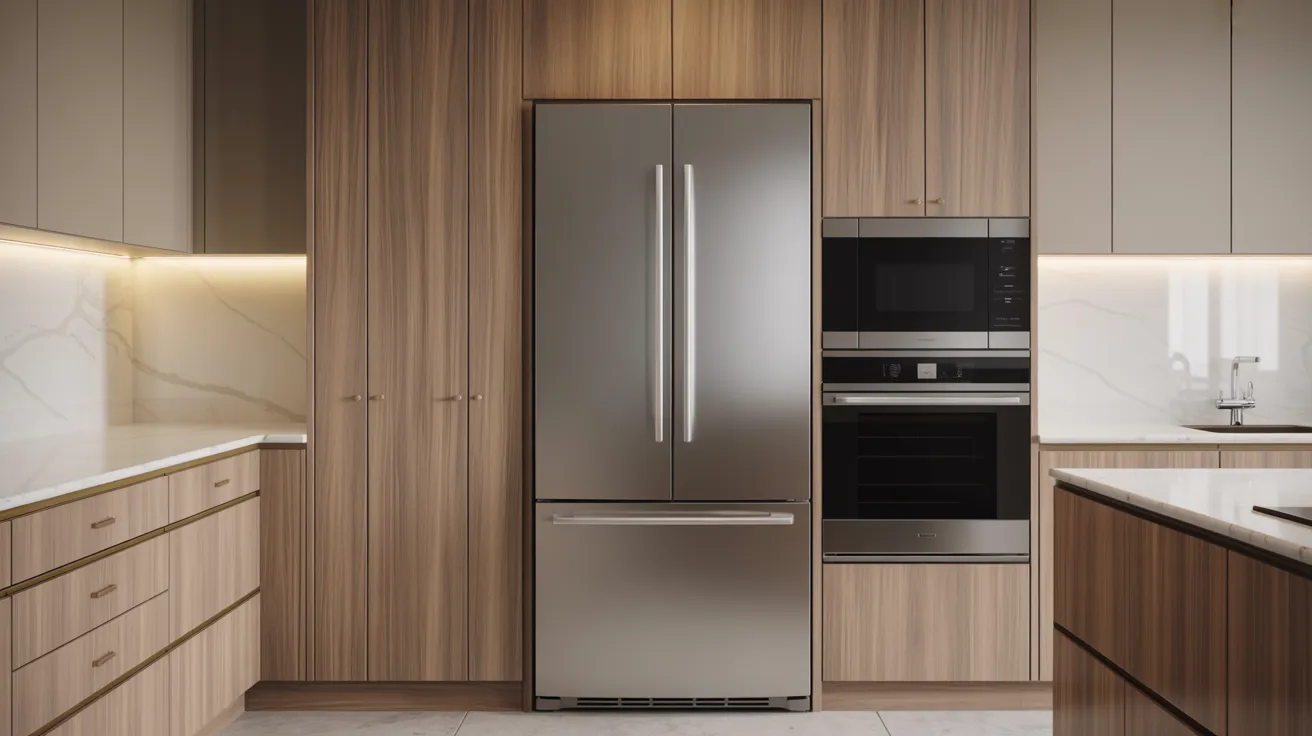
Panel-ready appliances blend seamlessly with cabinetry so the kitchen looks clean and unified. Refrigerators and dishwashers are covered with cabinet panels that match the surrounding design.
Installing these appliances typically costs between $5,000 and $20,000, depending on the brand and number of units.
This design works well in kitchens where homeowners want appliances to remain visually subtle. The cabinetry becomes the main focus rather than stainless steel appliances.
To incorporate this idea, choose appliances designed for custom panels and match the panels with your cabinet doors. This keeps the kitchen layout cohesive.
17. Professional-Grade Range
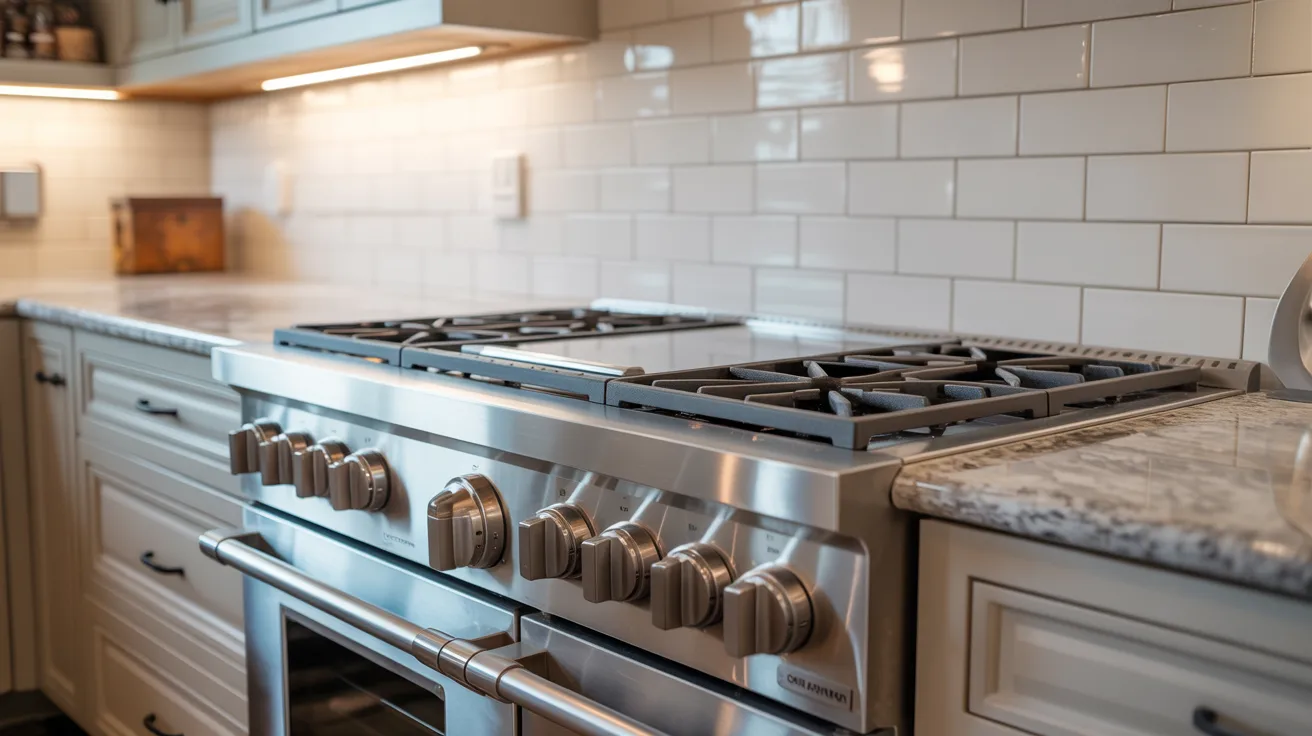
A professional range brings restaurant-level cooking power into the home kitchen. These ranges often include larger ovens, stronger burners, and durable materials. Installing a professional style range usually costs between $7,000 and $15,000, depending on the brand and features.
Many homeowners choose this option when they cook frequently or want a strong focal point in the kitchen. The larger size also supports cooking multiple dishes at once.
To incorporate this idea, install the range beneath a strong ventilation hood and leave enough counter space nearby for prep work.
18. Integrated Wine Storage
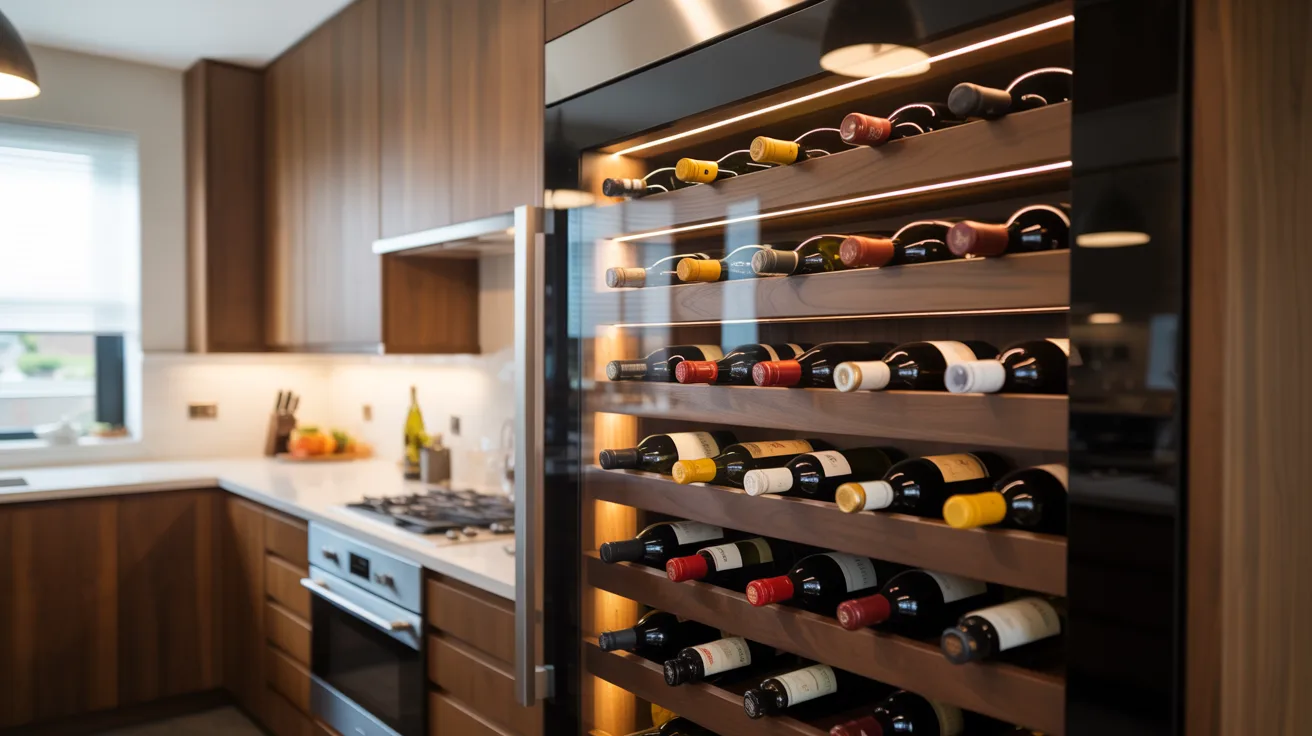
Integrated wine storage adds both function and style to a luxury kitchen. Wine refrigerators or glass display walls keep bottles organized and stored at the correct temperature. Creating a built-in wine storage area usually costs between $3,000 and $12,000, depending on size and design.
The storage can become a visual feature in the kitchen, especially when glass doors or lighting highlight the bottles.
To incorporate this idea, install a built-in wine fridge under the counter or create a vertical wine display cabinet near the dining area.
19. Pot Filler Faucet
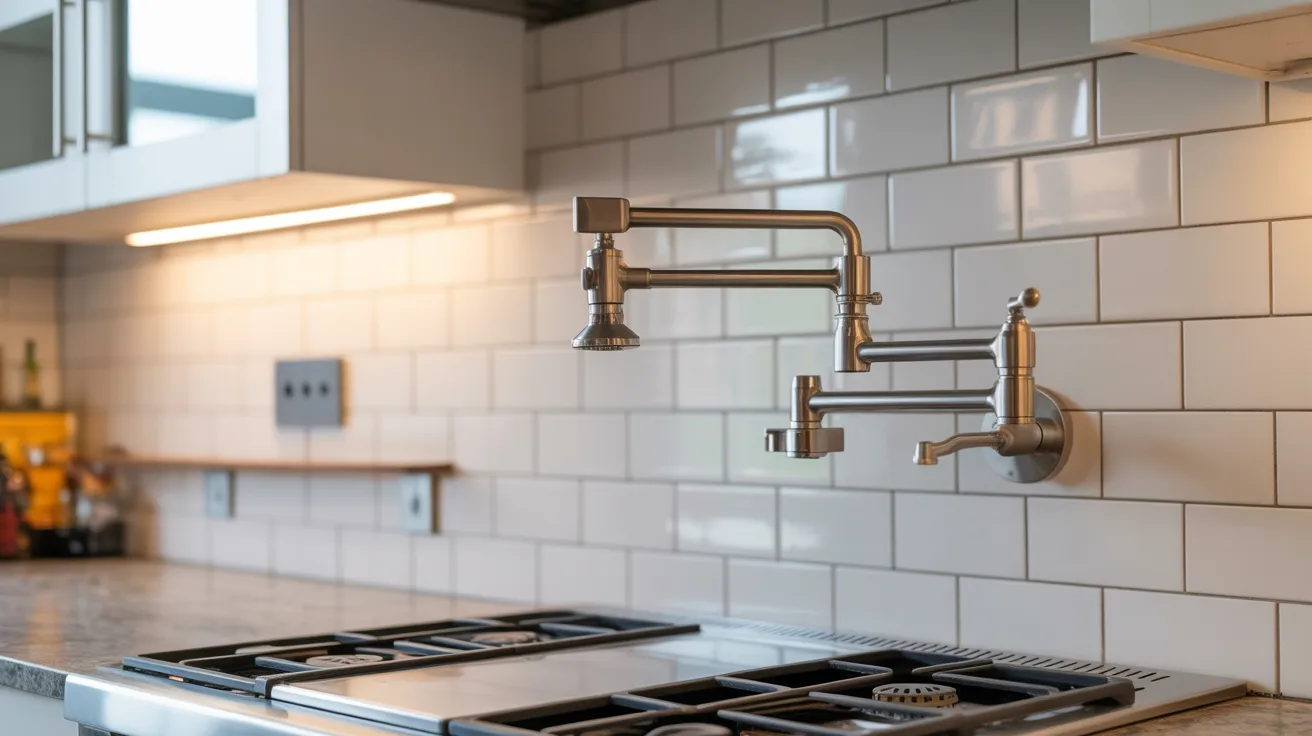
A pot filler faucet sits above the cooktop and allows you to fill large pots directly on the stove. This eliminates the need to carry heavy pots from the sink. Installing a pot filler usually costs between $500 and $1,500, including plumbing.
The feature is both practical and visually appealing because it adds a professional kitchen element.
To incorporate this idea, mount the pot filler on the backsplash behind the cooktop. Make sure the plumbing connection is planned during the remodel.
20. Appliance Garage
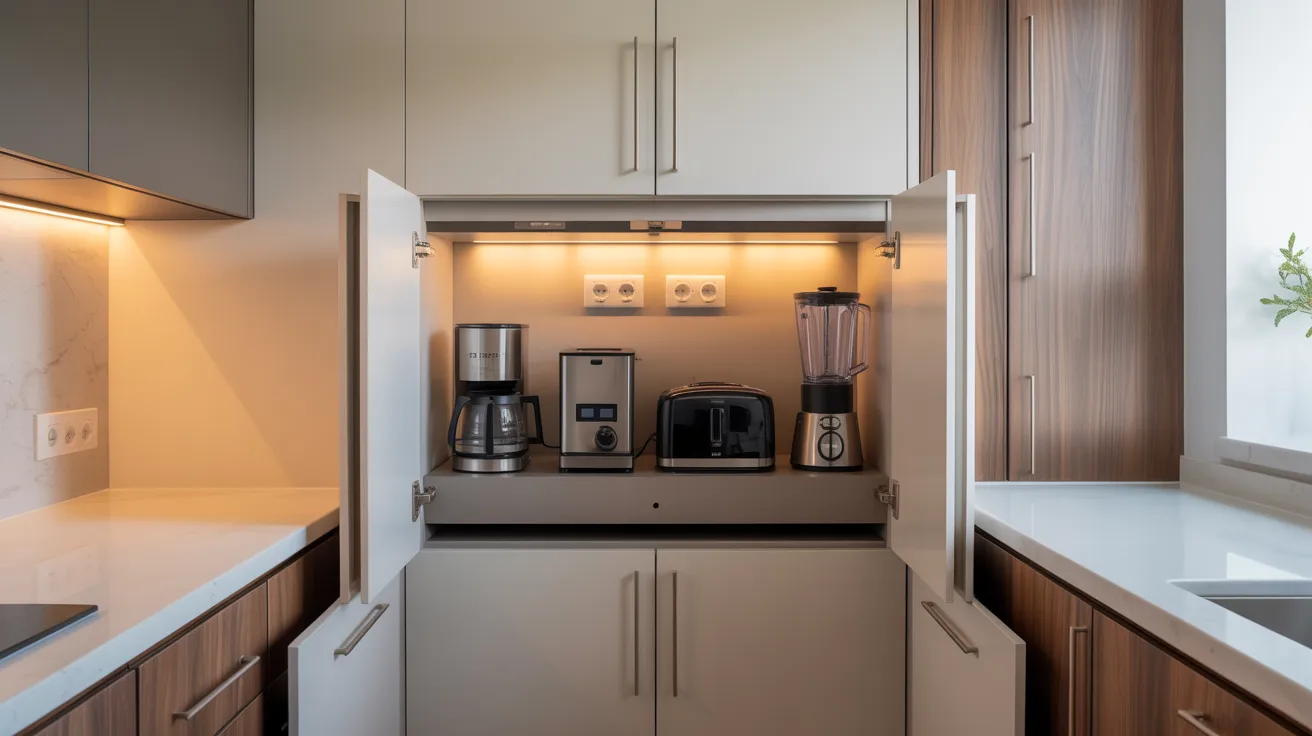
An appliance garage hides small kitchen appliances while keeping them easily accessible. Items like blenders, coffee makers, and toasters can remain plugged in but out of sight. Creating this storage area typically costs between $800 and $3,000, depending on cabinet design.
This feature helps keep countertops clean and organized. It also allows quick access to frequently used appliances.
To incorporate this idea, add a cabinet with a lift-up or sliding door above the countertop. Place outlets inside the cabinet so appliances remain ready to use.
21. Oversized Pendant Lights
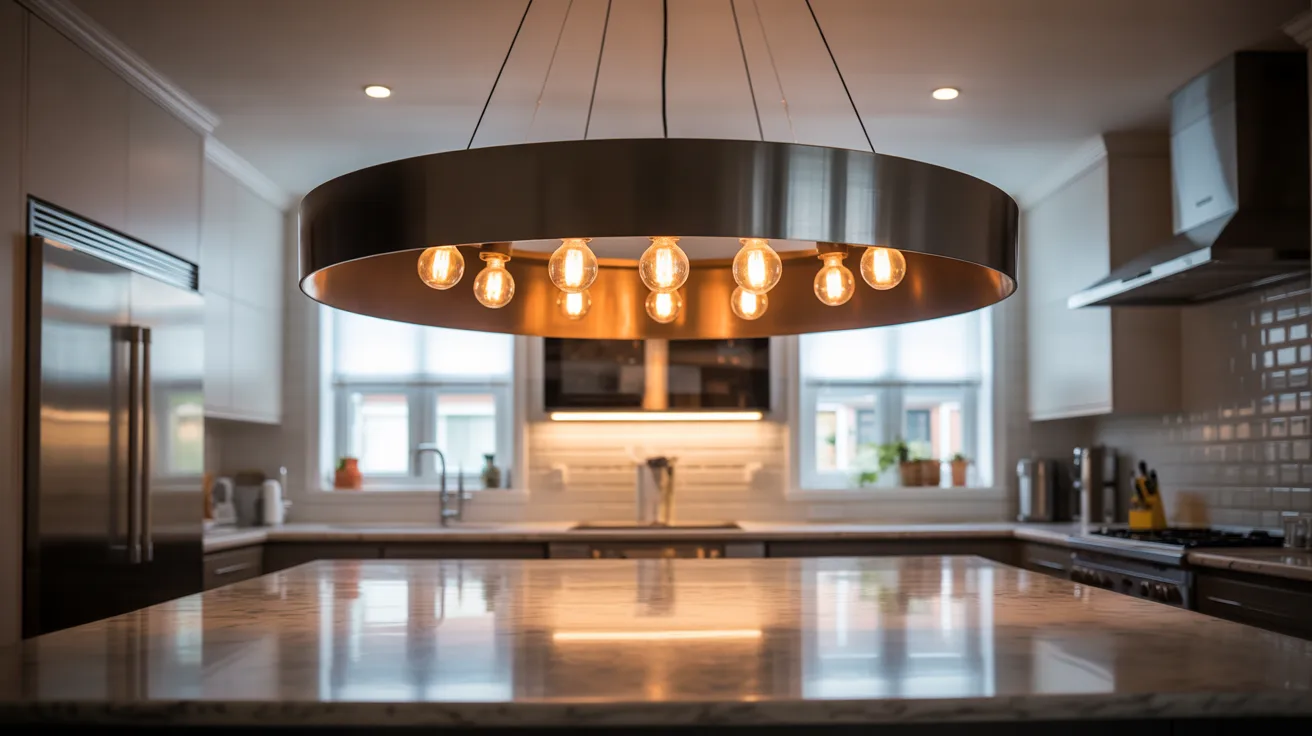
Oversized pendant lights add visual interest and task lighting above kitchen islands. Large fixtures help define the island area while brightening the workspace. Installing these lights usually costs between $500 and $2,000 per fixture, depending on materials and design.
The fixtures often become decorative elements that complement the kitchen style. Metal finishes or glass shades work well in modern kitchens.
To incorporate this idea, hang two or three pendants evenly above the island. Make sure they are positioned at a comfortable height for both lighting and visibility.
22. Backlit Backsplash
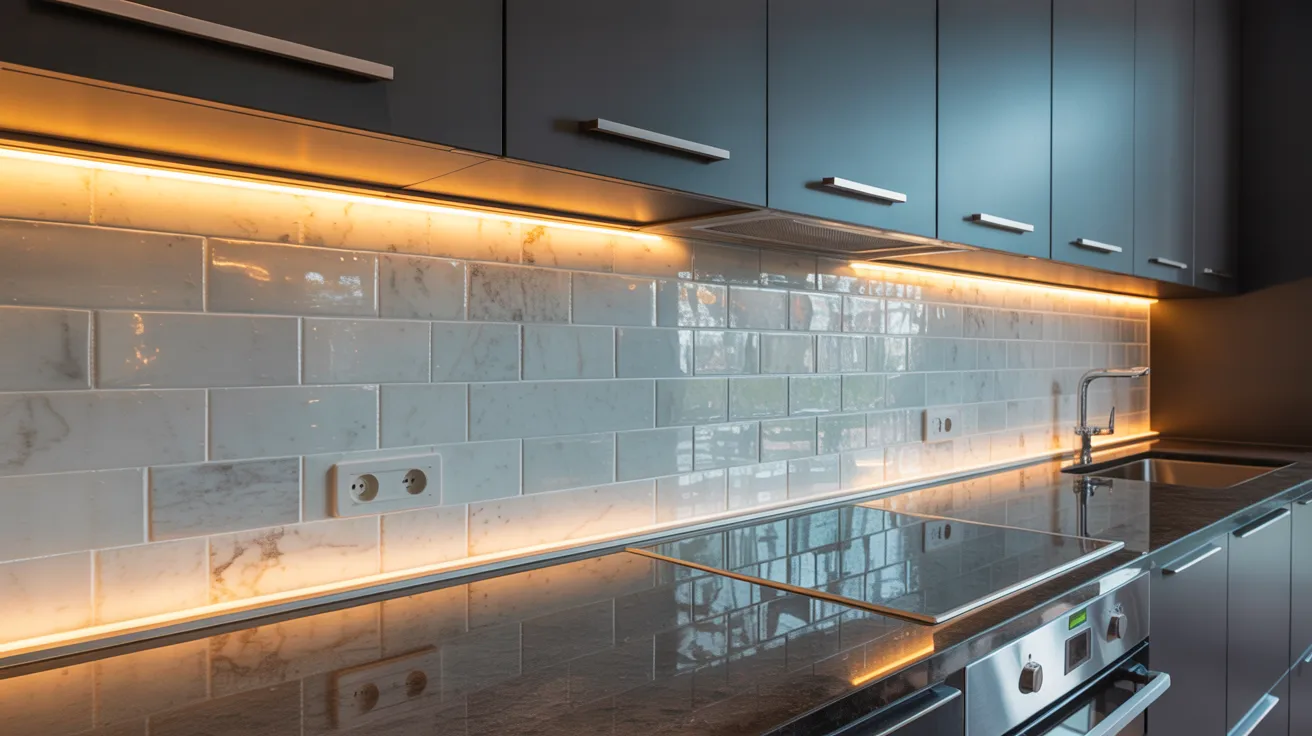
A backlit backsplash uses LED lighting behind a stone slab or glass panel to create a soft glow. This lighting effect highlights the texture and patterns of the backsplash material. Installing a backlit backsplash usually costs between $300 and $1,200, depending on the lighting setup.
The gentle illumination adds depth to the kitchen and works well during evening hours when softer lighting is preferred.
To incorporate this idea, install LED strips behind a translucent stone or glass backsplash panel. Connect the lights to a dimmer for adjustable brightness.
23. Under-Cabinet LED Lighting
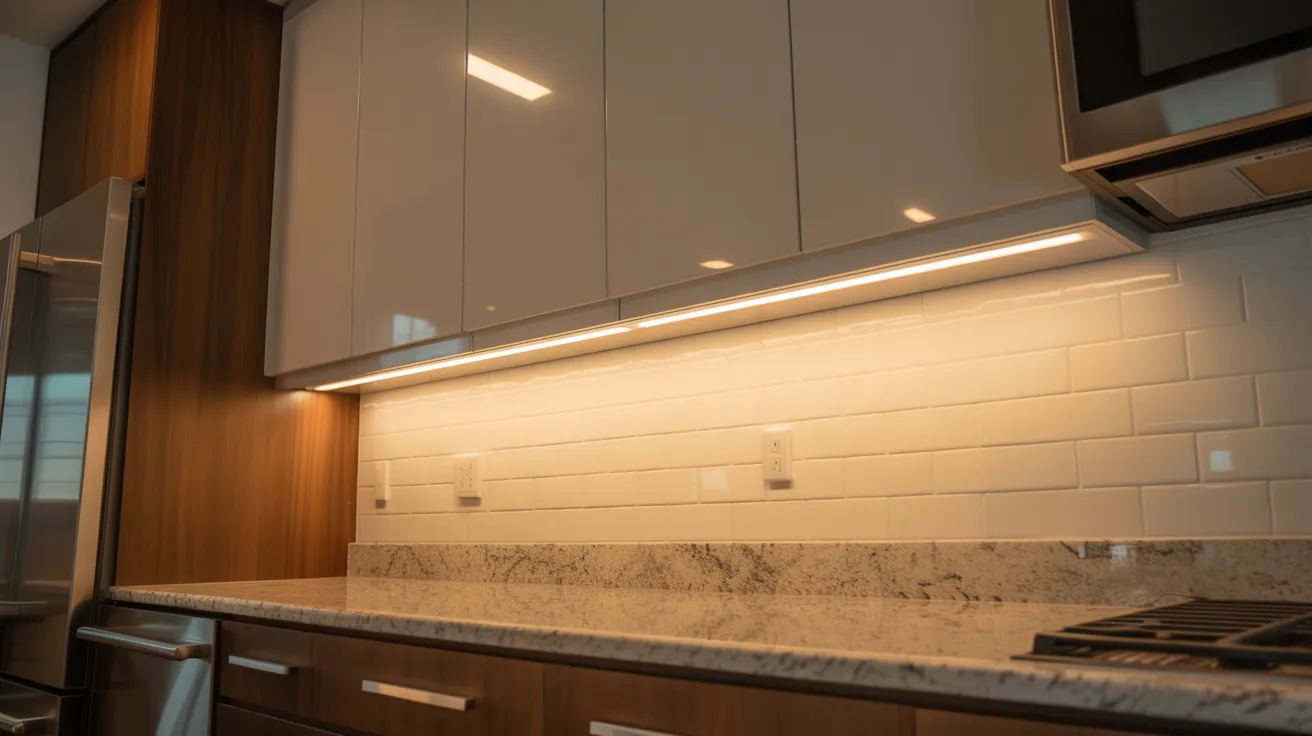
Under-cabinet lighting provides practical task lighting for cooking and food preparation. LED strips placed beneath upper cabinets brighten the countertop area without adding visible fixtures. Installing this lighting typically costs between $200 and $800, depending on the kitchen size.
The lights also add a soft, layered glow that improves the overall atmosphere of the kitchen.
To incorporate this idea, install LED strips beneath upper cabinets and connect them to a switch or dimmer. Choose warm white lighting for a comfortable look.
24. Statement Chandelier
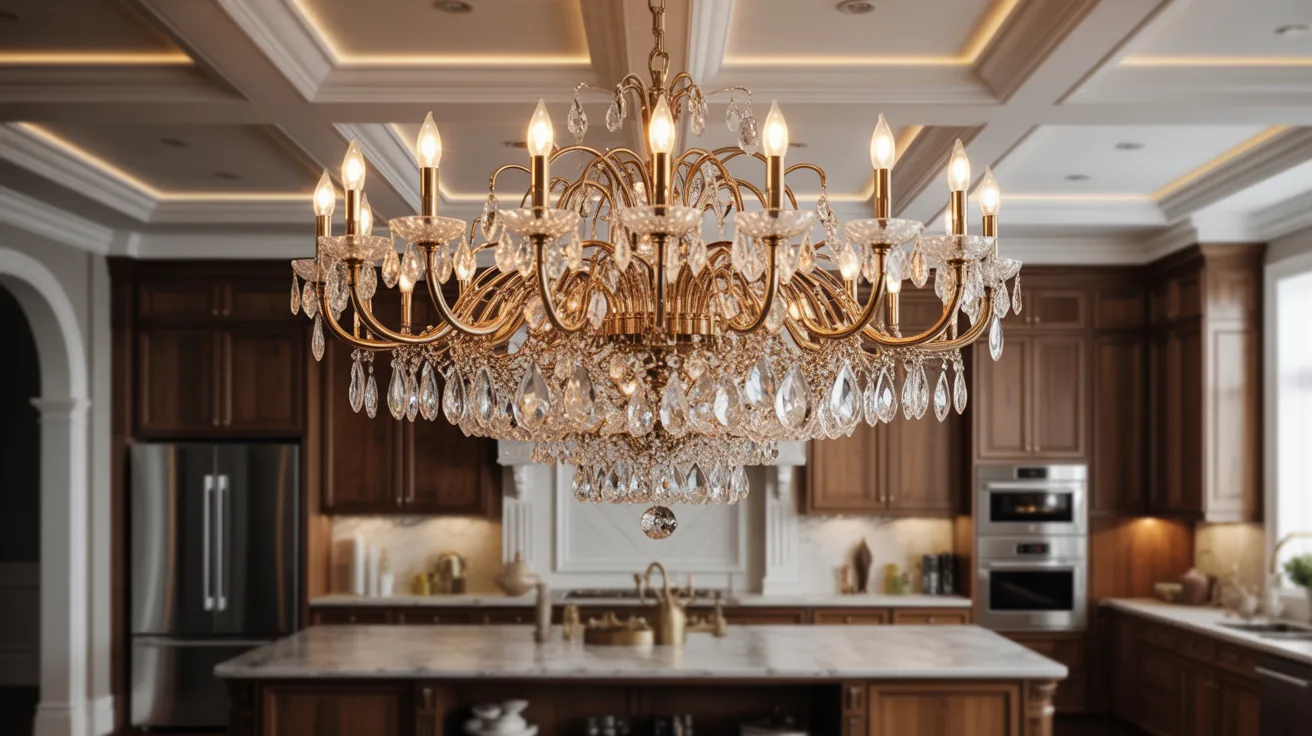
A statement chandelier adds elegance to the dining area or breakfast space within a kitchen. The fixture can act as a decorative centerpiece while providing soft overhead lighting. Installing a chandelier usually costs between $800 and $4,000, depending on the design.
Crystal chandeliers add a classic touch, while modern sculptural designs suit contemporary kitchens.
To incorporate this idea, hang the chandelier above a dining nook or breakfast table. Ensure the size fits the space so it becomes a focal point without overwhelming the room.
25. Hidden Outlets
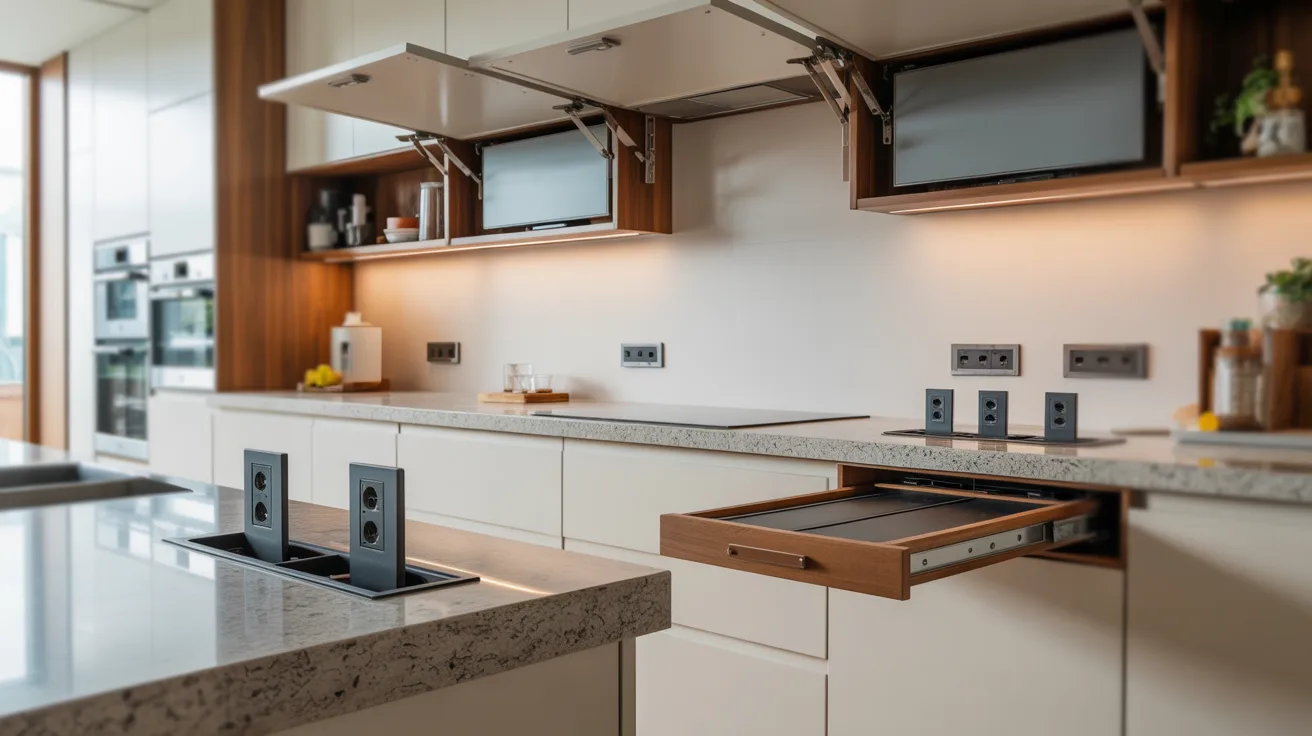
Hidden outlets help keep kitchen countertops looking clean and uncluttered. Pop-up outlets or outlets installed beneath cabinets allow appliances to be used without visible cords. Installing these outlets typically costs between $200 and $800.
This feature is particularly useful for islands where standard wall outlets are not practical.
To incorporate this idea, install pop-up outlets in the island or place outlets beneath upper cabinets. This keeps them accessible but out of sight.
26. Touchless Faucets
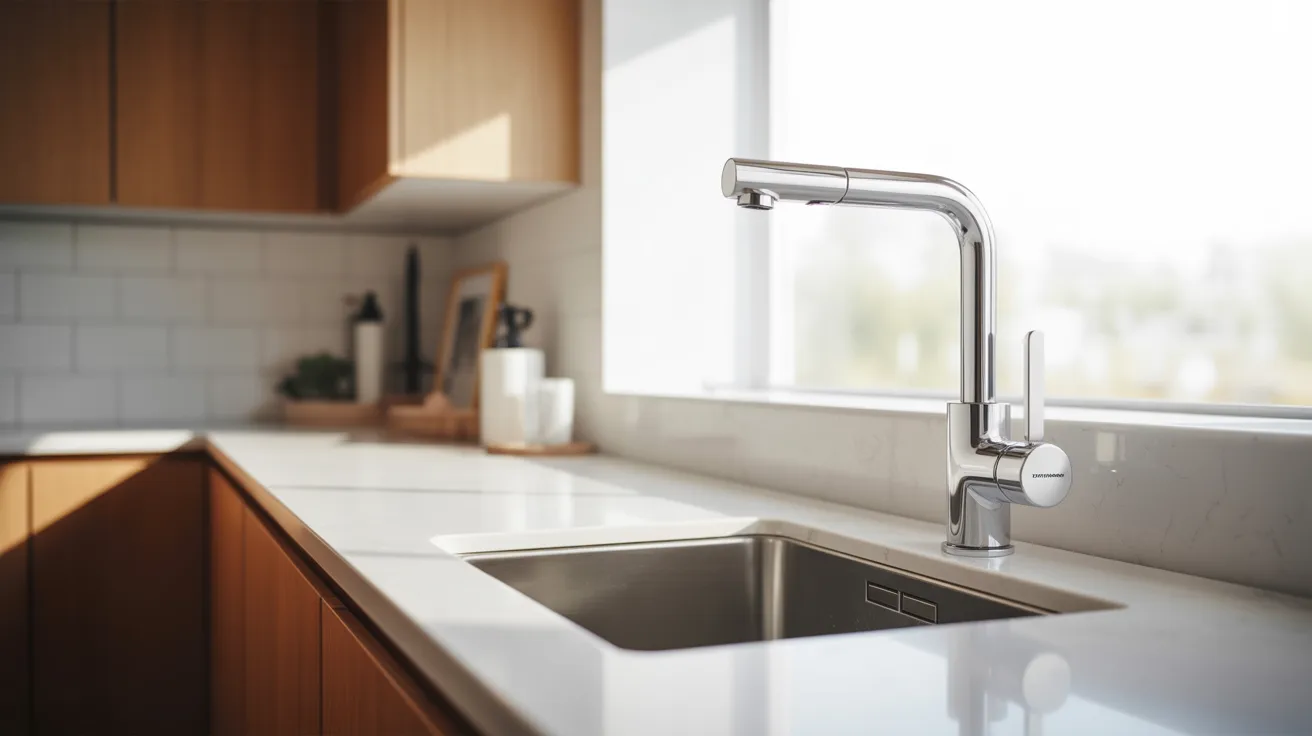
Touchless faucets allow water to flow with a simple hand motion. Motion sensors activate the faucet without needing to touch the handle. Installing this feature usually costs between $400 and $1,200, depending on the model.
The technology helps keep the kitchen more hygienic when handling food. It also adds convenience when hands are full.
To incorporate this idea, replace the standard sink faucet with a motion sensor model. Make sure the sink area has access to power for the sensor system.
27. Smart Home Integration
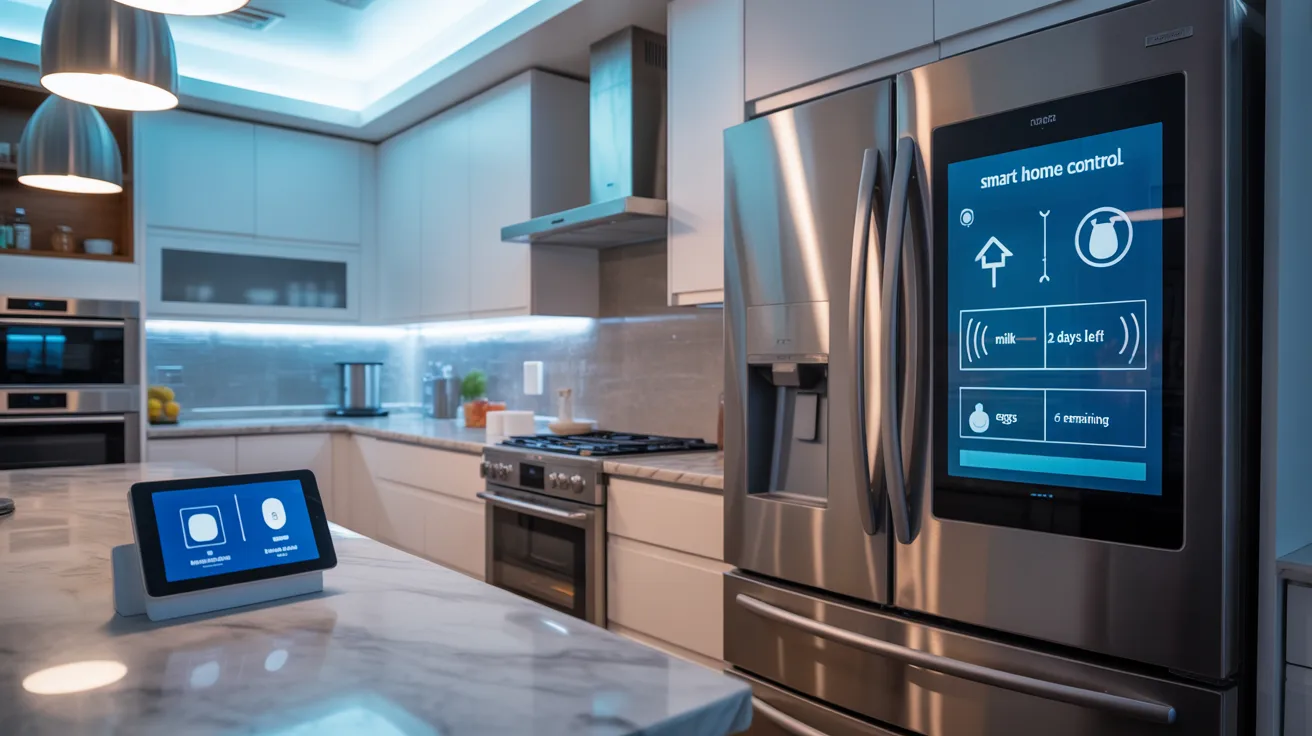
Smart kitchen technology allows homeowners to control lighting, appliances, and temperature through voice commands or smartphone apps. Setting up these features usually costs between $1,500 and $5,000, depending on the number of devices.
Smart systems can automate lighting schedules, monitor appliances, and improve overall convenience in the kitchen.
To incorporate this idea, install smart switches, connected appliances, and voice assistant controls that integrate with your home system.
28. Heated Floors
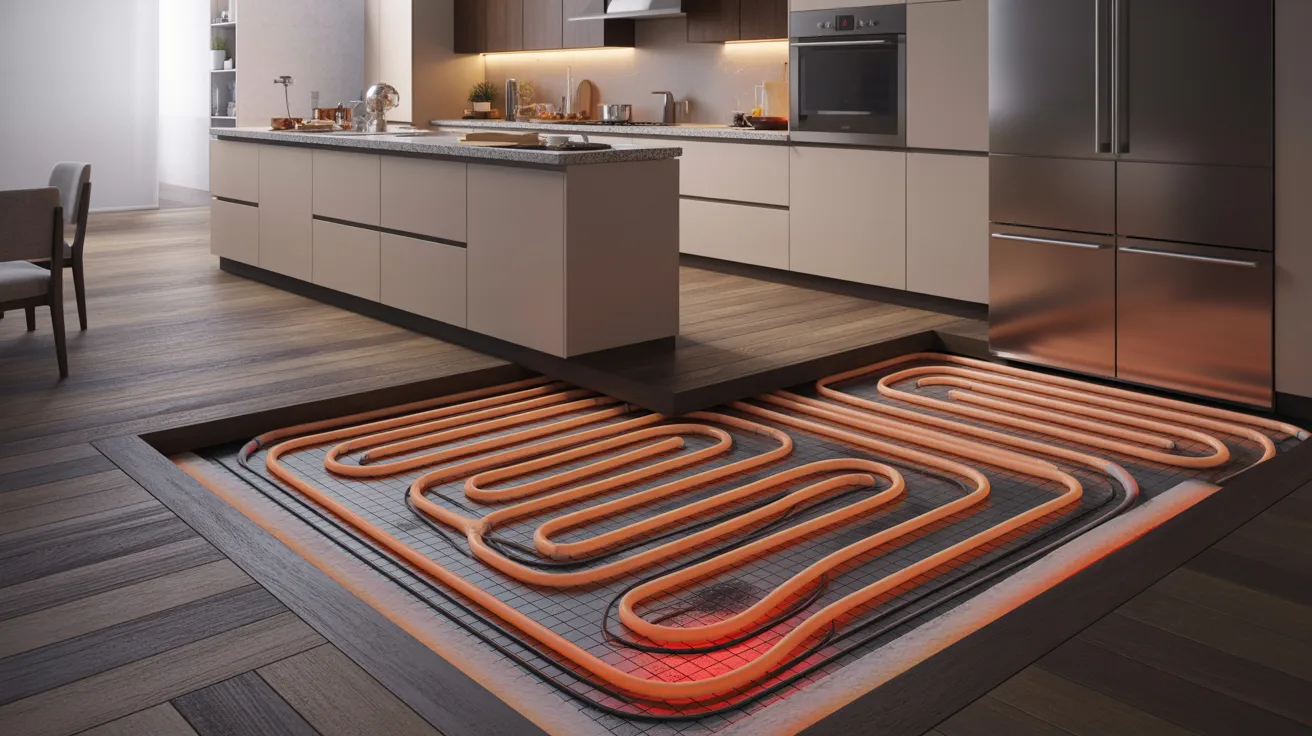
Heated floors add comfort to kitchens, especially during colder seasons. Radiant heating systems installed beneath the flooring warm the space evenly. Installing heated floors usually costs between $3,000 and $10,000, depending on kitchen size and flooring material.
The gentle heat removes the chill from tile or stone floors. Many homeowners appreciate this feature during early mornings or winter months.
To incorporate this idea, install radiant heating beneath tile or stone flooring during the remodel process. Connect the system to a thermostat for easy control.
29. Dark Cabinetry
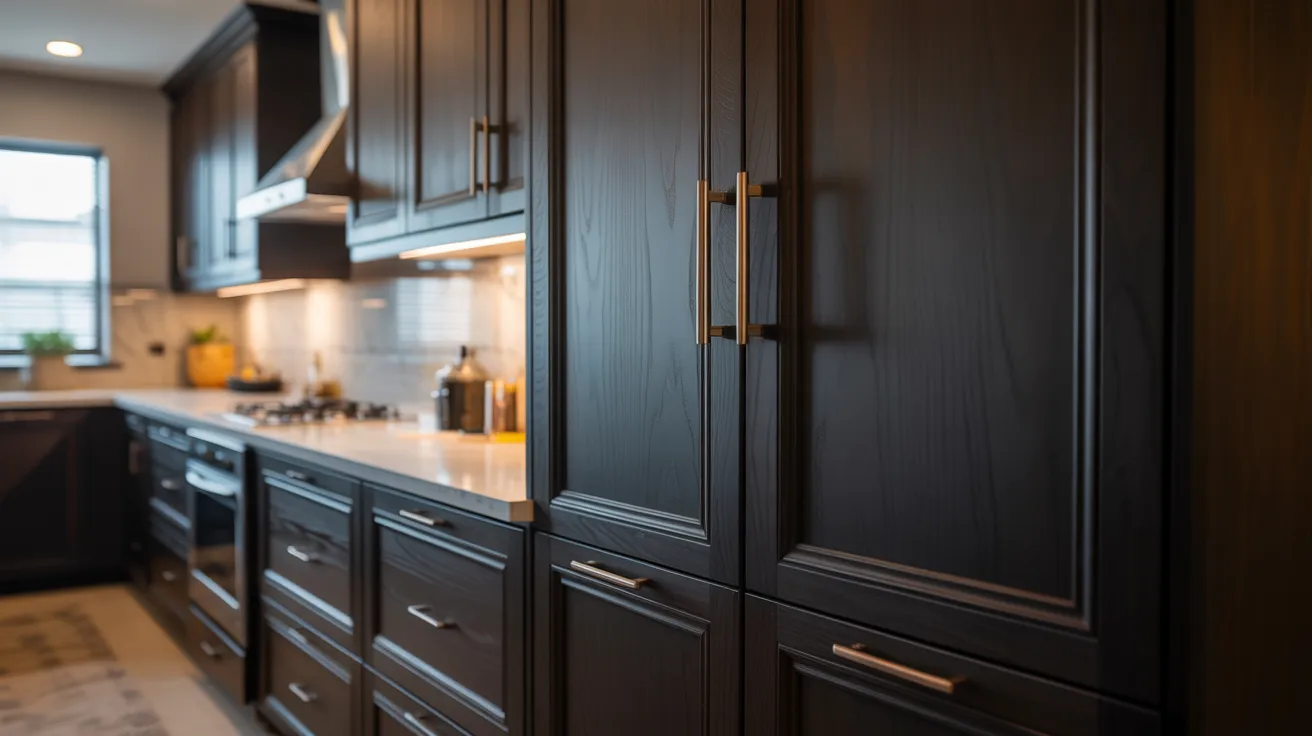
Dark cabinets create a dramatic and refined kitchen atmosphere. Deep tones like navy, charcoal, or matte black add strong contrast against countertops and walls. Installing dark cabinetry generally costs between $10,000 and $25,000, depending on materials.
These colors can make a kitchen feel bold while remaining timeless when paired with light surfaces.
To incorporate this idea, use dark cabinets with lighter countertops and backsplashes. Good lighting helps prevent the space from feeling too heavy.
30. High Gloss Finishes
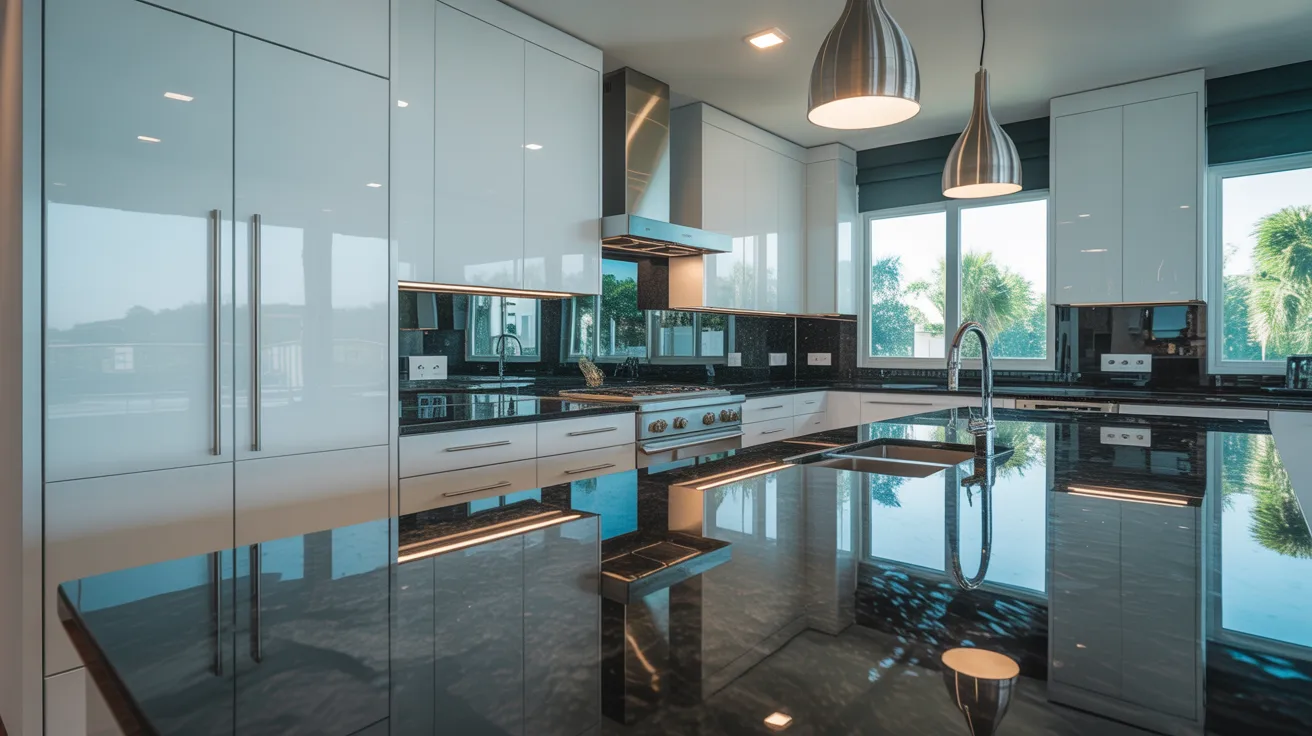
High gloss cabinet finishes reflect light and create a polished appearance. The smooth lacquer surface gives kitchens a modern and sleek style. Installing high gloss cabinets typically costs between $8,000 and $20,000, depending on cabinet quality.
The reflective finish helps brighten the room by bouncing light around the space.
To incorporate this idea, install lacquered cabinet doors and pair them with minimal hardware. Neutral colors like white or gray help emphasize the glossy finish.
31. Dramatic Slab Backsplash
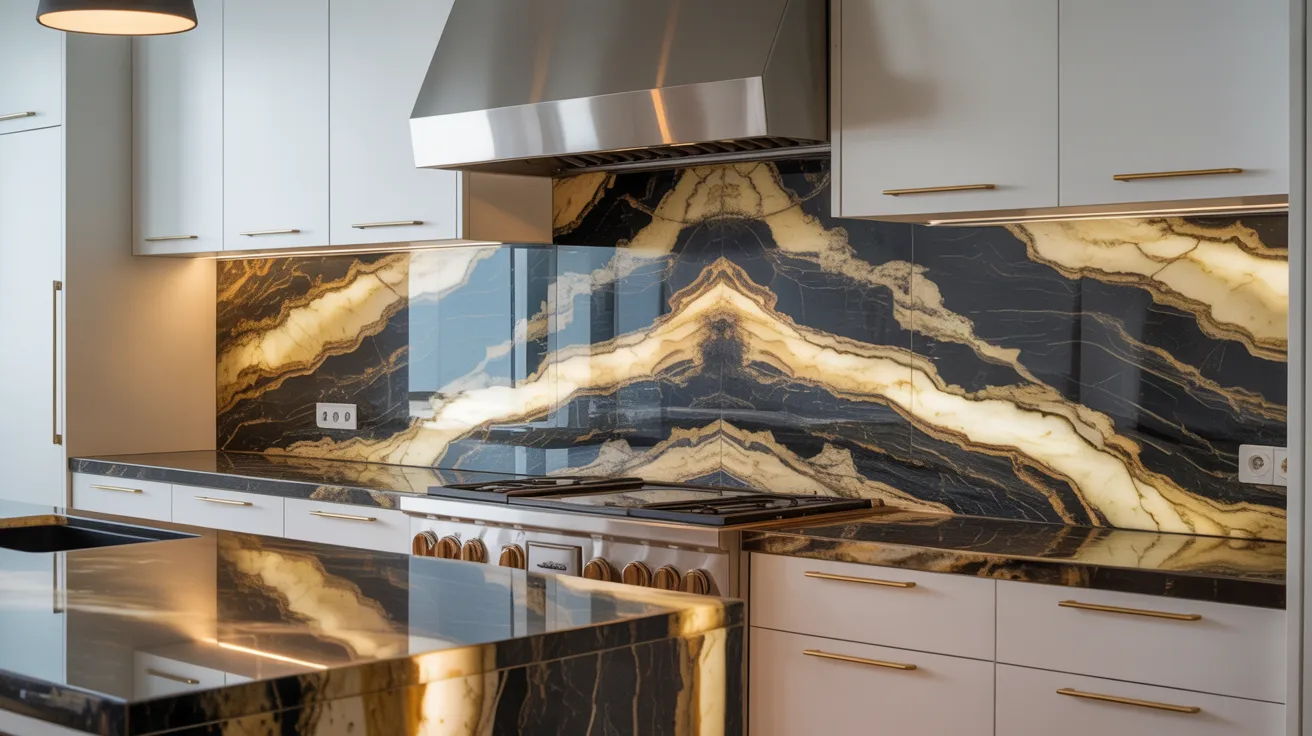
A slab backsplash uses one large piece of stone instead of smaller tiles. The continuous surface highlights natural patterns in materials like marble or quartz. Installing this type of backsplash usually costs between $5,000 and $15,000, depending on the stone.
The smooth surface also makes cleaning easier because there are fewer grout lines.
To incorporate this idea, extend the same stone from the countertop upward to create a full-height backsplash behind the stove or sink.
32. Mosaic or Artistic Tile Backsplash
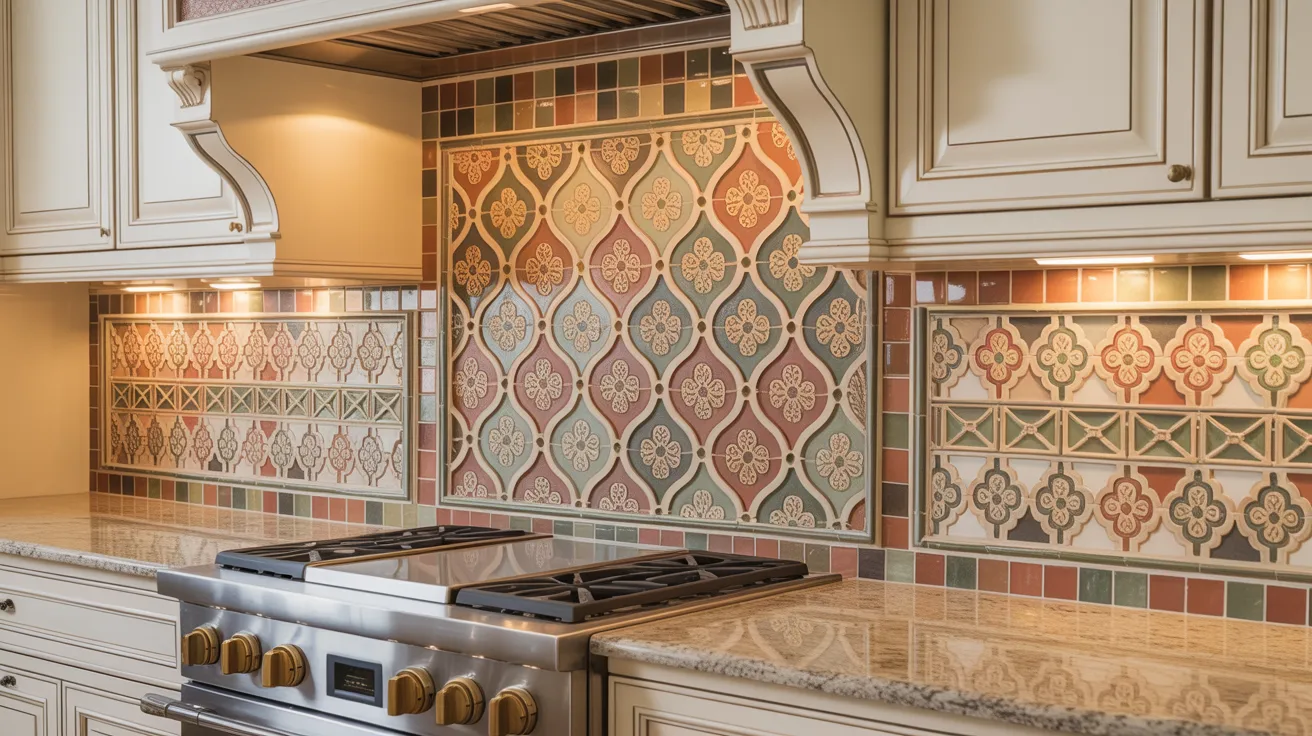
Mosaic backsplashes introduce pattern and color into the kitchen design. Small tiles arranged in decorative patterns can create a unique focal area. Installing this type of backsplash typically costs between $3,000 and $10,000, depending on tile materials.
Handcrafted or custom tiles can add personality and texture to the space.
To incorporate this idea, install mosaic tiles behind the cooktop or sink area. Pair them with simple cabinets so the tile pattern stands out.
33. Coffered or Tray Ceiling
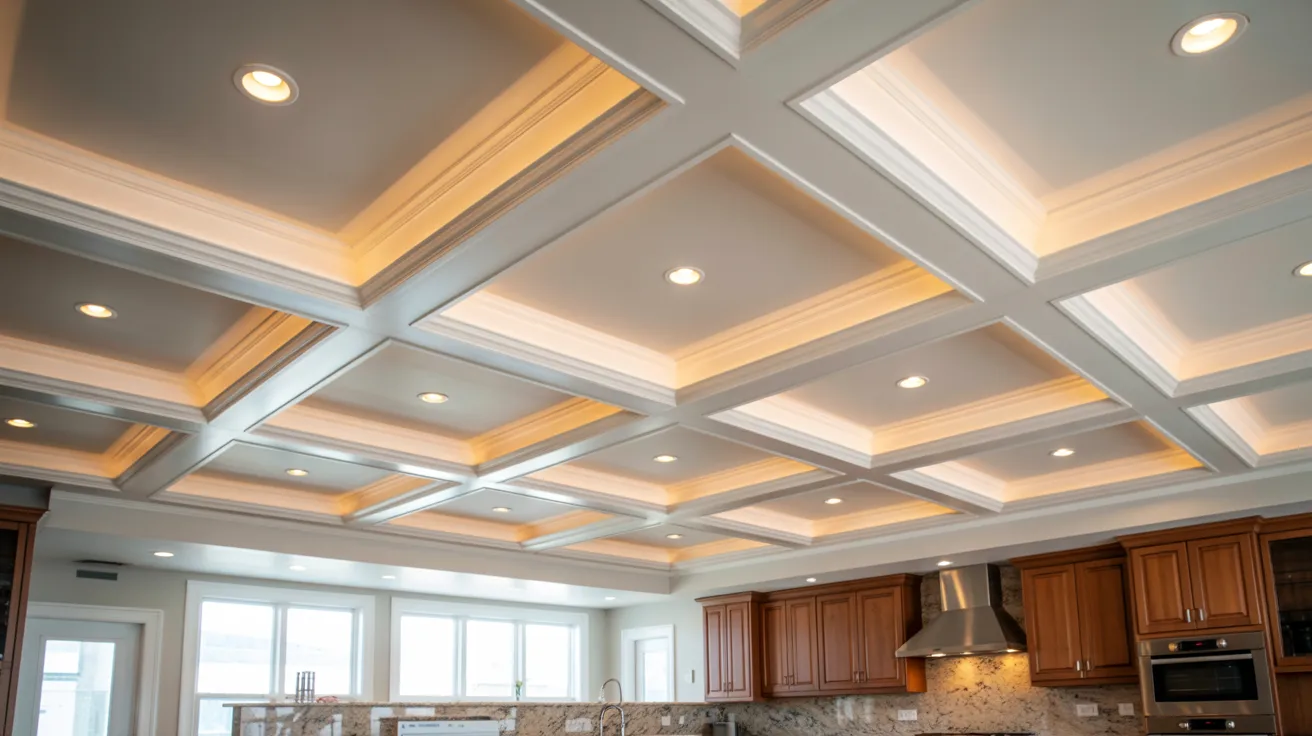
A coffered or tray ceiling adds depth and architectural detail to larger kitchens. These ceiling designs create recessed sections that draw attention upward. Installing a ceiling feature like this usually costs between $7,000 and $20,000, depending on complexity.
The design helps large kitchens feel more structured and visually interesting.
To incorporate this idea, add recessed ceiling panels or a raised tray ceiling above the main kitchen area. Integrating lighting within the design enhances the effect.
34. Breakfast Nook Upgrade
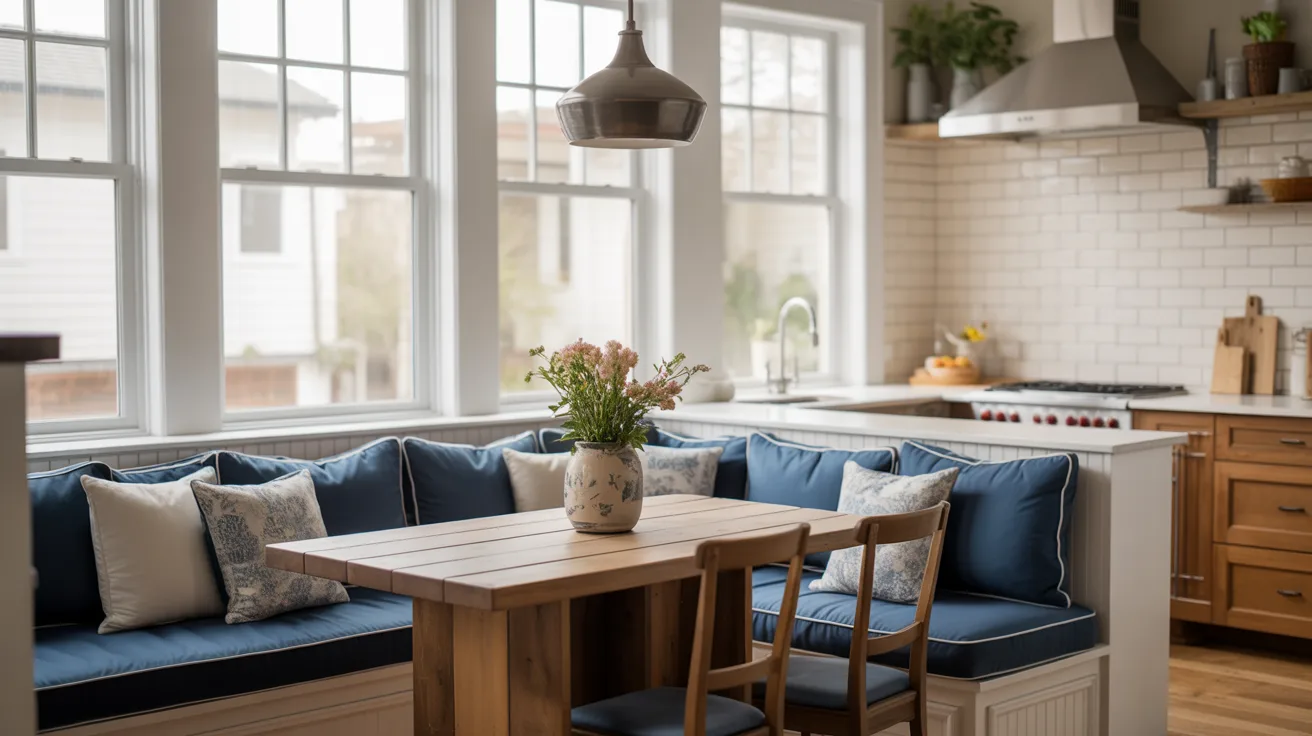
A breakfast nook creates a cozy dining space within the kitchen. Built-in bench seating and a small table make the area comfortable for casual meals. Upgrading a breakfast nook generally costs between $2,000 and $6,000, depending on materials.
The seating often includes hidden storage beneath the benches, making the space both practical and inviting.
To incorporate this idea, install built-in bench seating along a wall or corner and add cushions and a small table for everyday dining.
35. Indoor Outdoor Flow
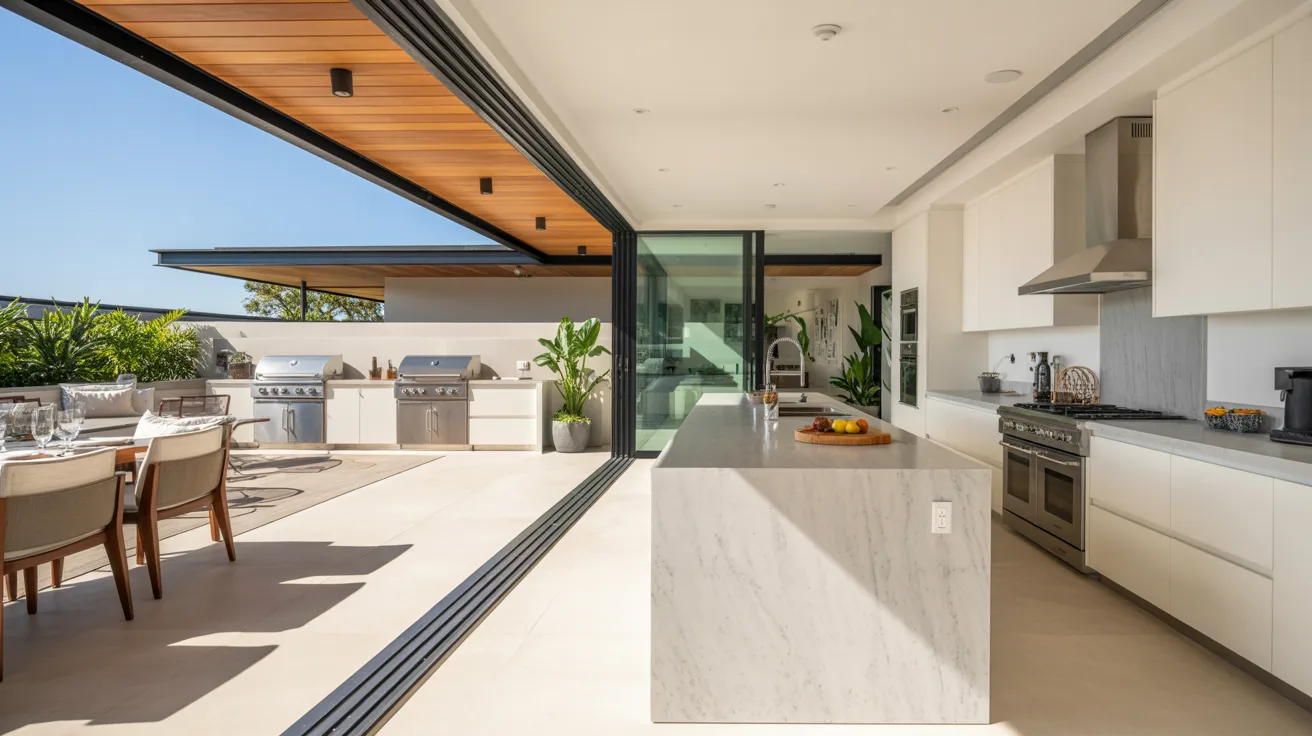
Indoor-outdoor kitchens connect the interior kitchen to patios or outdoor cooking areas. Large sliding doors allow the two spaces to function together during gatherings. Creating this connection usually costs between $10,000 and $30,000, depending on structural work.
The design increases natural light and expands the entertaining space.
To incorporate this idea, install large glass doors or folding panels that open to a patio or outdoor kitchen area.
36. Built-In Bar Area
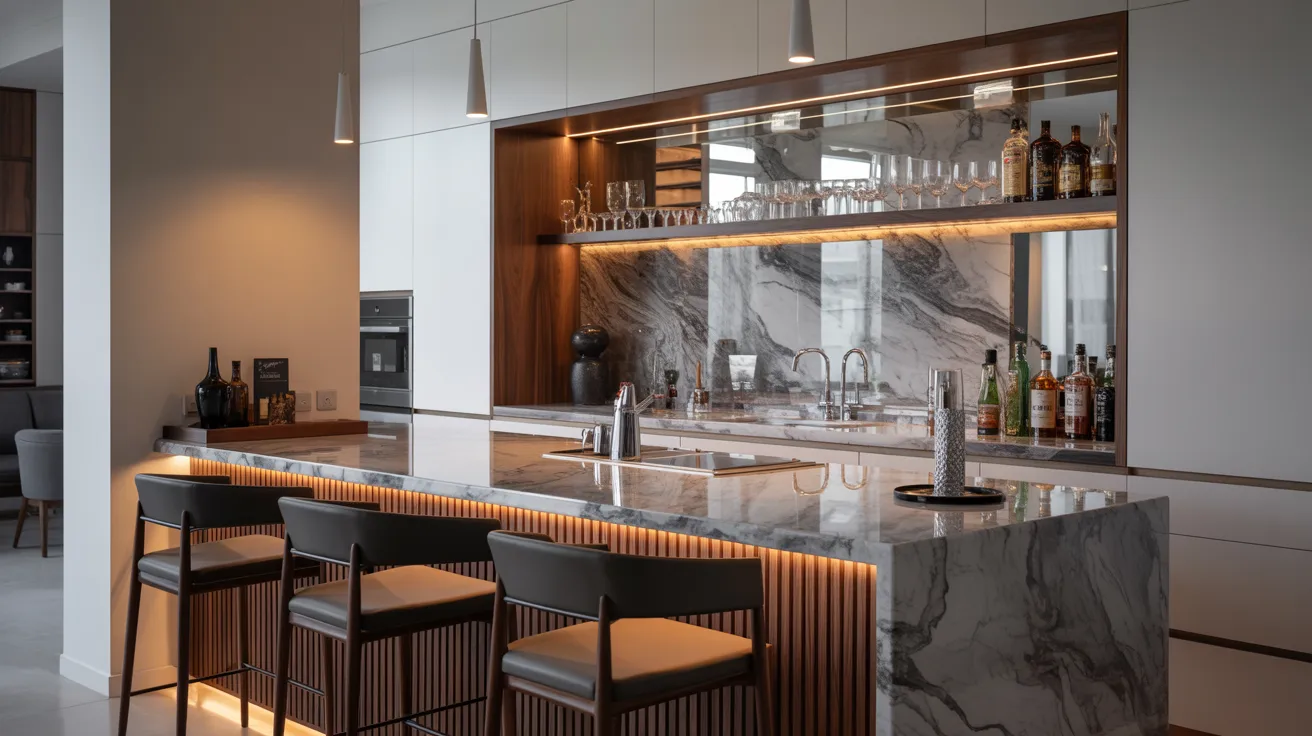
A built-in bar area adds a dedicated space for drinks and entertaining. Cabinets, glass shelves, and beverage coolers help organize glasses and bottles. Installing a bar area usually costs between $5,000 and $15,000, depending on the design.
The space can become a stylish feature within the kitchen or nearby dining area.
To incorporate this idea, dedicate a section of cabinetry for drink storage and install glass shelves with lighting to display glassware.
37. Hidden TV or Media Integration
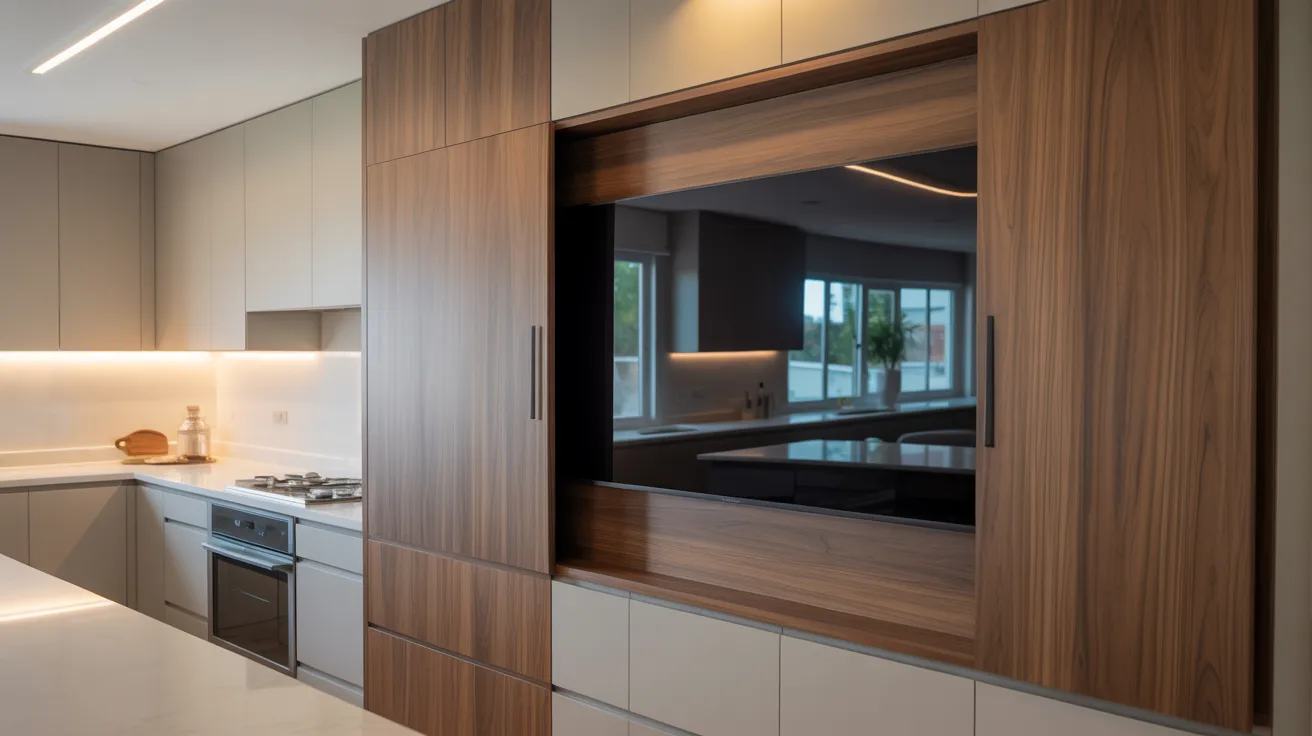
A hidden TV allows homeowners to watch news or cooking shows without disrupting the kitchen design. Screens can be concealed inside cabinets or mounted discreetly. Installing this feature usually costs between $1,500 and $5,000, depending on the setup.
This keeps the kitchen visually clean while still adding entertainment options.
To incorporate this idea, install a retractable screen or mount a TV behind cabinet doors that can close when the screen is not in use.
Common Mistakes to Avoid in Luxury Kitchen Remodels
Avoiding these mistakes will help you create a kitchen that looks amazing and works effortlessly every day.
- Many homeowners overspend on trendy features that can quickly feel outdated.
- Ignoring layered lighting can make even the most luxurious kitchen feel dim and unwelcoming.
- Skipping workflow planning often results in a kitchen that is inefficient for daily use.
- Choosing style over durable materials can lead to costly repairs or replacements later.
- Failing to plan storage thoroughly leaves the kitchen cluttered and less functional.
Conclusion
A luxury kitchen remodel is more than just high-end finishes. It is about creating a space that reflects your lifestyle and works beautifully for daily life and entertaining. Thoughtful design ensures the kitchen feels elegant and practical at the same time.
Focus on flow, lighting, and layout before adding décor. Choosing durable, high-quality materials not only makes your kitchen last longer but also adds value to your home. Smart planning now can prevent costly updates later.
Combining complementary ideas keeps the design balanced and avoids a cluttered look. Luxury is achieved through practical choices and lasting impact. Start planning today to create a kitchen you will enjoy for years.
Frequently Asked Questions
What defines a luxury kitchen remodel today?
A luxury kitchen remodel combines high-quality materials, functional layouts, modern appliances, and personalized design, creating a stylish, practical, and comfortable space for everyday living and entertaining.
How much does a luxury kitchen remodel cost?
Costs vary widely: small upgrades may start around $5,000, while full remodels with custom cabinets, premium stone, and appliances can reach $60,000 or more.
What are common mistakes to avoid in luxury remodels?
Overspending on trends, ignoring lighting layers, skipping workflow planning, prioritizing style over durability, and inadequate storage planning often reduce functionality and long-term satisfaction.
Which appliances and features elevate a kitchen to luxury status?
Built-in panel-ready appliances, professional-grade ranges, integrated wine storage, pot filler faucets, and hidden technology enhance convenience, style, and efficiency in high-end kitchens.
How can I balance style and practicality in a luxury remodel?
Focus on flow, durable materials, layered lighting, smart storage, and complementary design choices to create a visually appealing kitchen that works effortlessly for daily life.