I’ve spent a lot of time looking at basements that go from forgotten storage spaces to jaw-dropping living areas.
Luxury basements are no longer just bonus rooms. They’re becoming the most talked-about space in any home.
In this guide, I’ll walk you through 83 real, actionable ideas to help you plan and build a lower level you’ll actually love using every day. From home theaters to wine cellars, I’ve covered it all.
With years of solid design research behind this post, you’re in exactly the right place to get started.
Why a Luxury Basement Is the Complete Home Upgrade
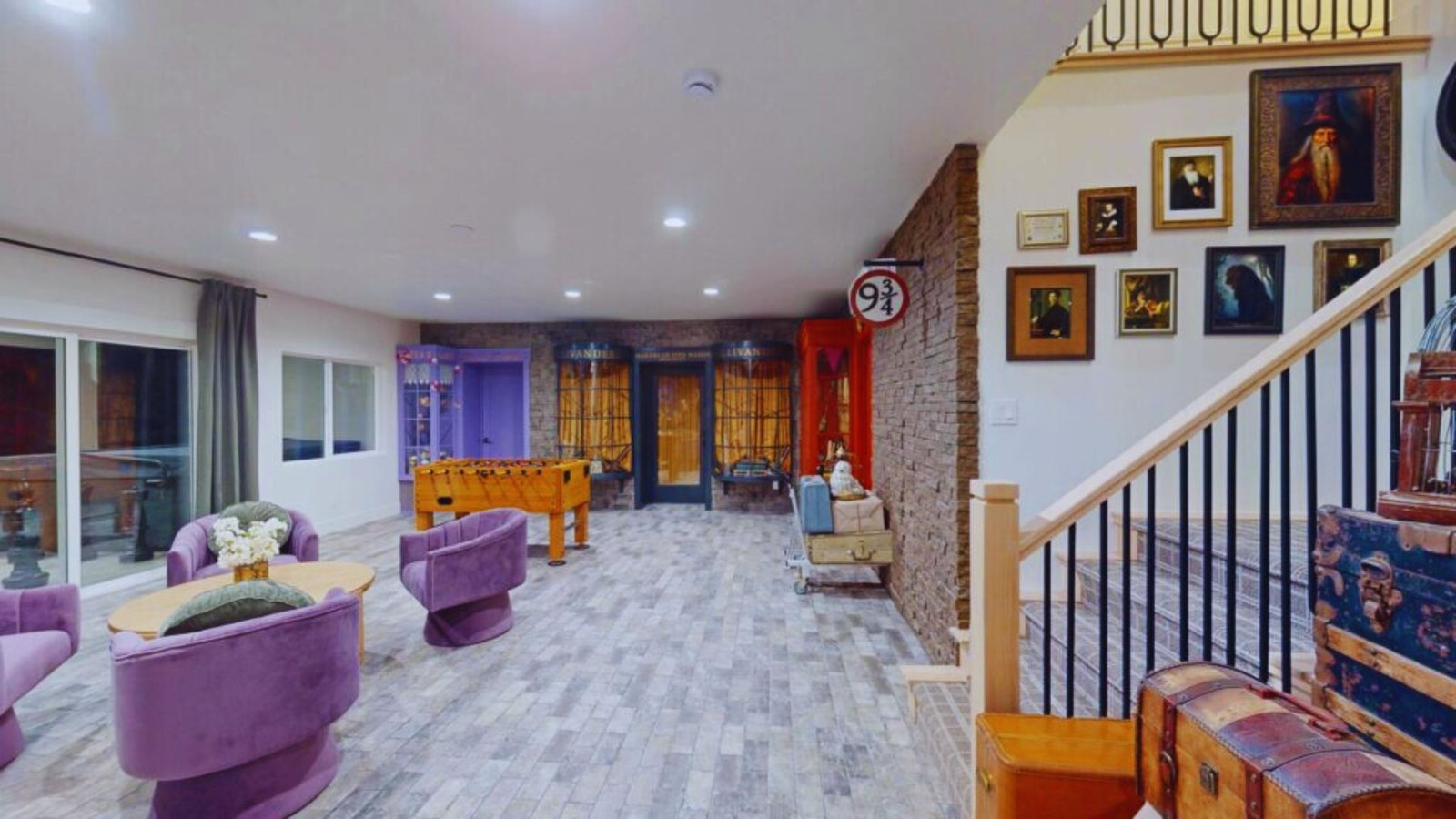
A finished basement adds real, usable square footage without touching your home’s existing footprint. You’re not building an addition or moving walls on the main floor. You’re simply making better use of space that’s already there.
That alone makes it one of the smartest home improvements you can invest in. It also boosts your property value in a way that buyers actually notice and respond to during resale.
Beyond value, a well-planned basement expands your entertainment options and creates lifestyle-driven spaces your whole family will enjoy every single day.
Whether it’s a home theater, a bar, or a wellness room, the lower level becomes the most used floor in the house. It truly makes your home work harder for you in every way.
61 Luxury Basement Ideas for Entertainment, Comfort & Style
From cozy lounges to full entertainment suites, find the ideas that fit your lifestyle.
1. Private Home Theater With Tiered Seating
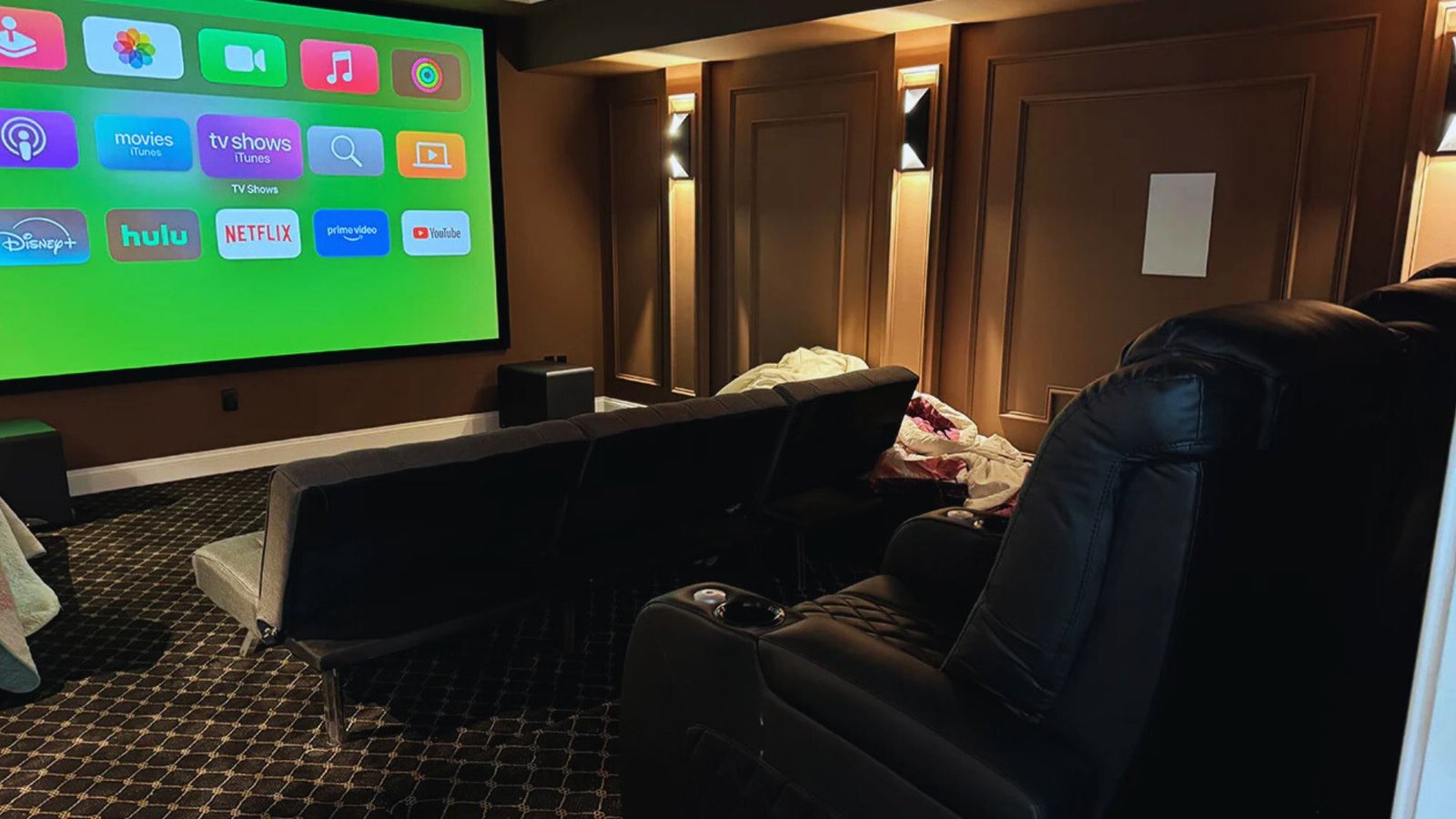
Tiered rows give everyone a clear sightline to the screen, no matter where they sit. Add acoustic panels on the walls and blackout curtains for a real cinema feel. This is one of the most requested luxury basement ideas for a reason.
2. Plush Cinema Lounge With LED Mood Lighting
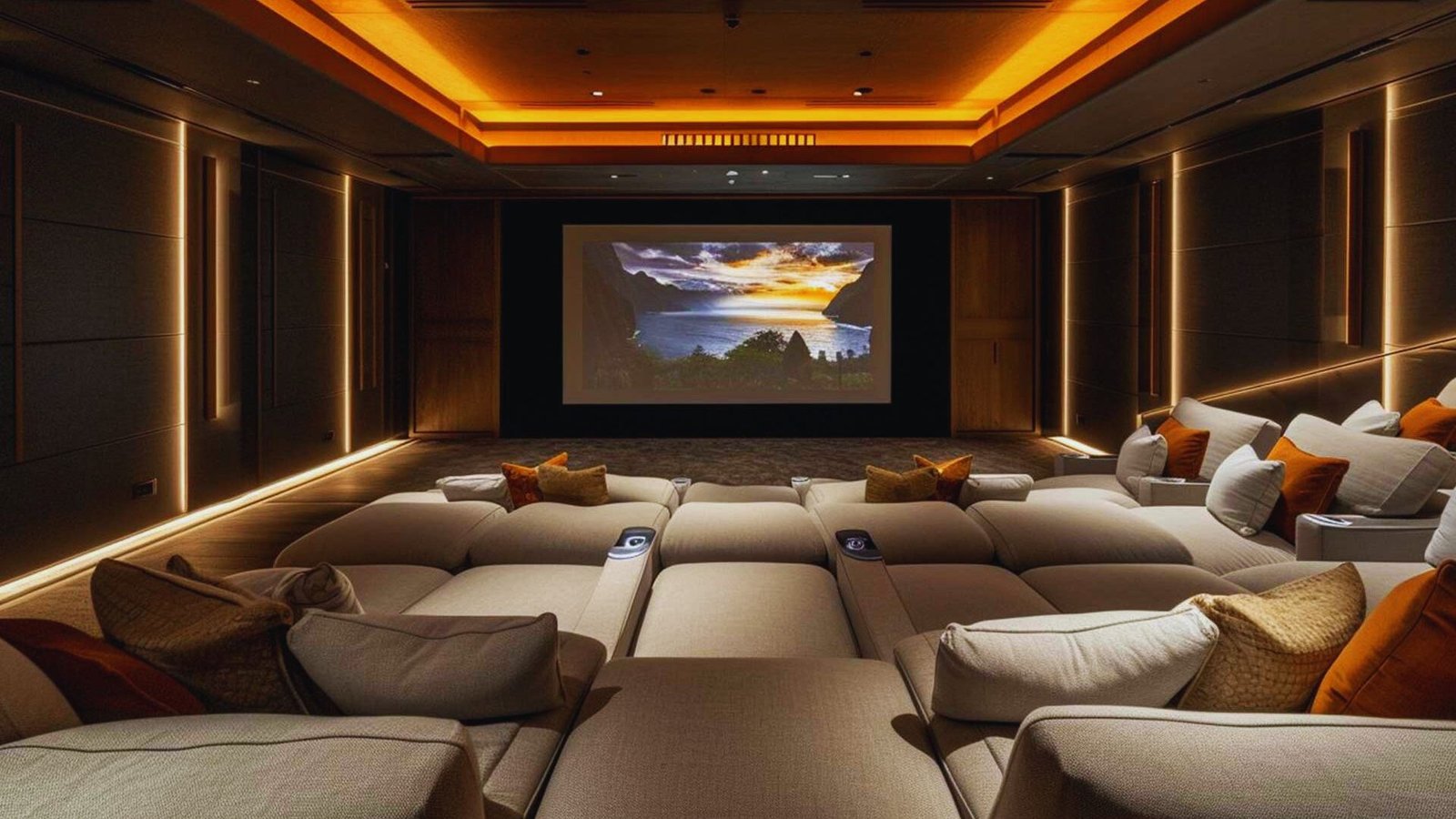
Oversized recliners and color-changing LED strips create a relaxed, immersive movie night setup. It feels more personal than a traditional theater row arrangement. Great for families who love film nights without the formal layout.
3. Glass-Enclosed Wine Cellar
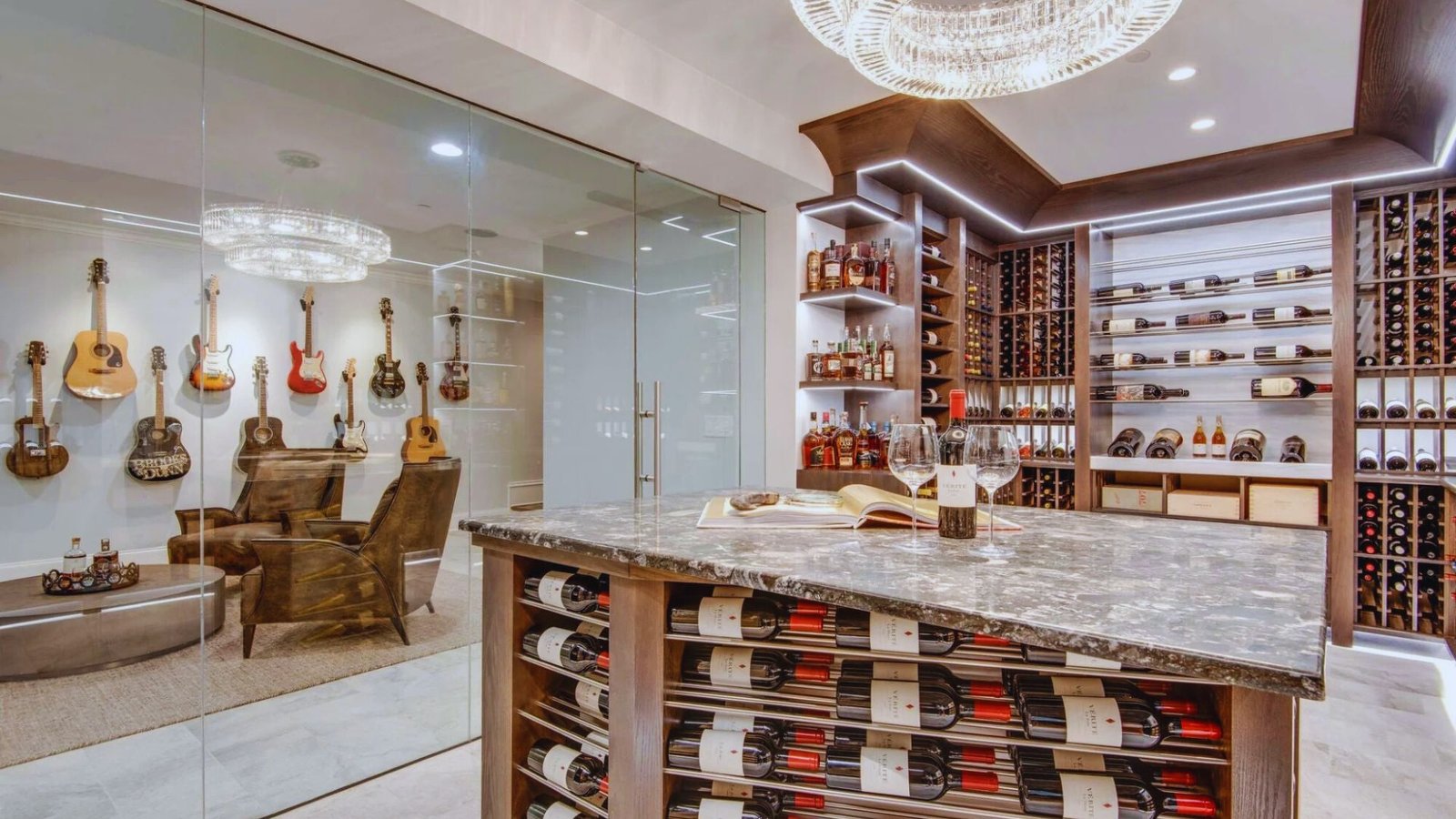
A glass wall lets you display your collection while keeping it fully climate-controlled. It doubles as a striking design feature that guests notice immediately. Temperature consistency protects the wine while the visibility adds a real wow factor.
4. Full-Service Wet Bar With Marble Countertops
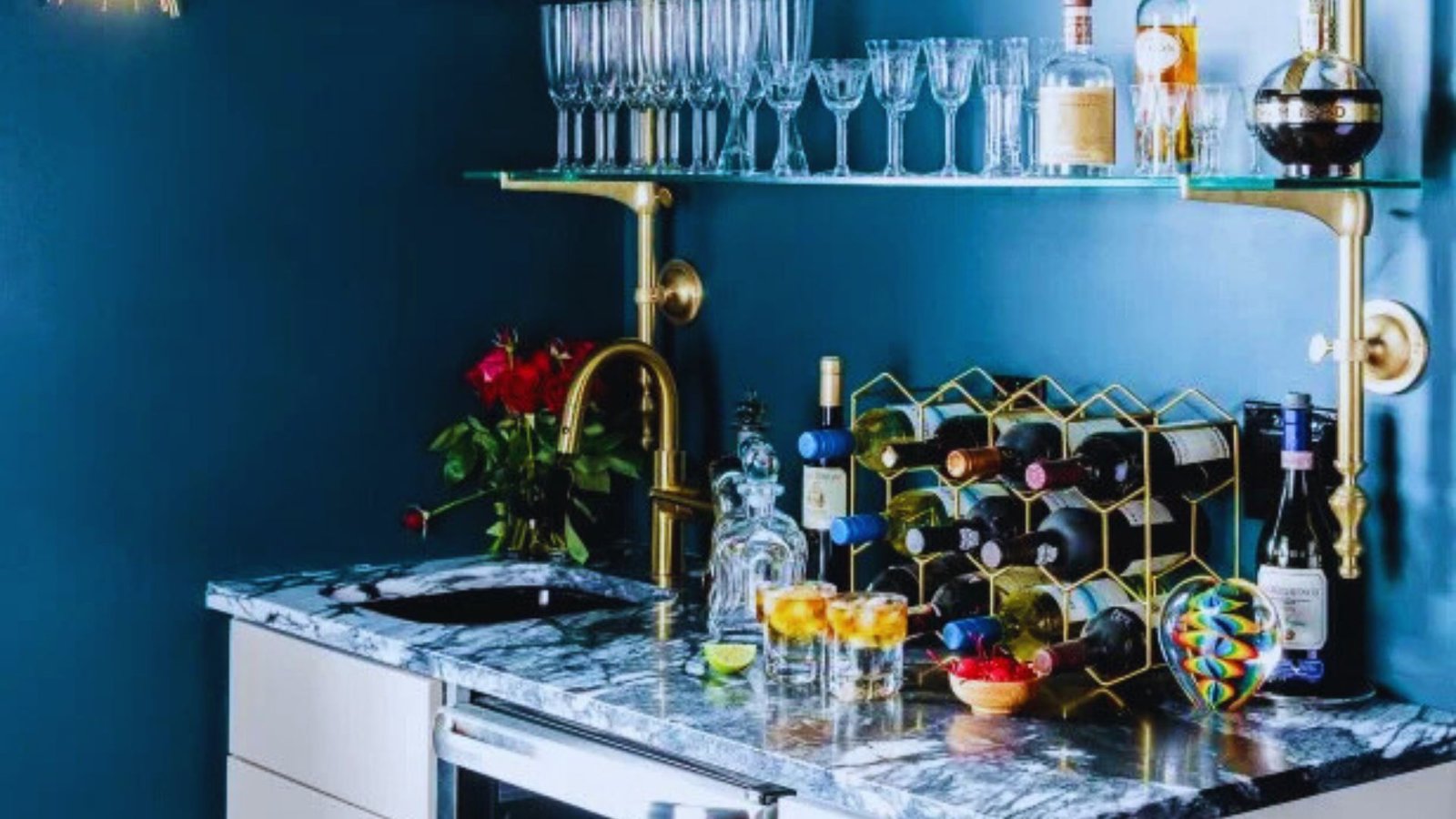
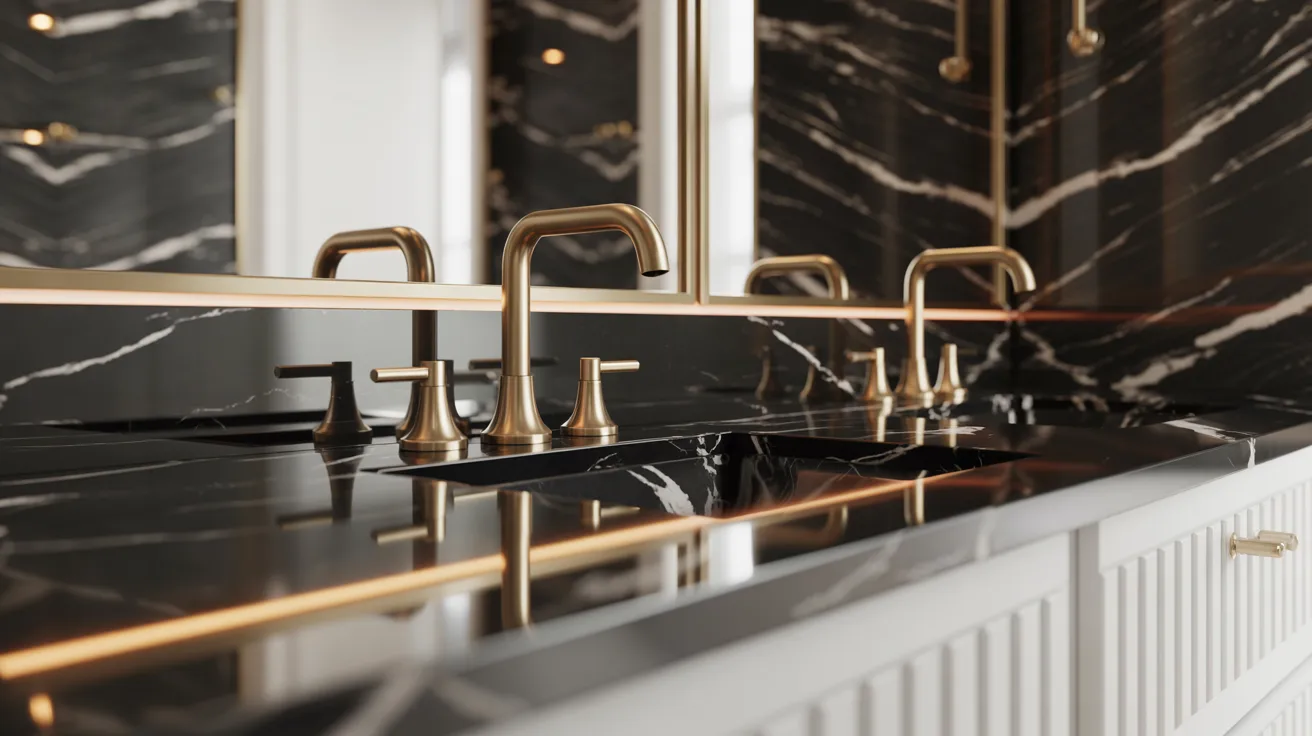
Marble counters, a deep sink, and proper storage make hosting easy and impressive. Having a dedicated bar area keeps the party contained in one well-designed spot. Add open shelving for glassware and bottles to complete the look.
5. Modern Cocktail Lounge With Pendant Lighting
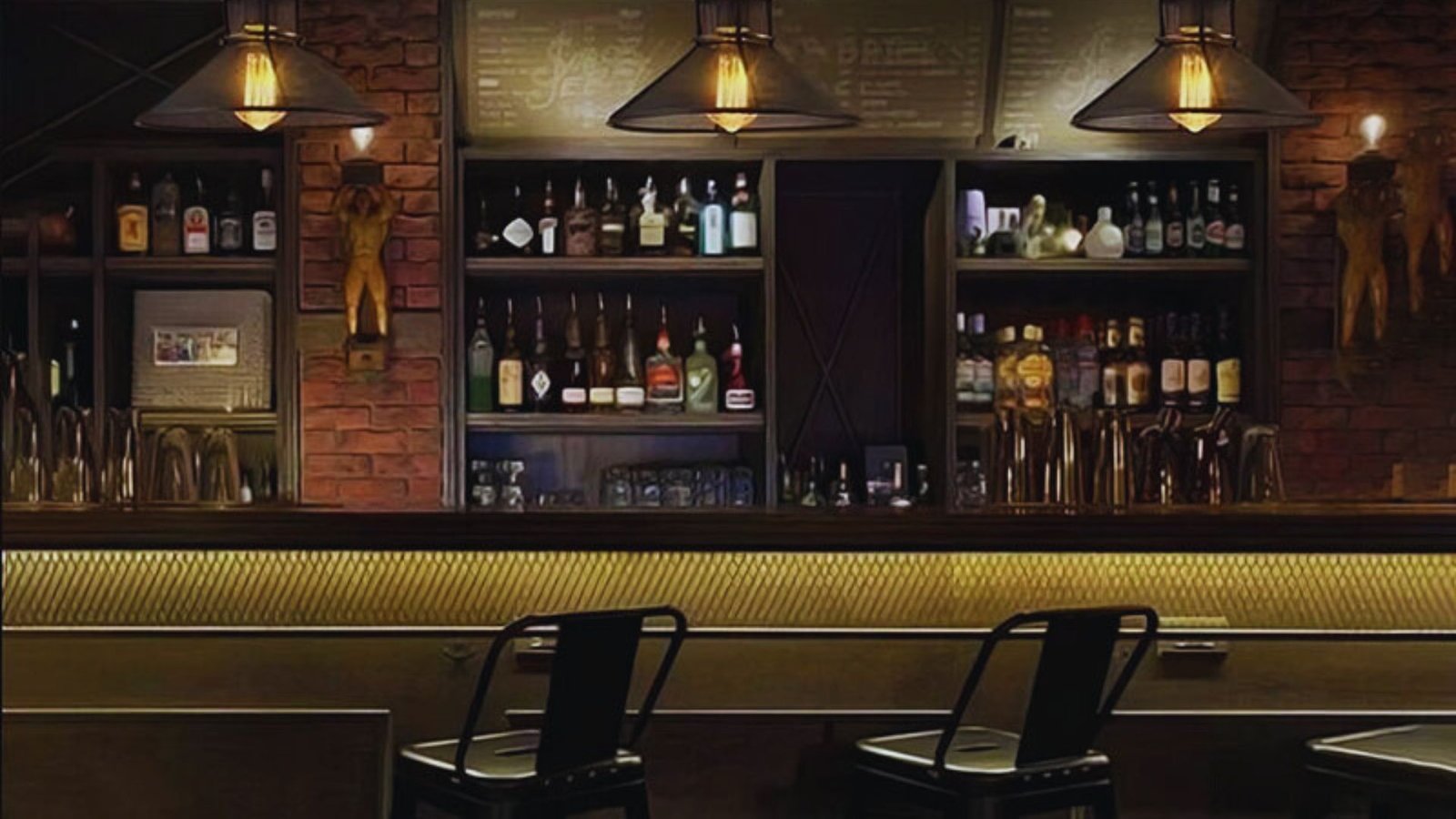
Pendant lights above a sleek bar counter set a moody, upscale tone in the room. The right lighting here does more work than any other design element. Perfect for evening entertaining when atmosphere matters most.
6. Speakeasy-Influenced Basement Bar
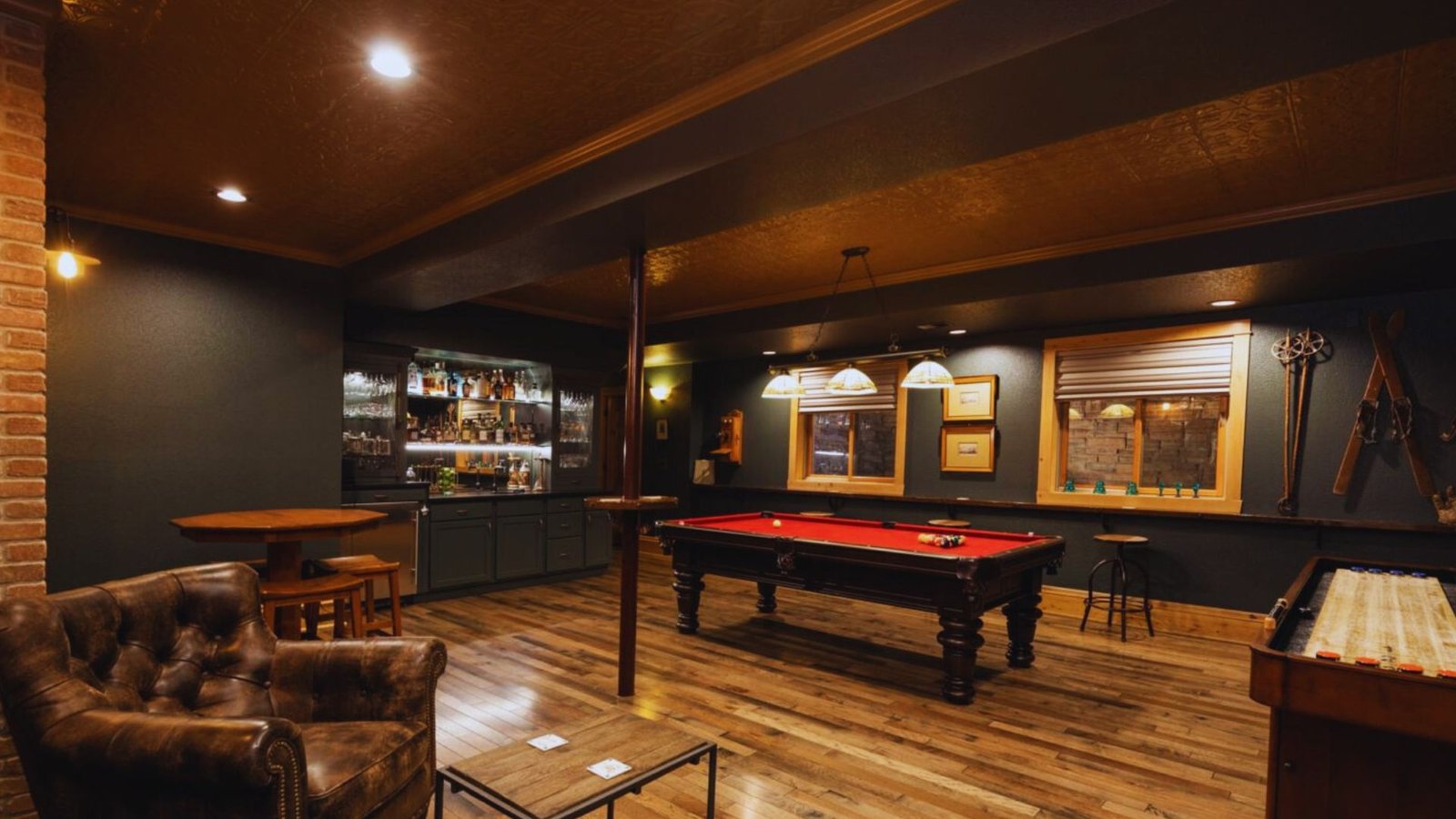
Dark tones, exposed brick, and vintage bar stools create a cool hidden-bar vibe that guests love. It plays on the mystery and charm of a secret gathering place. The right accessories and low lighting seal the deal completely.
7. Built-In Wine Wall Display
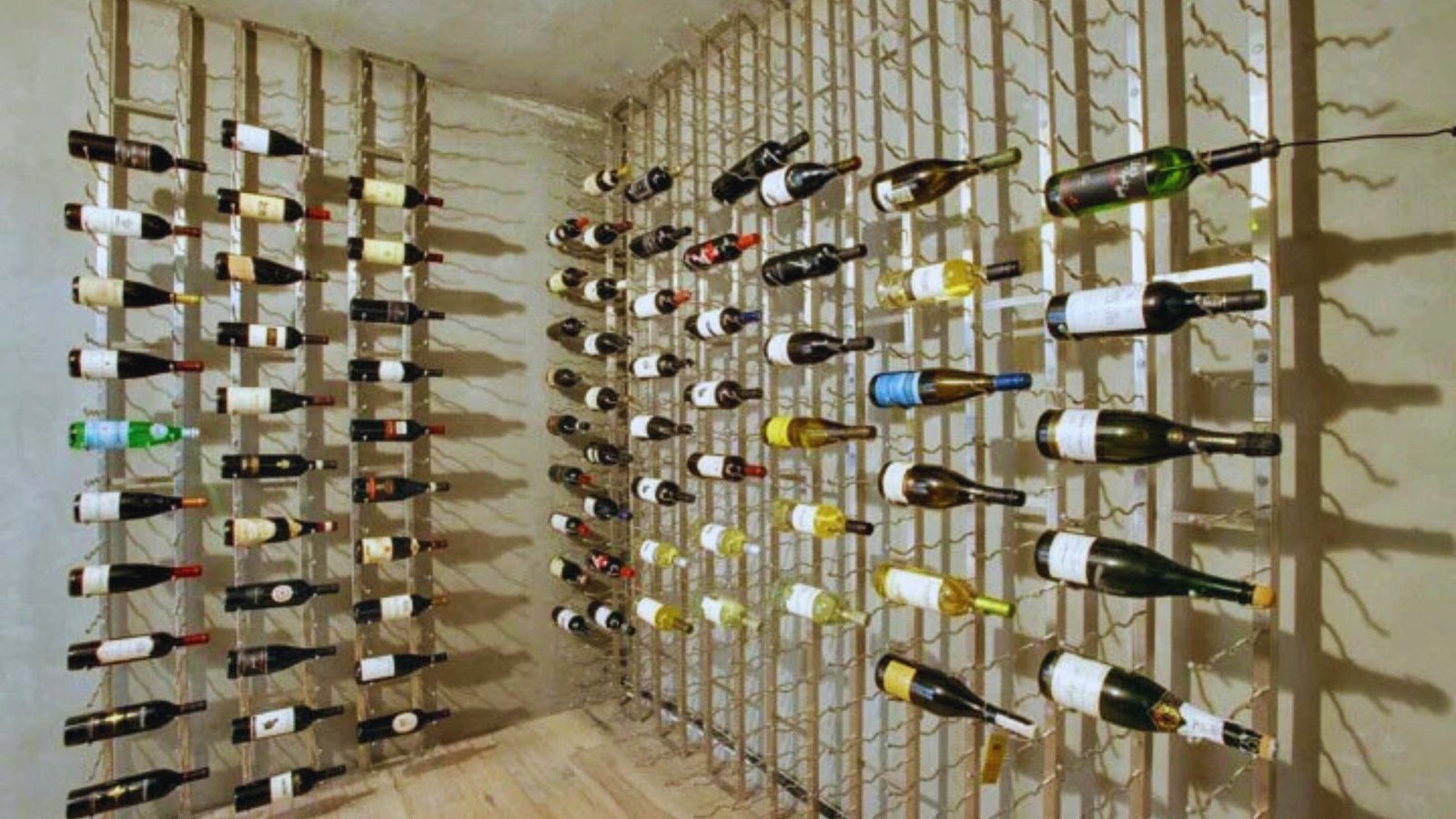
Floor-to-ceiling wine storage makes a bold visual statement on any wall. It keeps your bottles organized, accessible, and beautifully displayed at the same time. This works especially well as a backdrop behind a bar or dining area.
8. Industrial-Style Brick Accent Bar
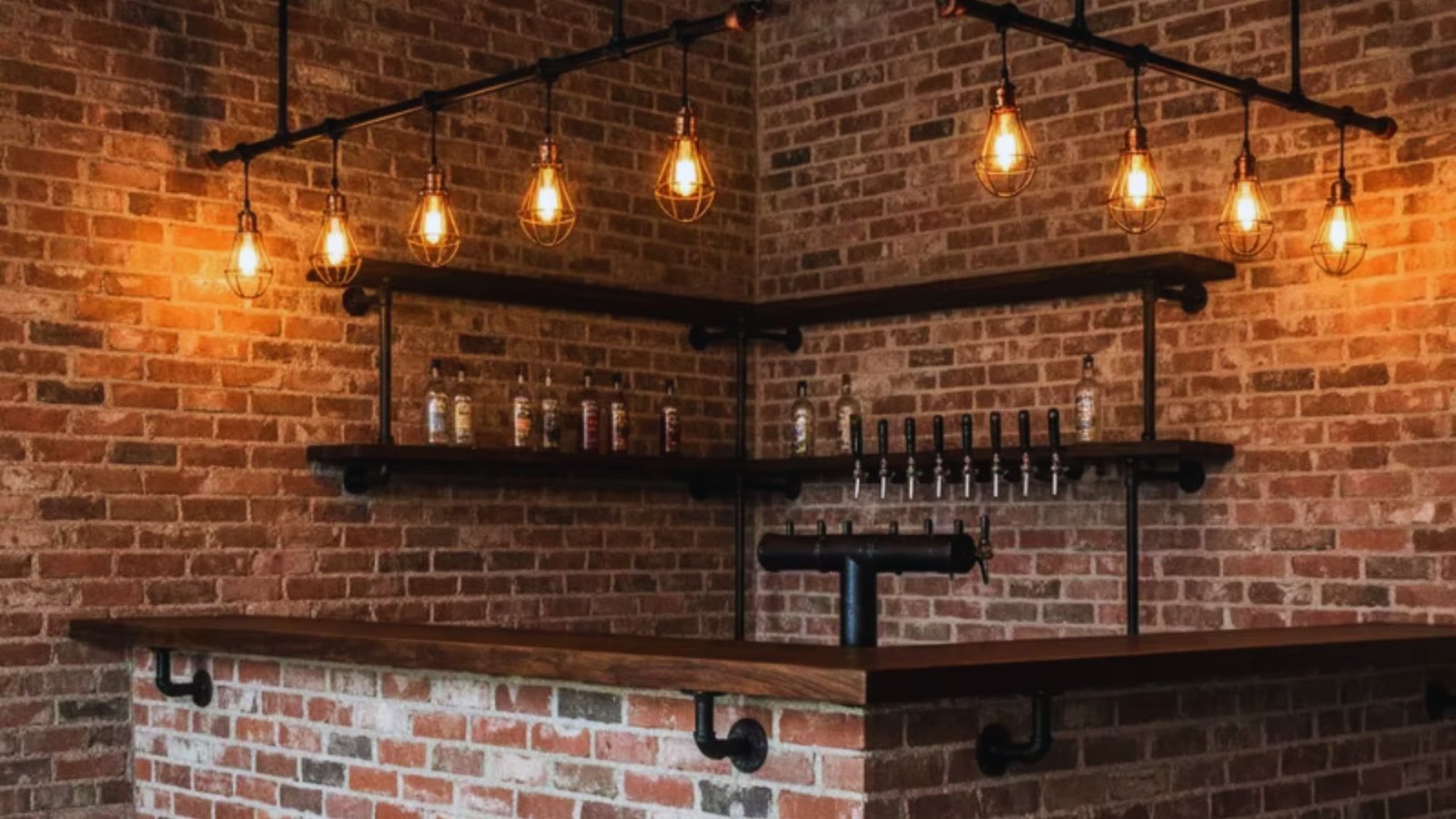
Raw brick, open metal shelving, and dark fixtures create a trendy industrial look that feels lived-in and real. It pairs naturally with exposed ductwork and concrete floors. Works particularly well in older homes with existing architectural character.
9. Fireplace-Centered Lounge Area
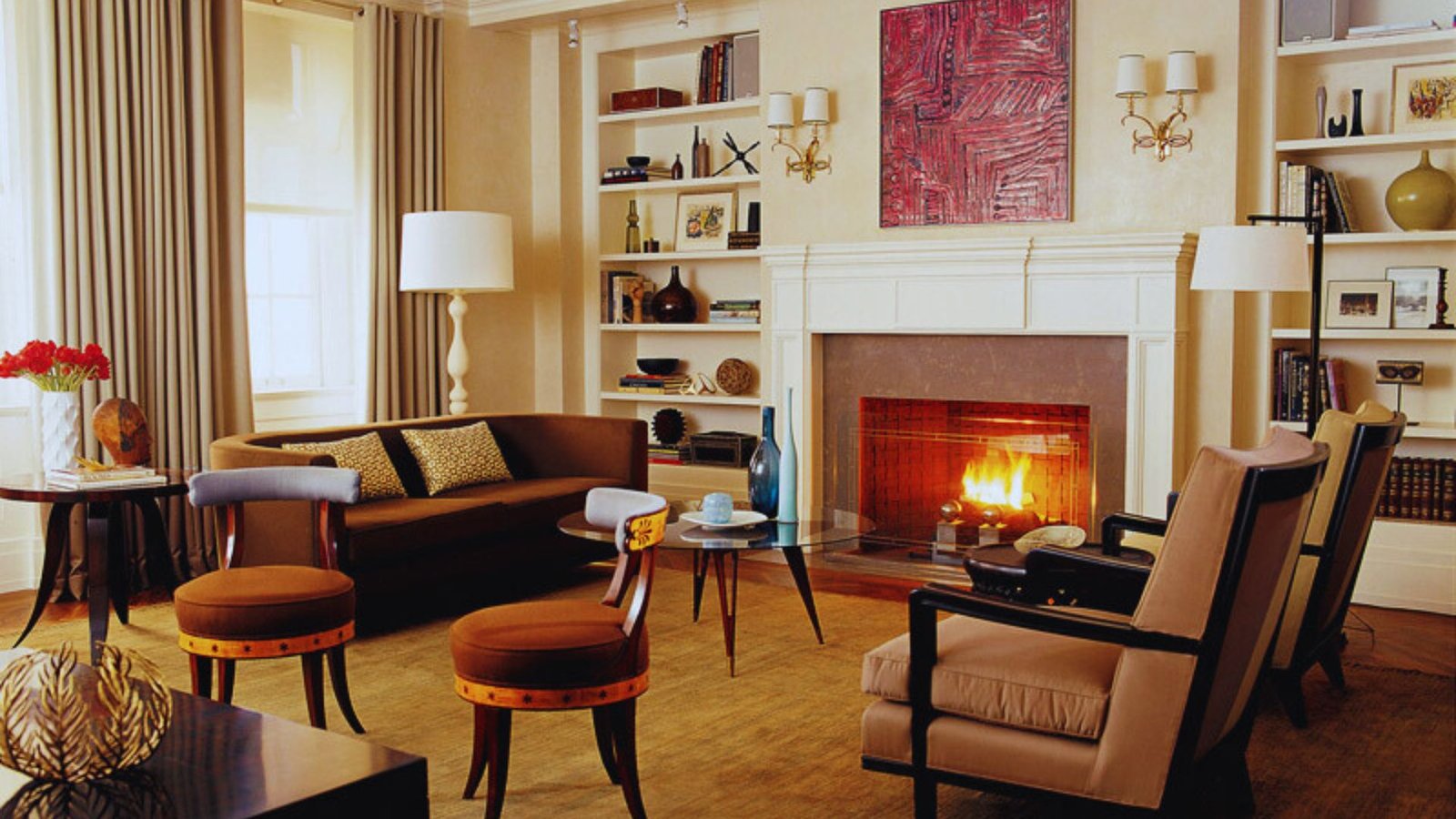
A fireplace anchors the room and adds warmth both physically and visually. Arrange seating around it to create a natural gathering point for conversation. It works in both modern and traditional basement designs without feeling forced.
10. Contemporary Open-Concept Family Room
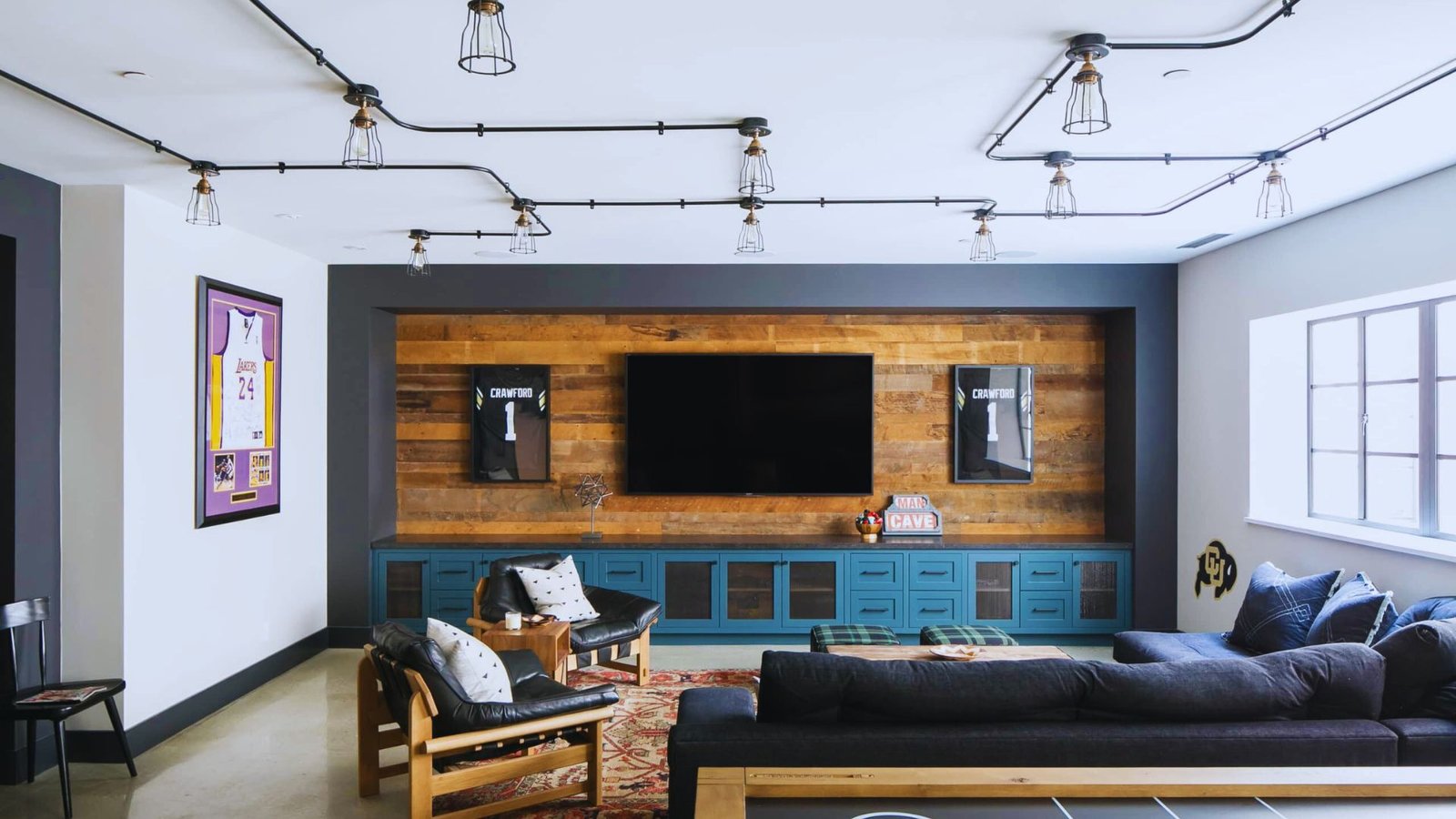
Removing walls creates an airy, connected space that feels far larger than the square footage suggests. It allows movement to flow naturally between different areas of the basement. Ideal for families who want a relaxed, multi-use environment everyone enjoys.
11. Sectional-Based Entertainment Hub
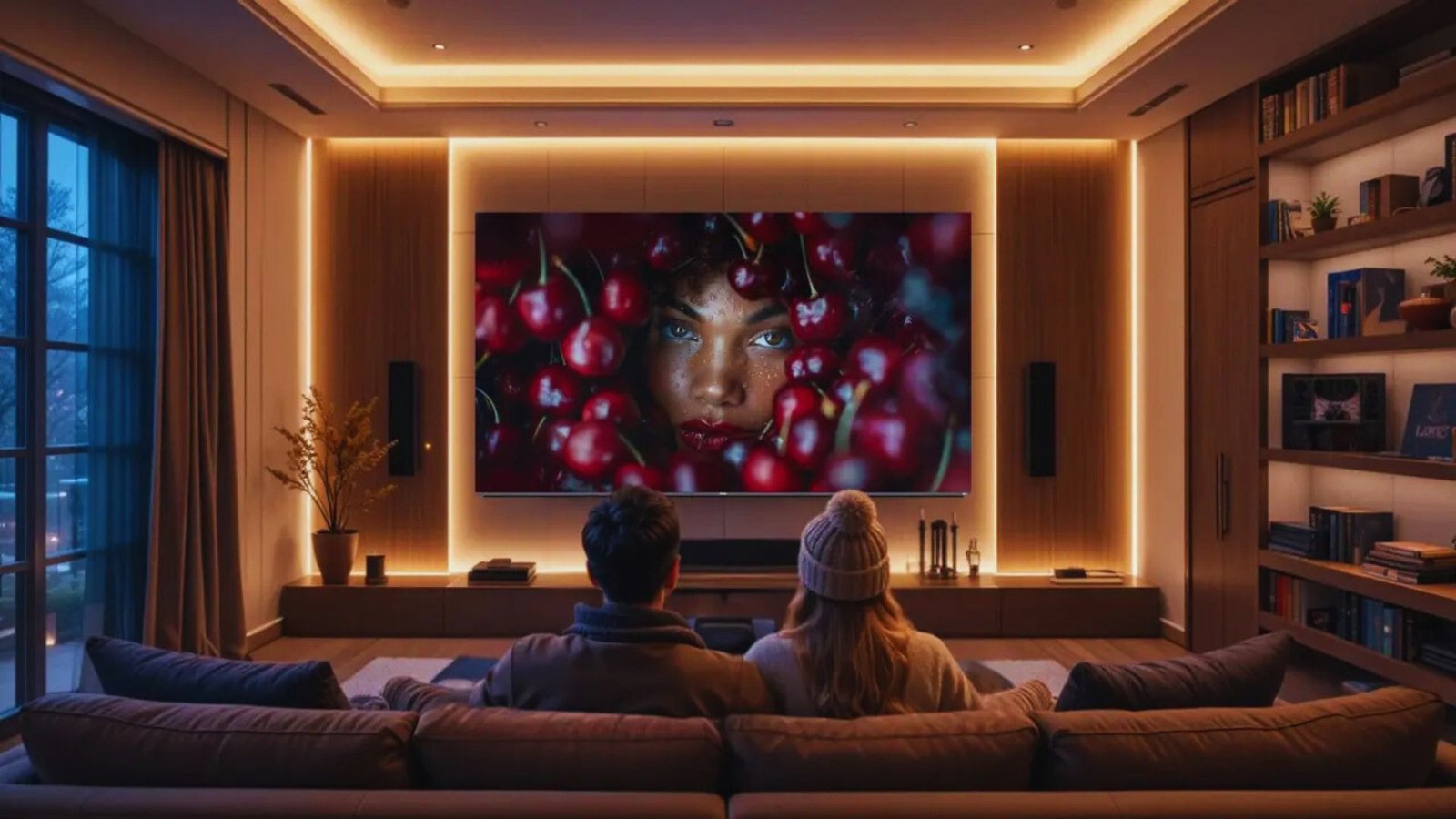
A large sectional paired with a big screen makes movie nights and game days genuinely comfortable. The goal here is maximum seating without sacrificing floor space or style. Comfort is the clear priority, and it shows in every design decision.
12. Multi-Screen Gaming Room
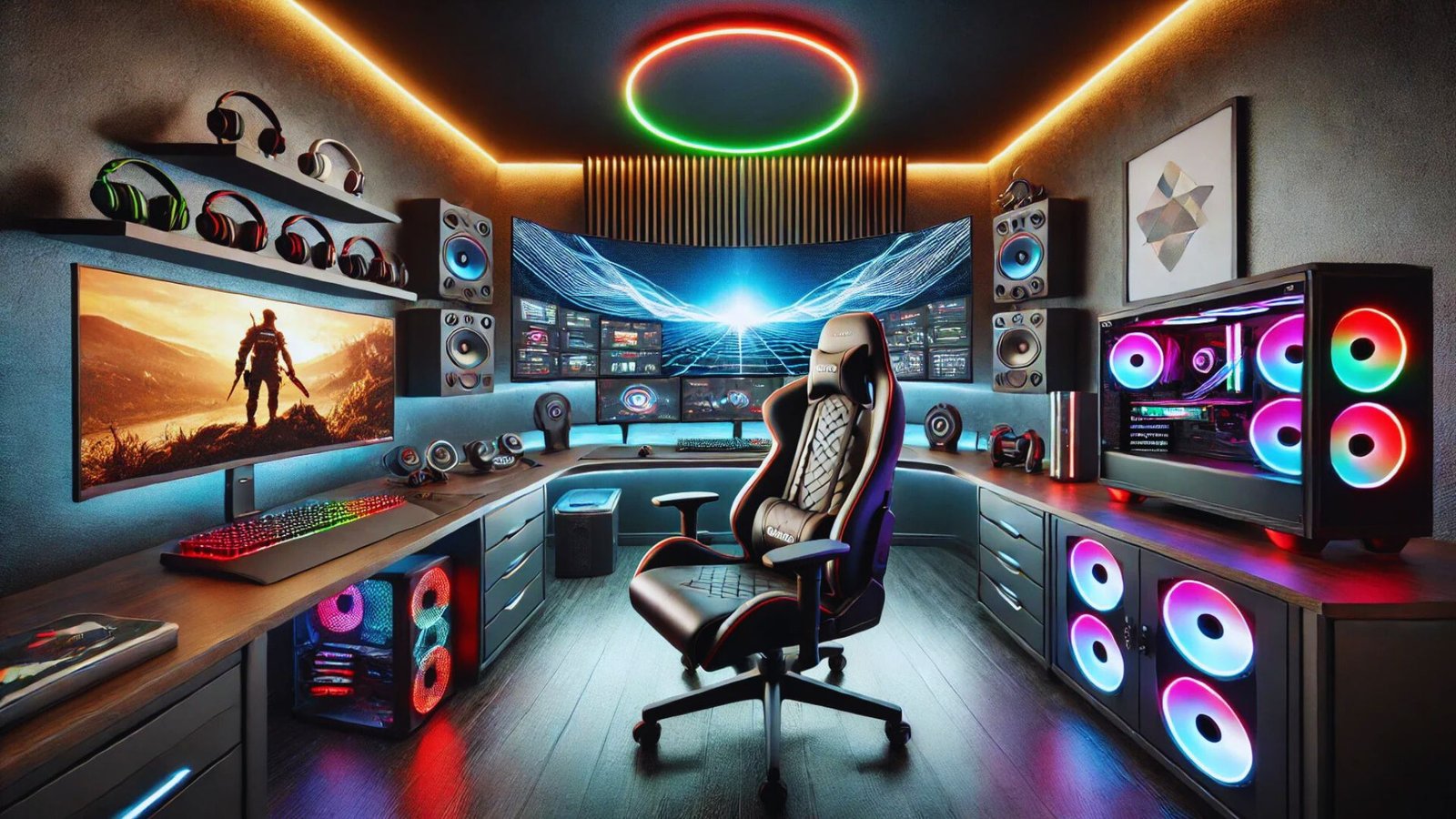
Multiple monitors, surround sound, and the right chair setup create a fully immersive gaming experience. Proper storage for controllers, headsets, and games keeps the room from feeling chaotic. Add dimmable lighting to reduce screen glare during long sessions.
13. Retro Arcade Basement
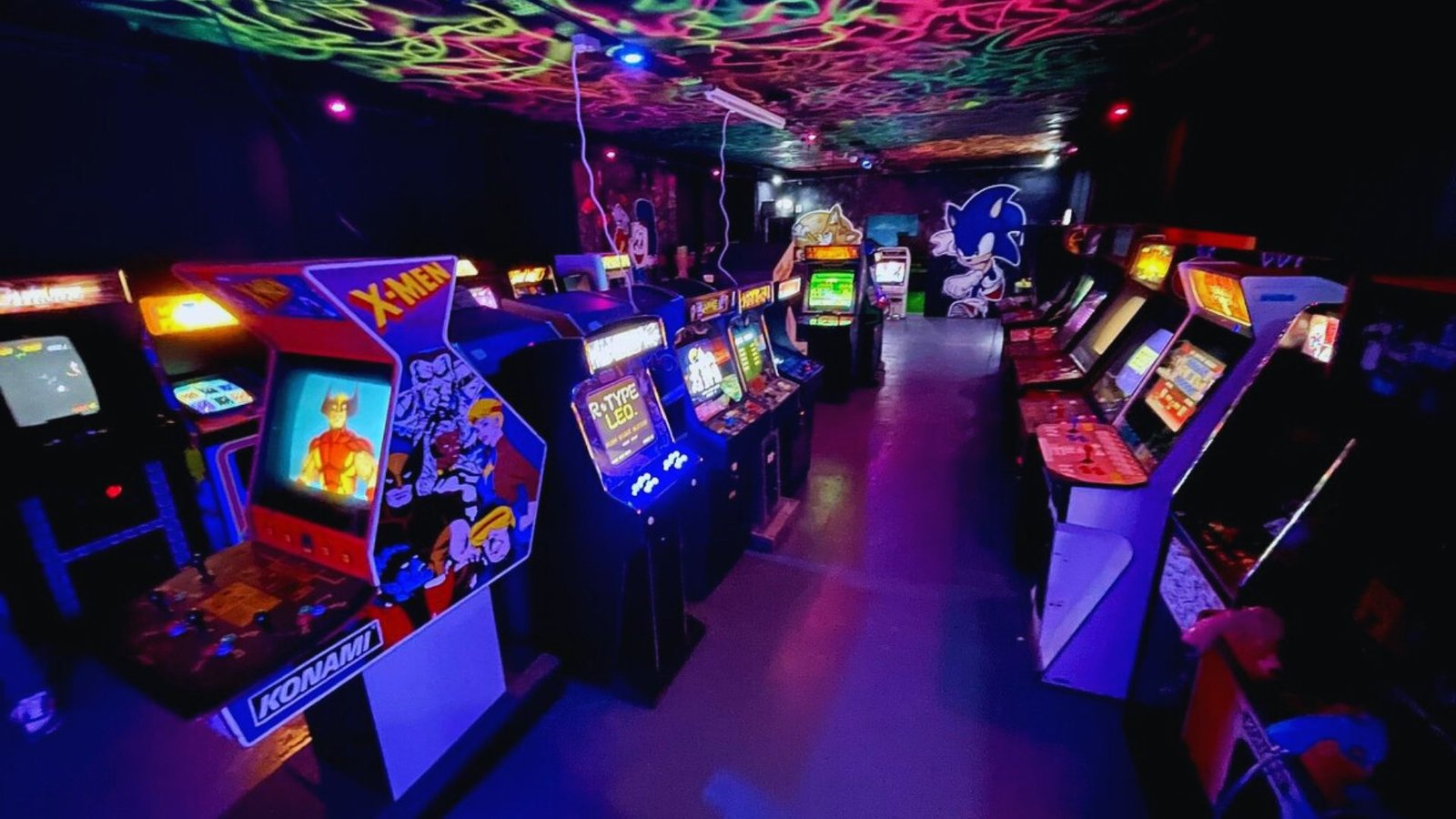
A well-sized billiards table under a dramatic chandelier looks sharp and plays perfectly. The chandelier needs to hang at the right height to avoid interfering with cue strokes. Add a bar cart nearby and the room becomes a complete entertaining destination.
15. Poker and Card Lounge
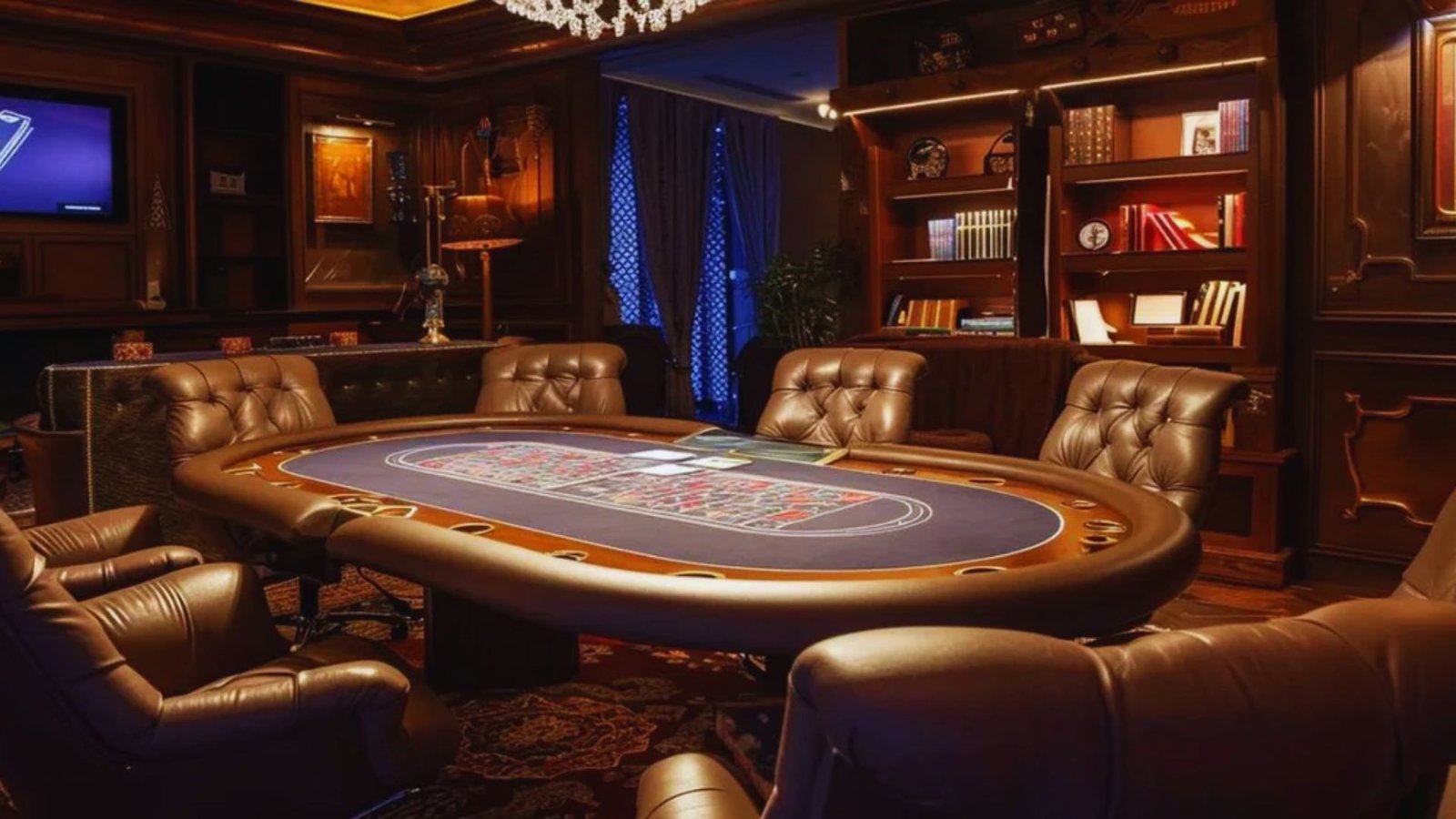
A dedicated game table surrounded by comfortable chairs creates a proper card night setup. Felt table tops, cup holders, and good overhead lighting make a real difference to the experience. This room gets used far more than most people expect once it’s finished.
16. Sports Simulation Room
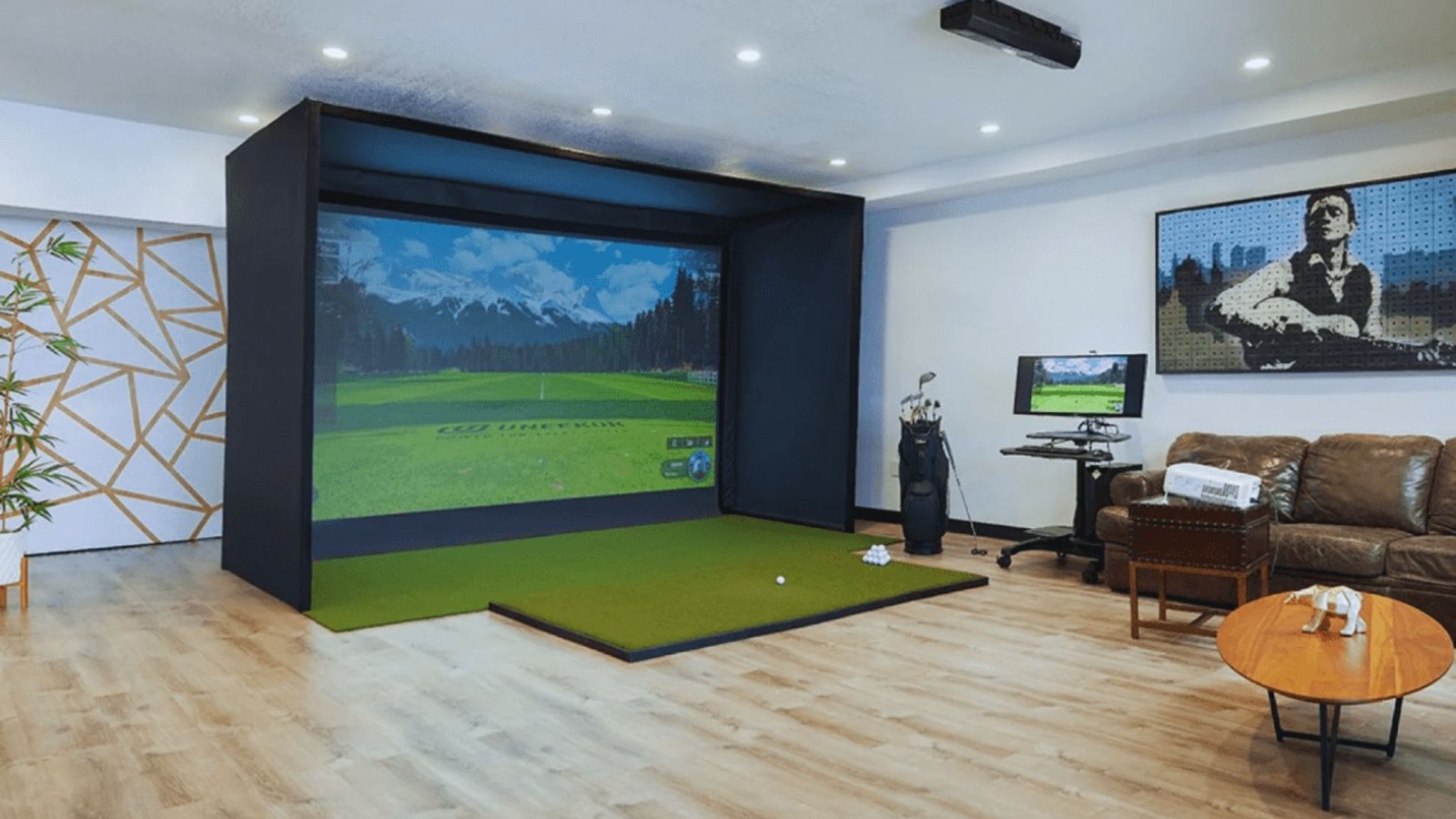
Golf simulators, batting cages, and pitching setups let you practice your game year-round without leaving home. These rooms blend real function with serious fun in a way few basement ideas can match. Ceiling height and room dimensions need careful planning before installation.
17. Basement Bowling Lane
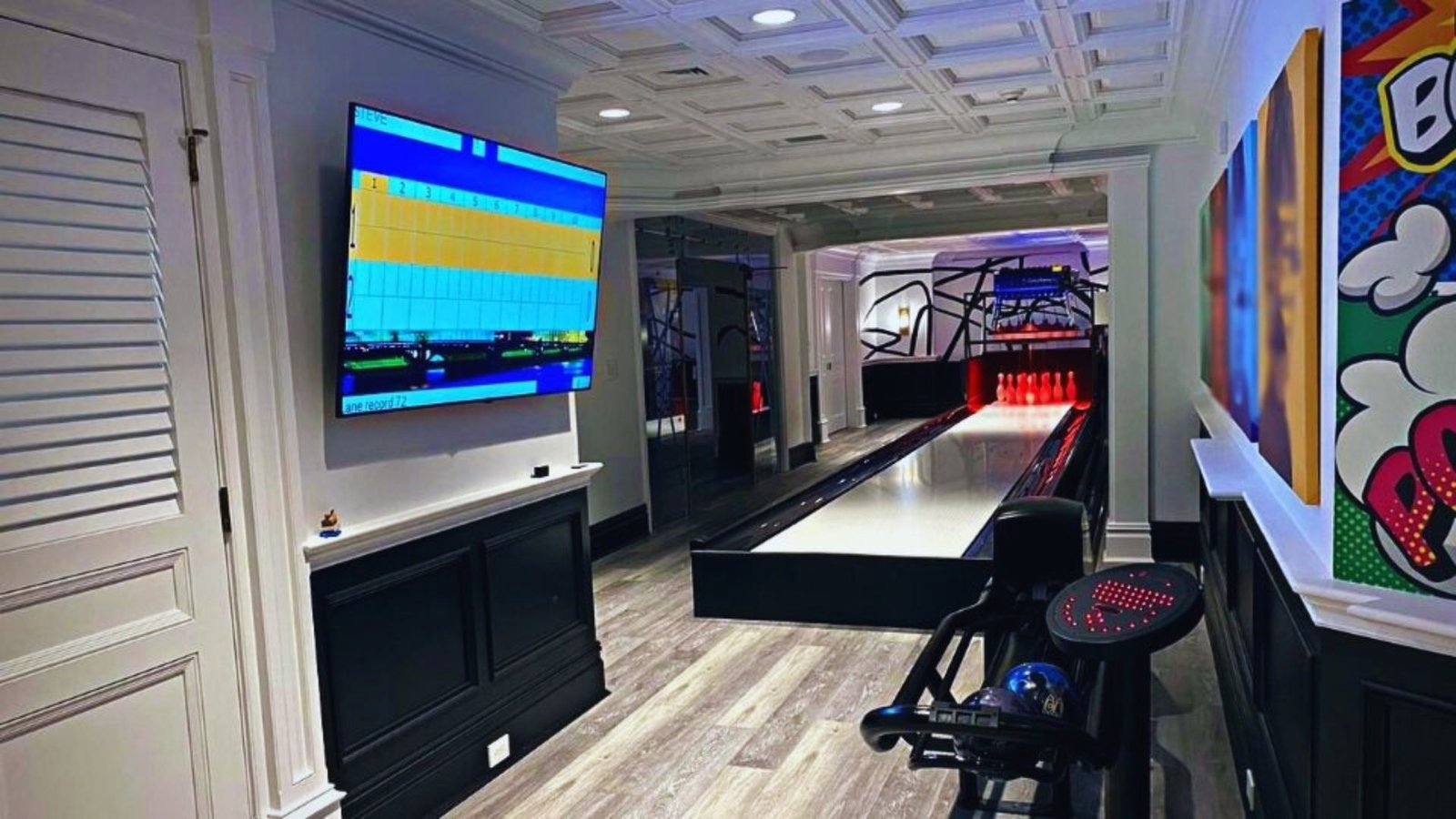
One or two full-size lanes fit in many larger basements and create a major wow factor for guests. Proper lane materials, pin-setting equipment, and seating areas require advance planning during construction. It’s an investment that pays back in memorable moments every time.
18. Indoor Basketball Arcade Zone
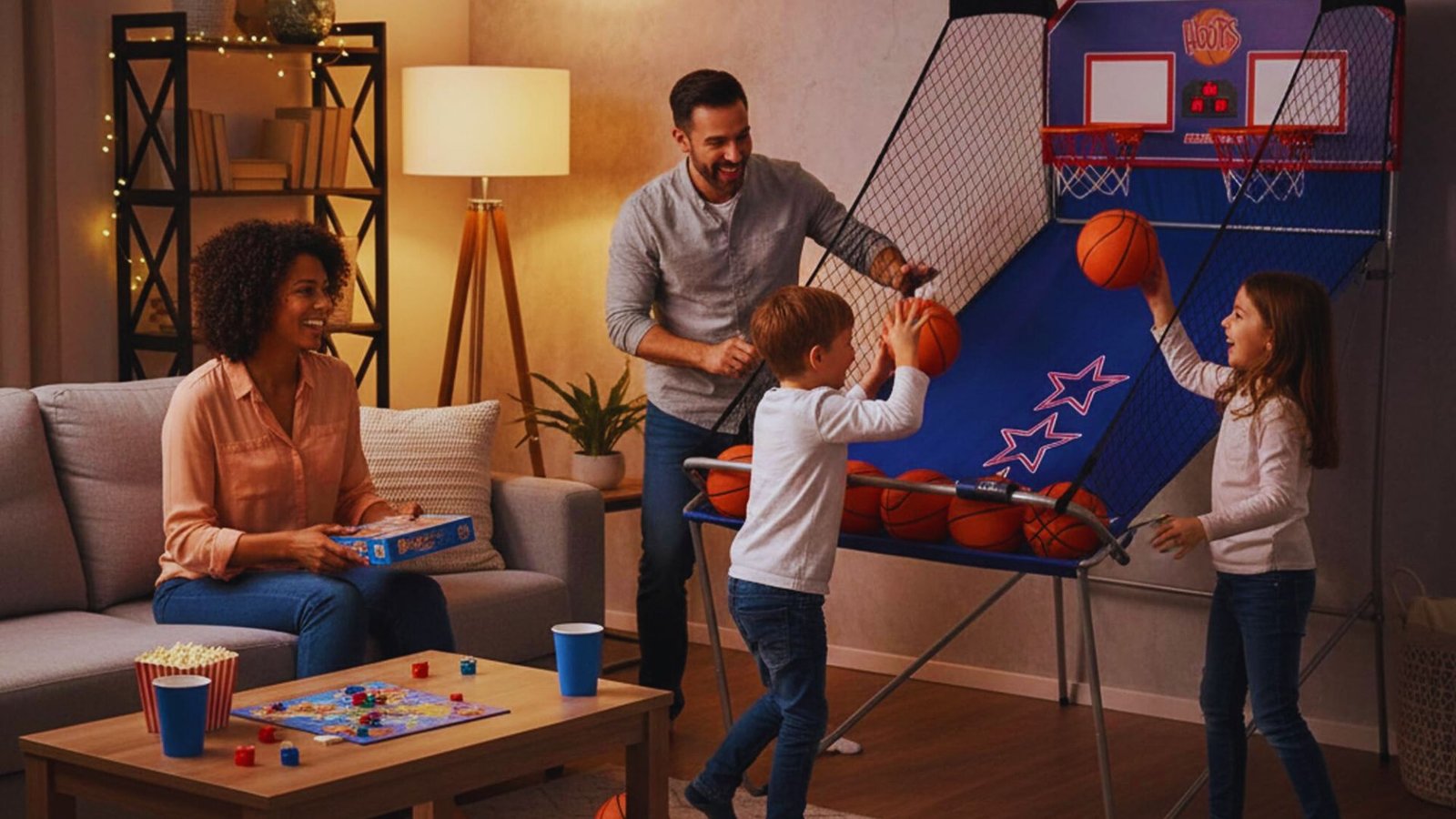
Arcade-style hoops, sports games, and open floor space keep energy and activity levels high. Great for active families, teenagers, or anyone who wants a fun outlet at home. Durable flooring and good ceiling clearance are the two things to plan for first.
19. Boutique-Style Guest Suite
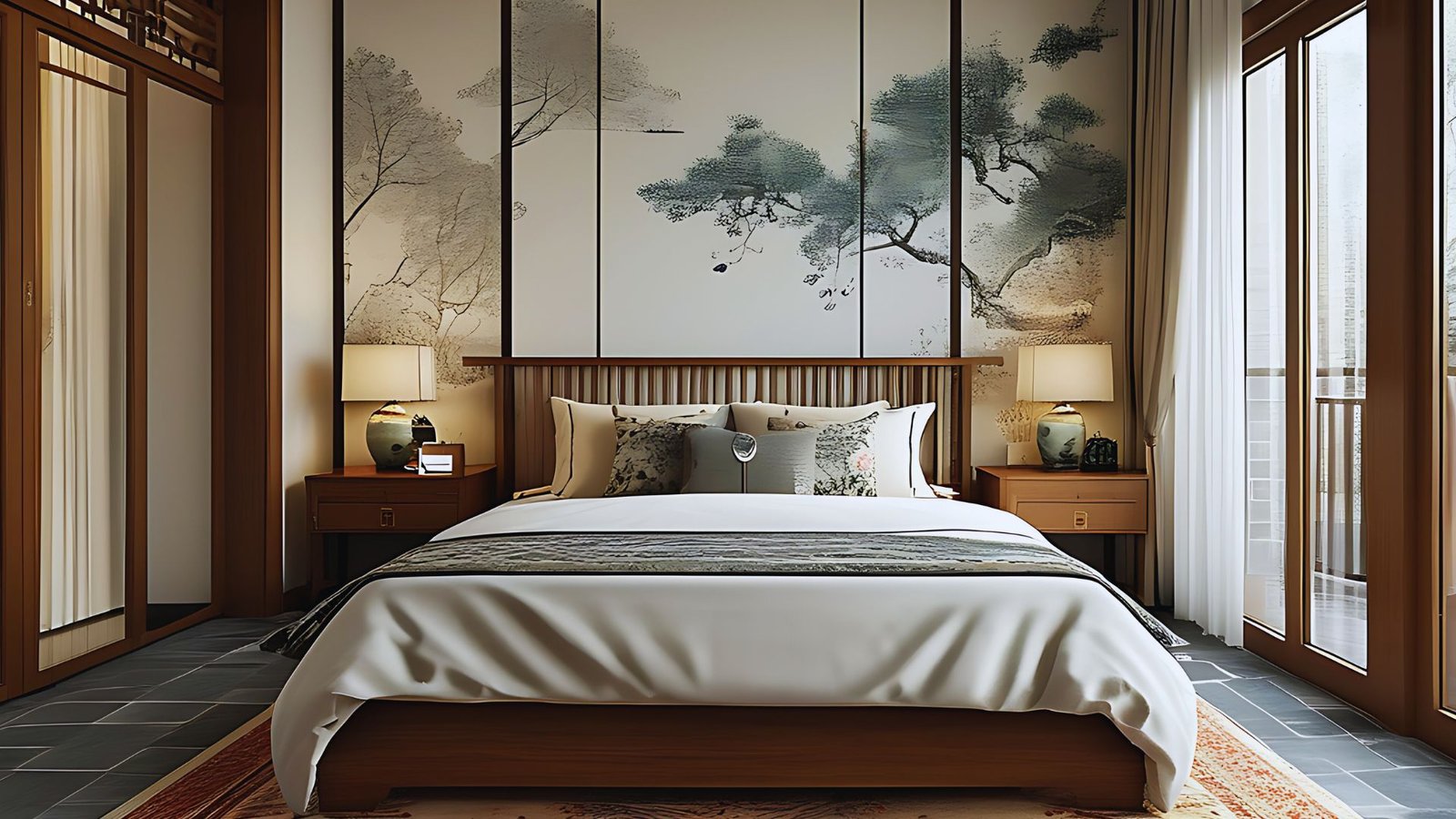
A well-designed guest room with quality linens, proper lighting, and thoughtful storage makes visitors feel genuinely welcomed. The goal is to make it feel like a hotel stay without the hotel price tag. Small luxuries like a bedside lamp and extra blankets make a lasting impression.
20. Basement Apartment With Kitchenette
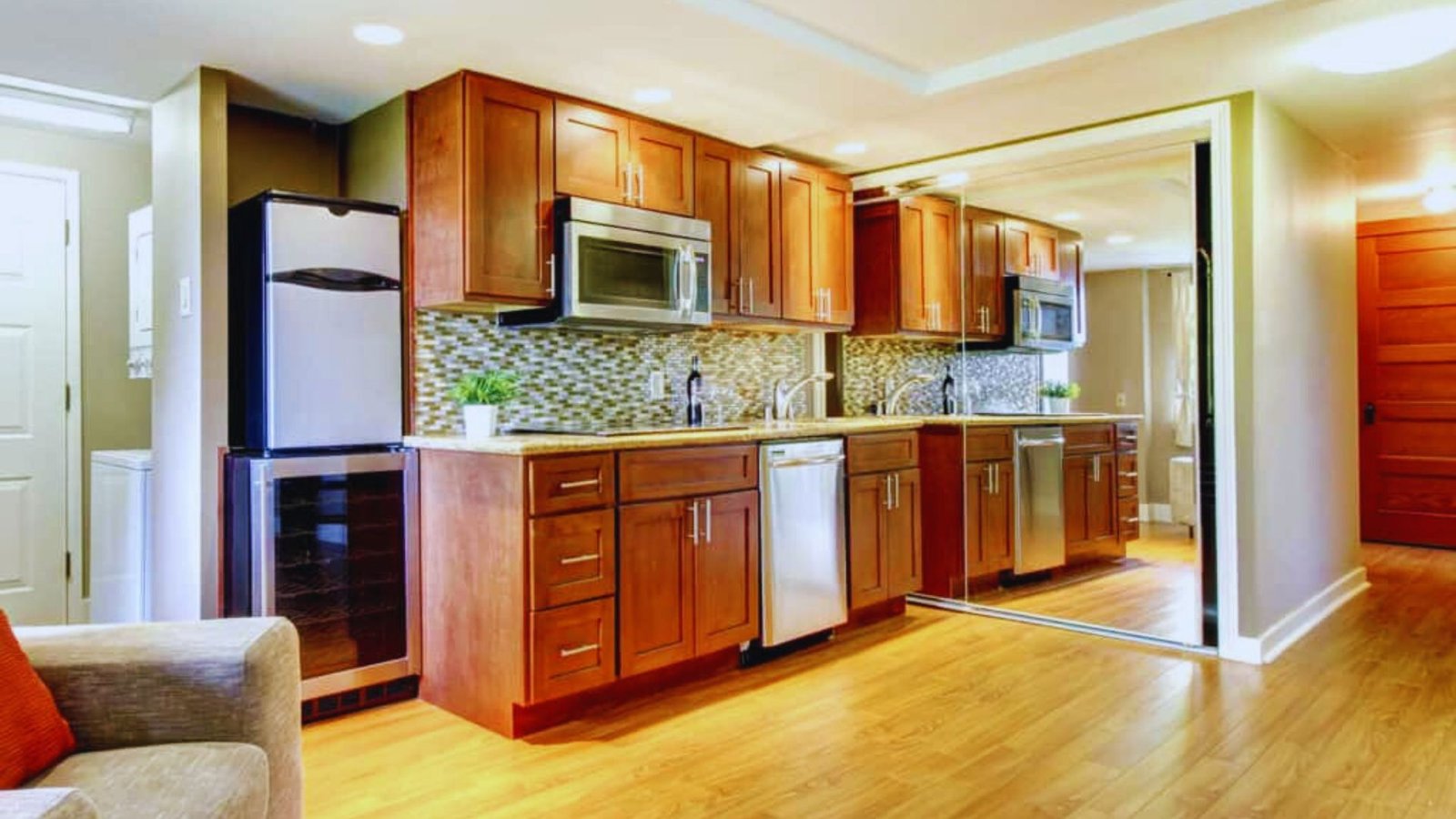
A self-contained unit adds real flexibility for in-laws, adult children, or potential rental income. A kitchenette with a small fridge, sink, and microwave makes the space fully independent. Check local zoning rules before building to confirm what’s permitted in your area.
21. Luxury Ensuite Basement Bedroom
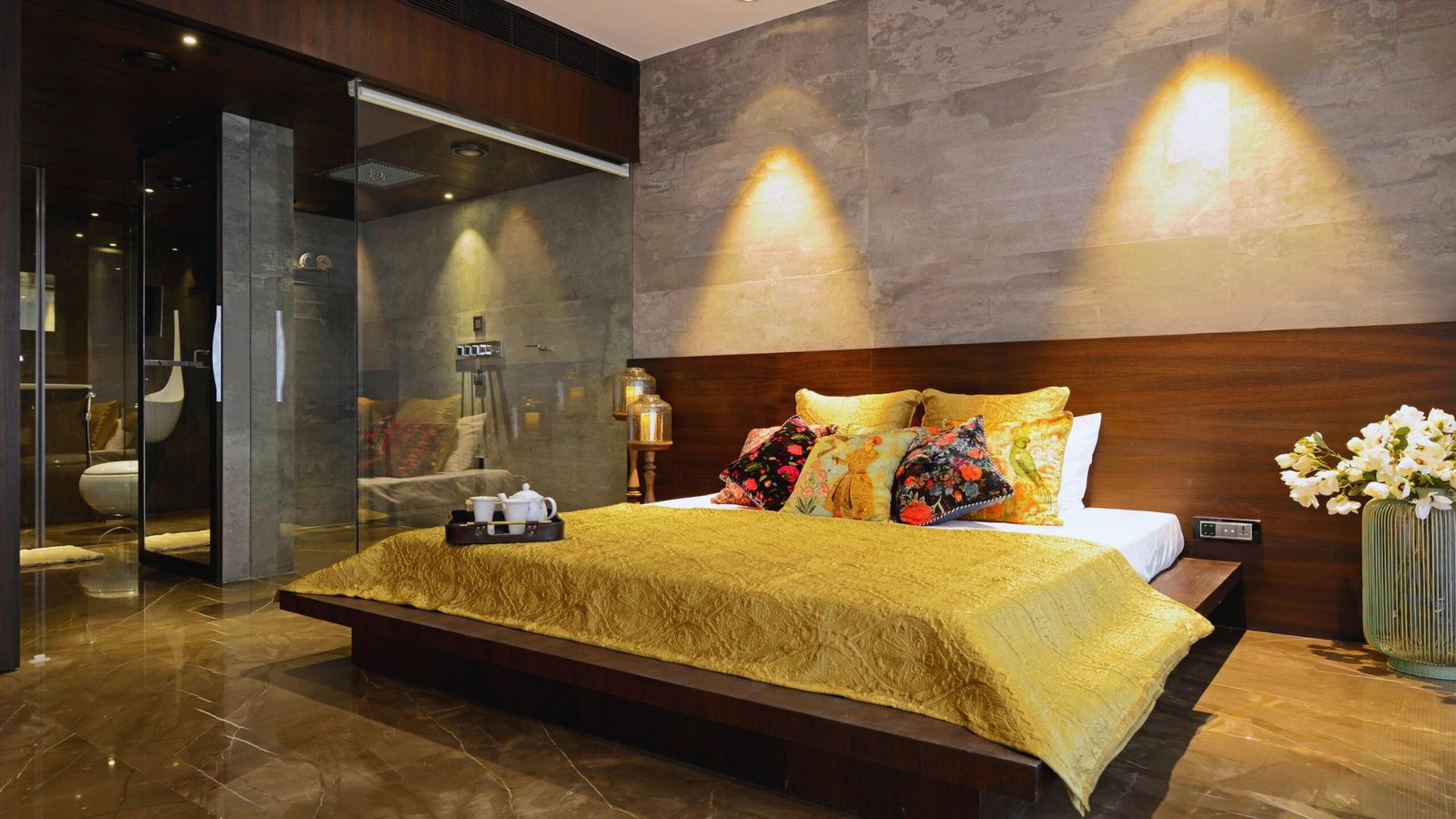
A private bathroom attached to the bedroom creates a true suite experience in the lower level. High-end fixtures, quality tile, and proper ventilation make it feel above-grade. This setup is especially valuable for multigenerational living arrangements.
22. Personal Library With Floor-to-Ceiling Shelves

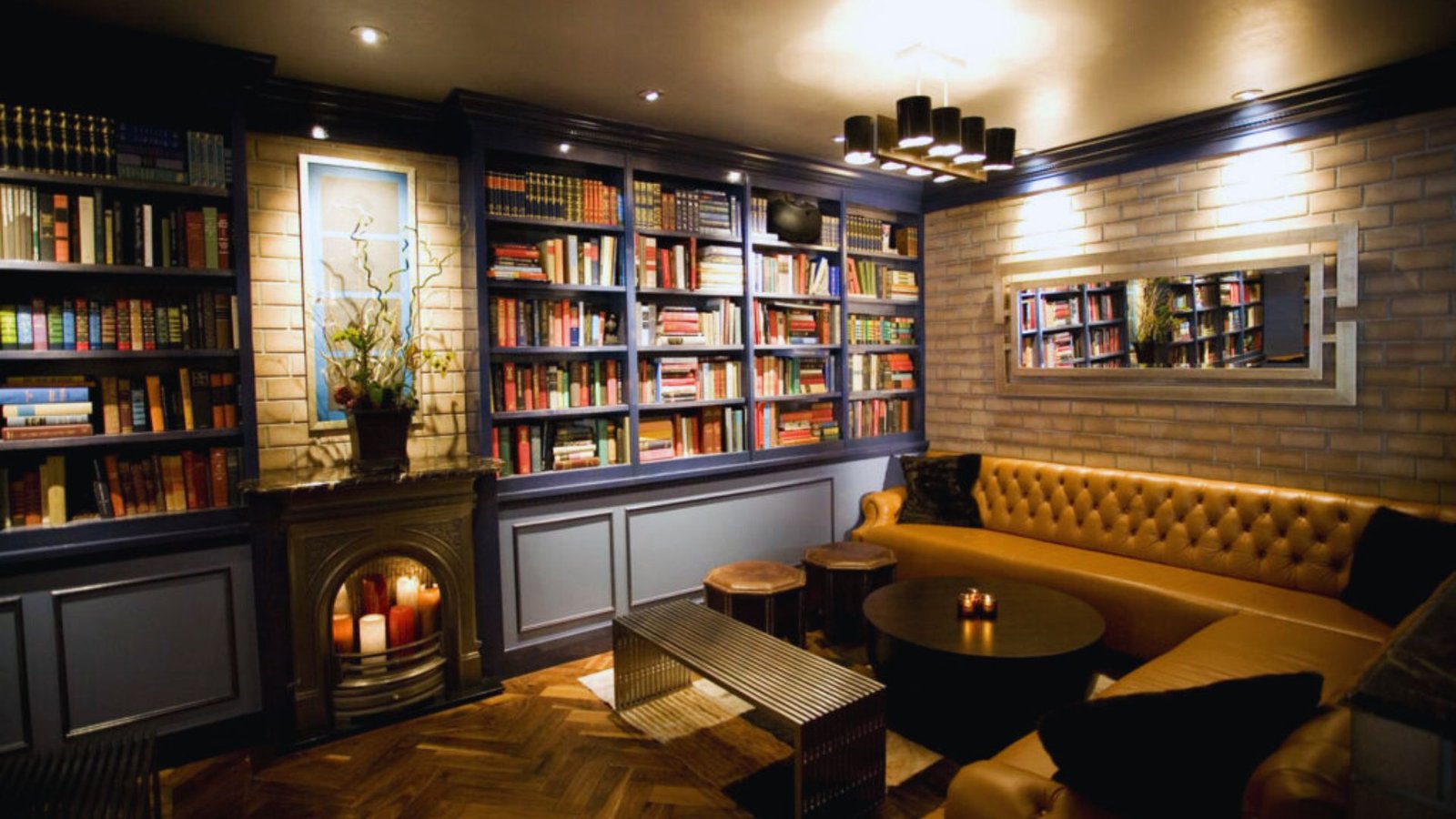
Built-in shelves from floor to ceiling create a rich, quiet environment that serious readers love. A rolling library ladder adds both function and a touch of old-world drama. Warm lighting and a comfortable reading chair complete the space perfectly.
23. Reading Nook With Custom Bench Seating
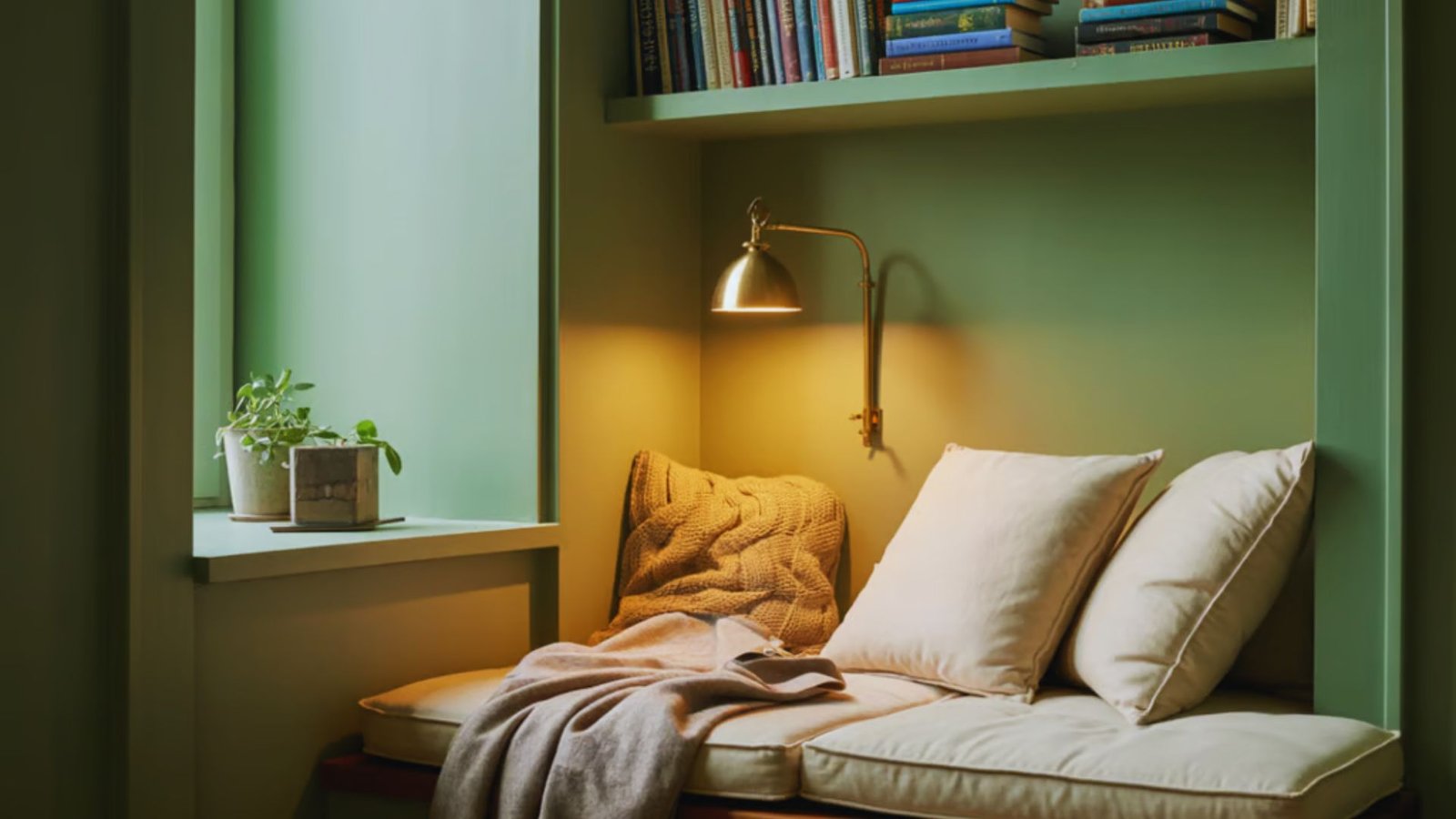
A tucked-away bench with thick cushions and a well-placed reading light creates the perfect quiet corner. It uses awkward wall space productively while adding real comfort to the room. Simple in concept but incredibly satisfying once it’s built.
24. Soundproof Music Studio
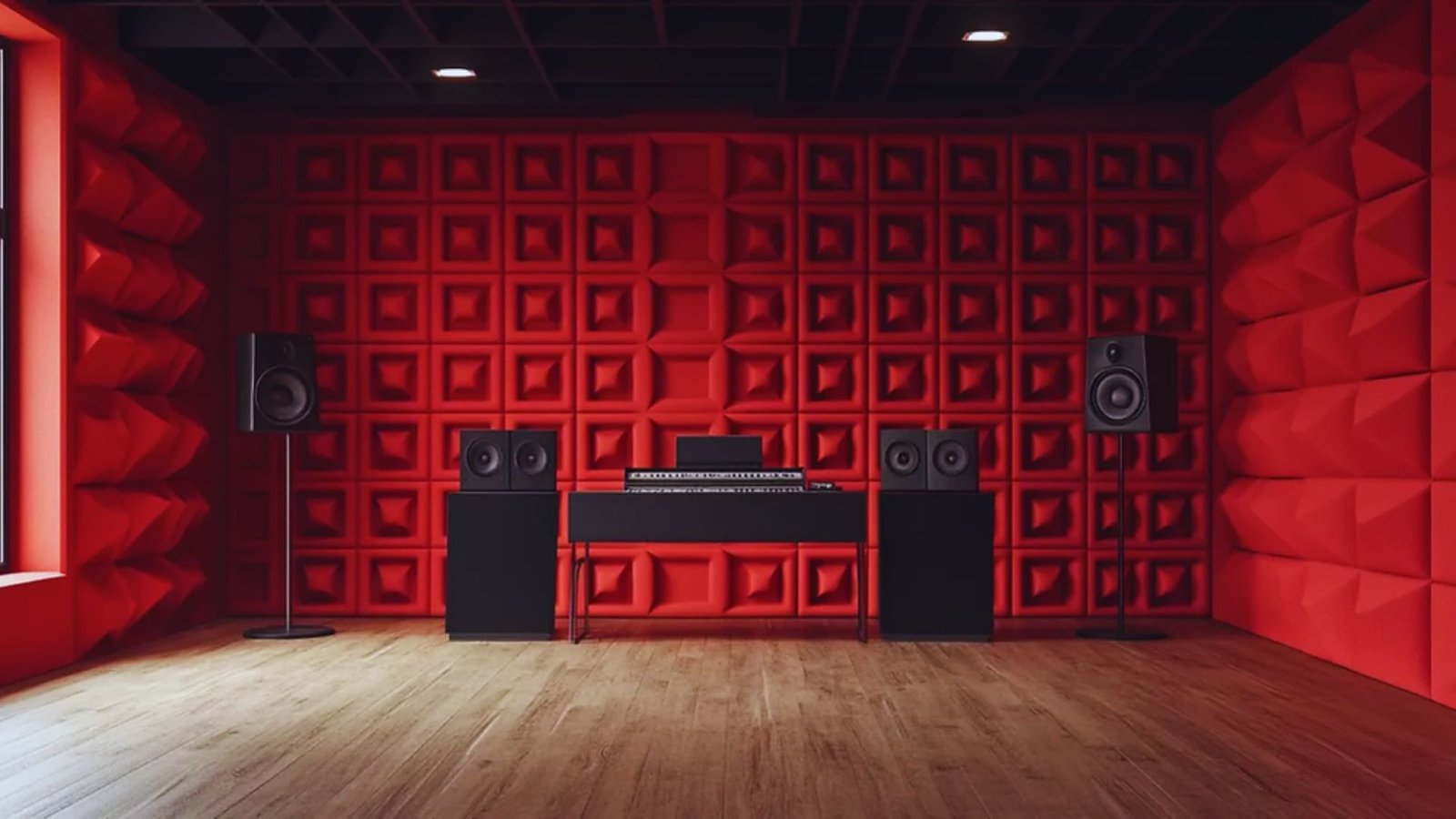
Acoustic panels, proper insulation, and solid-core doors let you record or play without disturbing anyone upstairs. The investment in soundproofing pays off immediately in both performance quality and household peace. Plan the electrical layout carefully to handle studio-grade equipment loads.
25. Podcast Recording Room
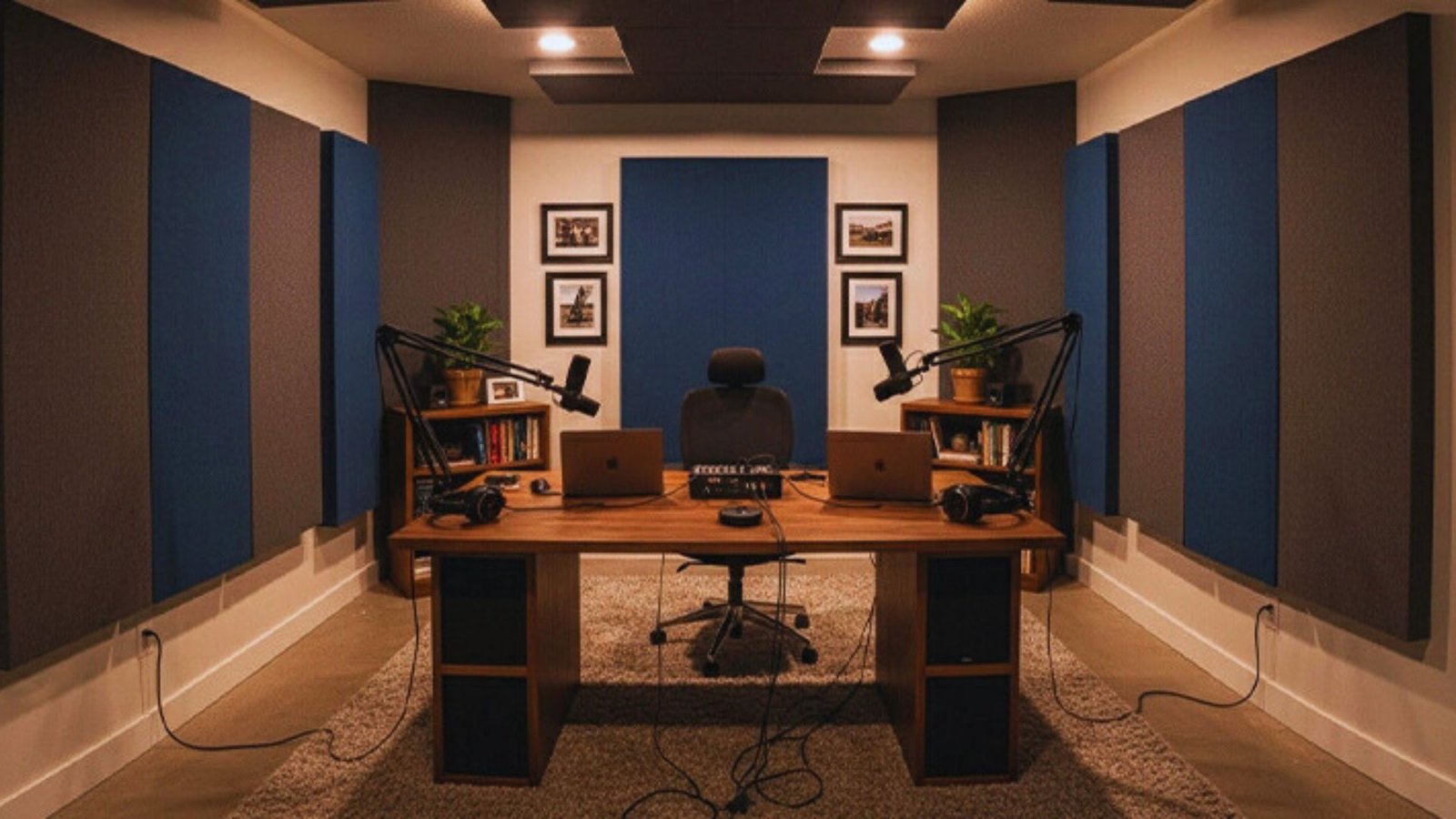
A dedicated recording space with acoustically treated walls and a clean desk setup improves audio quality dramatically. It also creates a professional backdrop if you record video content along with audio. Keep the design minimal so the equipment and your voice take center stage.
26. Art Studio With Built-In Storage
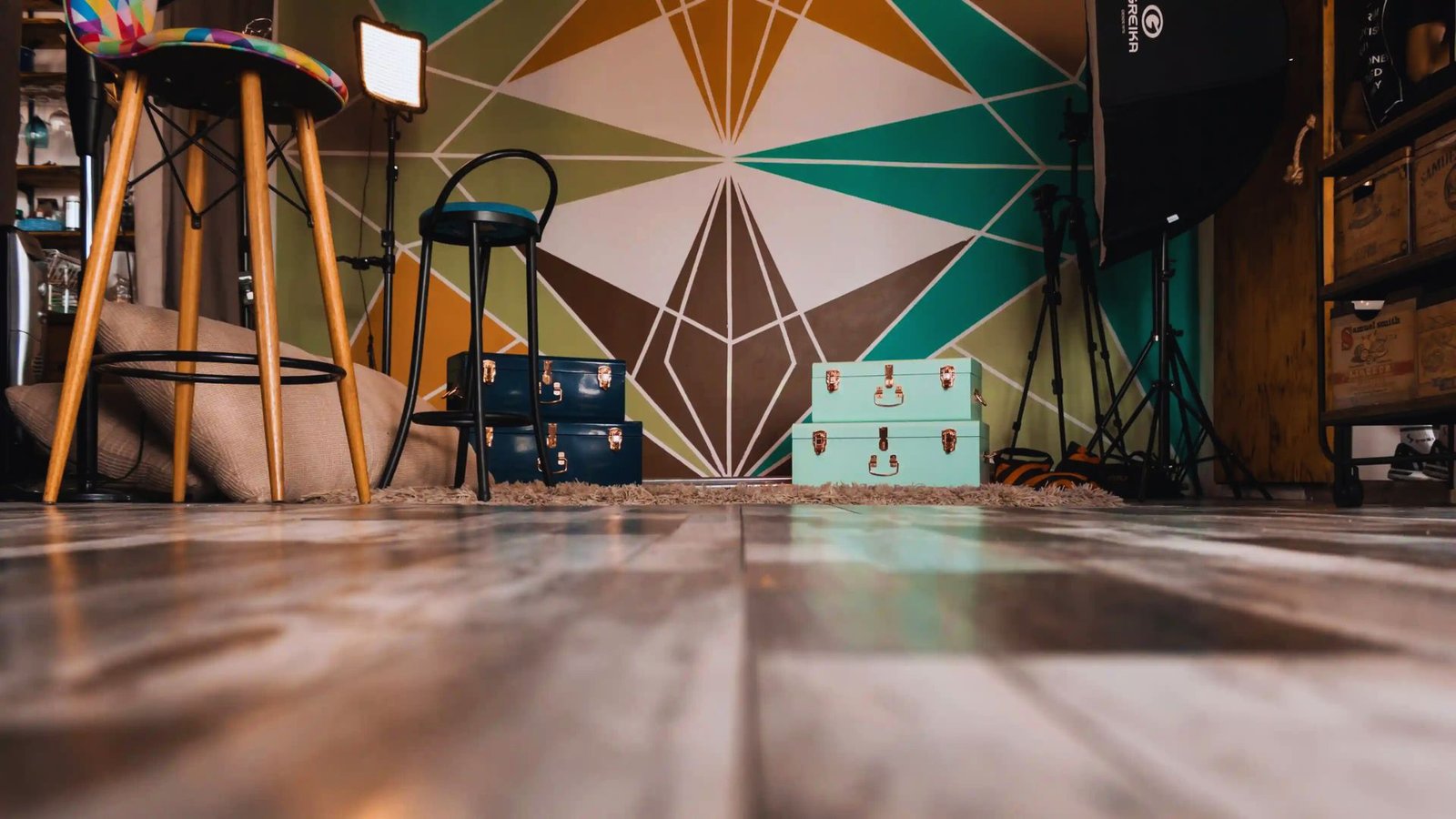
Ample built-in storage and durable, easy-clean flooring make creating art easier and far less stressful. Natural or daylight-balanced lighting is essential for seeing colors accurately during work. A deep utility sink nearby adds serious practical value to the space.
27. Craft and Hobby Room
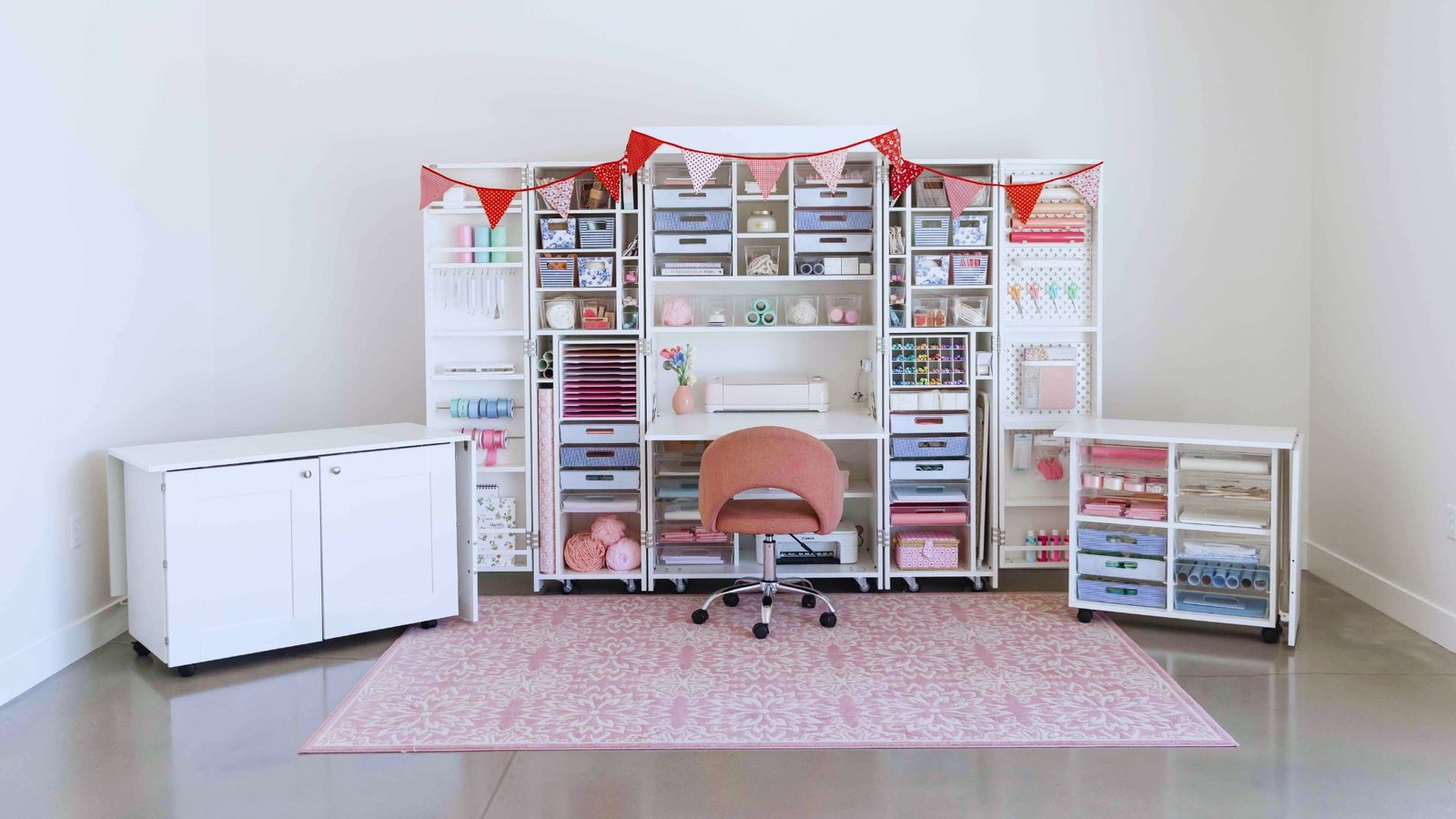
Organized shelving, deep drawers, and a large central worktable keep projects manageable and materials accessible. Customize the storage layout around your specific hobby rather than using a generic approach. Good lighting over the work surface prevents eye strain during detailed projects.
28. Stylish Kids’ Playroom
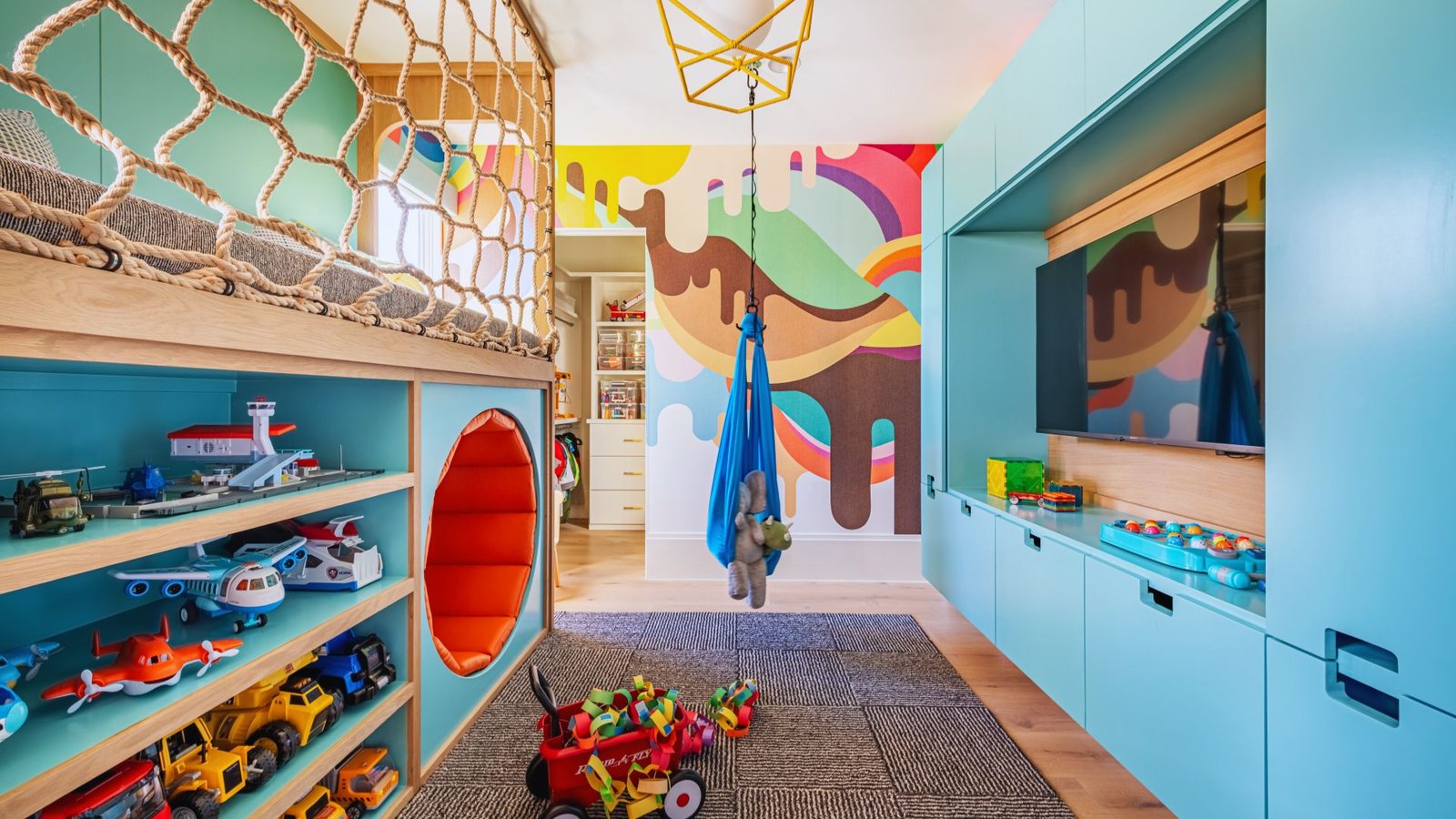
Durable flooring, bright colors, and smart built-in storage make a space kids enjoy and can actually keep tidy. The key is designing storage that children can access and use independently. Fun without chaos is the goal, and good organization makes it achievable.
29. Indoor Climbing Wall
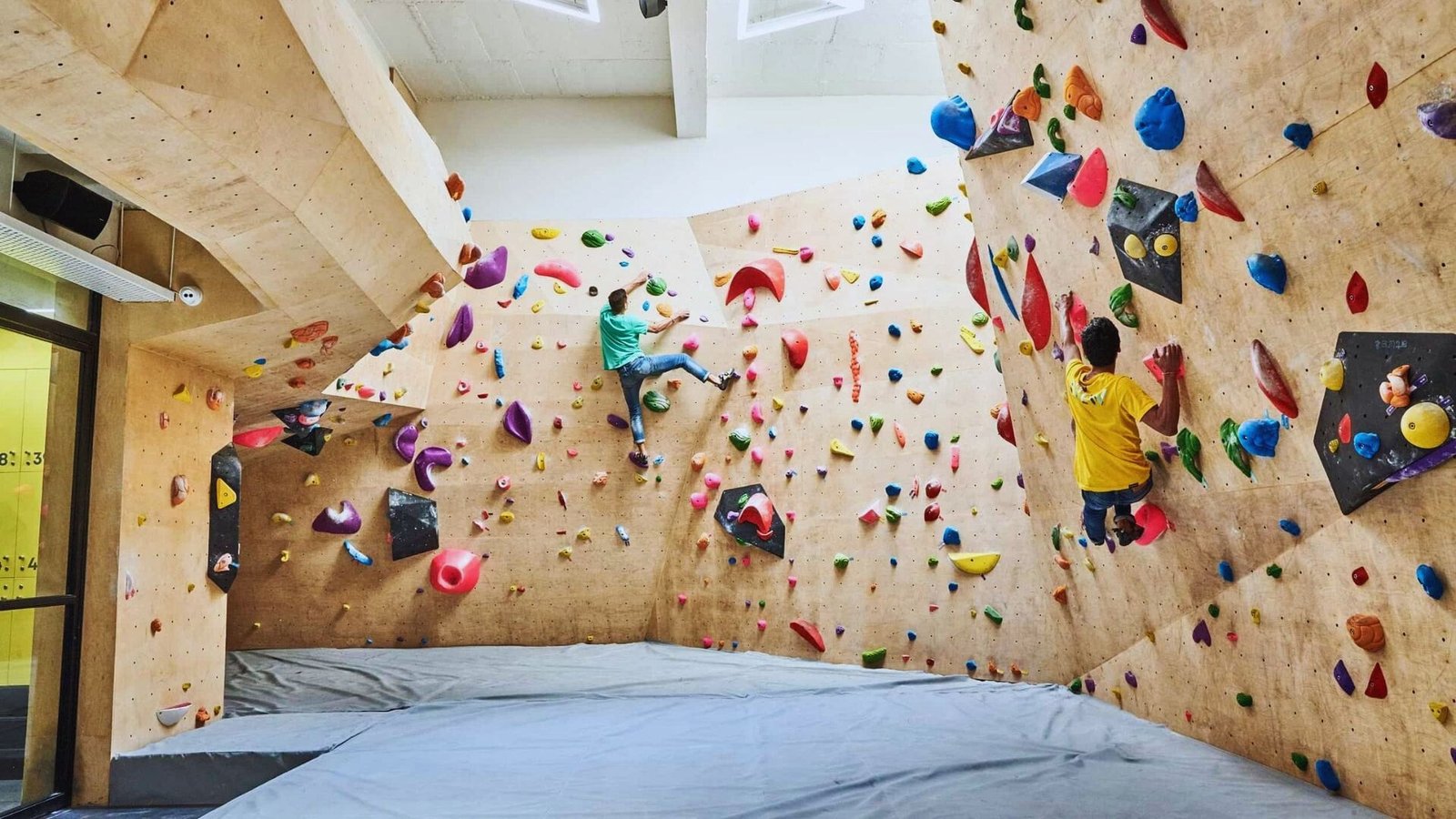
A wall fitted with climbing holds is both great exercise and a genuinely exciting feature for active households. It uses vertical space creatively in a way that few other basement ideas can. Proper padding on the floor below is a non-negotiable safety requirement.
30. Family Recreation Great Room

A large open room with games, flexible seating, and a TV serves every member of the family well. It becomes the natural gathering point on weekends and after school. The key is keeping it open enough to adapt as your family’s needs change over time.
31. Hidden Storage Wall With Sliding Panels
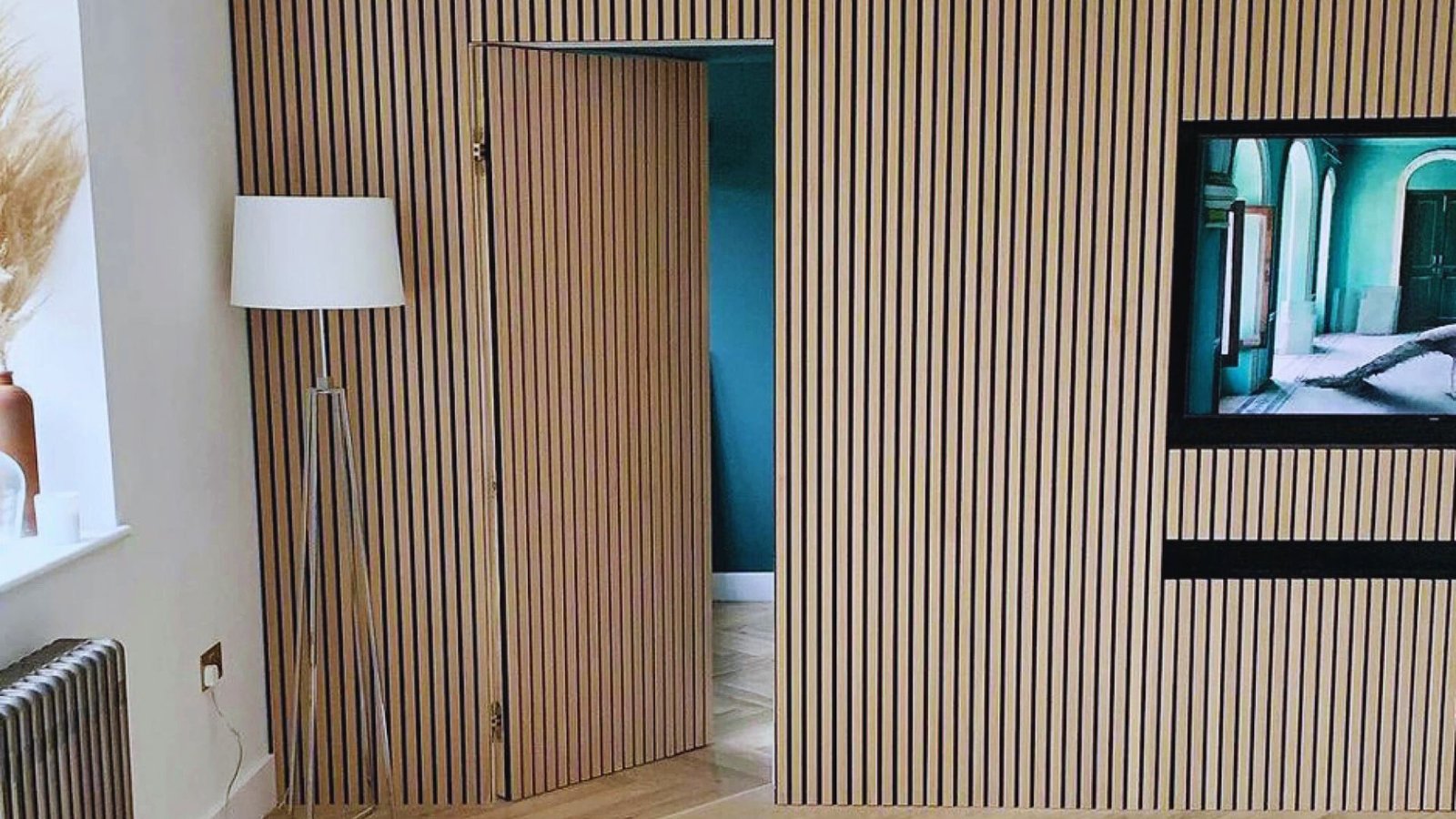
Sliding panels that conceal storage keep the room looking clean and intentional at all times. It’s a smart solution for homes where clutter tends to accumulate in common spaces. The reveal when panels open is also a satisfying moment guests always enjoy.
32. Basement Mudroom Extension
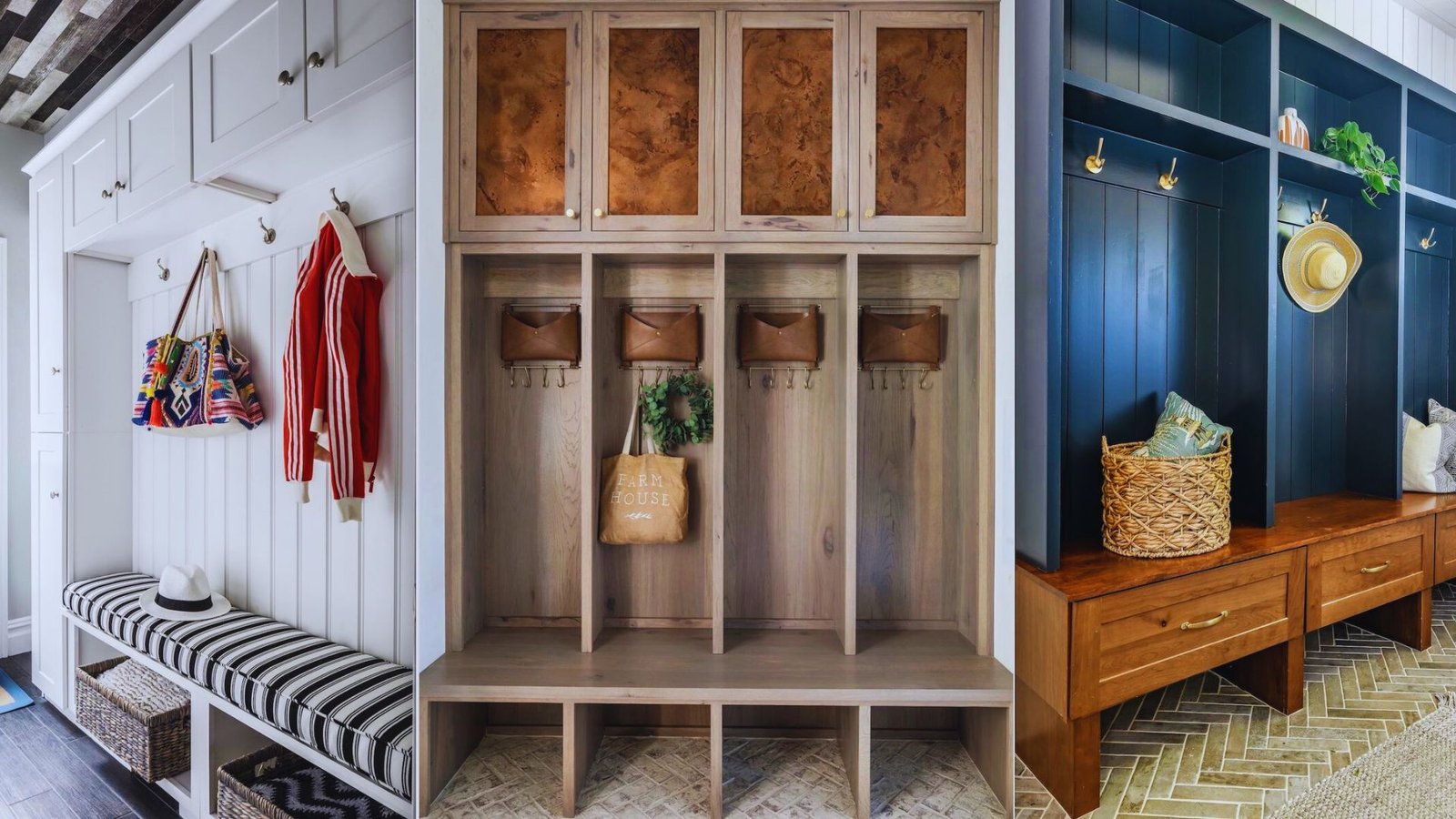
Adding drop zones, hooks, cubbies, and bench seating near a side entrance keeps the main floor significantly cleaner. It gives everyone in the household a dedicated spot for shoes, bags, and outdoor gear. Very practical for busy families who need function built into every corner.
33. Walkout Basement With Patio Access
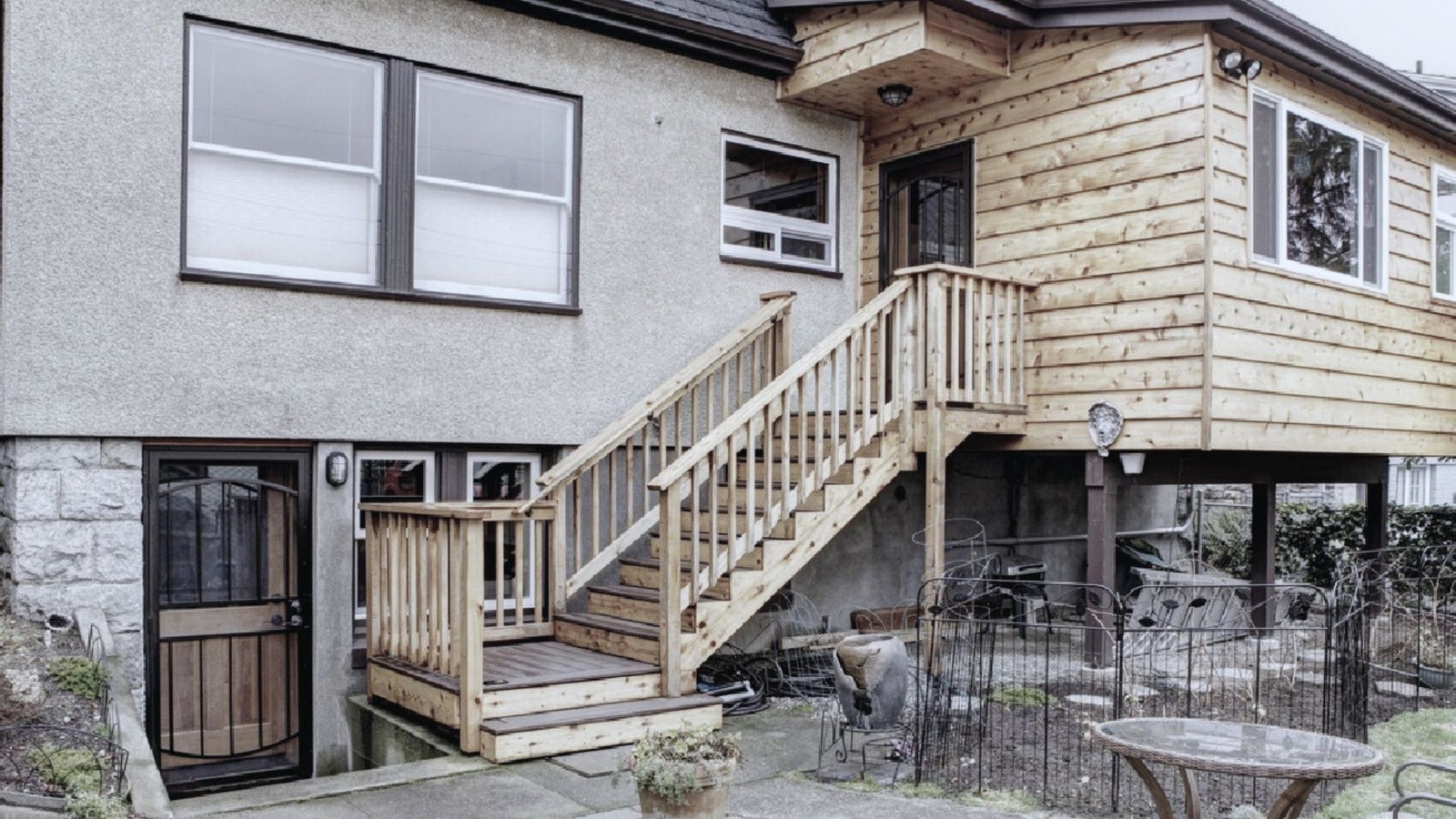
Direct outdoor access through sliding or French doors makes the basement feel far closer to above-grade living. It improves natural light, ventilation, and connection to the outdoors significantly. Landscaping the patio area well extends the livable space even further into the yard.
34. Garage-Door Style Glass Wall Feature
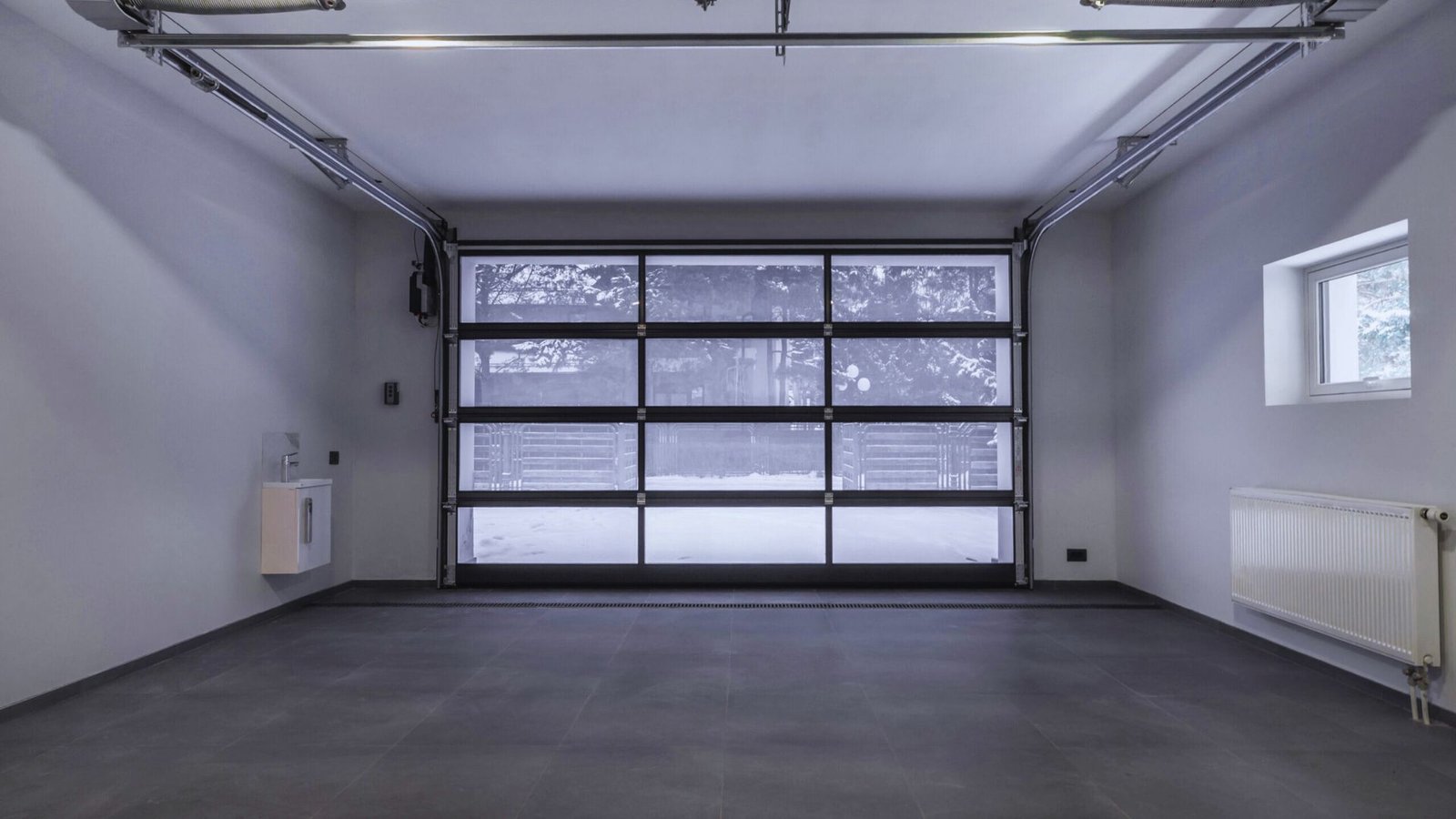
A large glass panel that opens like a garage door blurs the line between interior and exterior space beautifully. It’s a modern architectural feature that genuinely impresses on first sight. Works best paired with a covered outdoor entertaining area just beyond the opening.
35. Indoor-Outdoor Entertainment Basement
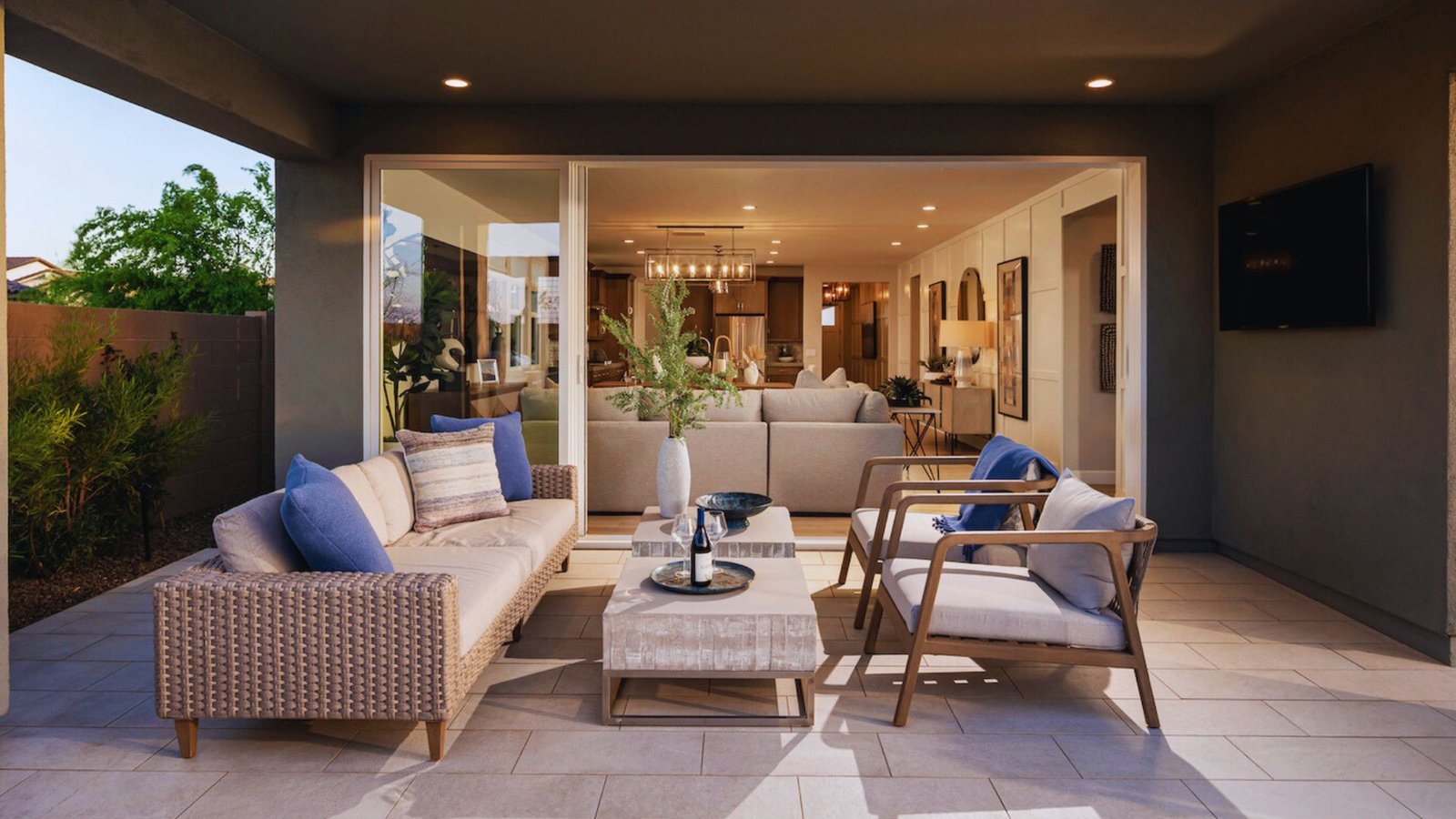
Extending your entertaining space to a covered patio effectively doubles your usable hosting area. It creates a natural indoor-outdoor flow that guests move between freely and comfortably. Warm months become far more enjoyable when the boundary between inside and outside disappears.
36. Statement Stone Fireplace Feature Wall
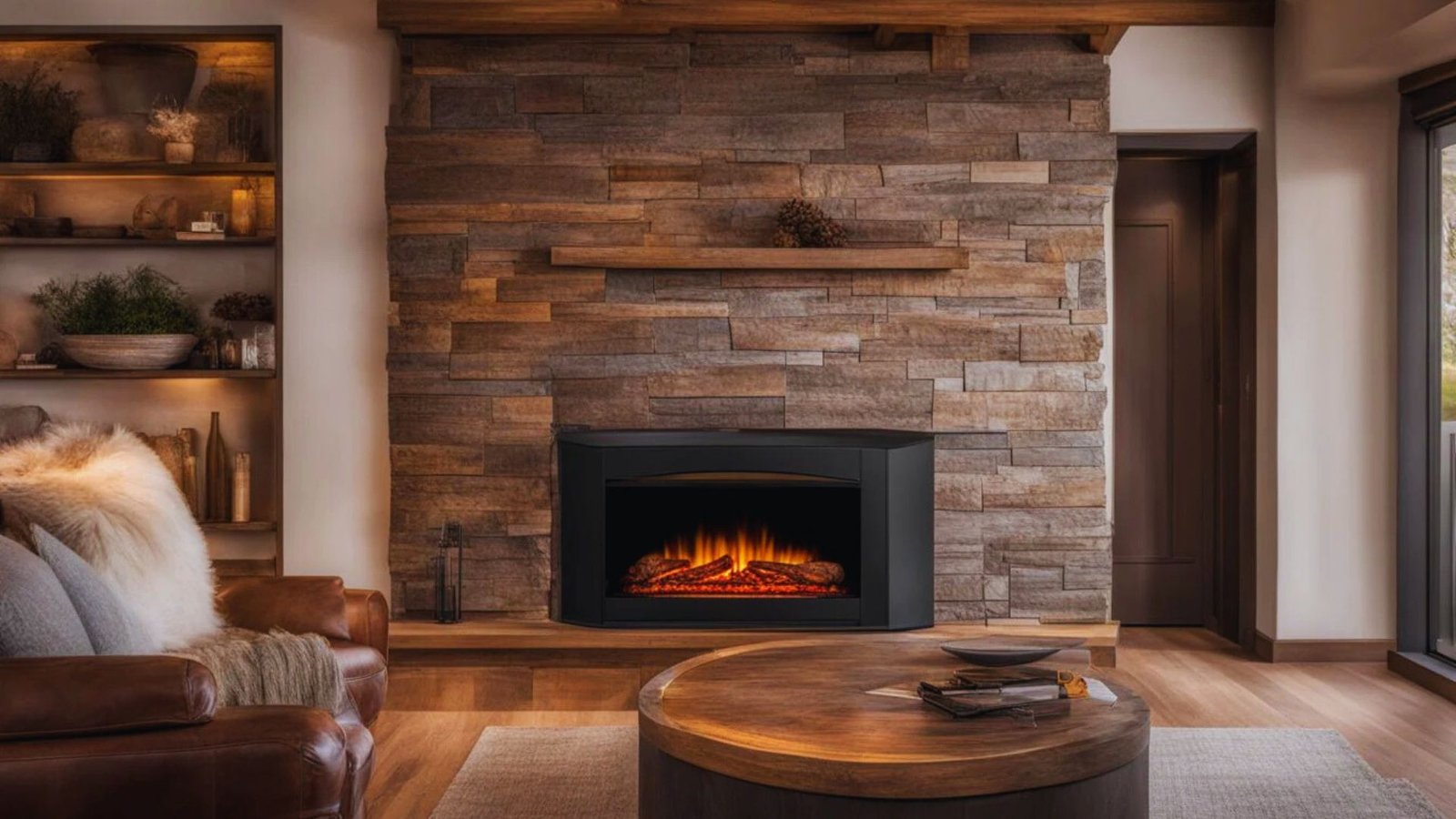
A full stone wall framing a fireplace creates a bold, grounded focal point for the entire room. It works equally well in rustic, transitional, and modern basement design styles. The material choice for the stone sets the tone for every other finish in the space.
37. Coffered Ceiling Living Space
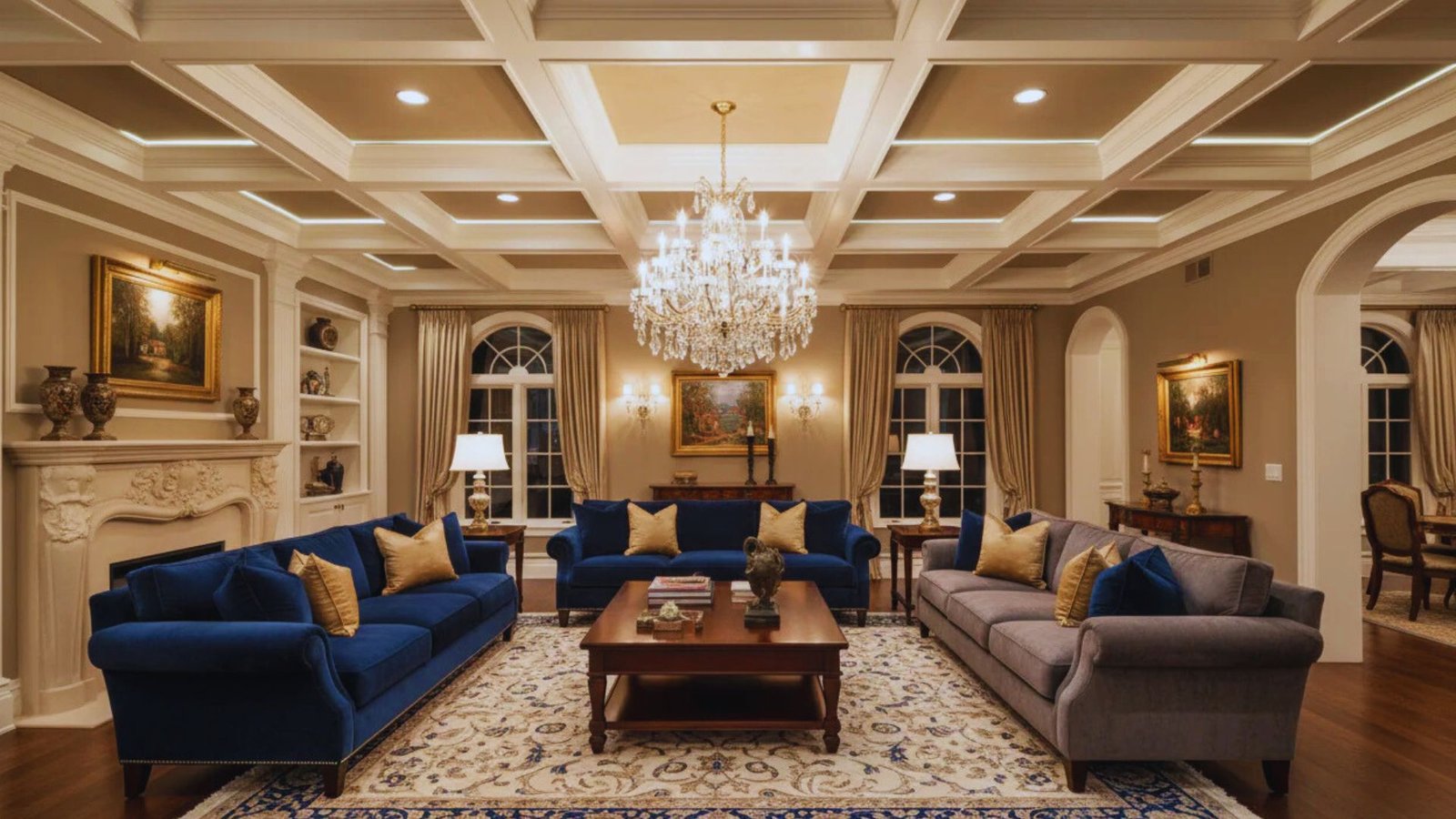
Coffered ceilings add genuine architectural detail and create the illusion of more vertical height. They make any basement feel more finished, formal, and intentional in design. Painting the coffers a contrasting color adds even more visual depth to the ceiling plane.
38. Exposed Brick Luxury Basement Design
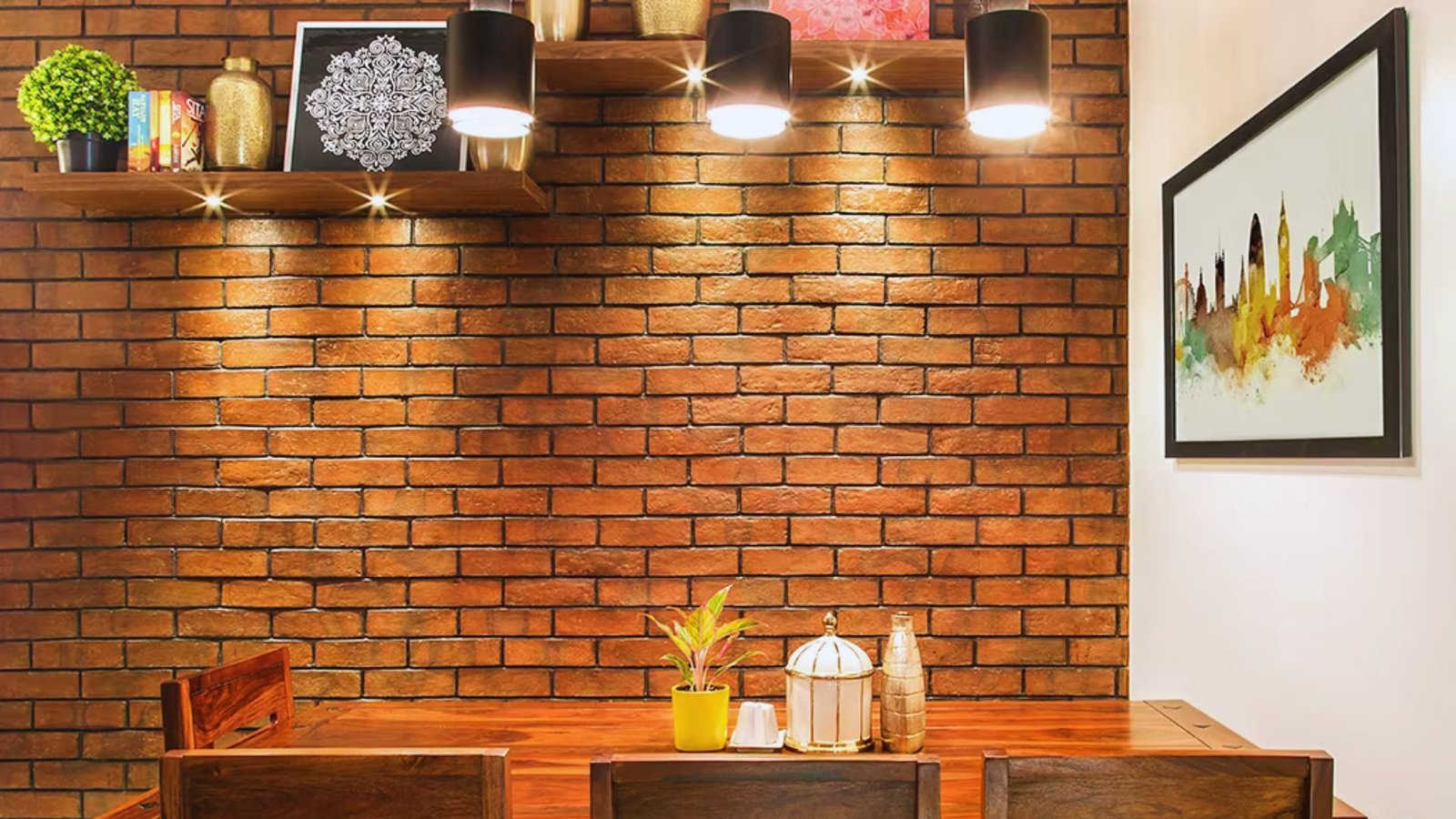
Existing brick walls can become the room’s strongest design feature with the right approach. Clean the brick, seal it properly, and pair it with warm lighting for the best visual result. It adds texture and character that no painted wall can replicate or replace.
39. Polished Concrete Modern Loft Basement
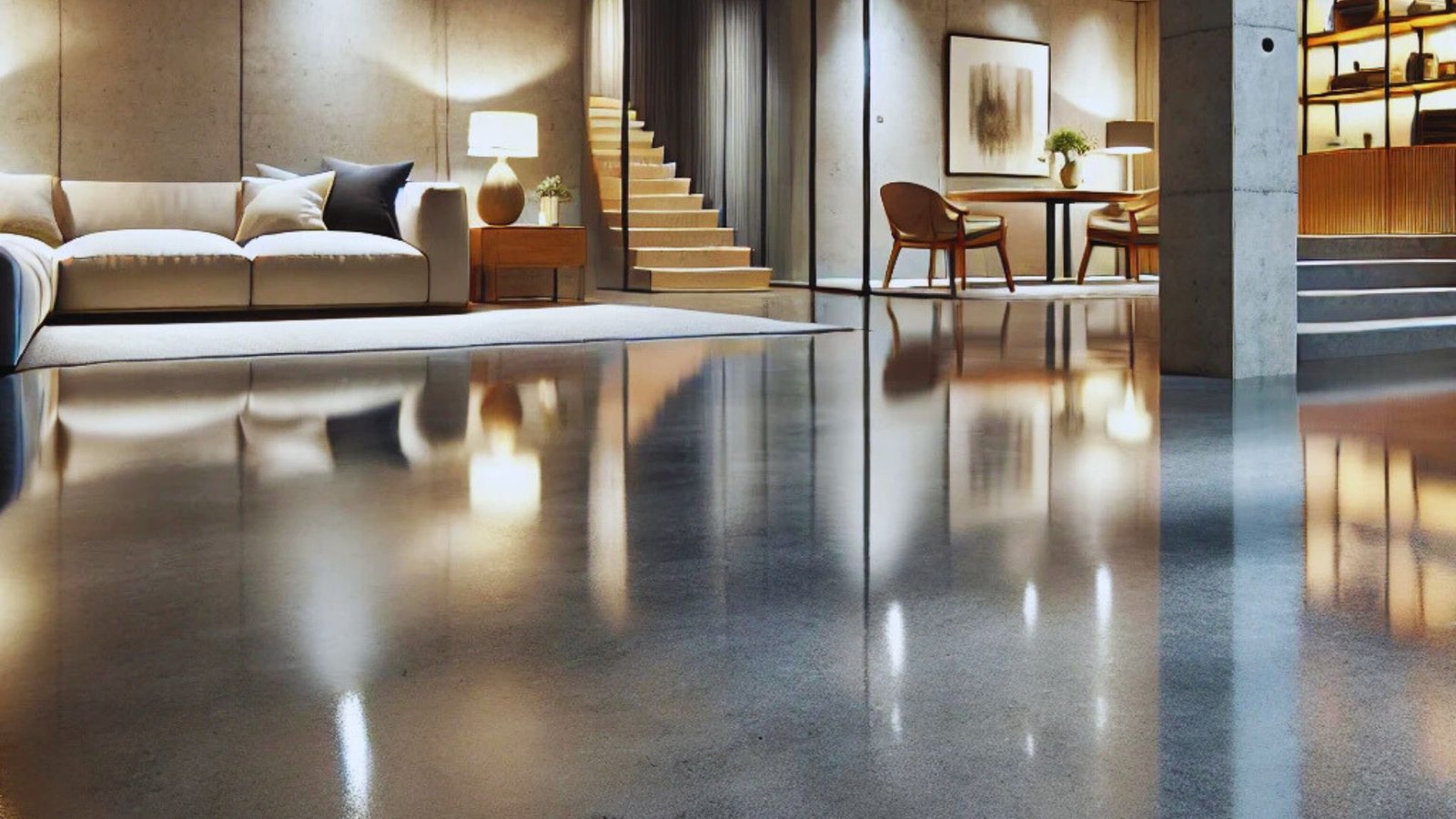
Polished floors, high ceilings, and deliberately minimal furniture create a clean, urban loft look. The flooring is extremely low maintenance and holds up beautifully under heavy daily use. Add warm textiles and wood accents to soften the industrial edge of the space.
40. Midcentury Modern Basement Lounge
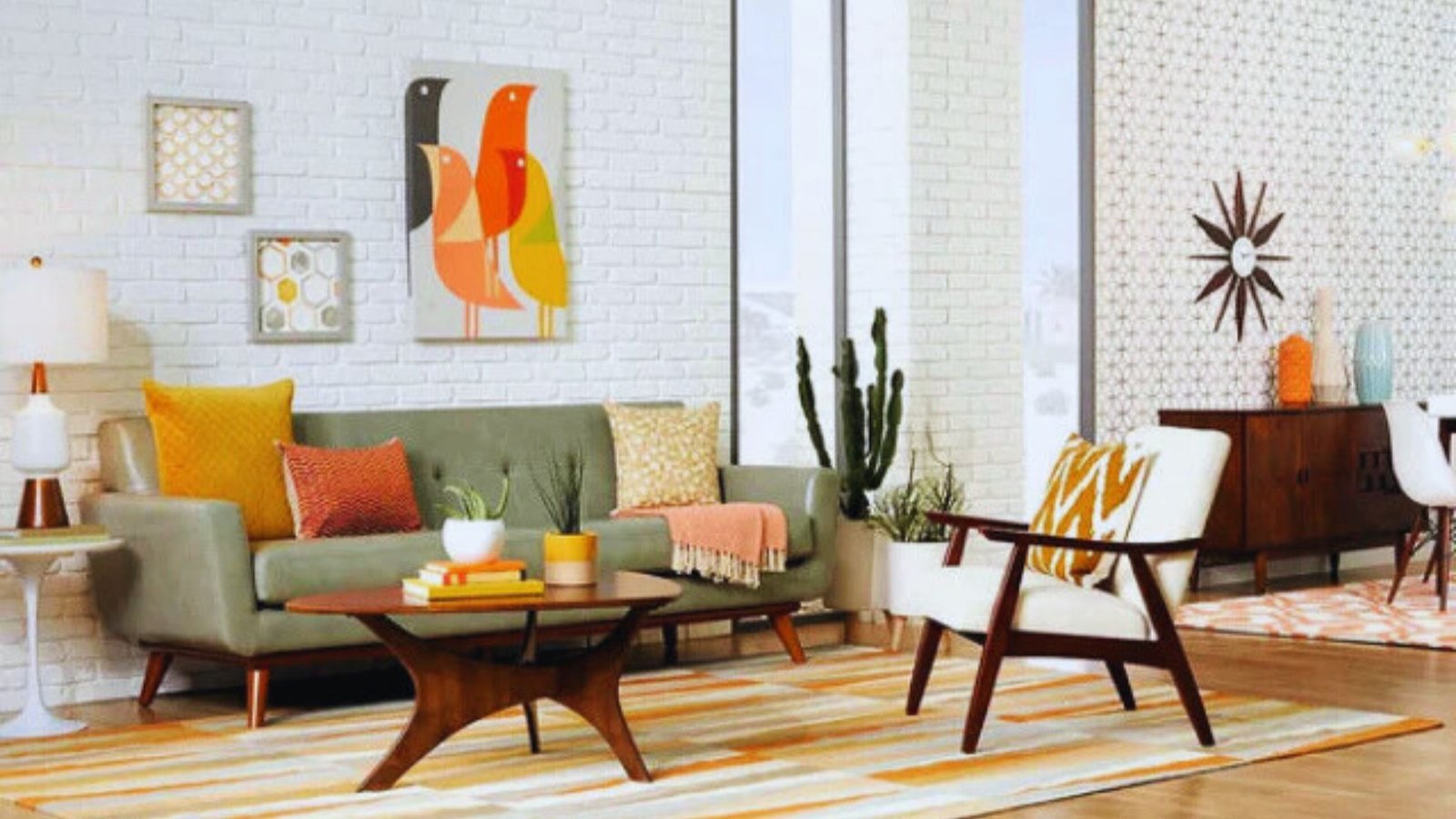
Clean lines, warm wood tones, tapered furniture legs, and retro-influenced accessories create a timeless look. It’s a style that feels current without chasing short-lived trends in any direction. Stick to an intentional color palette of warm neutrals and earthy tones throughout.
41. Scandinavian Minimalist Basement
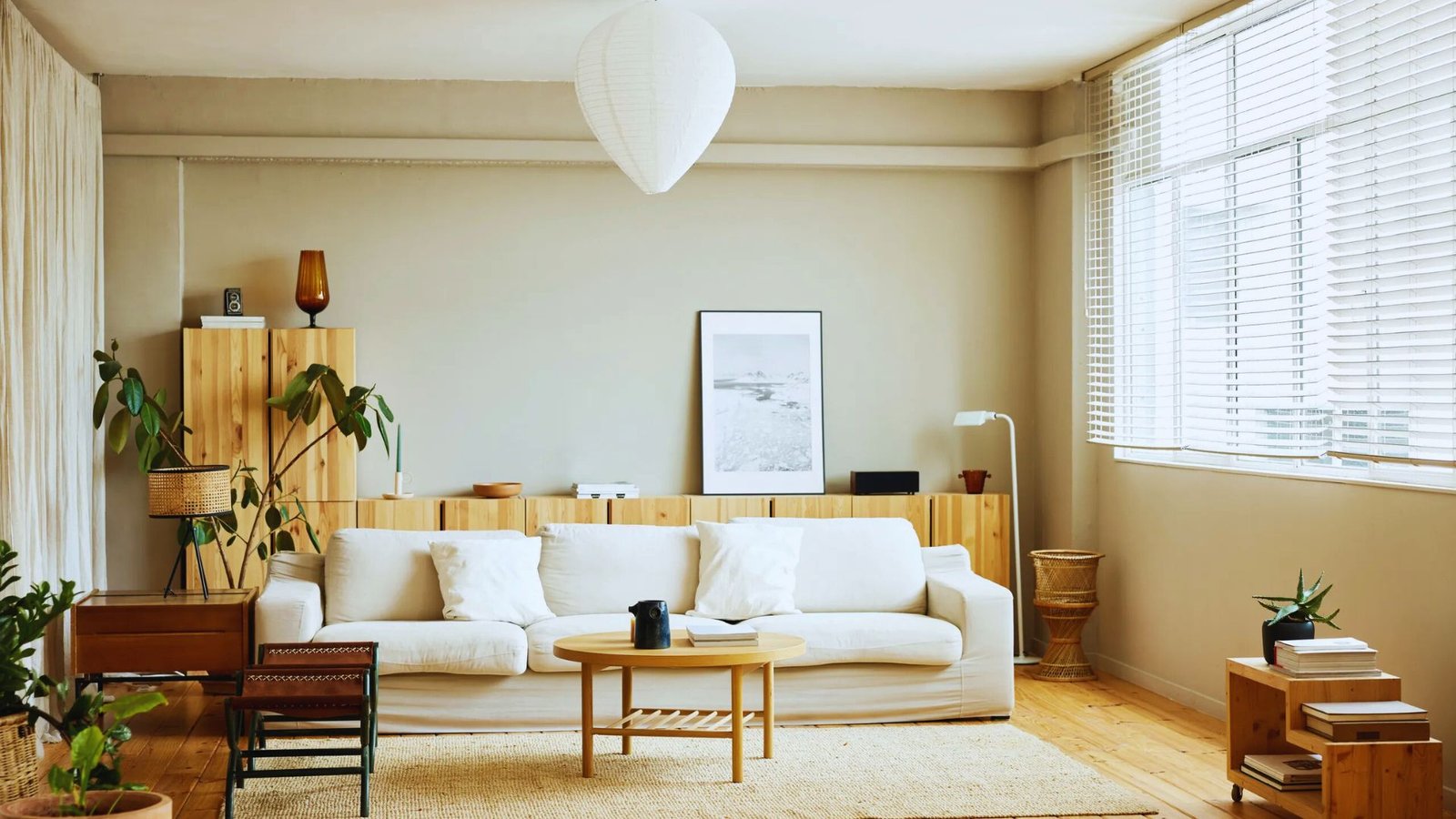
Light colors, natural wood, simple layouts, and carefully chosen functional pieces define this calming style. It’s calm, clutter-free, and designed around the idea that less genuinely is more. Works especially well in basements where you want a restful, low-stimulation retreat.
42. Coastal-Influenced Luxury Basement
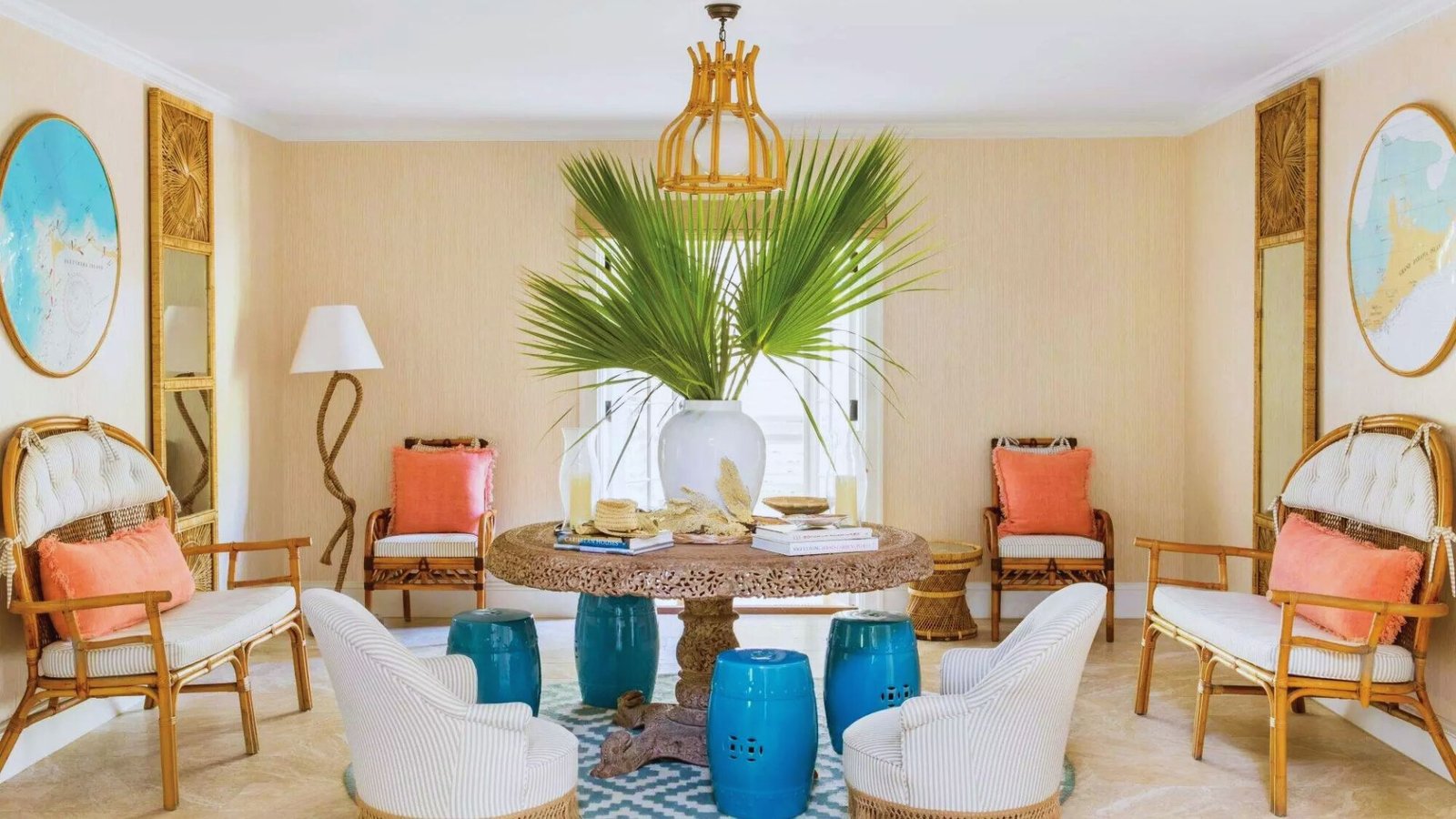
Light blues, natural textures like rattan and linen, and breezy furniture bring a relaxed beach feel to any lower level. It creates a sense of ease and openness that makes the space feel like a vacation. Works beautifully near the water or anywhere you want that relaxed coastal energy.
43. Masculine Dark-Toned Billiards Room
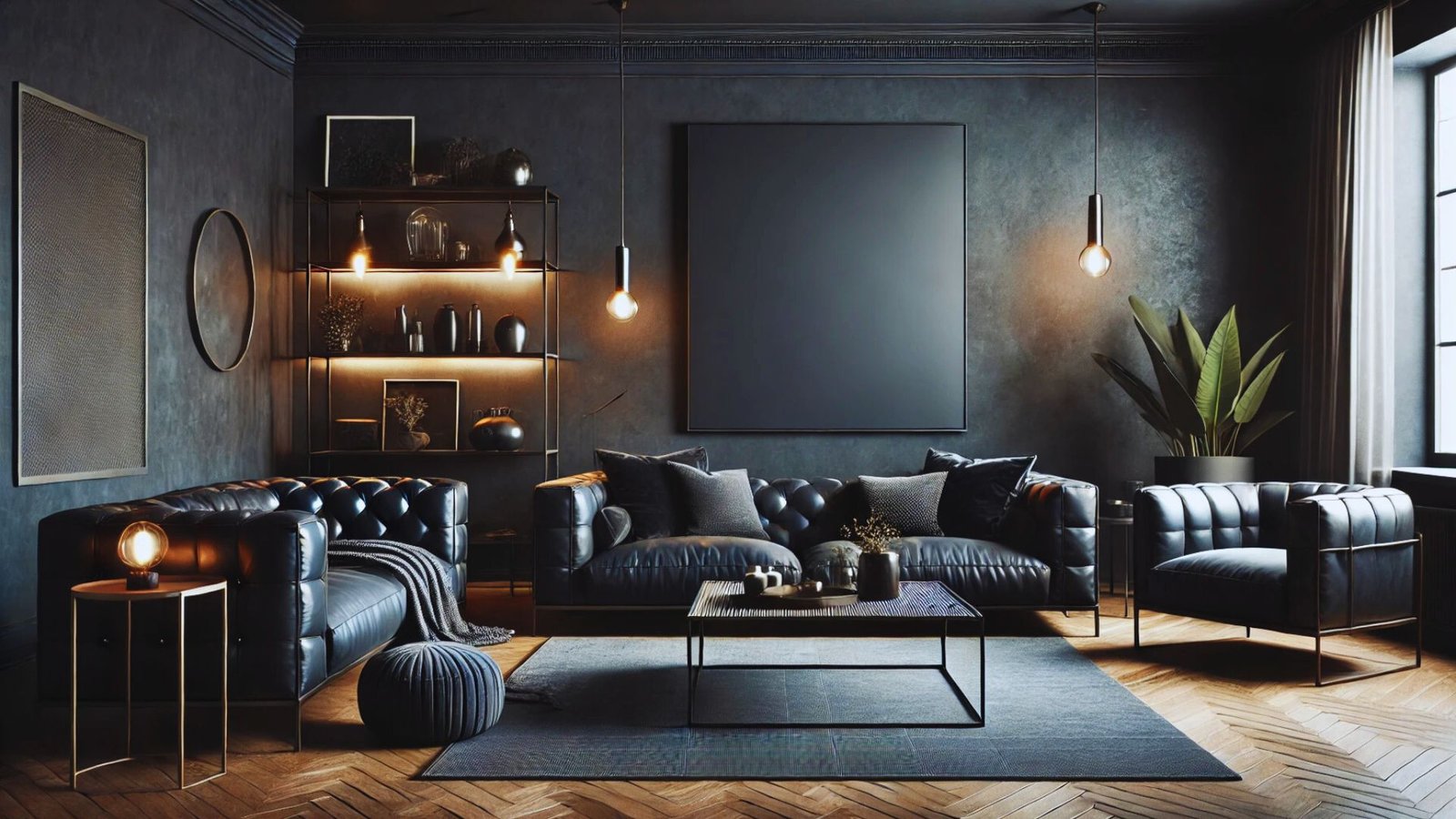
Deep colors, leather seating, dark wood finishes, and moody lighting create a bold and confident space. This style prioritizes character and atmosphere over brightness or openness. Classic and well-suited to billiards rooms, bars, or any room built around relaxed socializing.
44. Colorful Contemporary Entertainment Zone
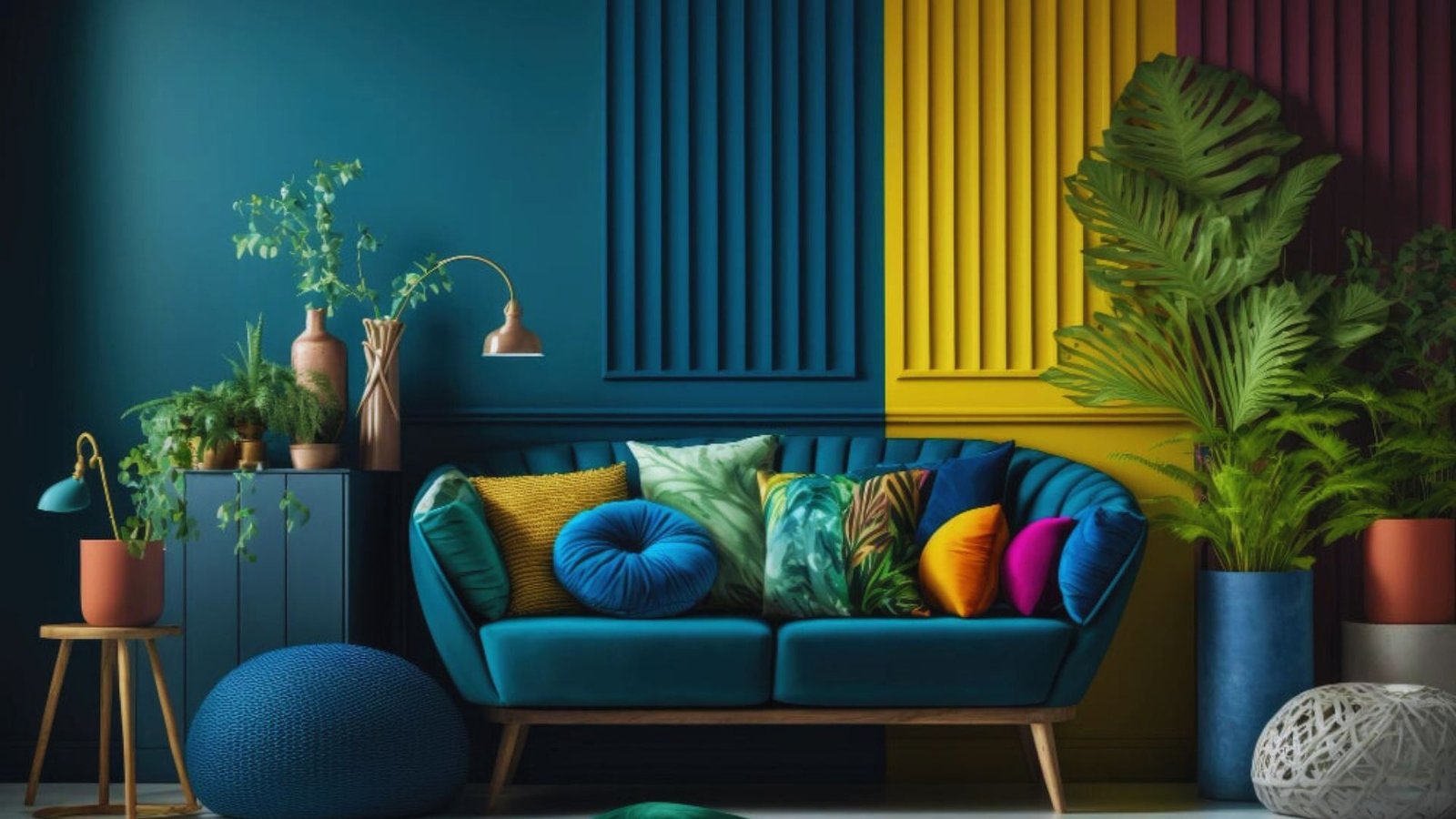
Bold color choices, playful furniture arrangements, and graphic accents make this space feel energetic and alive. It breaks from the neutral palette most basements default to in a refreshing way. Great for families who love color and want a space that reflects real personality.
45. Accent Wall Feature Basement
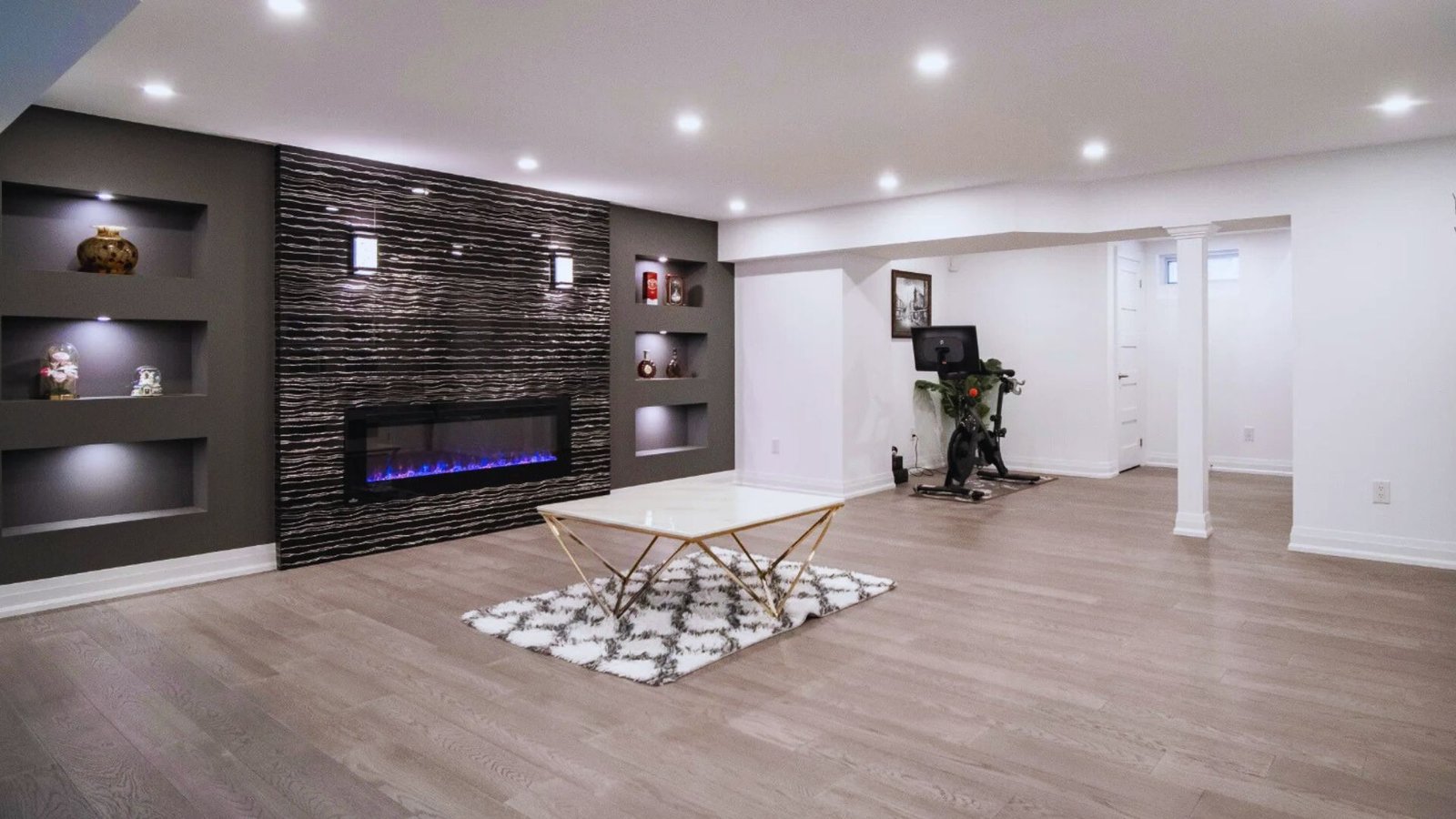
One strong feature wall in stone, wood paneling, or bold wallpaper anchors the entire room visually. It gives the space a clear focal point without requiring a full redesign of every surface. Keep the remaining walls simple so the feature wall gets the attention it deserves.
46. Custom Built-In Media Wall
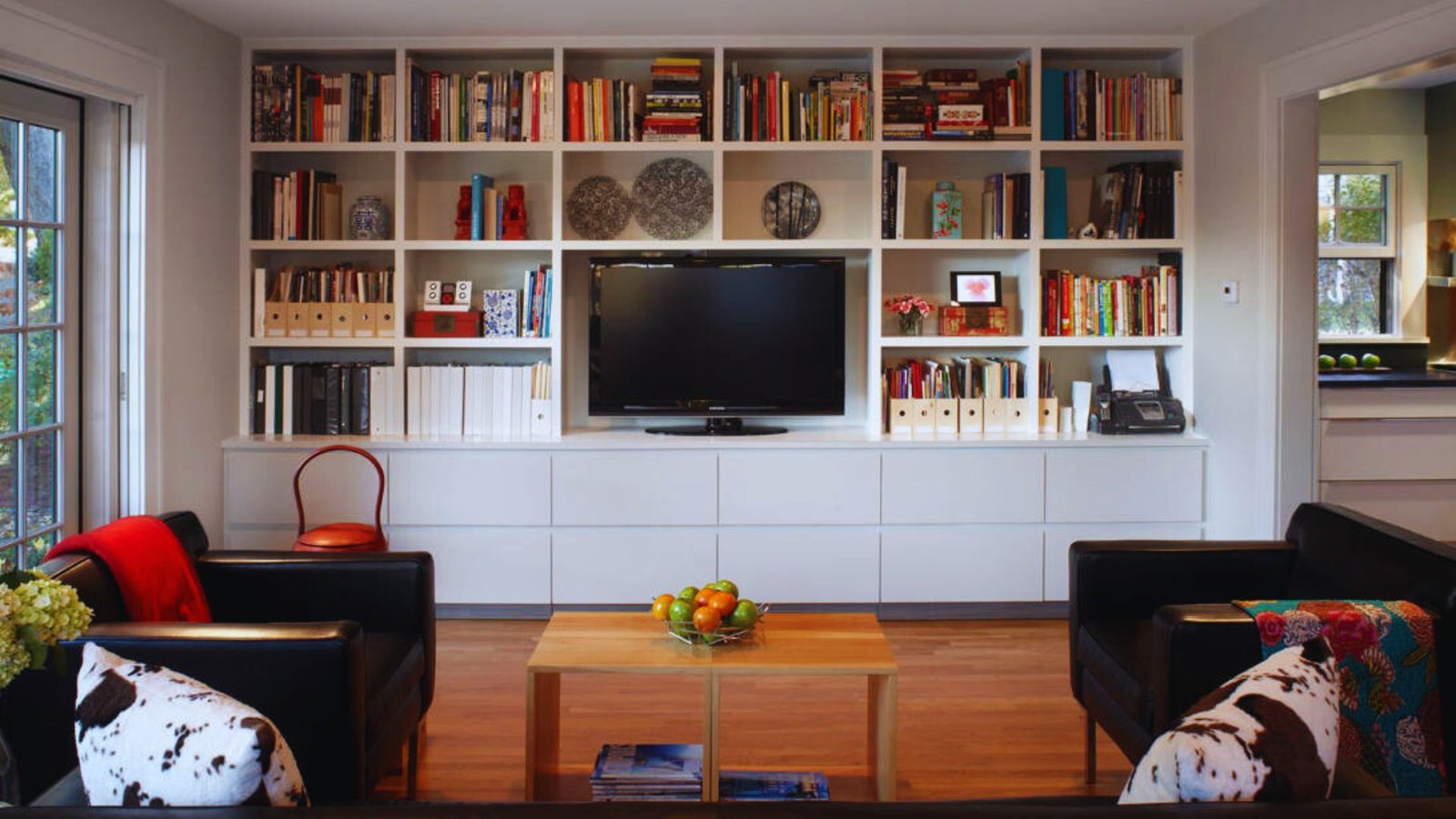
A full wall of custom built-ins surrounding your TV hides all cables and maximizes usable storage space. It creates a clean, intentional look that freestanding furniture simply cannot replicate. Well-designed built-ins also increase the perceived value of the finished basement significantly.
47. Basement Dining Area With Banquette
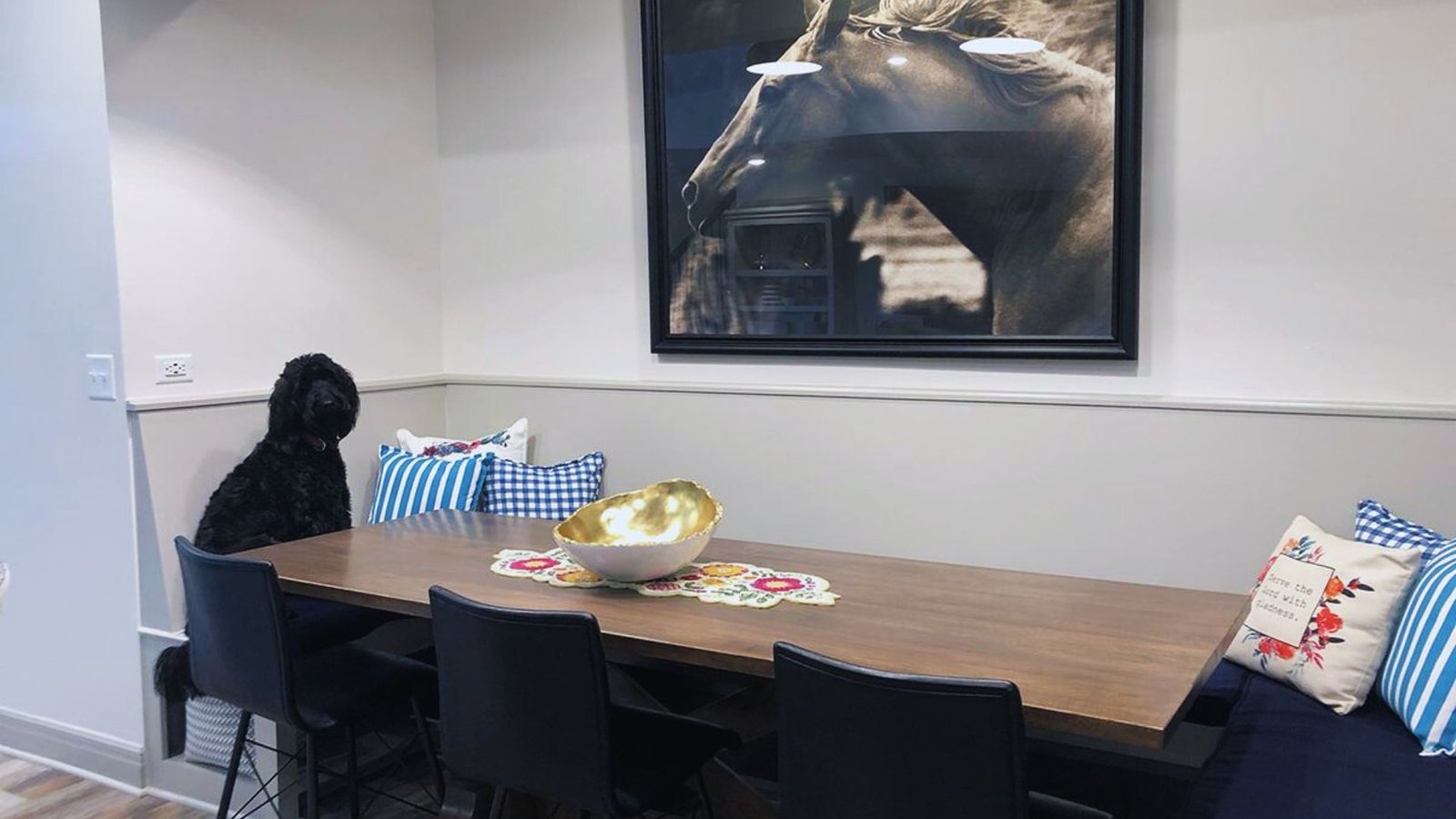
Built-in bench seating along a wall paired with a dining table creates a cozy, efficient dining nook. It’s more space-efficient than chairs on all sides while seating the same number of people comfortably. The built-in nature of the banquette also adds a custom, finished feel to the room.
48. Entertainment Bar and Dining Combo Space
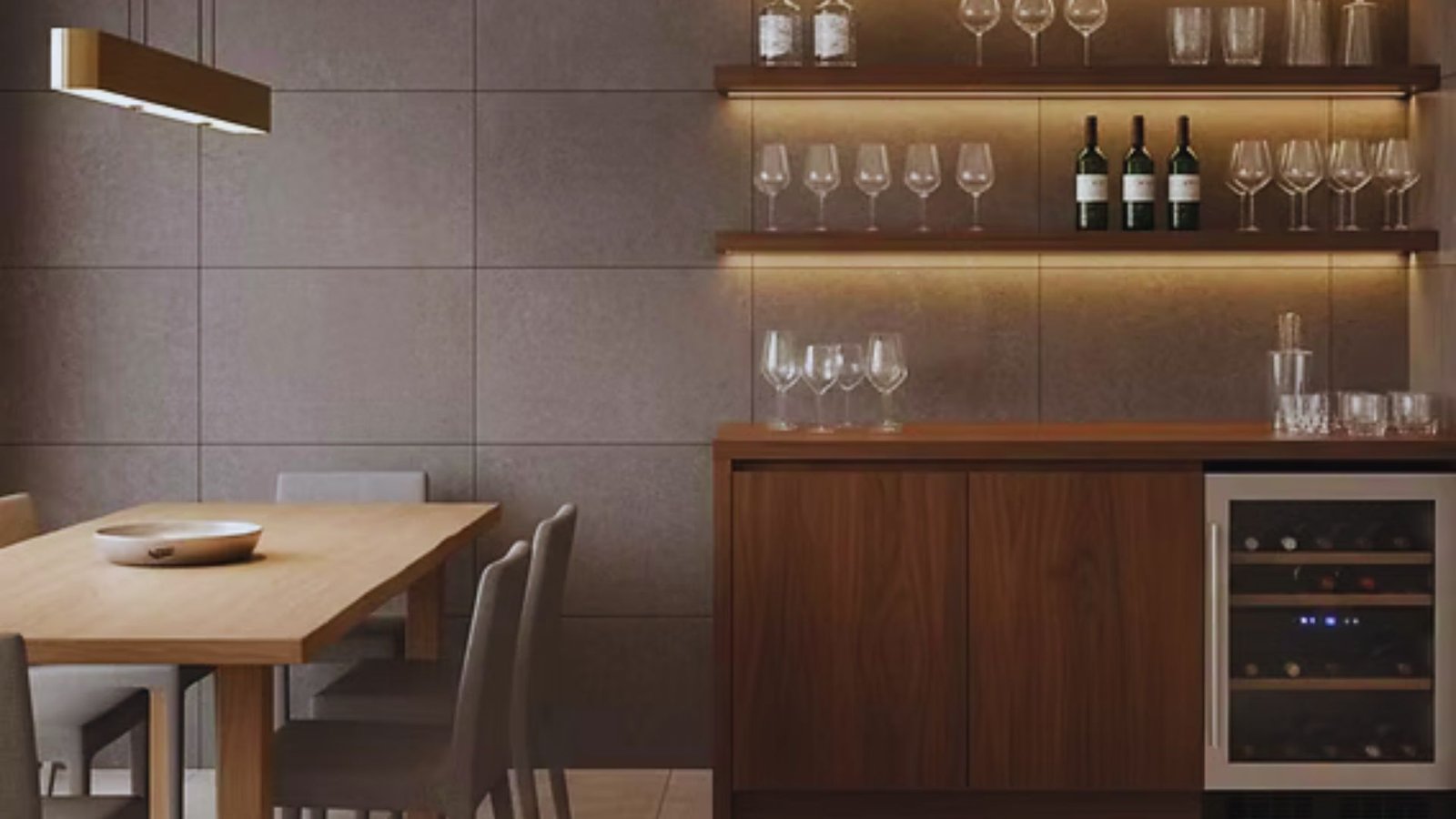
Combining a bar with a dining area makes hosting large groups seamless and enjoyable for everyone. Guests can move freely between eating, drinking, and conversation without feeling crowded or separated. The layout needs to support both functions equally without favoring one over the other.
49. Luxury Basement Office With Built-In Desk
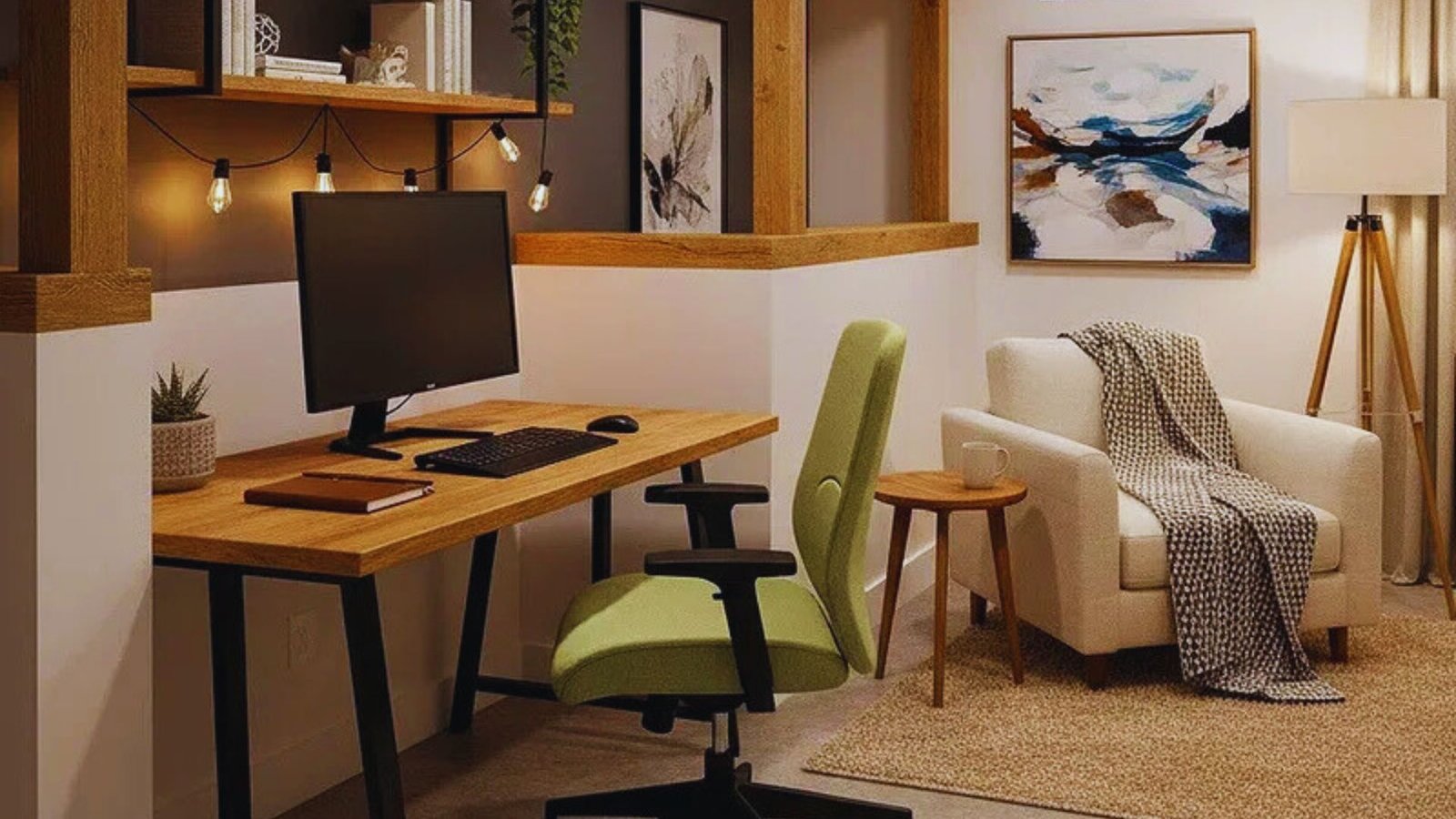
A quiet, well-designed home office in the basement keeps work physically and mentally separate from living spaces. Built-in desks and shelving create a productive environment that feels intentional rather than improvised. Good lighting, acoustic treatment, and proper ventilation make it a place you actually want to work in.
50. Multi-Purpose Lounge and Workspace
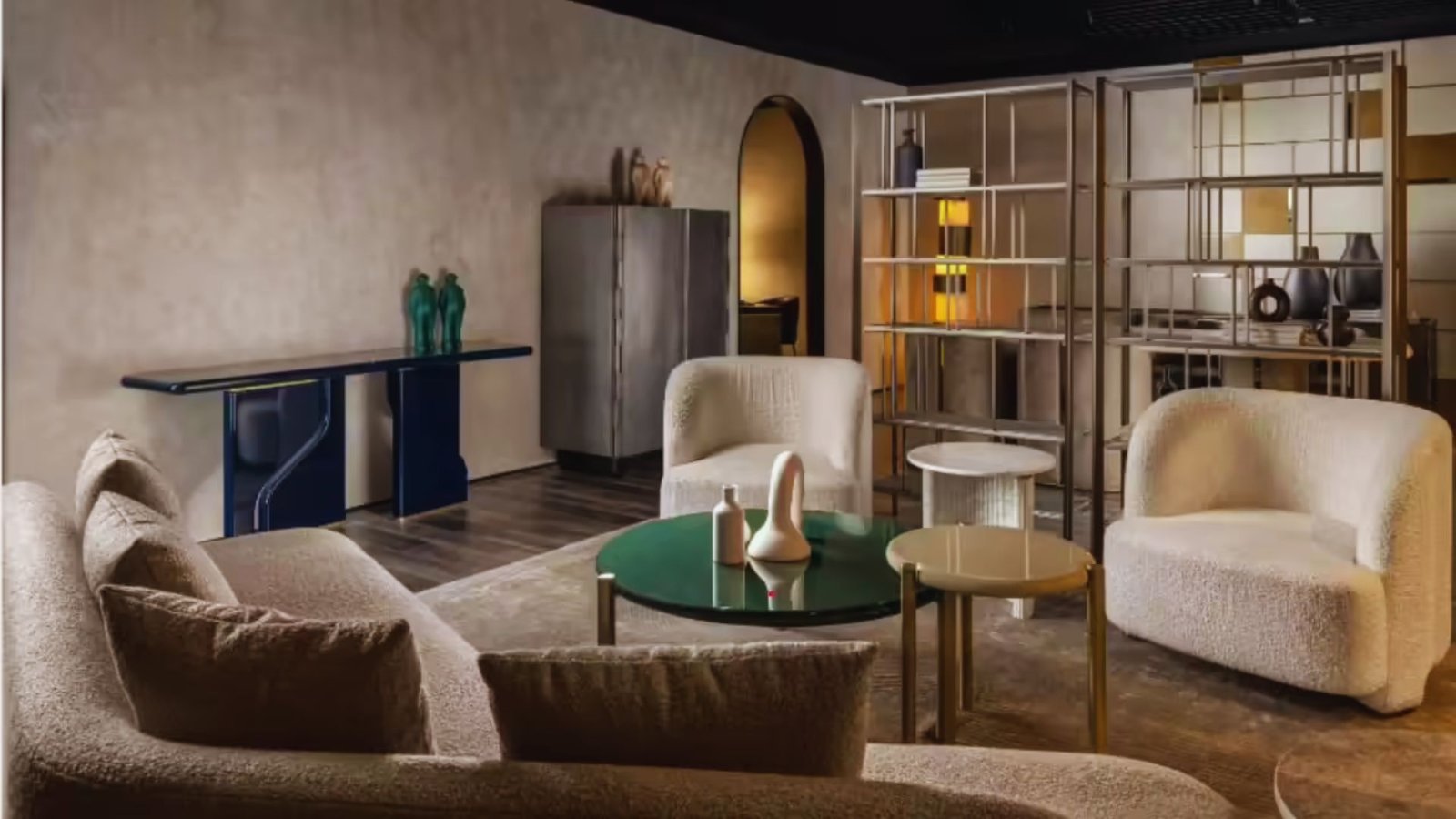
A room that functions as both a lounge and a working space requires smart, flexible furniture selections. Fold-away desks, rolling storage, and convertible seating help the room shift between modes quickly. The key is designing it so neither function feels like an afterthought to the other.
51. Basement With Statement Area Rug Styling
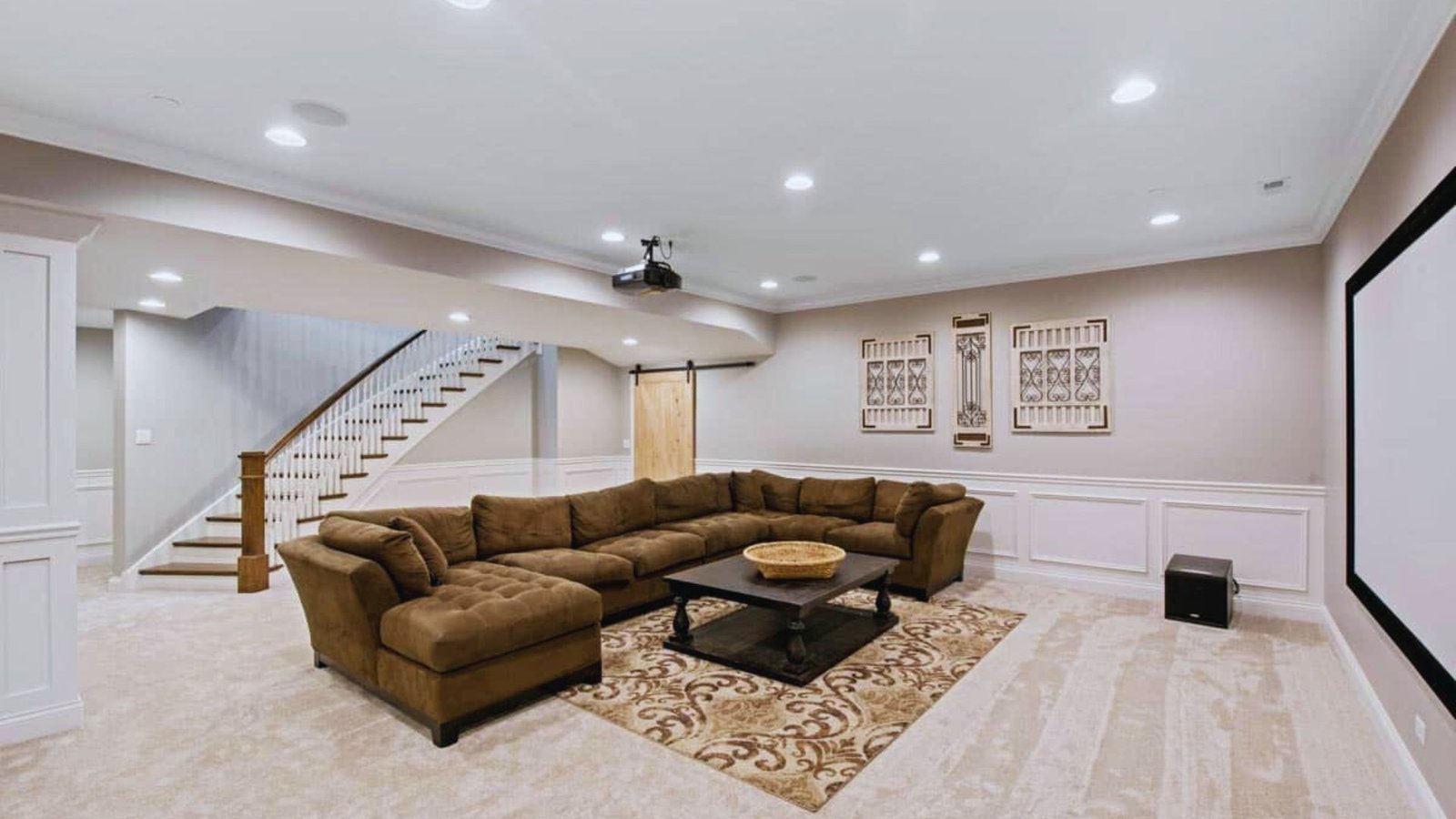
A large, bold area rug defines a zone instantly and adds texture, color, and warmth to any space. It’s one of the easiest and most cost-effective ways to upgrade a finished basement room. Choose a size that extends well beyond the furniture grouping for the most intentional look.
52. Modern Glass Partitions for Zoning
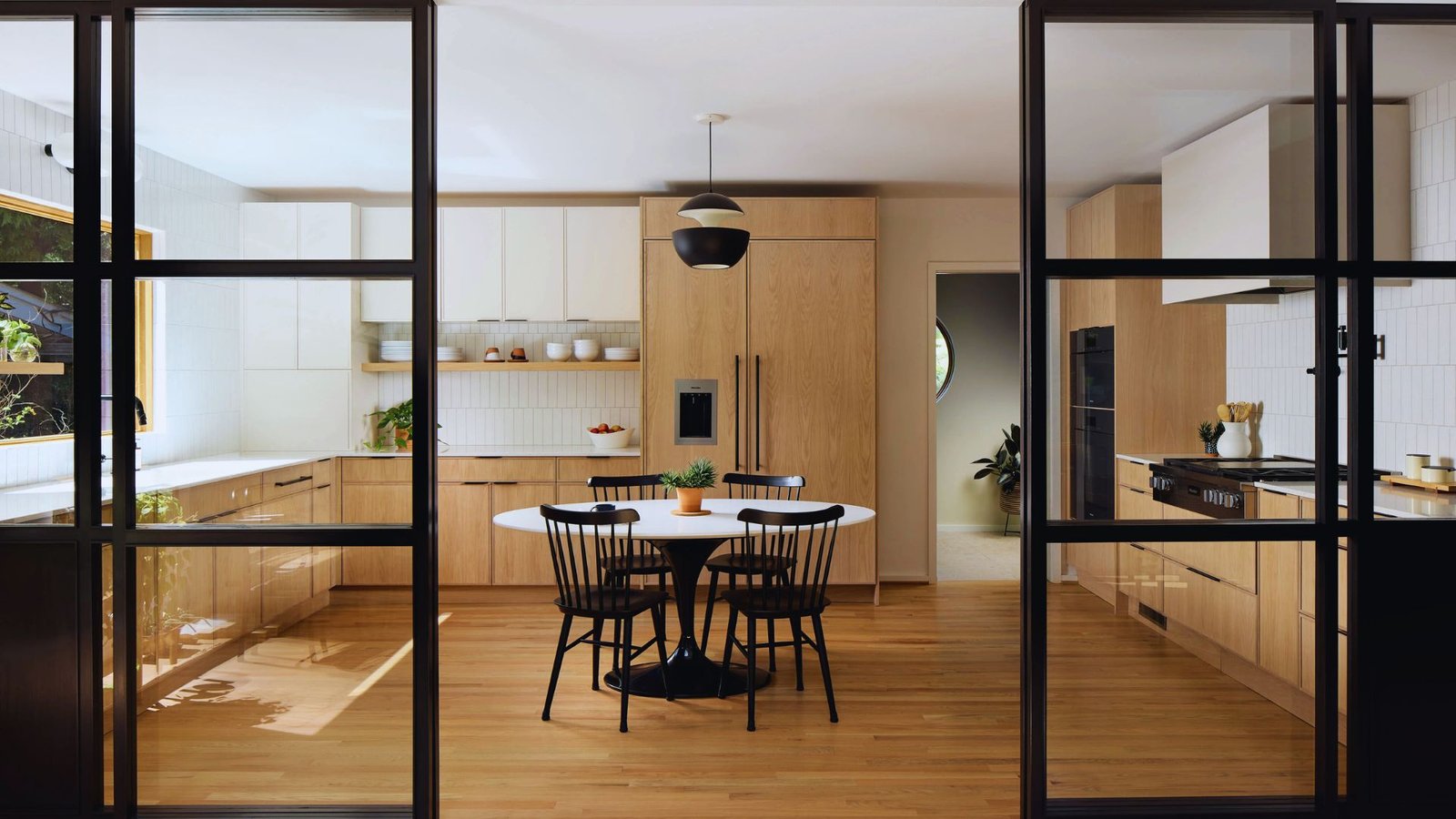
Glass walls or partial partitions divide spaces without blocking light or breaking the visual flow of the room. They keep an open feel throughout the basement while still creating meaningful separation between zones. Frosted or smoked glass adds privacy where needed without fully closing off the space.
53. Custom Ceiling Beams for Architectural Depth
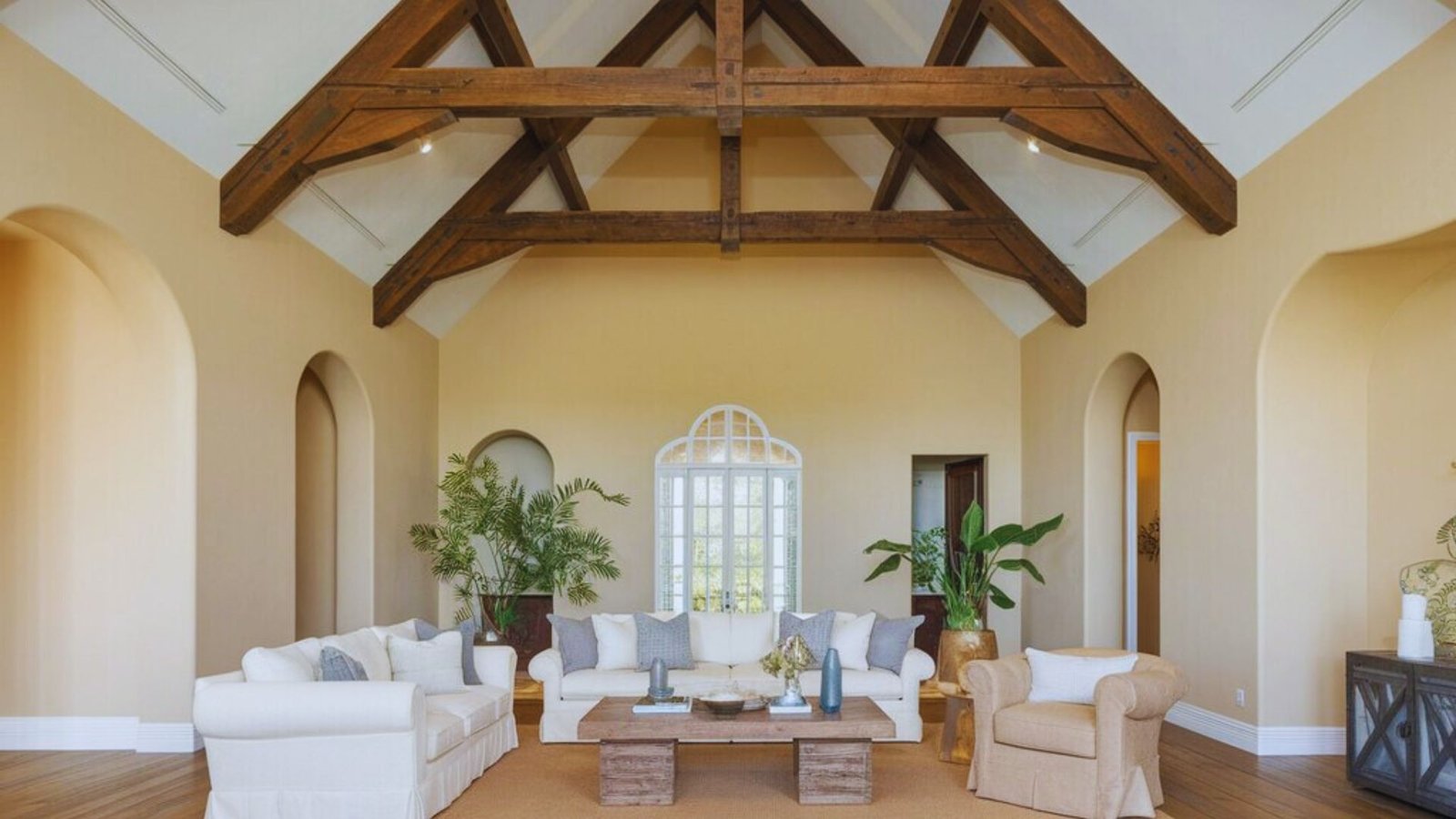
Exposed or applied wood beams add warmth, character, and architectural interest to any basement ceiling. They work effectively in both rustic farmhouse and contemporary modern design styles. Staining or painting the beams to complement the flooring ties the whole room together visually.
54. Black Ceiling Industrial Recreation Room
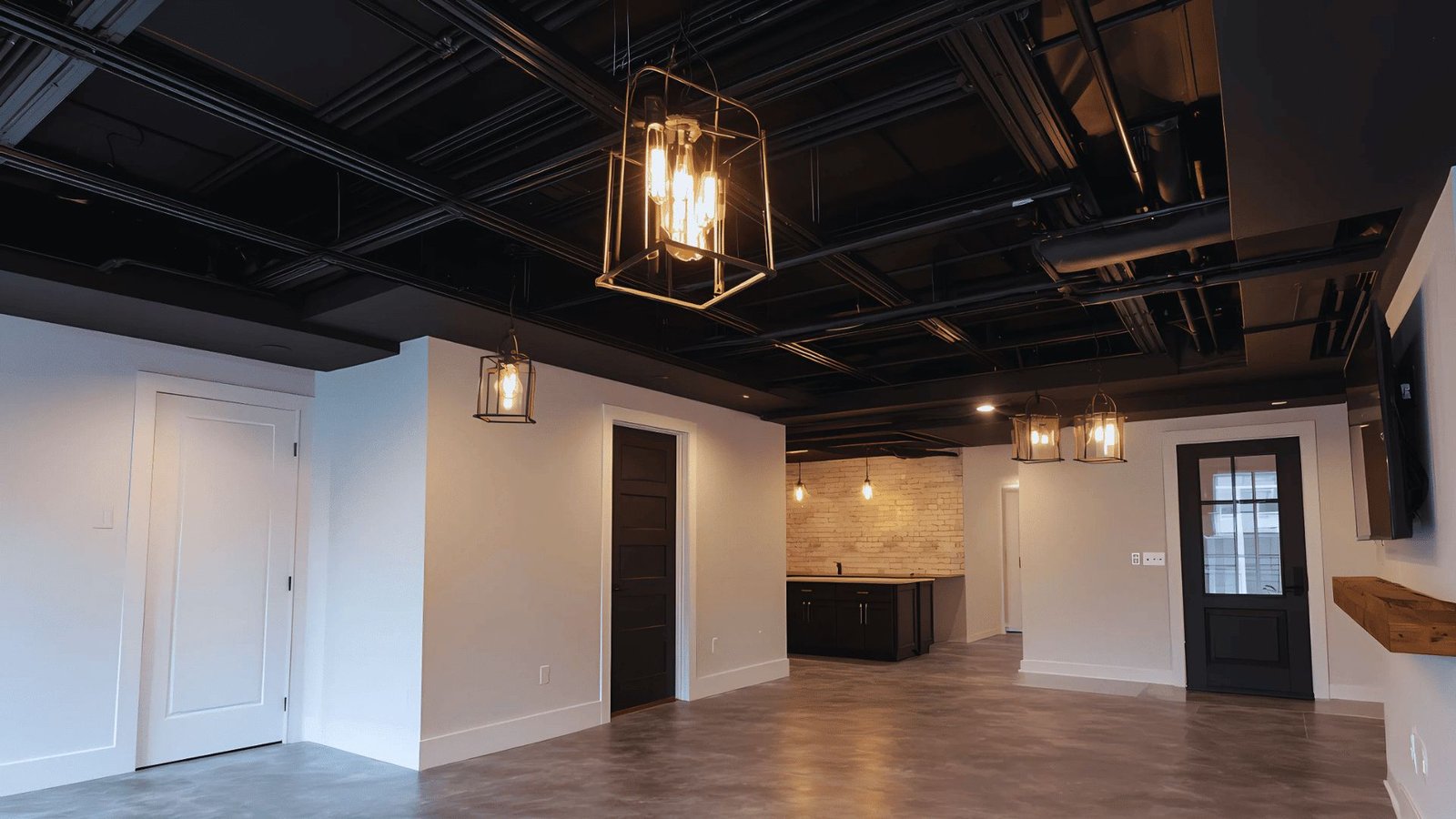
Painting theModern industrial-style room with dark ceiling, pendant lights, light gray walls, and concrete floor. Open layout features a small kitchenette and door. ceiling black hides ductwork, pipes, and imperfections while creating a dramatic industrial look. It’s a very effective approach in open-plan basements with exposed mechanical systems overhead. Pair with warm industrial lighting fixtures to balance the darkness of the ceiling above.
55. Integrated Smart Lighting Basement
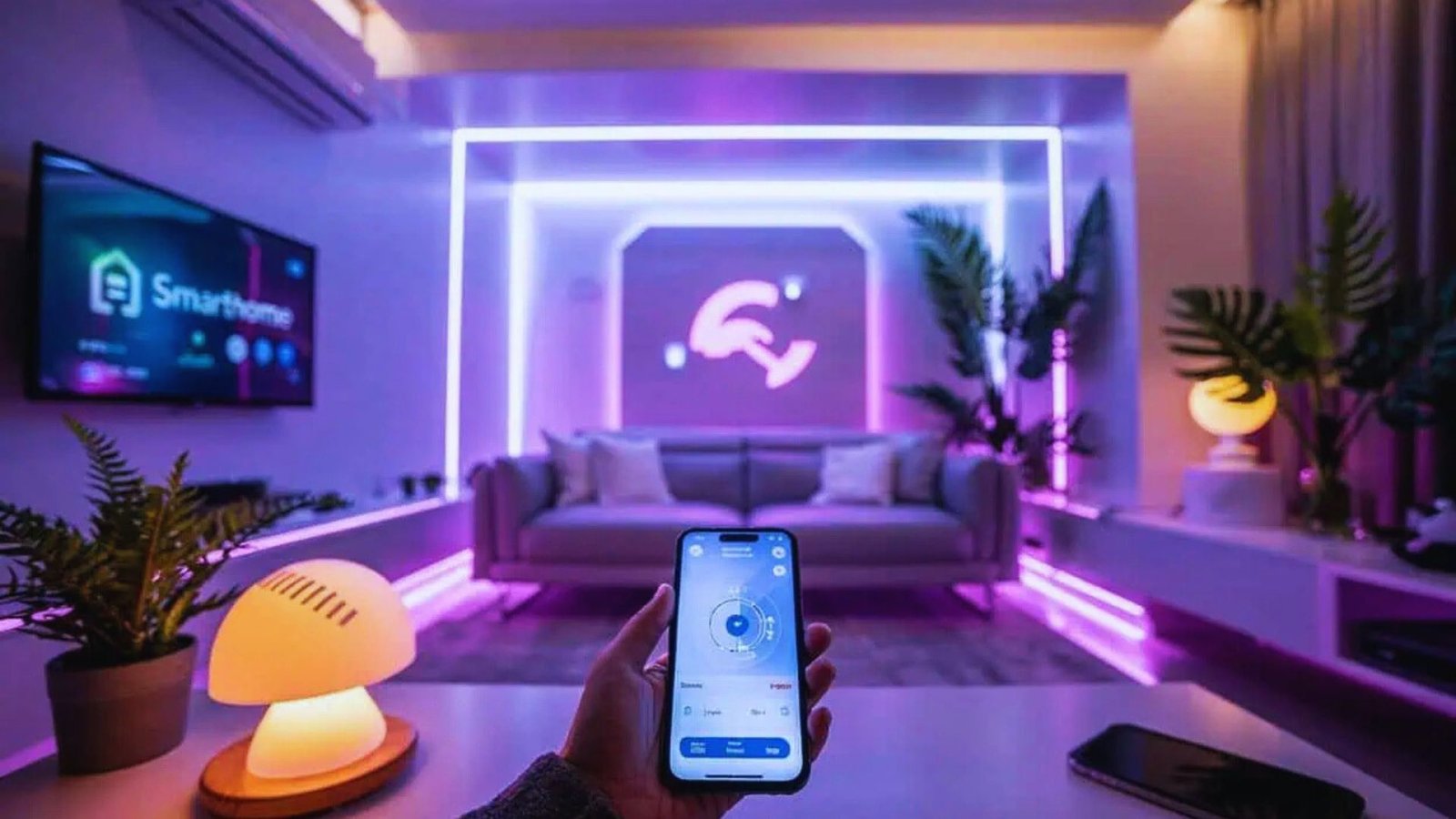
App-controlled lighting systems let you set the perfect mood for any activity with a single tap. Dimmers, adjustable color temperatures, and zone controls make a real and immediate difference in how the room feels. Plan the wiring and switch locations during the rough-in stage before walls are closed.
56. Sauna or Steam Room Retreat

A private sauna or steam room adds genuine daily wellness value to your home and your routine. Cedar walls, a quality heater, and proper ventilation are the three non-negotiable elements of a good sauna. It turns a corner of the basement into a personal health and recovery space.
57. Spa-Influenced Bathroom Addition
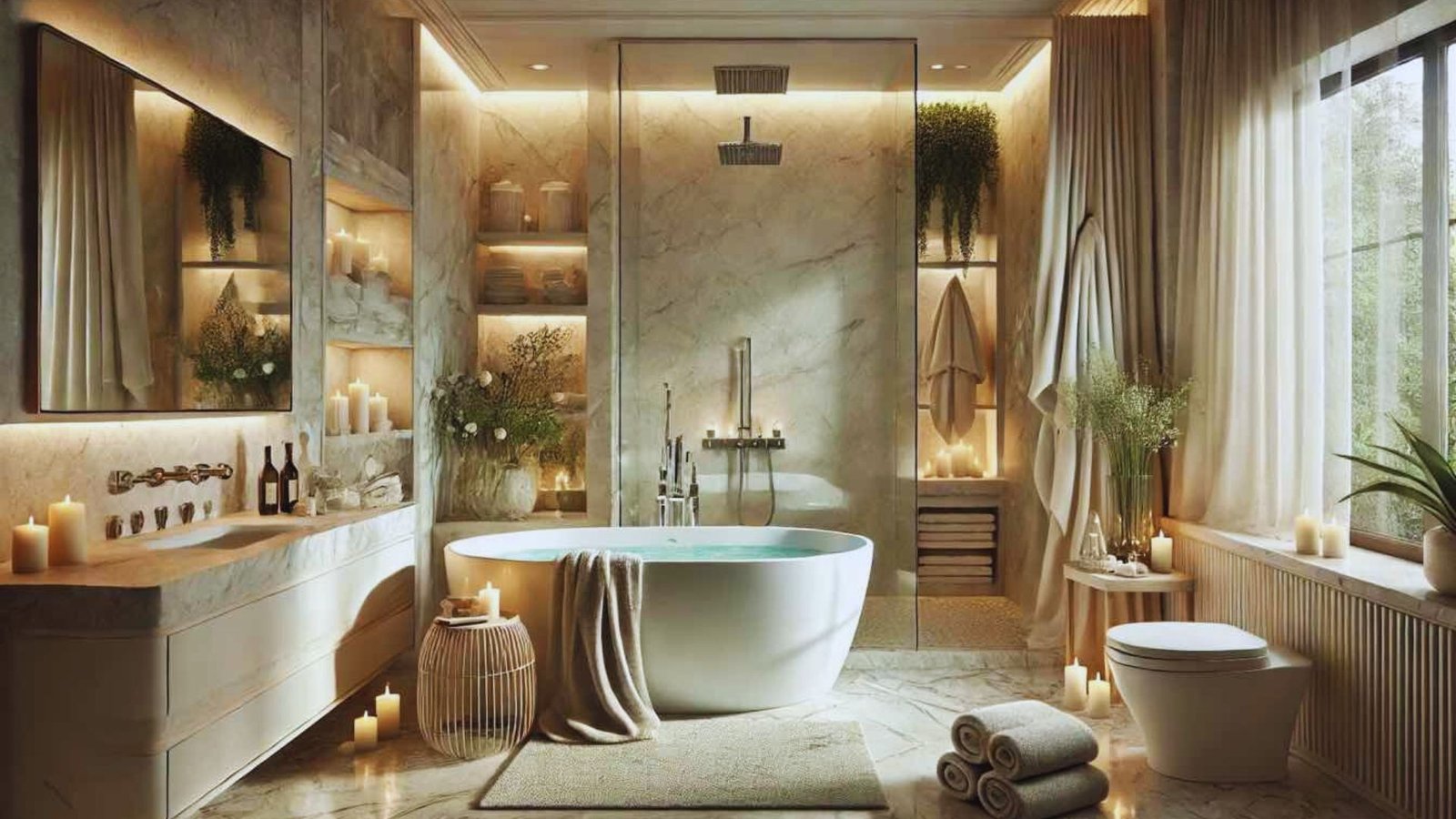
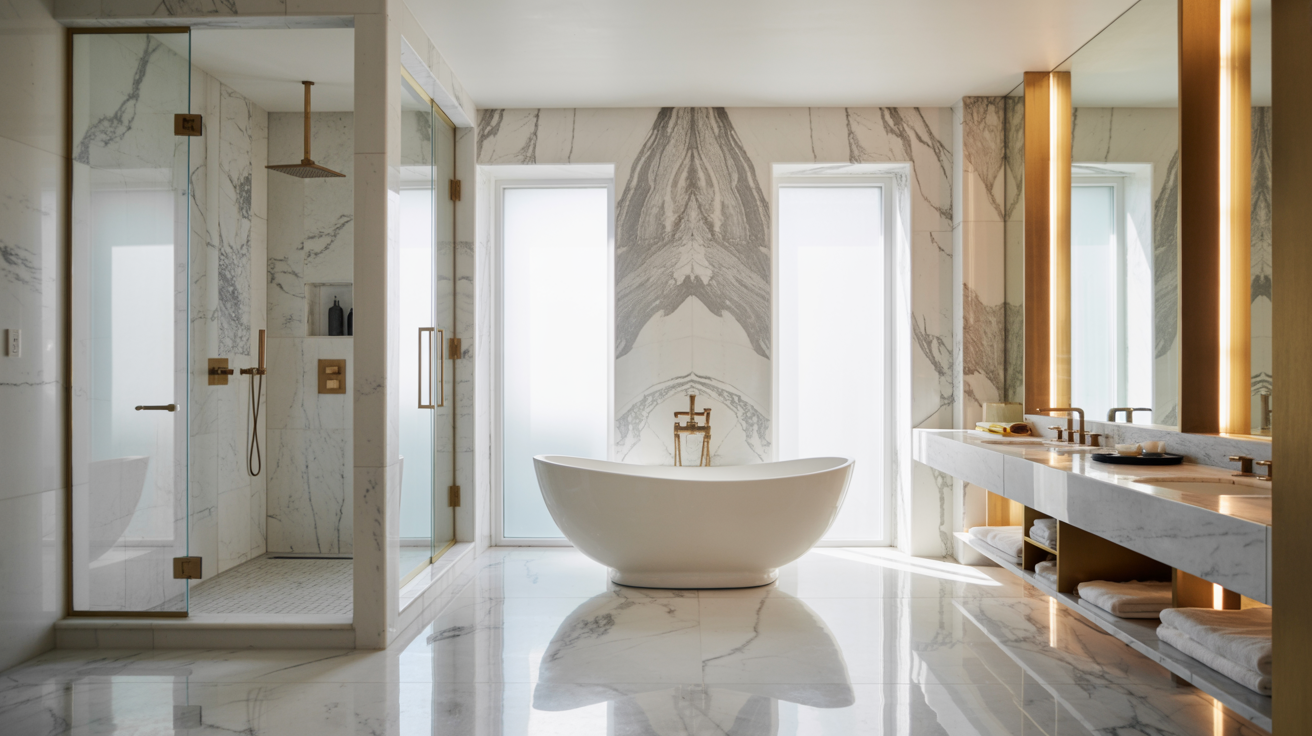
A well-designed lower-level bathroom with a rain shower, soaking tub, and quality tile turns the basement into a full retreat. Heated floors, good ventilation, and layered lighting uplift it far beyond a standard bathroom finish. This addition dramatically increases the livability and resale value of the finished space.
58. Meditation and Wellness Room
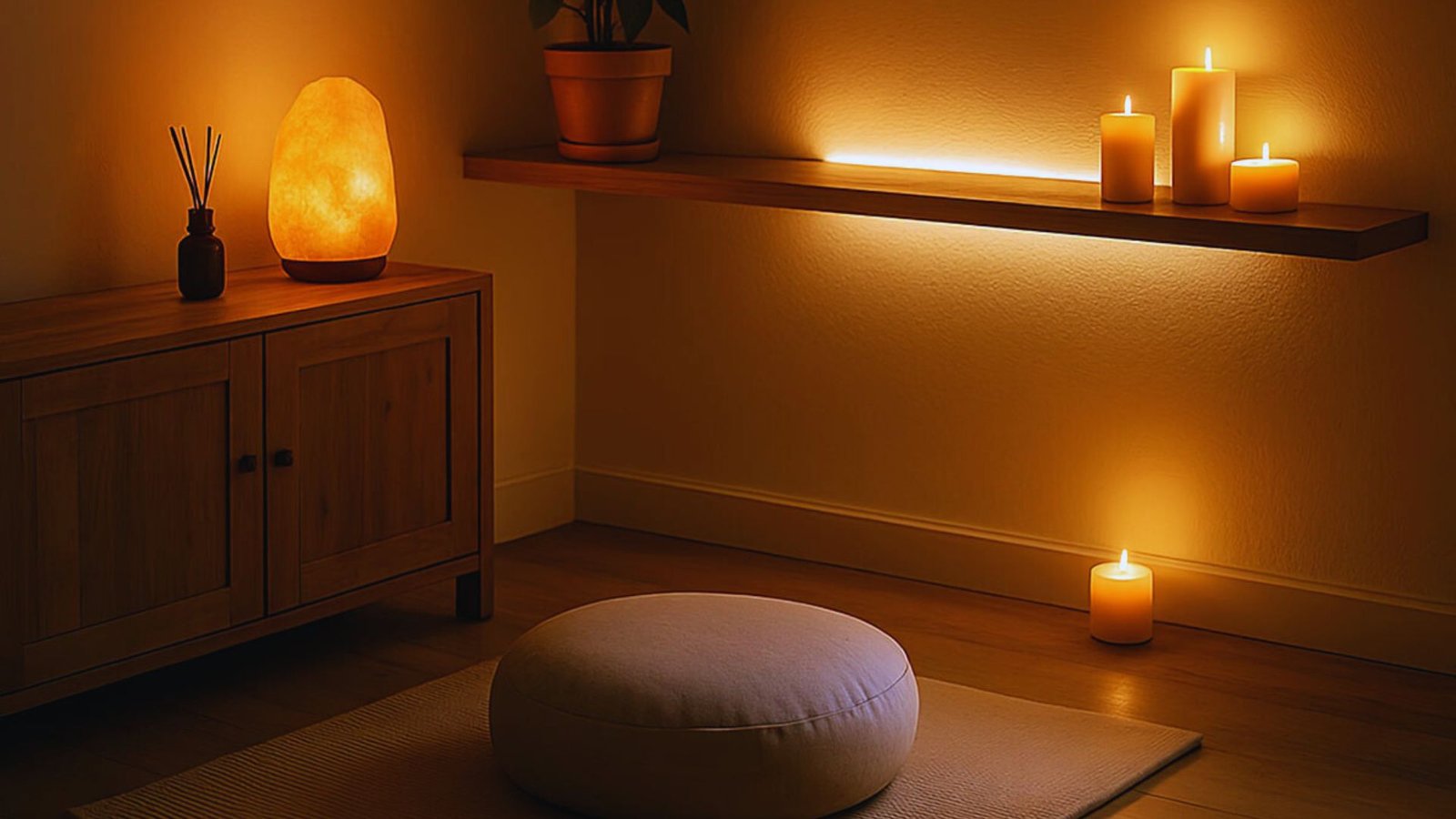
A quiet, minimal room with soft lighting, floor cushions, and calming colors supports a meaningful daily mindfulness practice. Keeping the room free of screens and clutter is essential to its function and purpose. Simple and restorative in design, it offers a genuine escape from the rest of the house.
59. Recovery Lounge With Massage Chair
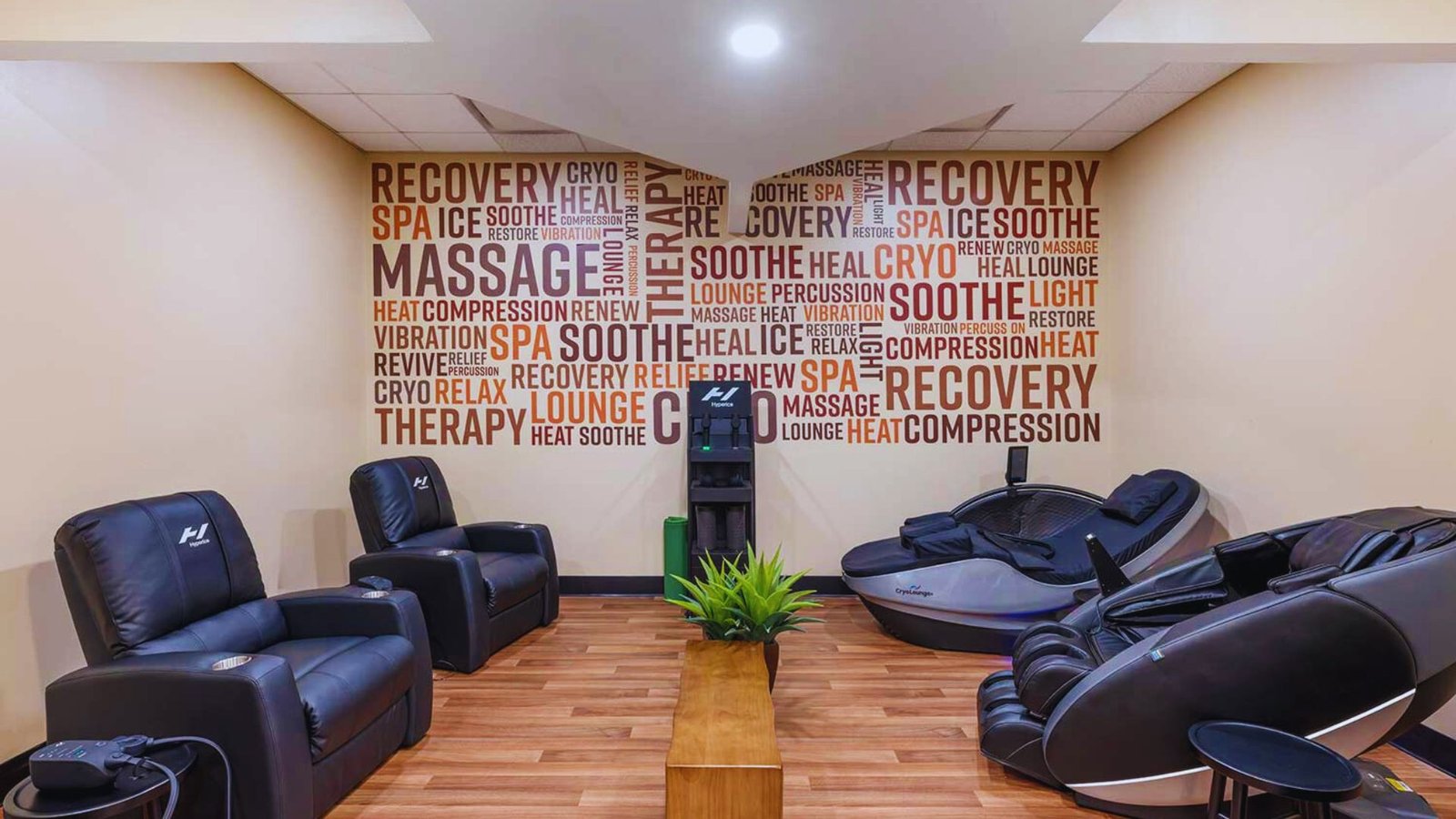
A dedicated recovery room with a quality massage chair, low ambient lighting, and a small beverage station is a true luxury addition. It gives athletes, busy professionals, and anyone who needs to decompress a proper place to do it. The investment in a good chair pays off every single time you use the room.
60. High-End Laundry and Utility Upgrade
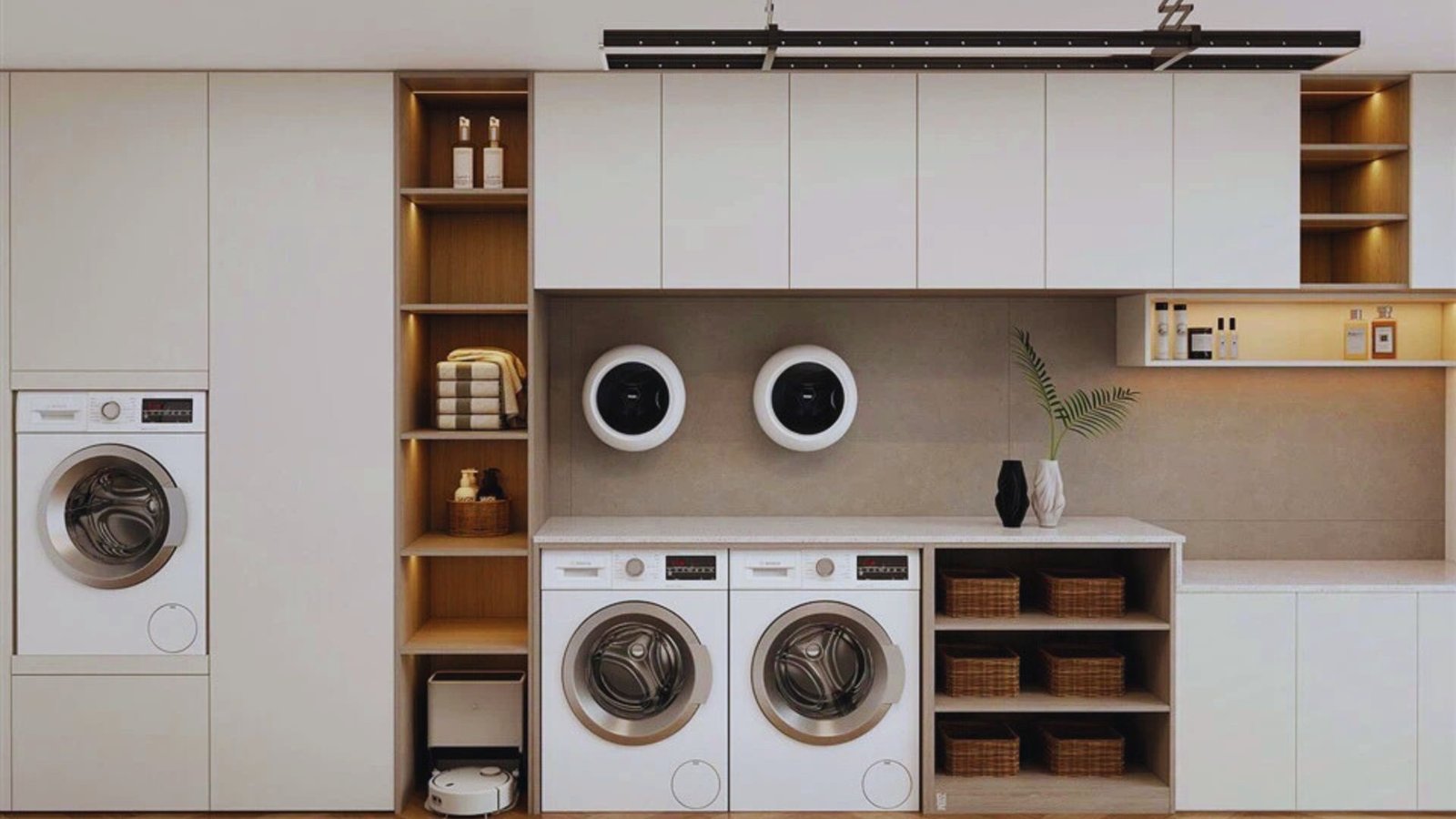
Premium appliances, custom cabinetry, proper countertop space, and good lighting make laundry far less of a chore. Functional rooms can absolutely be beautiful when given the same design attention as the rest of the basement. A well-designed utility area also adds meaningful value for future buyers.
61. Luxury Basement With Hidden Doors and Secret Rooms
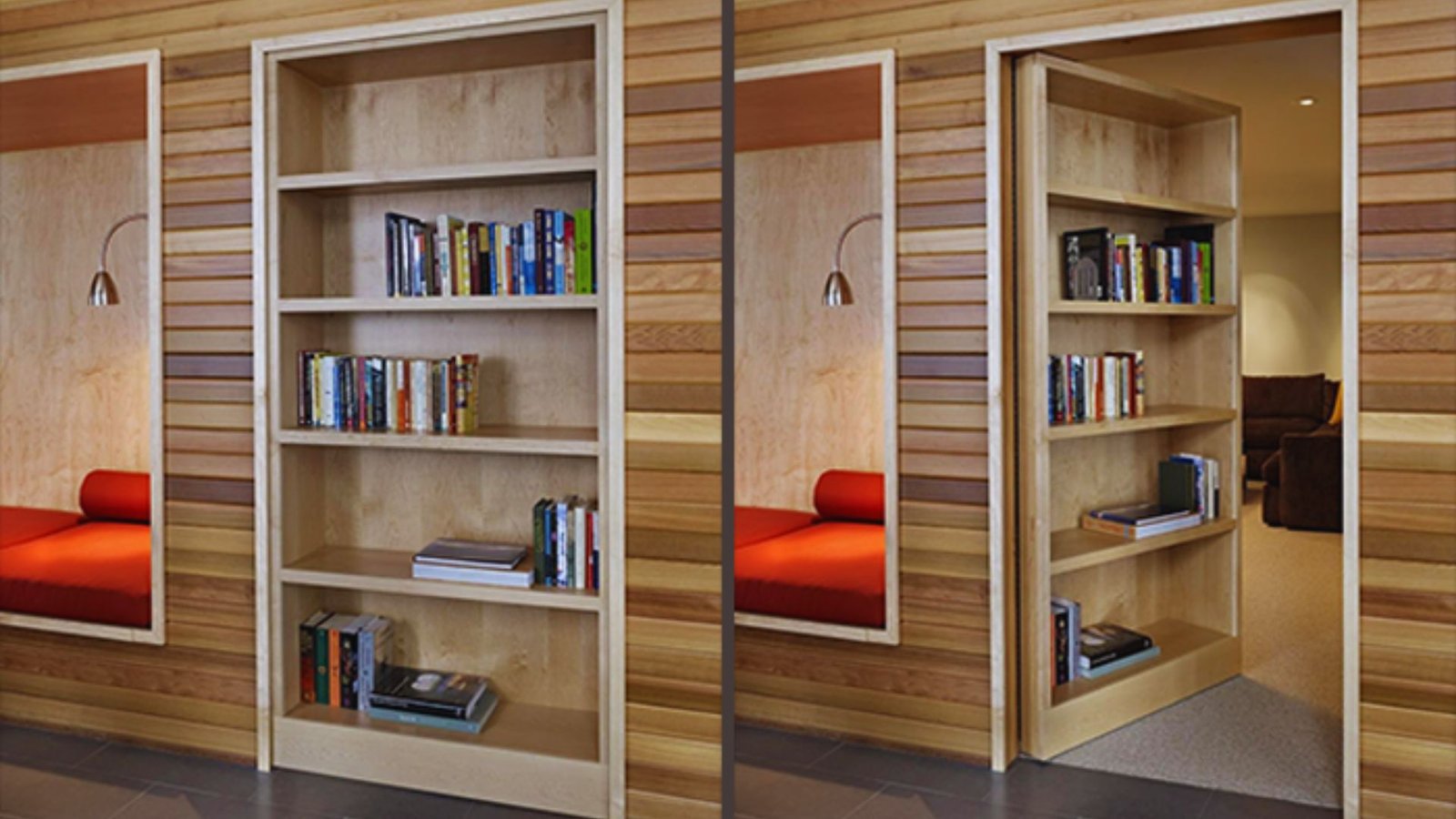
Bookcase doors, panel doors, and concealed entries add a playful, high-end touch that never gets old.
They’re a design feature that equally delights children and impresses adult guests every single time. Plan these early in the design process so they integrate seamlessly with the surrounding walls.
More Luxury Basement Ideas for Better Living
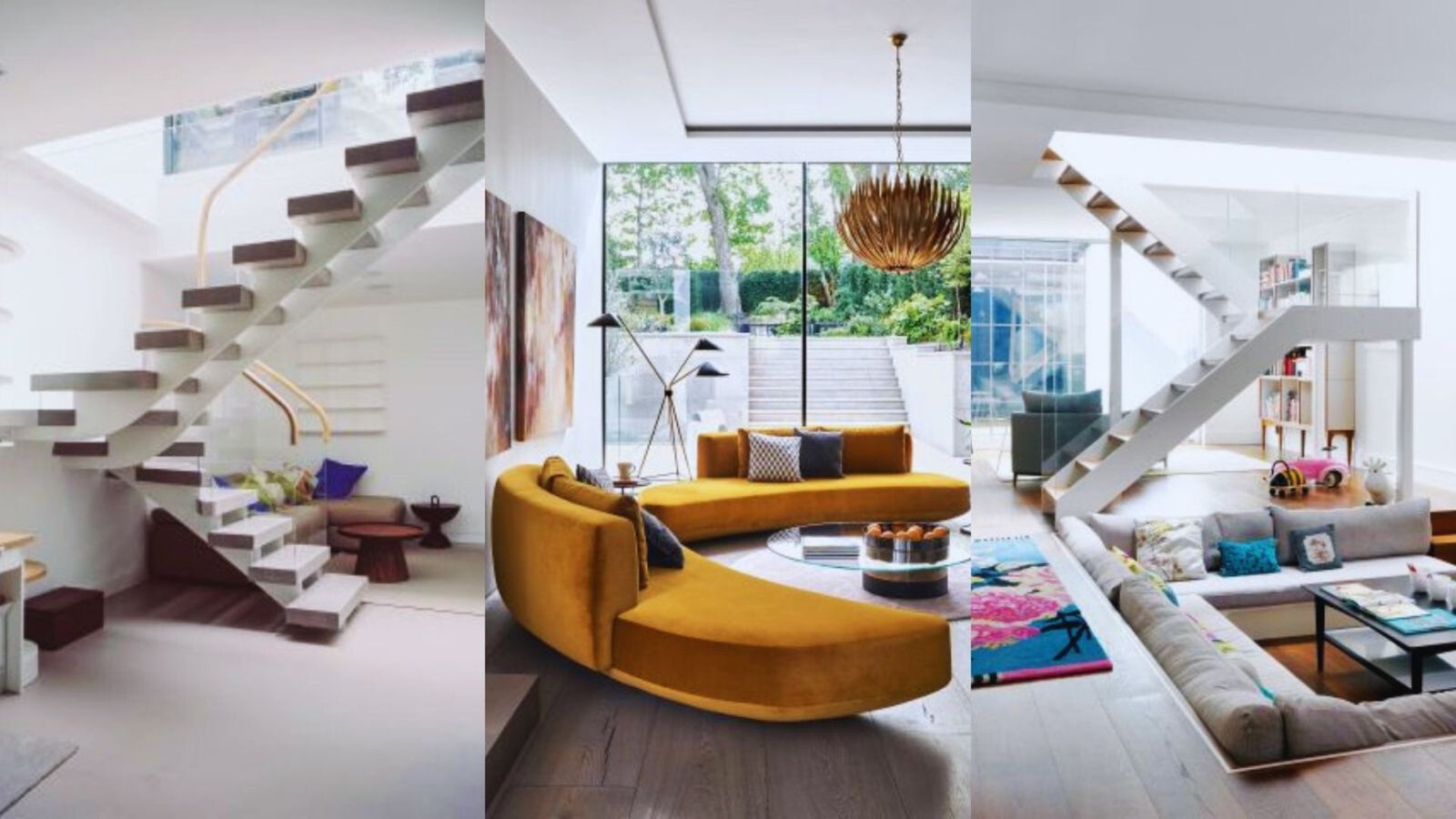
Push your basement further with these standout design moves.
Luxury Basement Design Elements That Define High-End Spaces
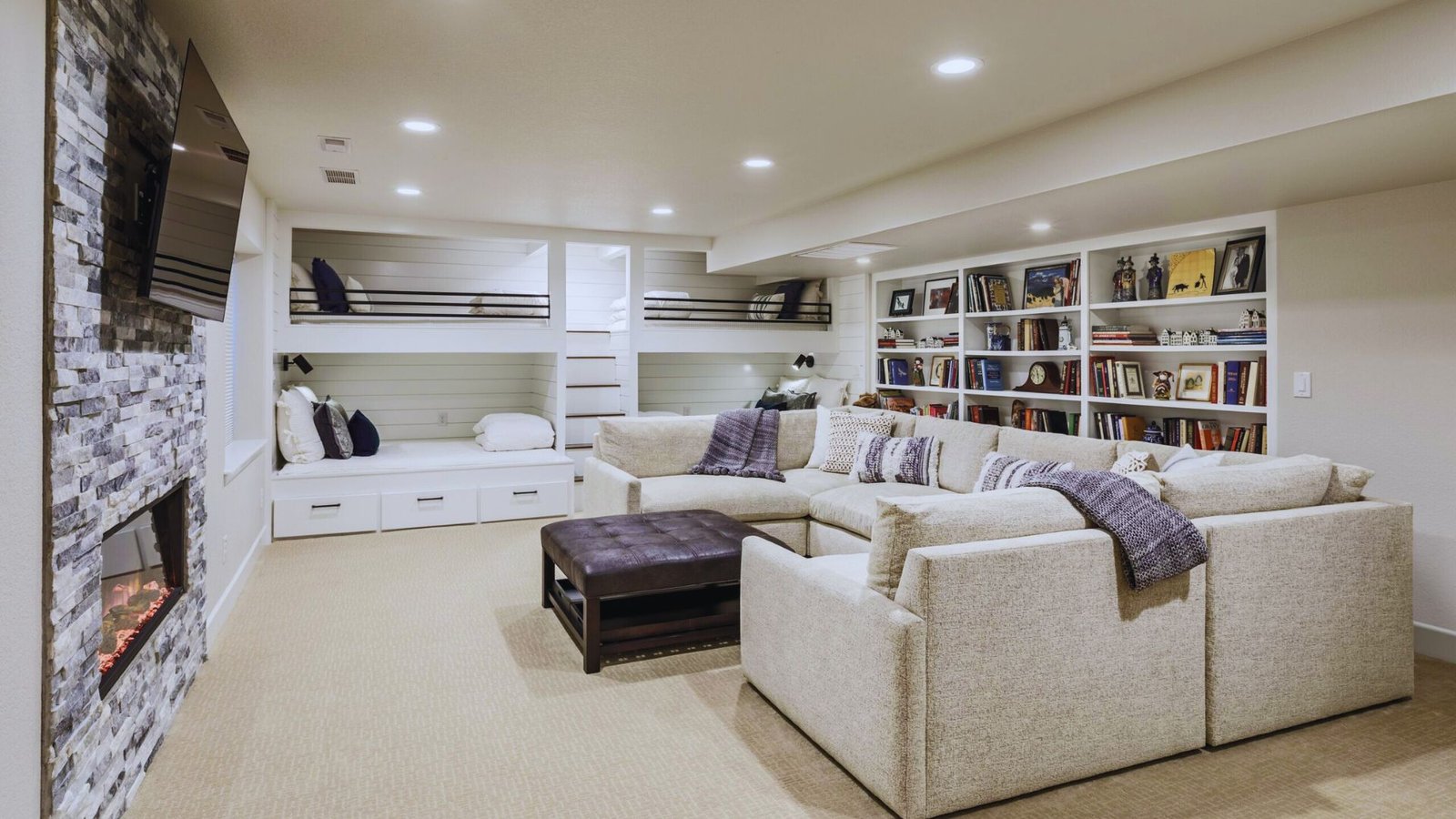
Start With Layout, Lighting, and Flow
Before picking any finishes, get your layout right first. Open-concept plans create breathing room. Architectural ceilings add visual height.
Clear zoning helps each area serve its purpose without overlapping into the next. Get these foundations in place and every other decision becomes much easier.
Built-Ins, Flooring, and Smart Systems Matter Most
Custom built-ins keep the space clean and intentional. Premium flooring sets the tone for everything above it.
Smart lighting, integrated audio, and home automation make the basement feel genuinely high-end from the moment you walk in. These are the details that separate a basic finish from something truly special.
How to Plan a Luxury Basement That Feels Bright, Spacious & Cohesive

Start with your layout before you look at a single finish sample. Map out where each zone will live and how people will move between them naturally. Design around how your family actually spends time together rather than how you think the space should look.
Plan all lighting during the rough-in stage so nothing gets squeezed in as an afterthought later. Choose timeless materials over trendy ones that may not hold up well over the years. Keep finishes consistent across every zone so the whole floor feels connected and cohesive rather than patchy.
If your budget allows it, bring in a professional luxury basement design specialist early. The right guidance at the start saves significant money, stress, and regret down the line.
Expert Tips for Designing a High-End Luxury Basement
Small decisions made early have the biggest impact on the finished result.
- Layer your lighting across multiple sources to remove dark corners from every part of the room
- Use lighter tones on walls and ceilings to push the space visually outward and make it feel larger
- Avoid overcrowding with furniture that is too large or too plentiful for the square footage you have
- Add built-ins wherever possible for a clean, custom, and clutter-free look throughout the space
- Let materials carry the texture rather than relying on excessive decorative accessories to fill the room
- Keep finishes consistent across zones so the whole floor feels connected and intentional
- Balance comfort with style in every decision you make from the very start to the final finish
Conclusion
Honestly, a luxury basement might be the best investment you make in your home. I’ve seen dark, forgotten rooms become full entertainment suites, and the difference always comes down to intentional planning.
I still remember the first basement renovation that truly influenced me and it changed how I saw lower-level spaces forever.
If a few of these ideas sparked something for you, I’d love to hear about it. Drop a comment below and tell me your favorite idea. Share this with someone who has been putting off their basement project. You might be exactly the push they need.
Frequently Asked Questions
How much does a luxury basement renovation typically cost?
Most high-end projects range from $50,000 to $150,000 or more. Cost depends on size, finishes, and the overall complexity of the build.
What flooring works best in a luxury basement?
Engineered hardwood, luxury vinyl plank, and large-format tile are all top choices. They handle moisture well and look genuinely high-end under any lighting condition.
How do I make a basement feel less dark?
Use light paint colors, layered lighting, and mirrors to reflect brightness throughout the space. Recessed lights combined with sconces add warmth without creating dim or shadowy corners.
Do finished basements increase home value?
Yes, significantly and measurably. Buyers treat a well-finished basement as added livable square footage, which carries real weight in any market.
How long does a luxury basement renovation take to complete?
Most full builds take between three and six months from start to finish. Projects with custom features like wine vaults or home theaters may take longer depending on complexity.