Italian villa architecture has shaped how people think about refined living for centuries. I’ve always been drawn to these structures. Their calm symmetry, open terraces, and the way they seem to belong to the land around them never gets old.
In this article, I’ll walk you through everything. We’ll cover ancient Roman roots, key design features, regional styles, and practical tips you can actually use.
I’ve spent years studying classical design traditions, so I’m here to make it simple and clear.
By the end, you’ll know exactly what makes this style so lasting.
Understanding Italian Villa Architecture
Italian villa architecture is built on order and balance. These buildings follow classical rules – symmetry, proportion, and a strong connection to the surroundings. A villa is not just a house. It is a statement about how people choose to live. Open to nature, grounded in history, and designed with real care.
Three ideas sit at the heart of this style. First, the symmetry of both sides mirror each other.
Second, classical proportion rooms and facades follow set ratios.
Third, indoor-outdoor flow terraces, loggias, and gardens are part of the plan. Together, these principles make the buildings feel calm and purposeful.
In Renaissance Italy, wealthy families used villas as retreats from city life. Over time, the villa became linked with graceful living not through excess, but through thoughtful, considered design.
The Historical Evolution of Italian Villa Architecture
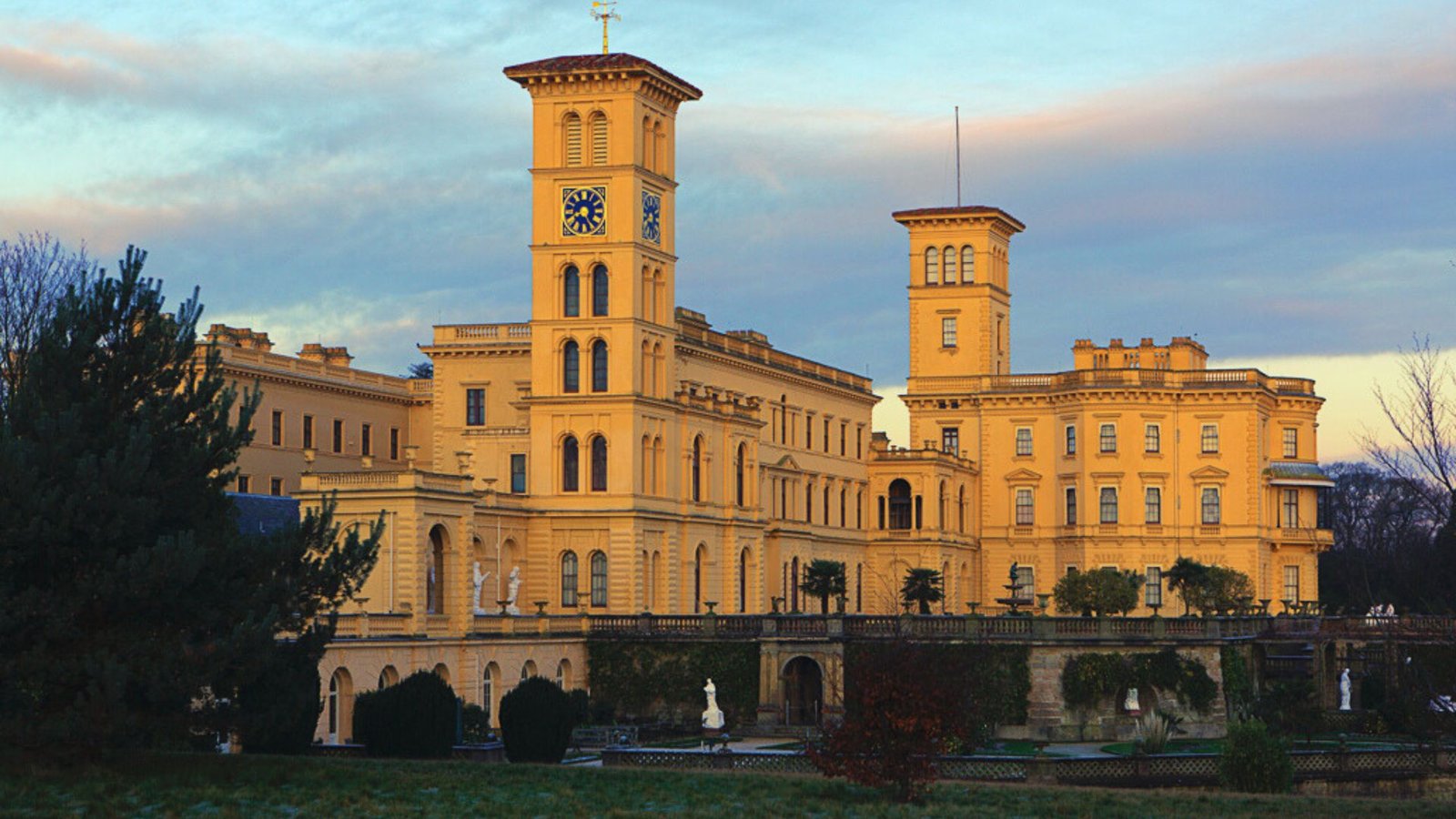
How this style grew from ancient Rome to a global design movement.
Roman Villas The Ancient Foundations
The story begins in ancient Rome. Roman villas were country estates built for comfort and control of the land. They had central courtyards, painted walls, and formal gardens. These early designs set the template for everything that came after.
Renaissance Revival and Andrea Palladio’s Influence
In the 16th century, Andrea Palladio changed everything. He studied Roman ruins and turned those lessons into a clear, teachable style. His book, The Four Books of Architecture, spread his ideas across Europe.
Palladio’s villas like Villa Rotonda near Vicenza used temple fronts, central halls, and perfect symmetry. His work became the most copied architectural style in history.
Baroque and Neoclassical Developments
By the 17th and 18th centuries, the style grew more dramatic. Baroque villas added curves, bold staircases, and rich decoration. Later, Neoclassical designs pulled back toward simplicity, keeping classical columns and clean lines but dropping heavy ornamentation.
How Italian Villa Architecture Style Spread Across Europe
Wealthy patrons across France, England, and Germany hired designers trained in the Italian tradition. The style traveled through books, drawings, and direct travel to Italy. By the 18th century, it had become the common language of formal architecture across the Western world.
Key Characteristics of Italian Villa Architecture Style
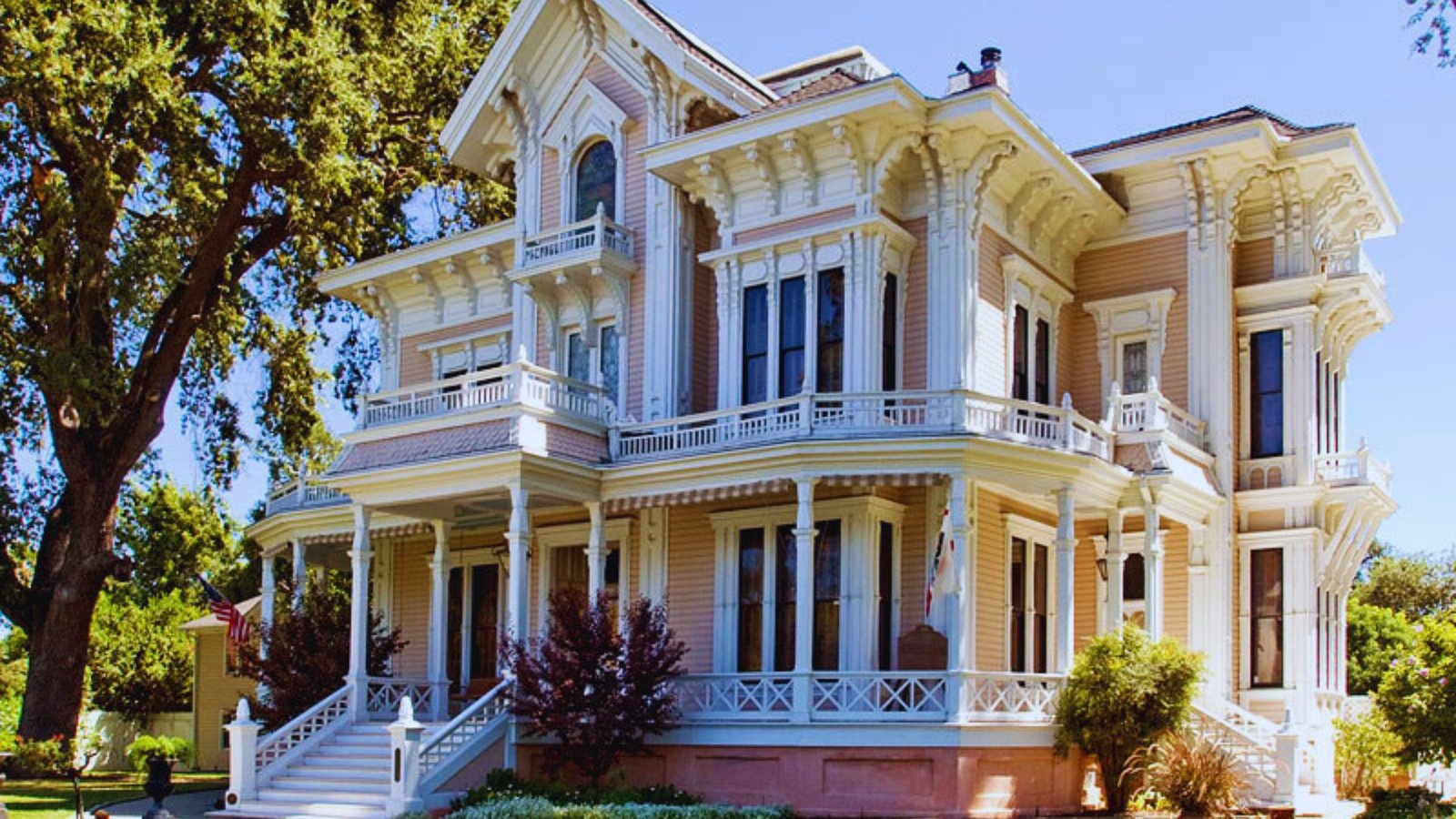
The design elements that give Italian villas their recognizable look and feel.
Symmetry, Proportion, and Classical Orders
Every facade is balanced. Windows line up. Columns follow Doric, Ionic, or Corinthian rules. The proportions feel natural to the eye because they are based on human scale.
Porticos, Columns, and Pediments
A portico – a covered entrance with columns is one of the most common features. Above it sits a pediment, a triangular gable that echoes ancient Greek temples. These elements give the building a formal, welcoming front.
Central Hall and Piano Nobile Layout
Inside, the plan centers on a grand hall. Above the ground floor sits the piano nobile – the main living floor.
This upper level held the important rooms: the salon, the dining room, the library. Below were service areas. Above were private chambers.
Loggias, Terraces, and Indoor-Outdoor Integration
A loggia is an open gallery – a covered walkway open on one side. It connects the interior to the garden without full exposure to the weather. Terraces extend this relationship further, creating outdoor rooms that feel like natural extensions of the house.
Formal Gardens and Landscape Harmony
The garden is not an afterthought. It is part of the design. Clipped hedges, gravel paths, fountains, and geometric beds all extend the building’s order into the landscape. The villa and its garden work as one composition.
Regional and Stylistic Variations
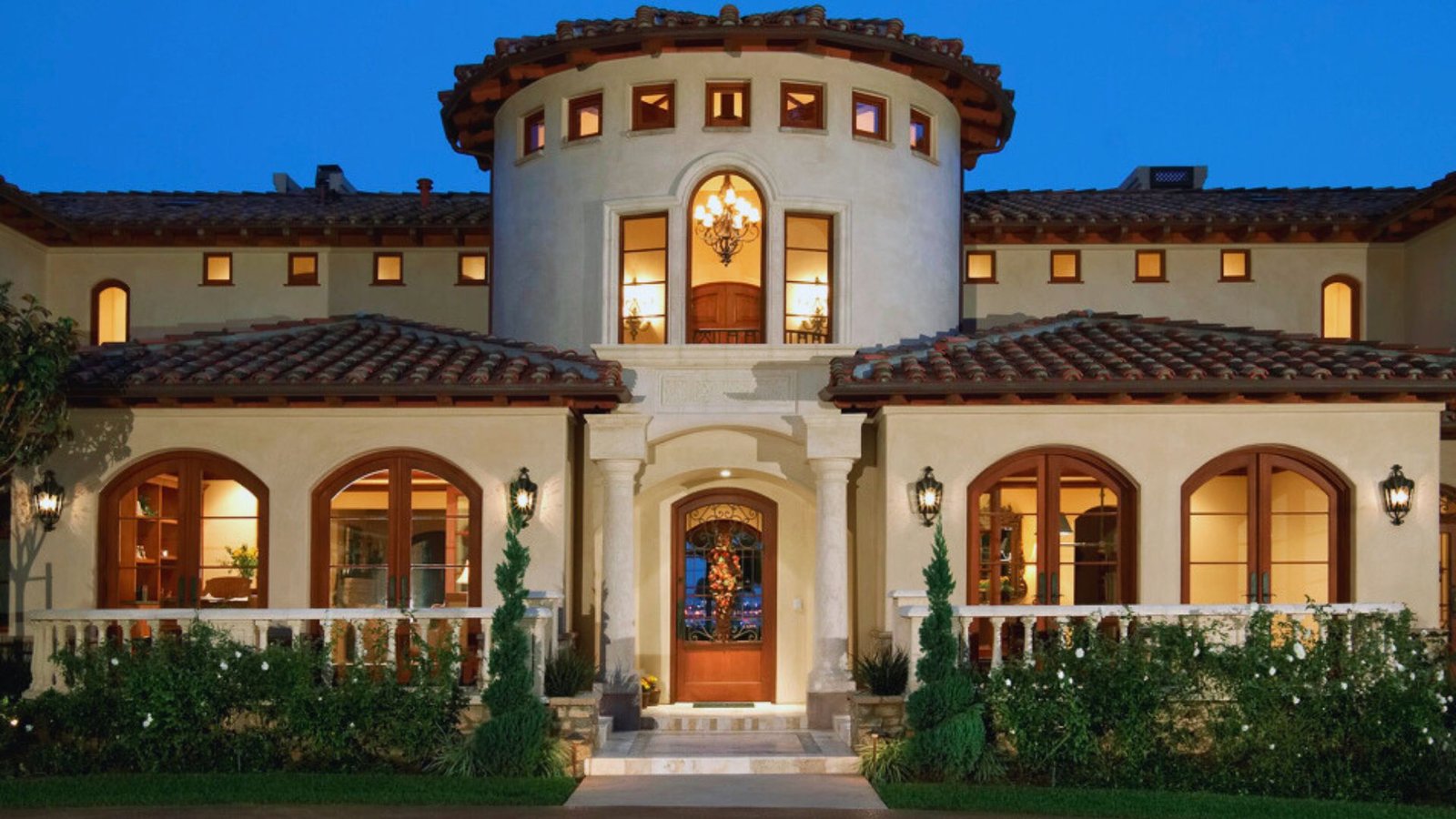
Italian villas look different depending on where and when they were built.
Tuscan Farmhouse Villas
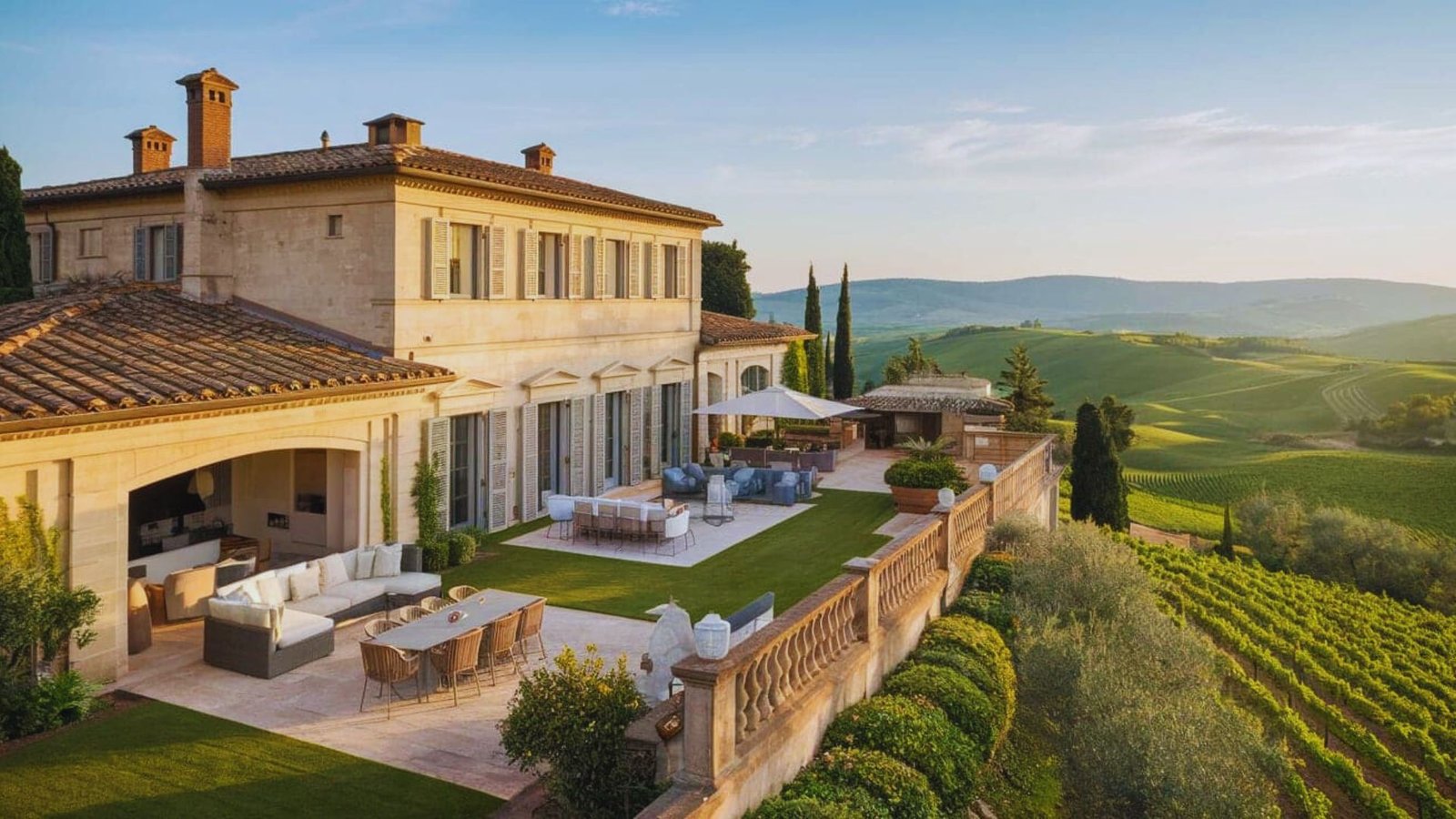
In Tuscany, villas grew from working farms. Stone walls, terracotta roofs, and simple arched windows define this type. The style feels rooted and earthy less formal than northern Italian examples.
Northern Italian Lake Villas
The villas along Lakes Como and Maggiore are more ornate. Built for pleasure, they feature elaborate facades, boathouses, and terraced gardens that descend to the water. Villa del Balbianello and Villa d’Este are well-known examples.
Liberty Style and Early 20th-Century Interpretations
In the early 1900s, Italian architects adapted the villa form to Liberty style Italy’s version of Art Nouveau. Curved lines, floral details, and asymmetric facades replaced classical strictness, though the villa form remained.
Italian Villa Architecture & Other European Traditions
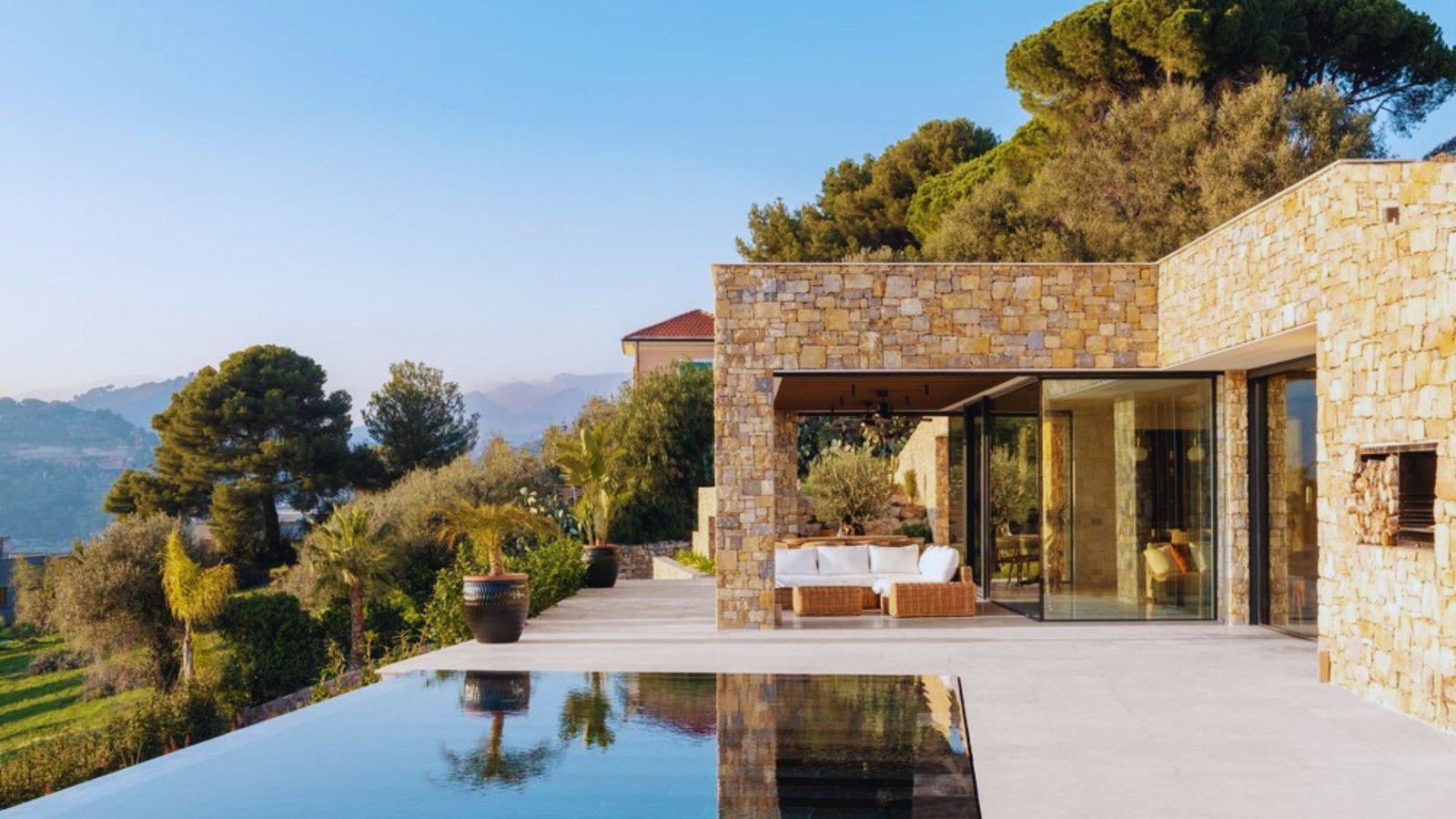
How the Italian style differs from other great European building traditions.
Differences from French Châteaux
French châteaux tend toward vertical drama, steep roofs, pointed turrets, and elaborate surface decoration. Italian villas are more horizontal, calmer, and closely tied to the ground and landscape.
Comparison with English Country Houses
English country houses often feel informal in their landscape setting, thanks to the naturalistic parks of designers like Capability Brown. Italian villas impose geometric order on their surroundings. The difference is control versus flow.
Mediterranean Climate Influence on Design
The warm Italian climate shaped the architecture directly. Deep loggias block summer sun. Thick stone walls keep interiors cool. Shaded terraces make outdoor living possible for much of the year. Climate and design are inseparable here.
The Birth of the Italianate Movement Abroad
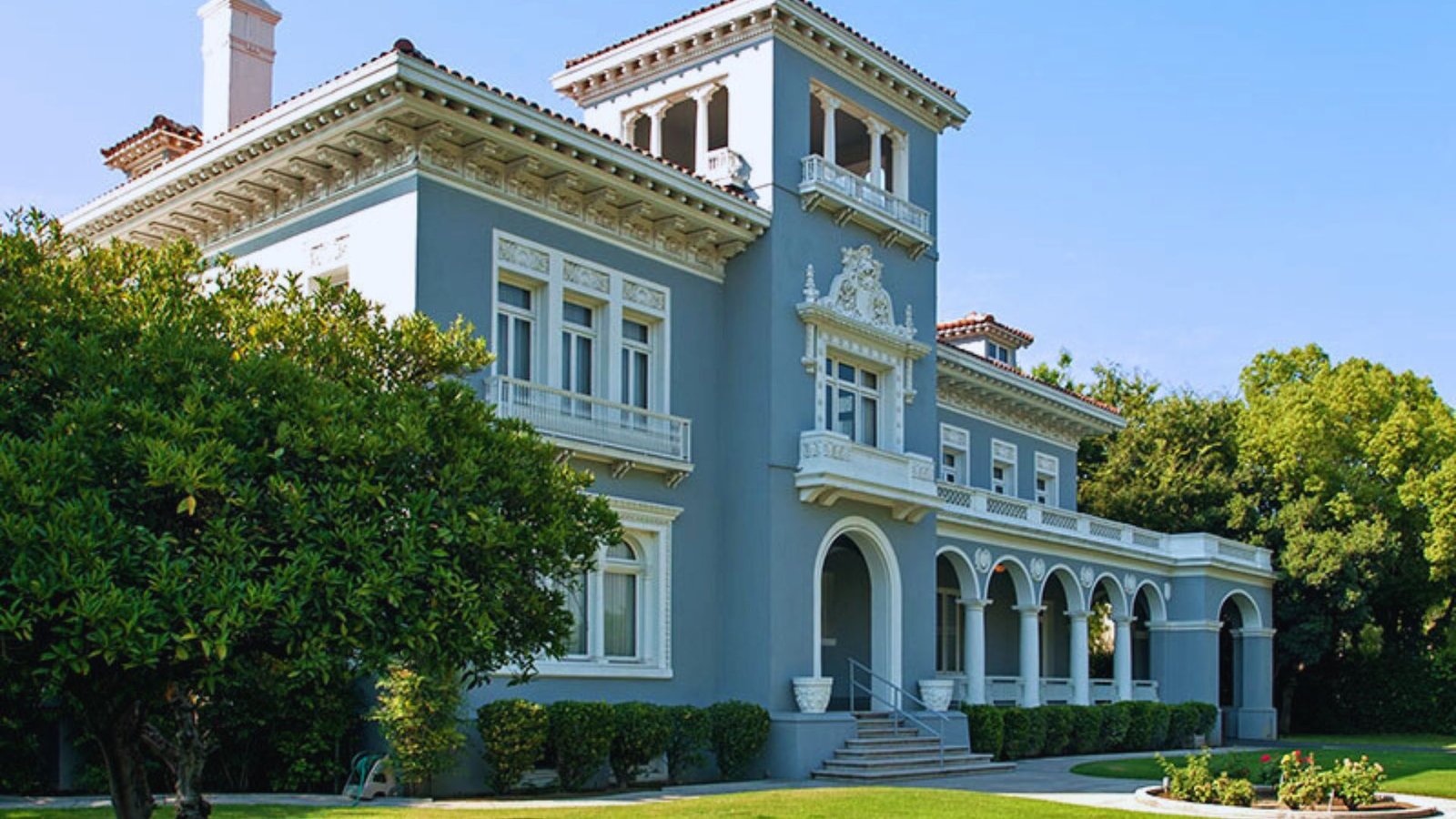
In the 19th century, the Italianate movement gave architects in Britain and America a way to build villas influenced by Italian models of low-pitched roofs, bracketed eaves, arched windows, and asymmetric towers. It became hugely popular for country houses and suburban homes.
Global Influence of Italian Villa Architecture
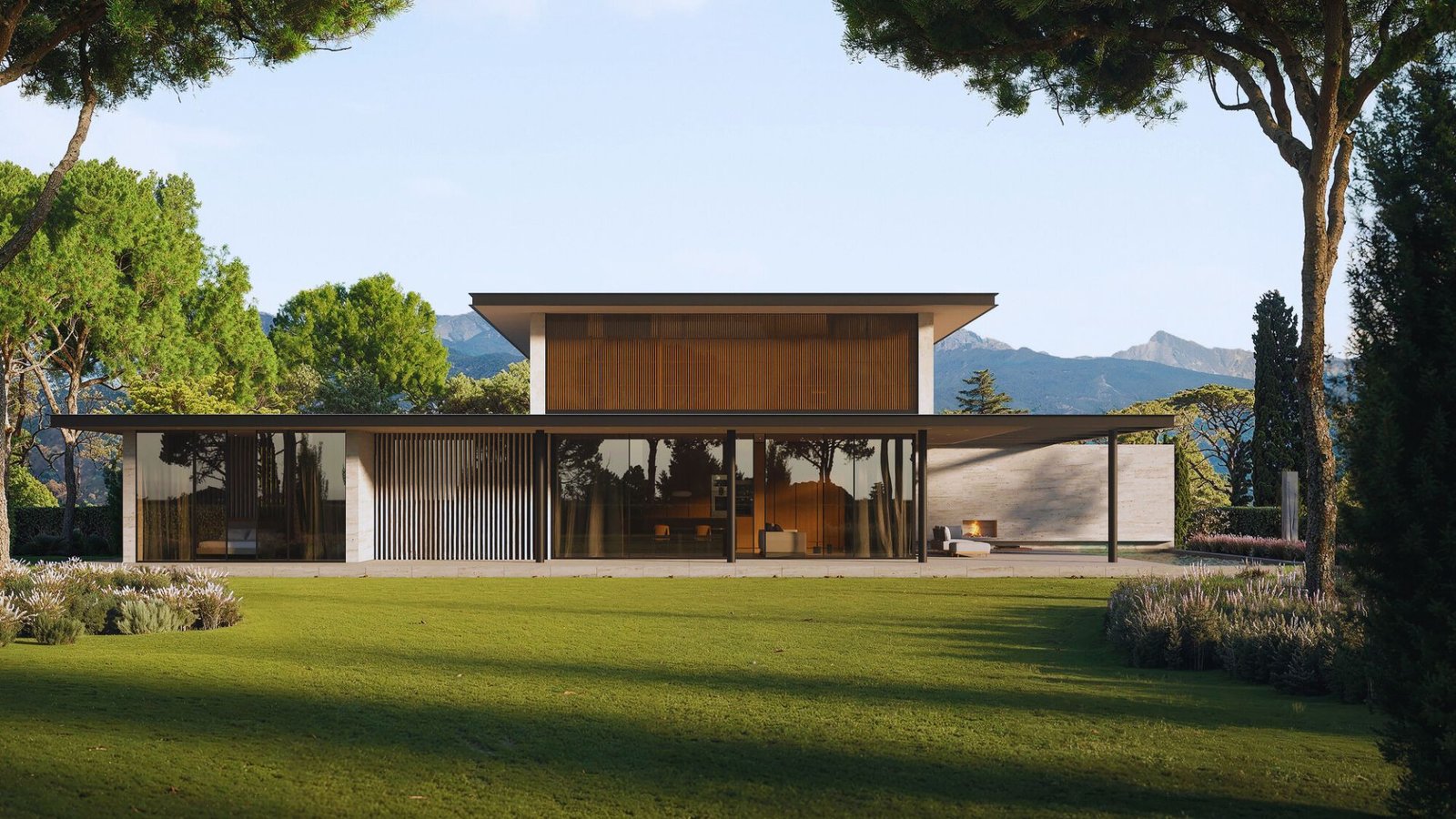
How one national tradition shaped buildings around the world.
Palladian Architecture in Britain
Palladio’s ideas arrived in England through Inigo Jones in the early 17th century. By the 18th century, the Palladian style dominated British country house design. Chiswick House in London is one of the clearest examples.
The Italianate Style in America
American architects and clients embraced the Italianate style from the 1840s onward. Andrew Jackson Downing promoted it through widely read pattern books. It appeared on farmhouses, villas, and town homes from New England to the Midwest.
19th-Century Romantic Revival
During the Romantic period, the Italian villa became a symbol of culture and history. Wealthy Americans and Europeans built homes modeled on Italian originals, placing them in landscaped grounds to evoke the atmosphere of the Grand Tour.
Modern Luxury Homes Influenced by Italian Villas
Today, high-end residential design still draws from this tradition. Symmetrical facades, stone cladding, arched openings, and formal gardens appear in luxury homes worldwide proof that the style’s appeal has not faded.
Design Tips Influenced by Italian Villa Architecture
Practical ideas for bringing this tradition into your own home or project.
- Place windows and doors symmetrically to create a sense of calm and order
- Add a covered terrace or loggia so the outside feels like another room
- Use stone, terracotta tiles, and clay roofs, they age well and look better over time
- Add small classical details like a column or stone doorway surround without overdoing it
- Plan the garden alongside the building using paths and hedges that mirror the structure’s lines
- Let natural materials connect the building to its surroundings and history
Conclusion
Italian villa architecture has stayed with me as one of the most honest design traditions I’ve studied. It never shows off, yet it always impresses. If you’ve been curious about what makes these buildings feel so right, I hope this article helped.
Try one idea in your own space: a symmetrical arrangement, a shaded terrace, or a simple stone path. Small moves make a big difference.
I’d love to hear your thoughts, drop a comment below or share this with someone who loves great design. It means a lot.
Frequently Asked Questions
What is the main feature of Italian villa architecture?
The main feature is symmetry combined with a strong connection to the outdoors. Loggias, terraces, and formal gardens are central to the design.
Who had the biggest influence on Italian villa architecture?
Andrea Palladio, a 16th-century designer from Vicenza, had the greatest influence. His ideas shaped architecture across Europe and America for centuries.
How is an Italian villa different from a regular house?
An Italian villa follows classical rules of proportion and symmetry. It also treats the garden as part of the overall design, not a separate space.
What materials are used in Italian villa architecture?
Stone, terracotta, plaster, and timber are the most common materials. These are local, durable, and improve in appearance as they age.
Can modern homes use Italian villa design principles?
Yes. Symmetry, natural materials, indoor-outdoor flow, and formal gardens can all be applied in modern homes without copying historical styles directly.