I’ve helped many homeowners pick the right fence, and I know how confusing it can get. There are so many styles, materials, and price points. It’s hard to know where to start.
In this article, I’ll walk you through 7 luxury fence design ideas that actually work. You’ll learn what makes a fence look high-end, which materials last the longest, and how to pick the right style for your home.
We’ll cover what defines a luxury fence, seven stylish design options, and how to choose and maintain the right one.
With years of experience in outdoor design, I’m here to make this simple for you.
What Makes a Fence Design “Luxury”?
A luxury fence is more than just a boundary. It adds style, value, and character to your property. The materials make the biggest difference. High-quality options like wrought iron, natural stone, tempered glass, and hardwood cedar last longer and look far better than basic wood or chain-link.
Beyond materials, a luxury fence has clean lines, detailed patterns, and strong curb appeal. It looks planned, not just installed. It should complement your home, not compete with it.
You can also customize the height, color, finish, and style so it fits your property perfectly, not like something pulled off a shelf.
7 Luxury Fence Design Ideas for Stylish Homes
There are many ways to fence in your property, but not all of them add real value or style. The seven designs below are proven options that look great and hold up well over time. Each one works best for a different type of home, budget, and lifestyle.
1. Wrought Iron Luxury Fence Design
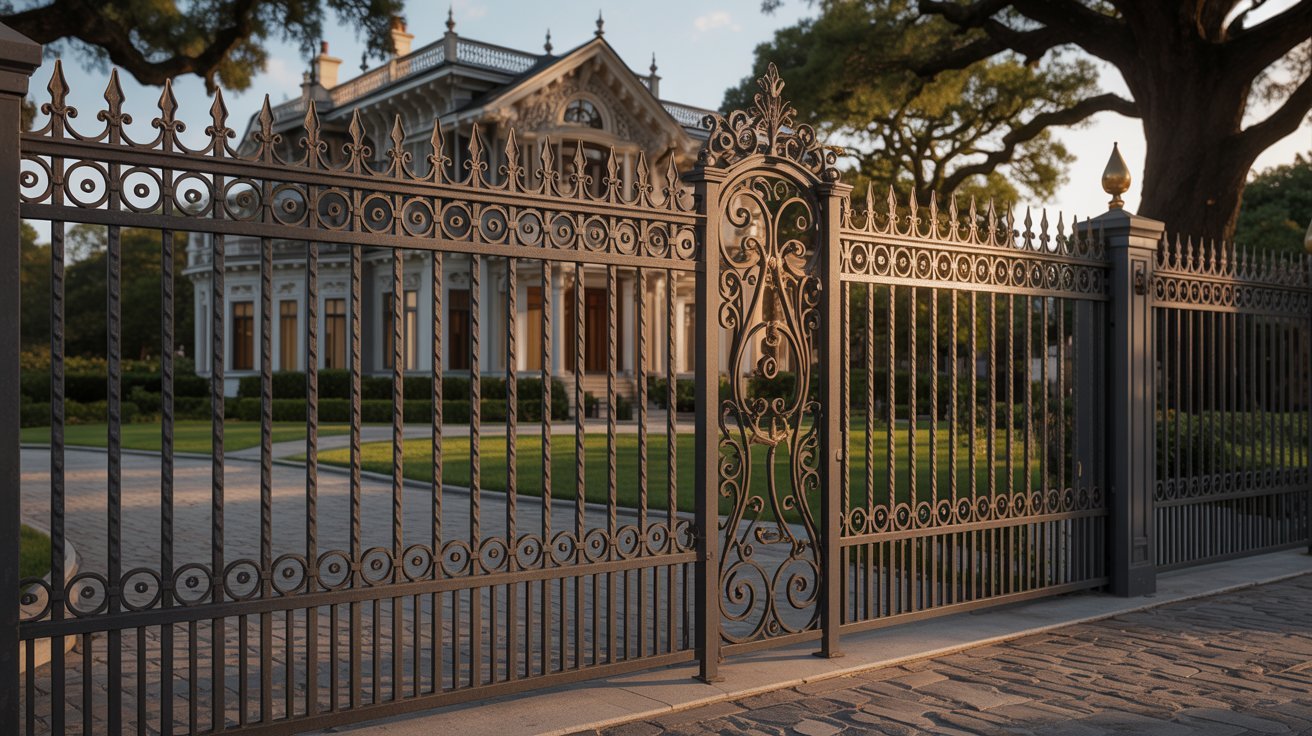
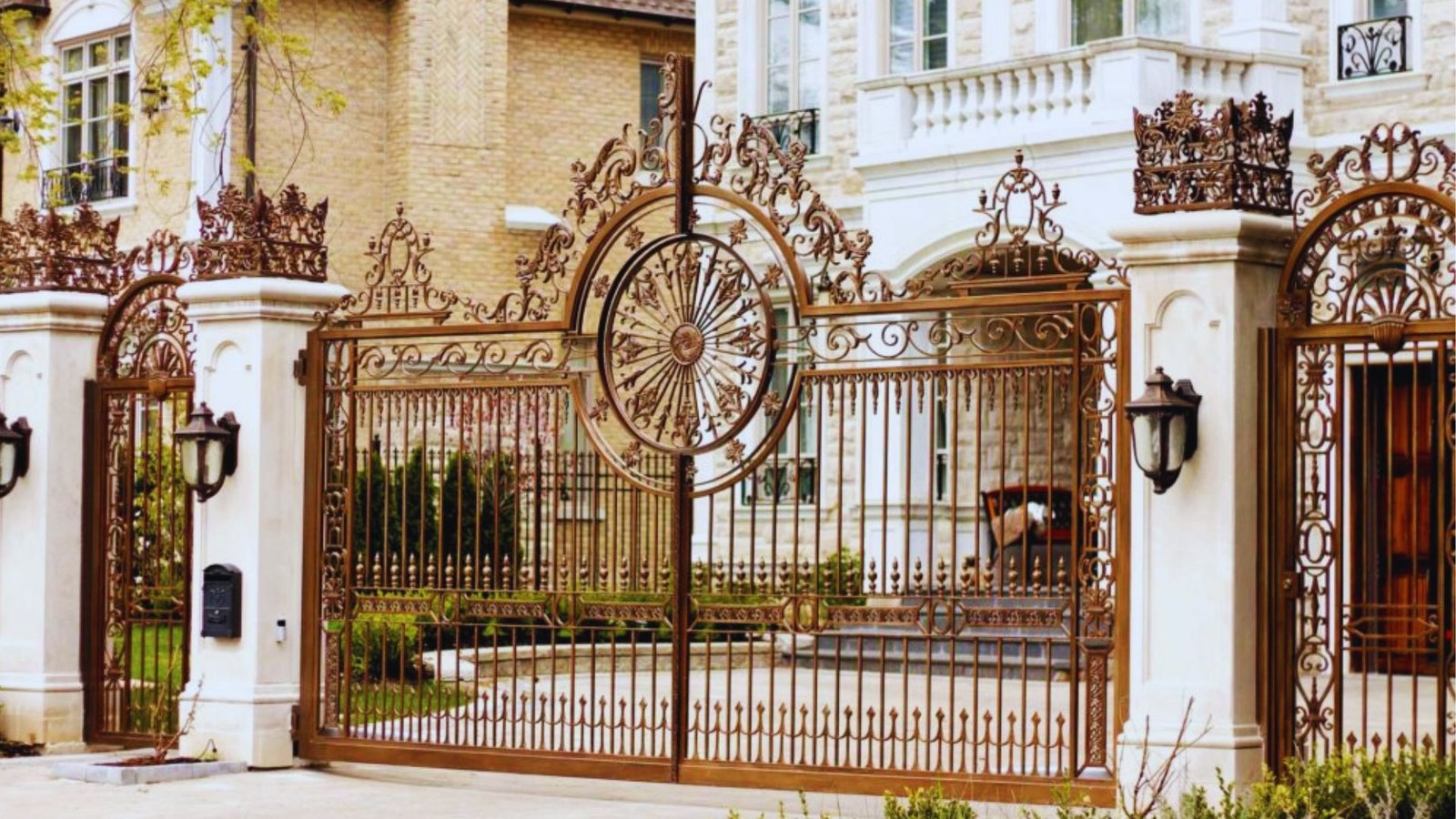
Wrought iron is one of the most classic choices for a high-end property. It features detailed patterns, curved details, and strong vertical lines that give any home a grand look.
It’s incredibly durable. With proper coating, wrought iron can last for decades without losing its appeal. It works well for front yard boundaries, driveways, and formal garden spaces.
Best for: Traditional, Victorian, or colonial-style homes.
2. Aluminum Luxury Fence Design
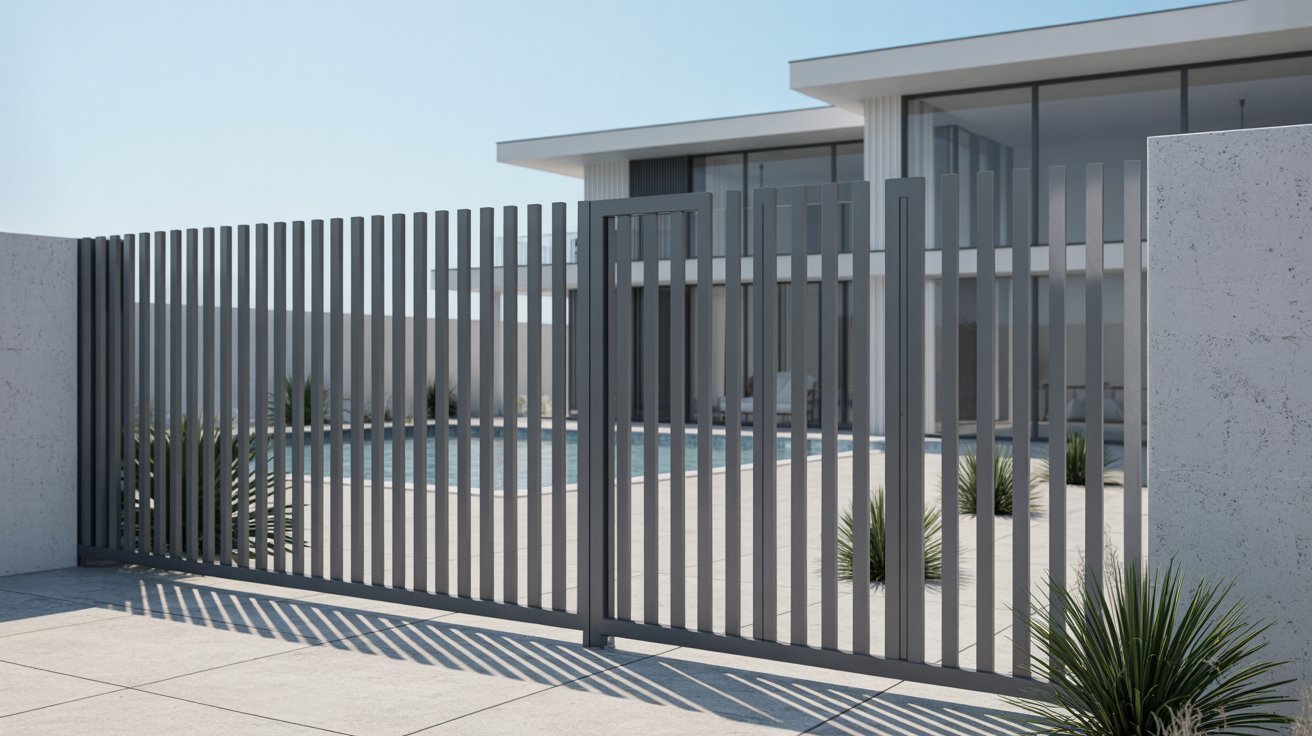
Aluminum gives you the look of wrought iron at a lower weight and cost. It doesn’t rust, which makes it perfect for coastal homes or areas with heavy rainfall.
Modern aluminum fences come in many finishes, including matte black, bronze, and white. They look clean and sharp without needing much upkeep.
Best for: Contemporary homes, beachfront properties, and pool enclosures.
3. Wooden Luxury Fence Design
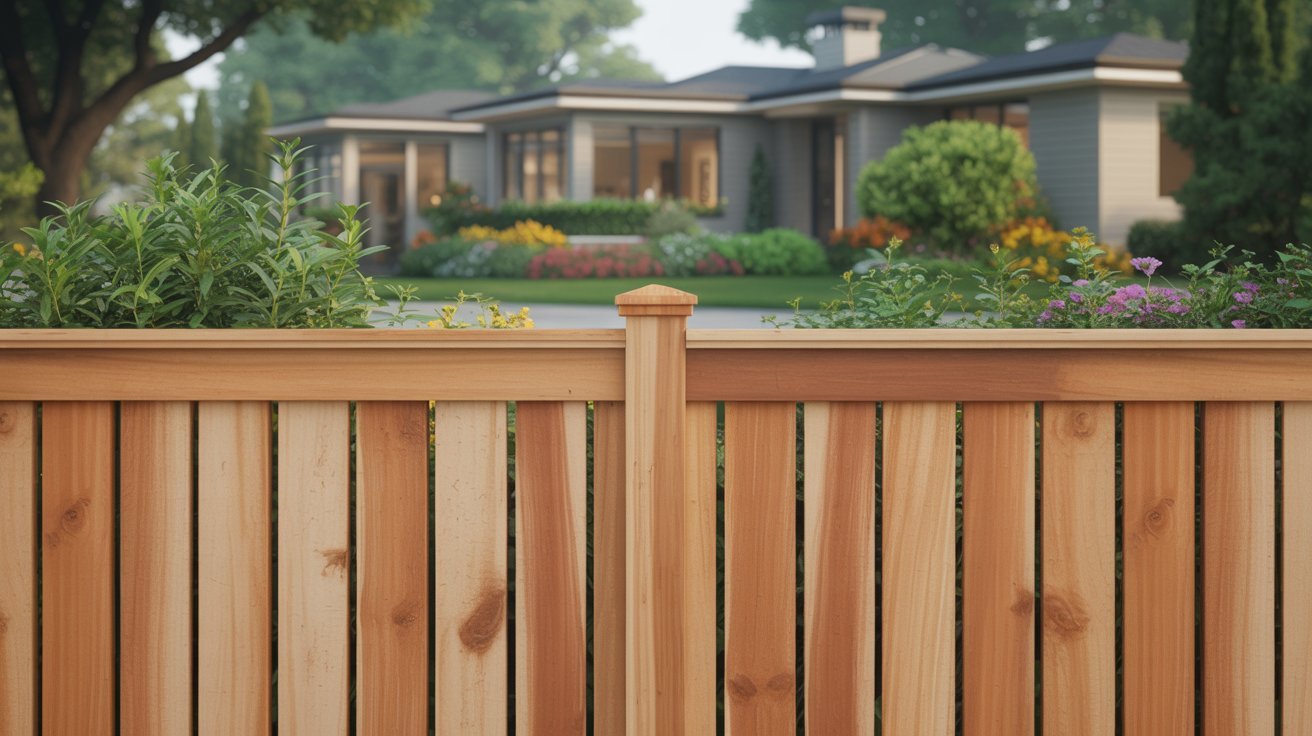
Wood has a natural warmth that no other material can fully copy. Cedar and redwood are the top choices because they resist rot and insects naturally.
A well-built wooden fence with a smooth stain or paint finish looks rich and welcoming. Tall privacy panels with flat-top caps give a polished, finished look.
Best for: Suburban homes, garden spaces, and backyard privacy.
4. Vinyl Luxury Fence Design
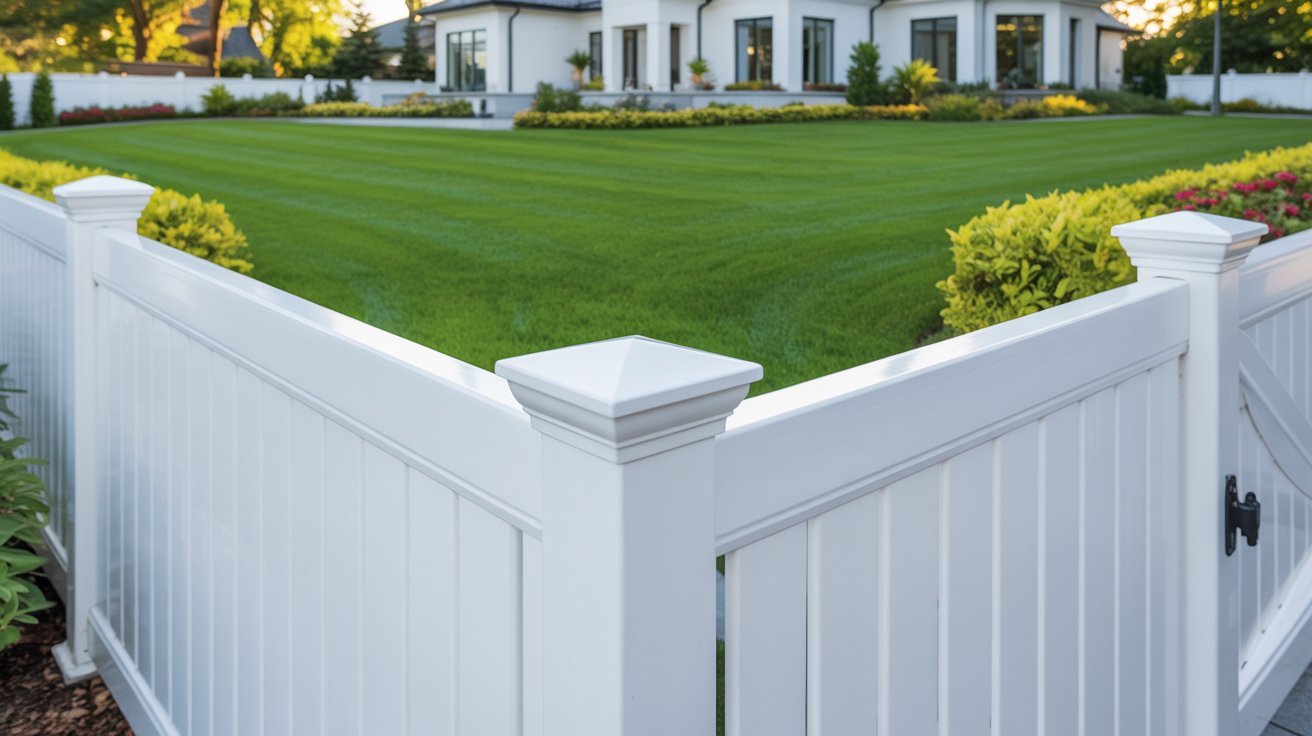
Vinyl has come a long way. Today’s vinyl fences can mimic the look of painted wood, stone, or even brick, but they need almost no maintenance. No painting, no staining, and no rotting.
A vinyl fence keeps its color and shape for years. It’s a smart pick for homeowners who want a premium look without regular upkeep.
Best for: Busy homeowners, rental properties, and modern family homes.
5. Glass Luxury Fence Design
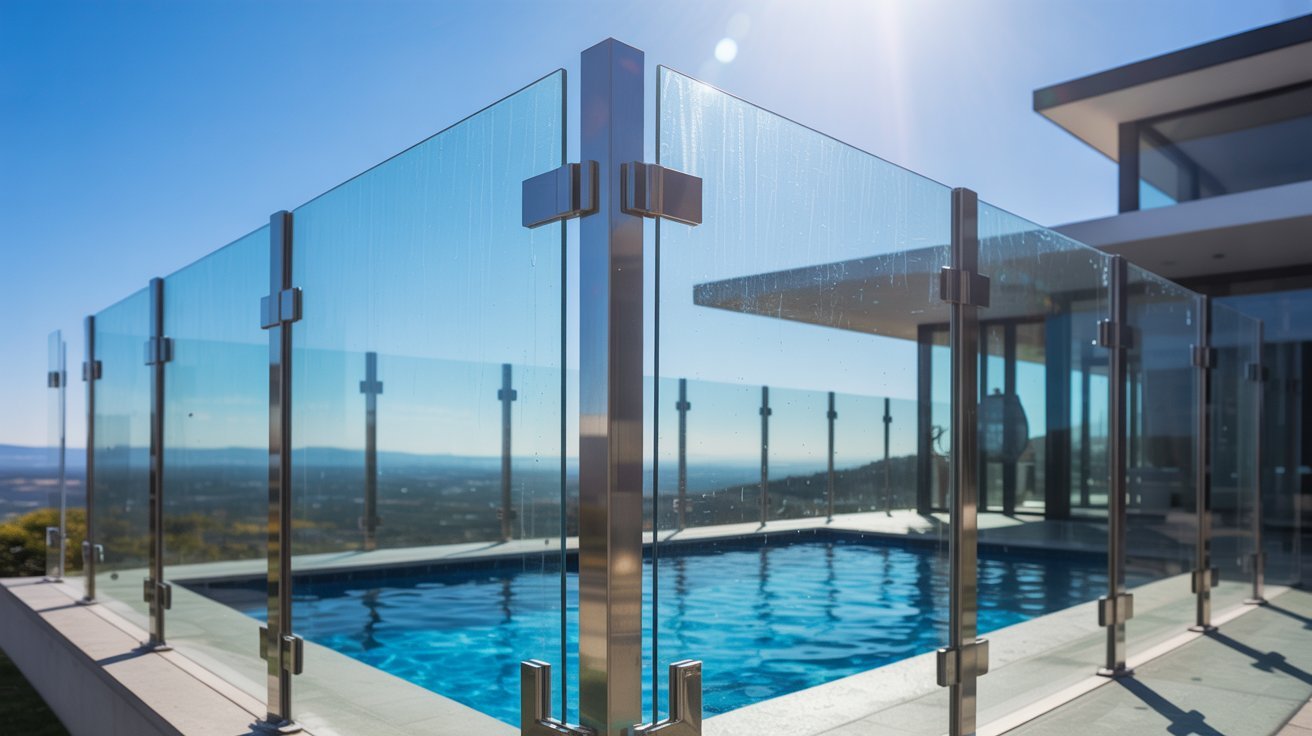
Glass fences are bold and modern. They use tempered or frameless glass panels to create clean, open boundaries that don’t block the view.
They work especially well around pools, decks, and patios. If you have a great view, a glass fence lets you keep it while still defining your space.
Best for: Pool areas, hilltop homes, and modern architecture.
6. Stone Luxury Fence Design
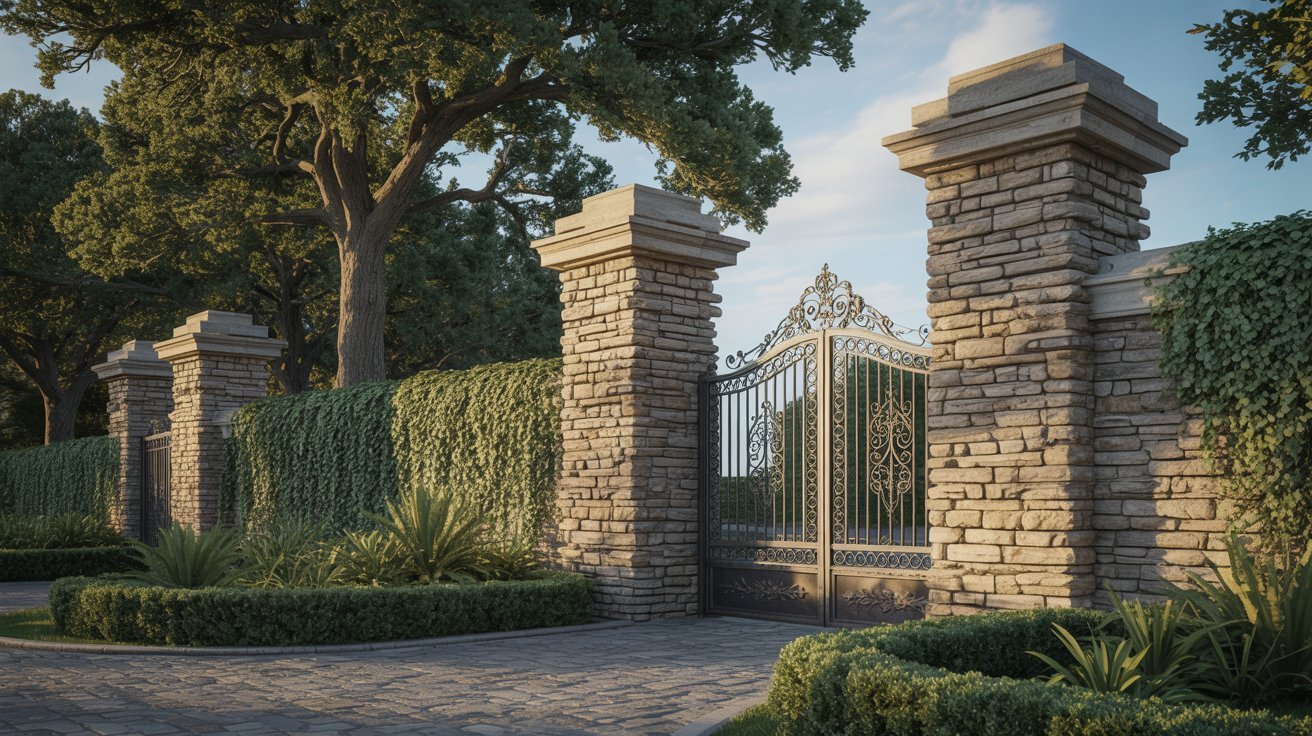
A stone fence says one thing clearly: permanence. It’s solid, heavy, and built to last generations. Natural stone walls, stacked stone columns, or stone-and-iron combinations all add a strong architectural feel.
Stone pairs well with lush landscaping. It also provides excellent privacy and noise reduction.
Best for: Large estates, countryside properties, and traditional architecture.
7. Mixed-Material Luxury Fence Design
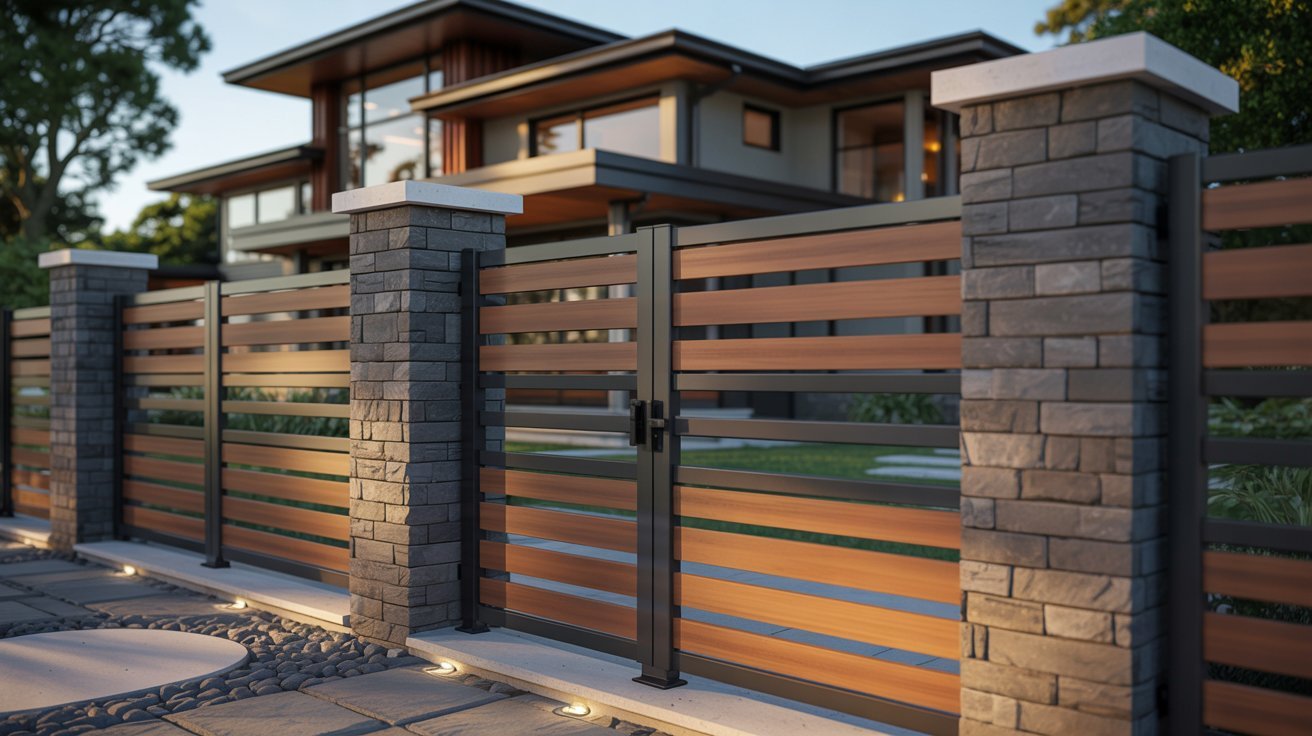
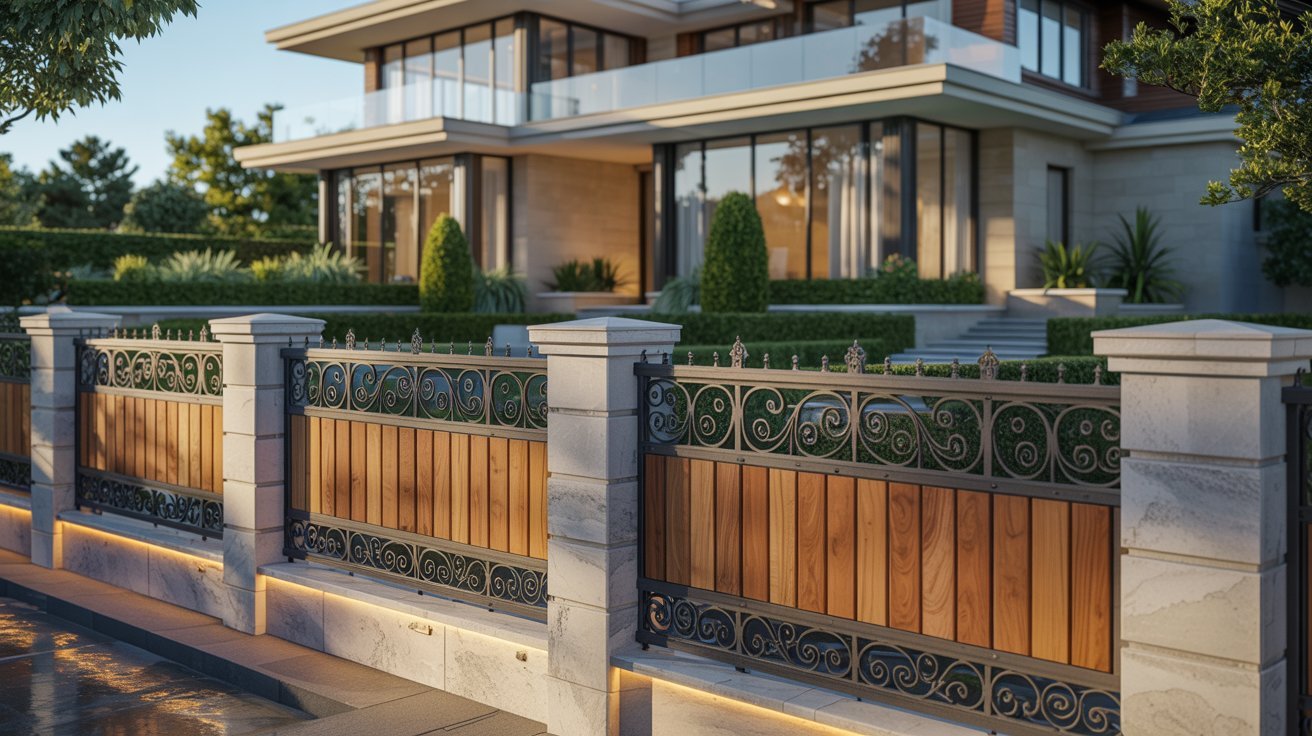
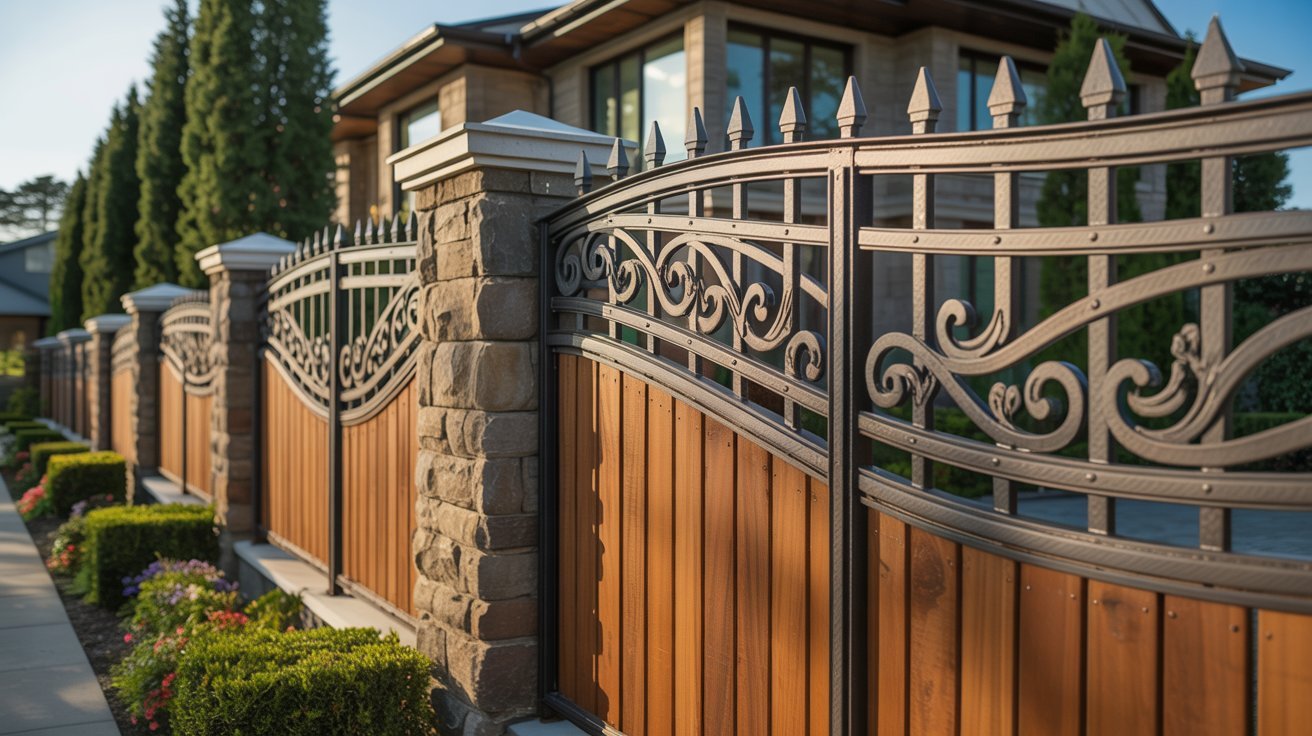
Why choose one material when you can combine two or three? Mixed-material fences are growing in popularity because they offer both function and visual interest.
Common combinations include wood panels with metal posts, stone columns with iron rails, and glass inserts within a wood frame. These designs feel modern and personal. They also let you match different parts of your property more easily.
Best for: Custom-built homes, modern properties, and homeowners who want something one-of-a-kind.
How to Choose the Right Luxury Fence Design
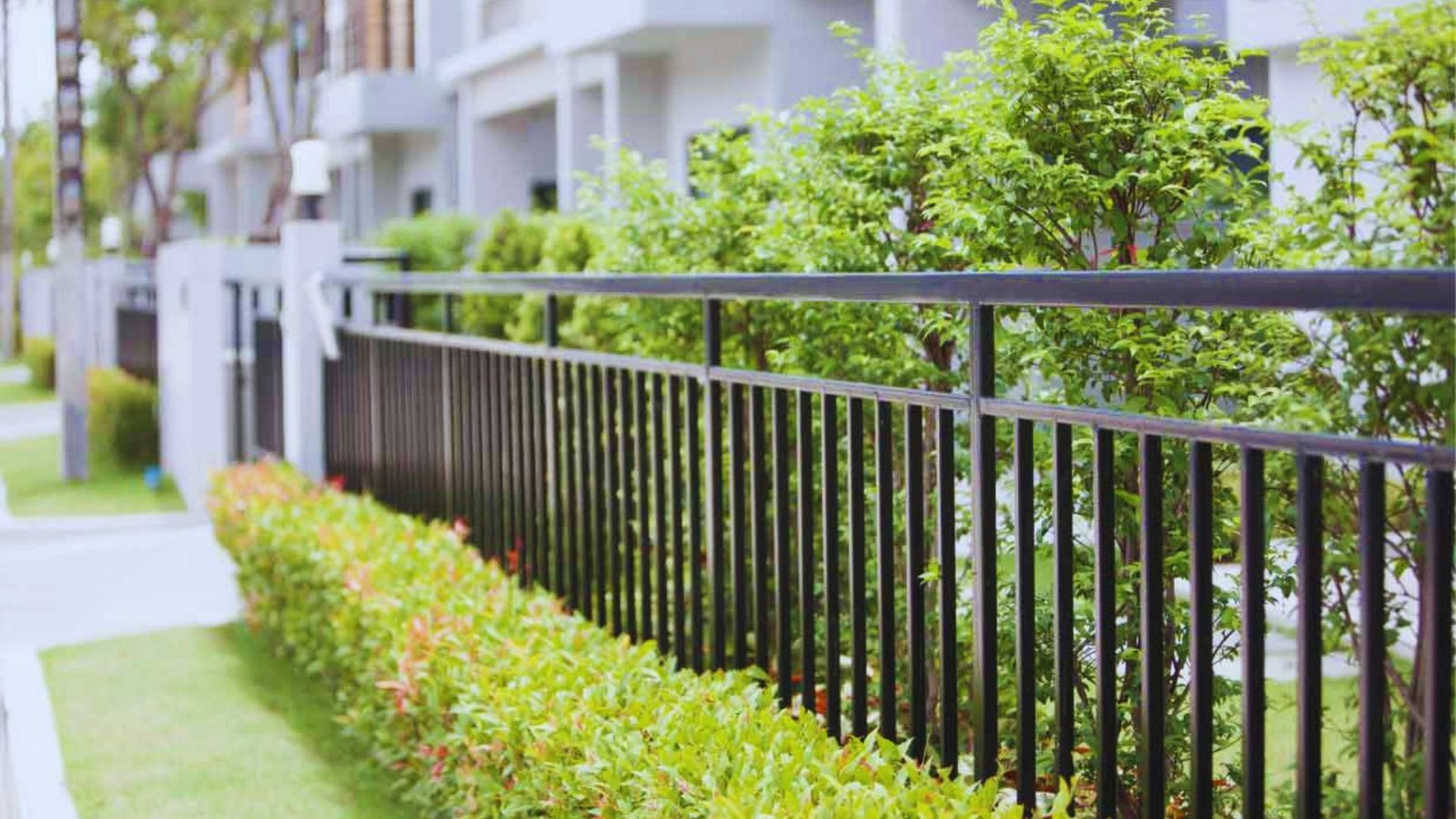
Choosing the right fence takes more than just picking what looks good online. Think about your home’s architecture first. A sleek glass fence looks sharp next to a modern home but can feel out of place next to a brick colonial. Your fence should feel like part of the same design.
Also consider how much privacy and security you need. A tall wooden or stone fence blocks views completely, while wrought iron or glass looks open but still marks a boundary.
Finally, think about upkeep. Wood needs staining every few years, metal may need rust coating, and glass needs regular cleaning. Vinyl and stone are the lowest maintenance options. Pick a material that fits your lifestyle, not just your taste.
Benefits of Installing a Luxury Fence
Installing a premium fence is an investment, and it pays off in several ways.
Higher Property Value
A well-designed fence adds real value to your home. Buyers notice curb appeal. A quality fence signals that the rest of the property is well cared for.
Better Security and Privacy
A strong fence keeps your family and property safe. It defines your space and keeps out unwanted visitors. Taller, solid designs offer the most privacy.
Long-Term Durability
Premium materials are built to last. You spend more upfront, but you save on repairs and replacements over time. Stone, iron, and high-grade vinyl can easily last 20 to 50 years with basic care.
Tips for Designing a Luxury Outdoor Space
Your fence sets the tone, but the details around it make the real difference.
- Pair your fence with shrubs, flowers, or climbing plants to soften the look and add natural warmth to the space.
- Add accent lighting along the fence line to create a polished look at night while also improving safety around your property.
- Use solar-powered post lights as a simple, low-cost way to light up your fence without extra wiring or high energy bills.
- Match your gate to your fence in material, color, and finish so the entire front of your home looks planned and pulled together.
- Choose fence colors that work with your home exterior. Black iron suits most styles, while natural wood tones pair well with earthy or warm-colored homes.
Conclusion
I’ve walked through a lot of ideas here, and I hope something clicked for you. Picking the right luxury fence design doesn’t have to feel overwhelming. Start with your home’s style, then think about your privacy needs and how much upkeep you’re willing to do.
Personally, I’ve always loved the look of mixed materials. There’s something about combining wood and iron that just feels solid and personal.
Now I’d love to hear from you. Which design caught your eye? Drop a comment below and share your thoughts!
Frequently Asked Questions
What is the most durable luxury fence material?
Stone and wrought iron are among the most durable options available. With proper care, both can last several decades without major repairs.
Are glass fences safe for homes with children or pets?
Yes, tempered glass fences are very strong and designed to handle impact. They are commonly used around pools and are built to meet safety standards.
How much does a luxury fence installation typically cost?
Costs vary widely depending on the material and size of the project. On average, homeowners spend between $5,000 and $30,000 or more for premium fence installations.
Can I mix different fence materials in one design?
Absolutely. Mixed-material fences are a popular choice for custom homes. Combining wood, metal, and glass can create a polished and personal outdoor look.
How do I maintain a wooden luxury fence?
Clean it once a year and apply a fresh coat of stain or sealant every two to three years. This protects the wood from moisture, UV rays, and insects.