Building a luxury home is one of the biggest financial decisions you’ll ever make.
I know because I’ve helped many homeowners plan their dream builds, and the number one question is always: “How much will this actually cost?”
In this guide, I’ll break down the cost to build a luxury home from land to the last detail. You’ll get real numbers, honest cost factors, and practical tips to stay on budget.
Whether you’re just starting to plan or ready to break ground, this article gives you everything you need.
How Much Does It Cost to Build a Luxury Home?
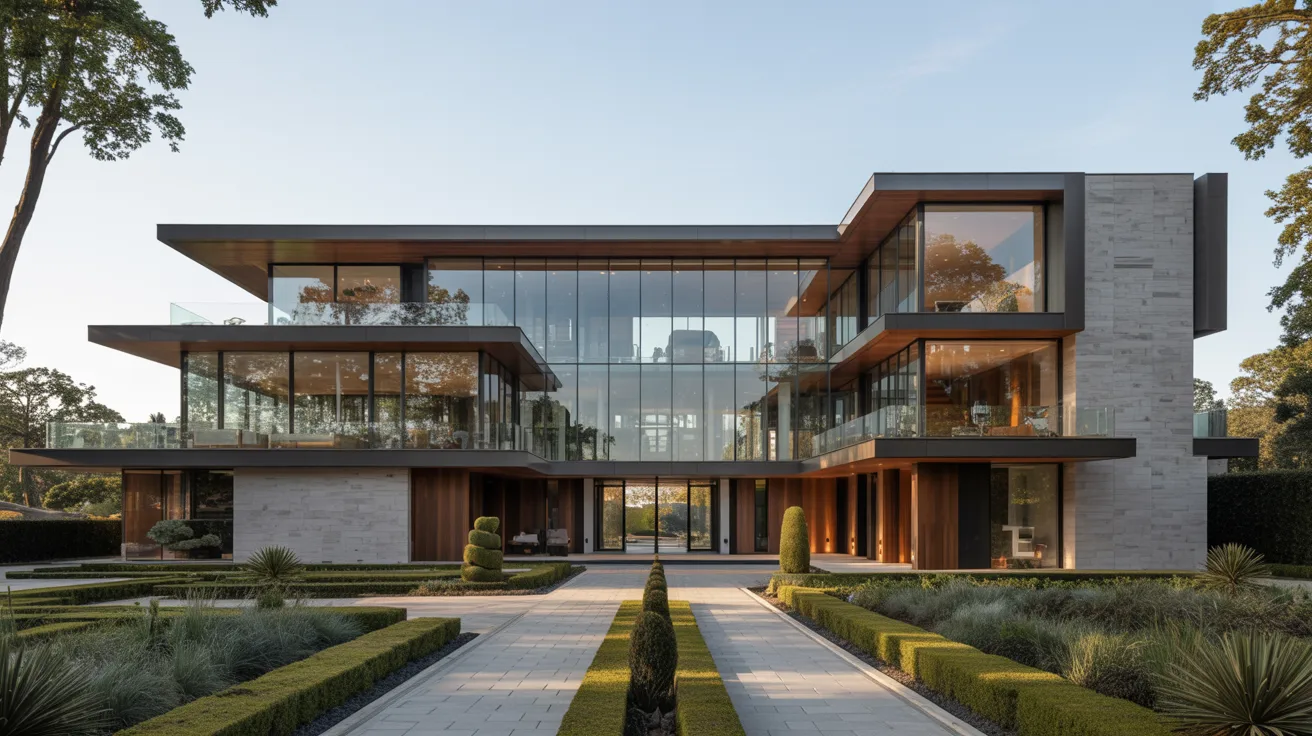
Building a luxury home is a major investment. Most projects fall between $500,000 and $5 million. The average custom luxury build lands around $1 million to $2.5 million. Ultra-luxury homes in top markets can go well past $10 million.
When it comes to price per square foot, expect to pay $300 to $600. High-end finishes, custom floor plans, and premium materials push that number higher. Location also plays a big role in what you’ll pay.
Home size directly shapes your total cost. A 3,000 sq ft home runs roughly $900K to $1.8M. A 5,000 sq ft home costs around $1.5M to $3M. At 8,000 sq ft, you’re looking at $2.4M to $4.8M or more.
Average Cost Per Square Foot to Build a Luxury Home
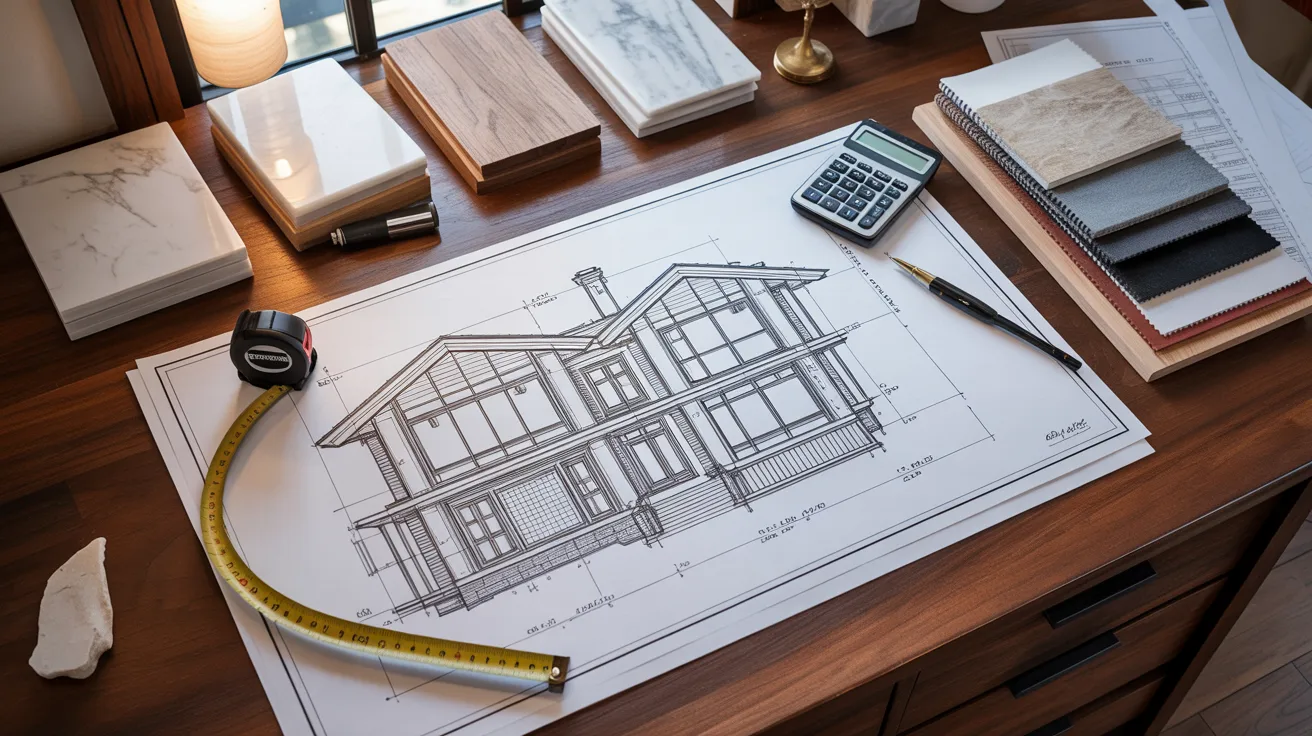
Square footage pricing helps you compare builders and set realistic expectations early.
Standard Luxury Home Price Per Sq Ft
For a standard luxury build, costs run $300 to $450 per square foot. This covers quality materials, skilled labor, and solid construction.
Ultra-Luxury Home Cost Per Sq Ft
Ultra-luxury homes often start at $500 per square foot and can reach $1,000 or more. Custom ceilings, imported stone, wine cellars, and full home automation push prices higher.
What Is Included in the Per-Square-Foot Cost
This figure typically includes:
- Structural framing and foundation
- Roofing and exterior cladding
- Mechanical, electrical, and plumbing systems
- Standard interior finishes
It usually does not include land, landscaping, or designer furniture.
Key Factors That Affect the Cost to Build a Luxury Home
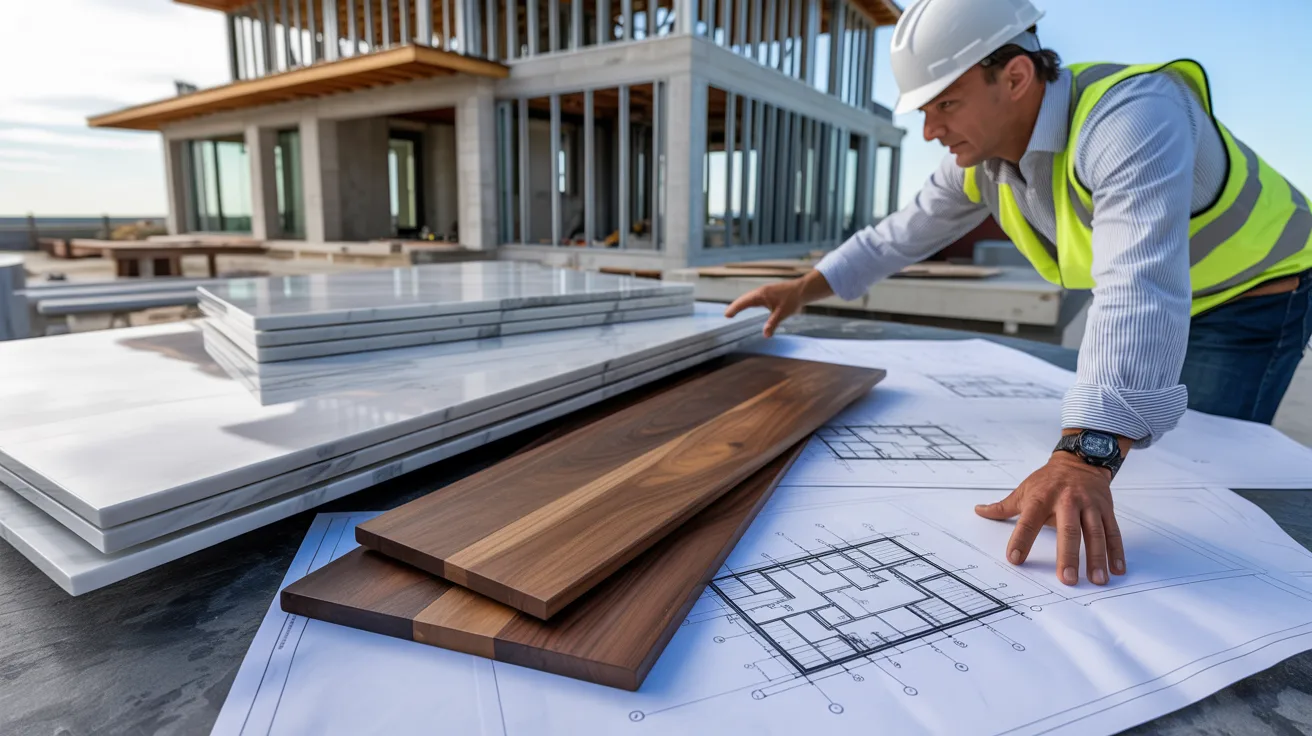
Several variables shape your total bill. Knowing them helps you plan smarter.
Location and Regional Construction Costs
Building in California, New York, or Miami costs far more than building in Texas or the Midwest. Labor rates, zoning rules, and land costs all vary by region. A $400/sq ft budget in one state might only get you $250/sq ft quality in another.
Home Size and Architectural Complexity
Larger homes cost more overall, but cost less per square foot. However, complex designs, irregular shapes, and custom rooflines all add to labor and materials. Simple, clean designs save money.
High-End Materials and Luxury Finishes
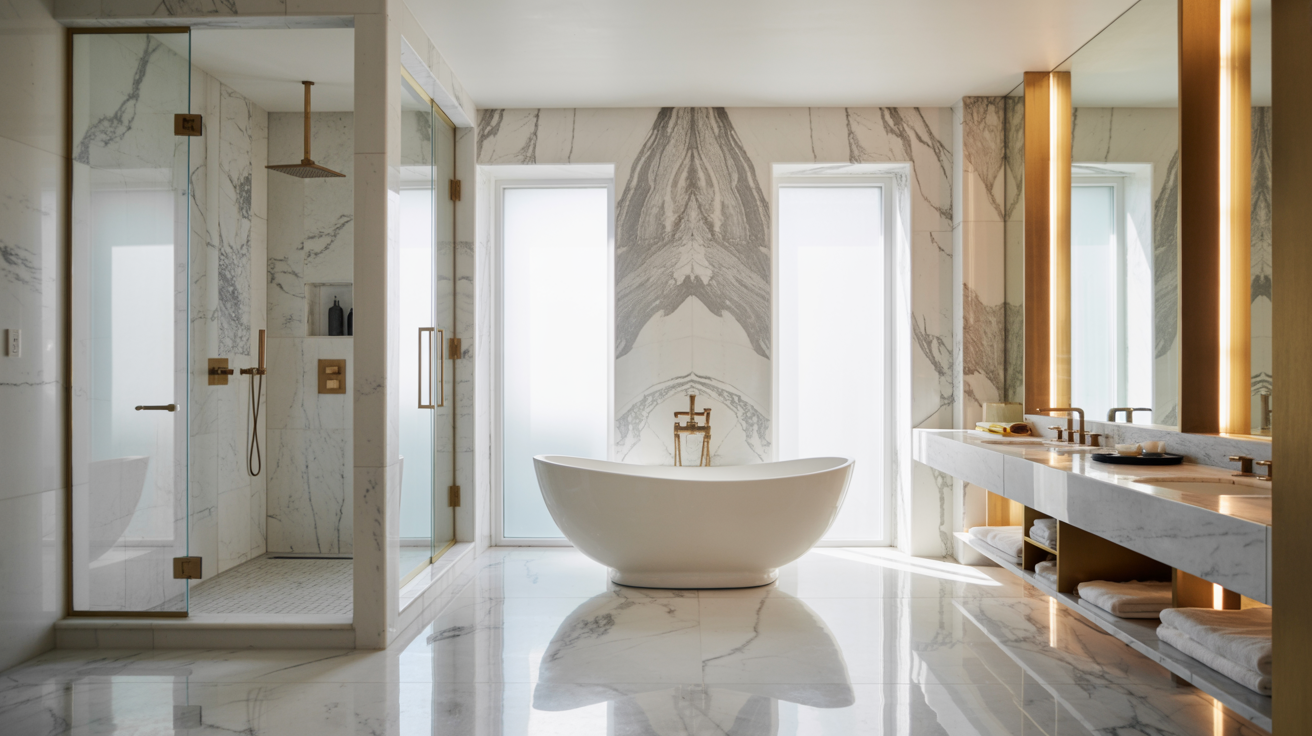
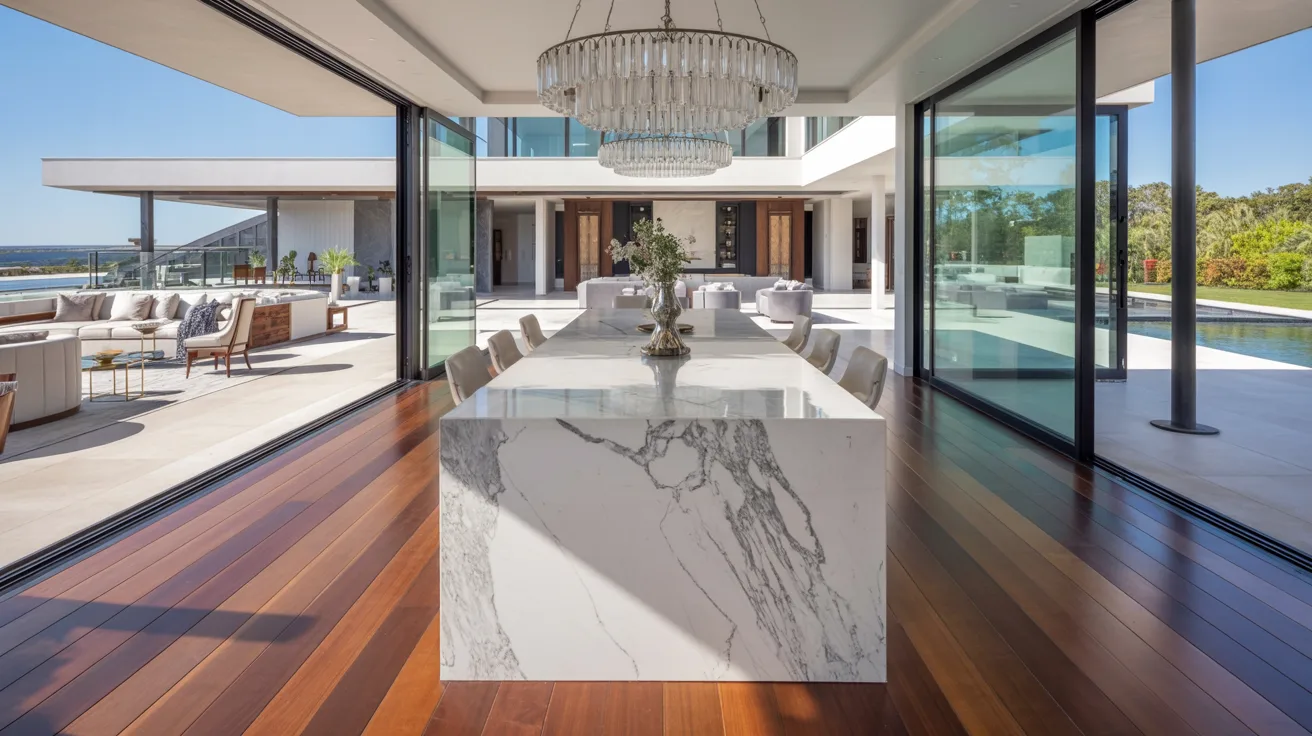
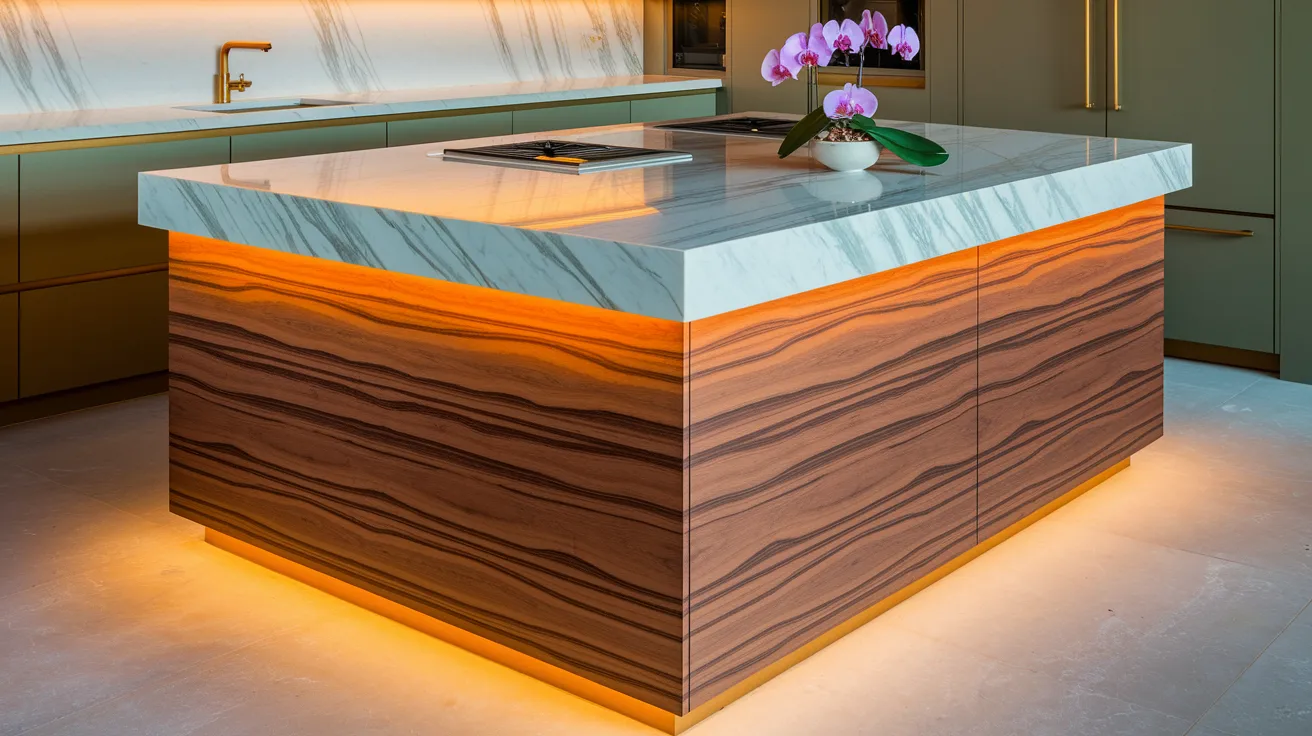
The materials you choose matter a lot. Imported marble, custom cabinetry, wide-plank hardwood, and hand-set tile all come at a premium. These finishes can add $100,000 to $500,000 or more depending on the scale of your home.
Smart Home Technology and Energy-Efficient Features
Full home automation systems, solar panels, geothermal heating, and EV charging stations are popular in luxury builds. These add $50,000 to $250,000 on average. They also reduce long-term operating costs.
Full Cost Breakdown of Building a Luxury Home
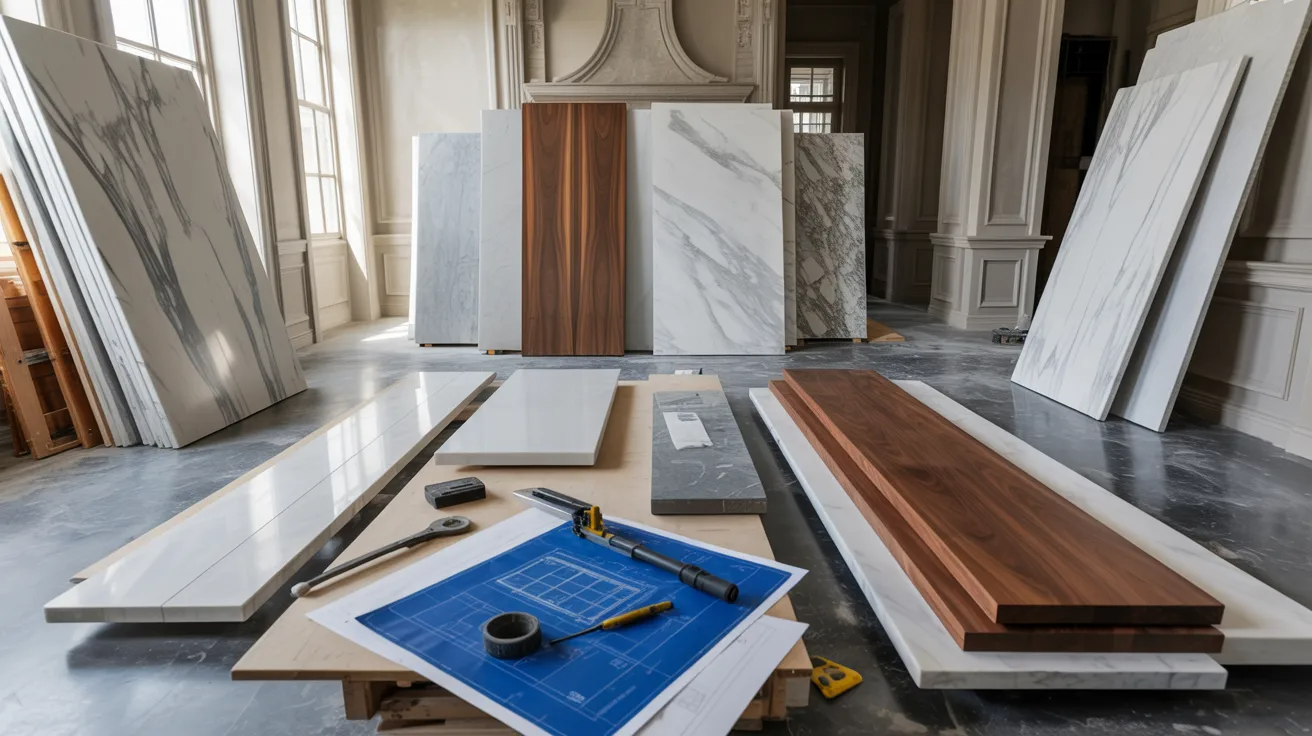
Every dollar has a destination. Here’s where your money actually goes.
Land Purchase and Property Costs
Land can cost anywhere from $50,000 in rural areas to over $2 million in high-demand zip codes. Don’t overlook lot prep, soil testing, and clearing costs on top of the purchase price.
Architectural and Design Fees
Hiring a top architect typically costs 5% to 15% of total construction costs. On a $2 million home, that’s $100,000 to $300,000. Interior designers add another $50,000 to $200,000 depending on their scope.
Construction and Labor Costs
Labor makes up about 40% to 50% of total build costs. Skilled tradespeople, specialty contractors, and project managers are all part of this. Don’t cut corners here. Labor quality affects everything.
Permits, Inspections, and Legal Fees
Permits vary by city and state. Expect to budget $5,000 to $30,000 for permits and inspections. Legal fees for contracts, title work, and zoning reviews can add another $5,000 to $15,000.
Additional Costs to Consider When Building a Luxury Home
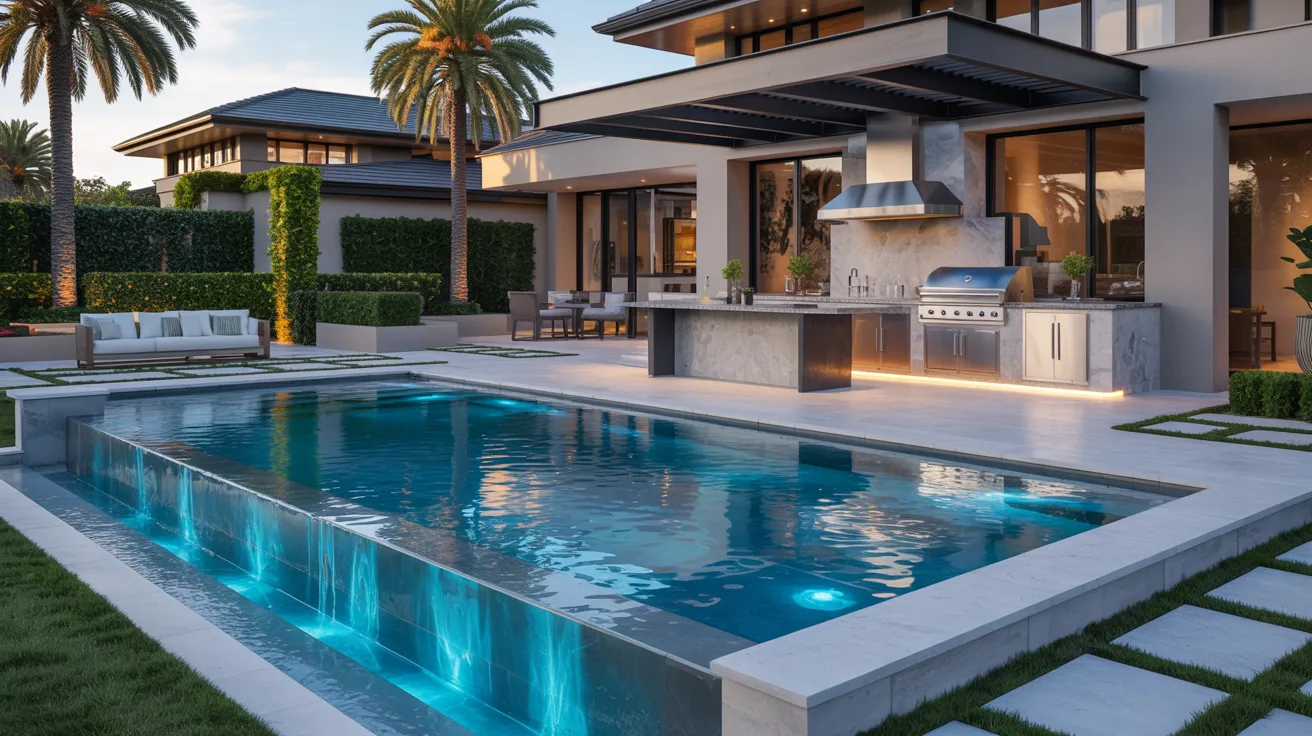
These costs often get overlooked during planning but can add up fast.
Site Preparation and Utility Installation
Clearing land, grading the lot, and connecting utilities like water, gas, and electricity can cost $20,000 to $100,000. Difficult terrain or remote locations increase this significantly.
Landscaping and Outdoor Living Spaces
A pool, outdoor kitchen, hardscaping, and mature tree planting can add $100,000 to $500,000 to your project. Many homeowners spend 10% to 20% of their construction budget on the exterior.
Interior Design and Custom Features
Custom closets, home theaters, wine rooms, and spa bathrooms are common in luxury builds. Budget an extra $50,000 to $300,000 depending on how many custom spaces you want.
Is It More Expensive to Build or Buy a Luxury Home?
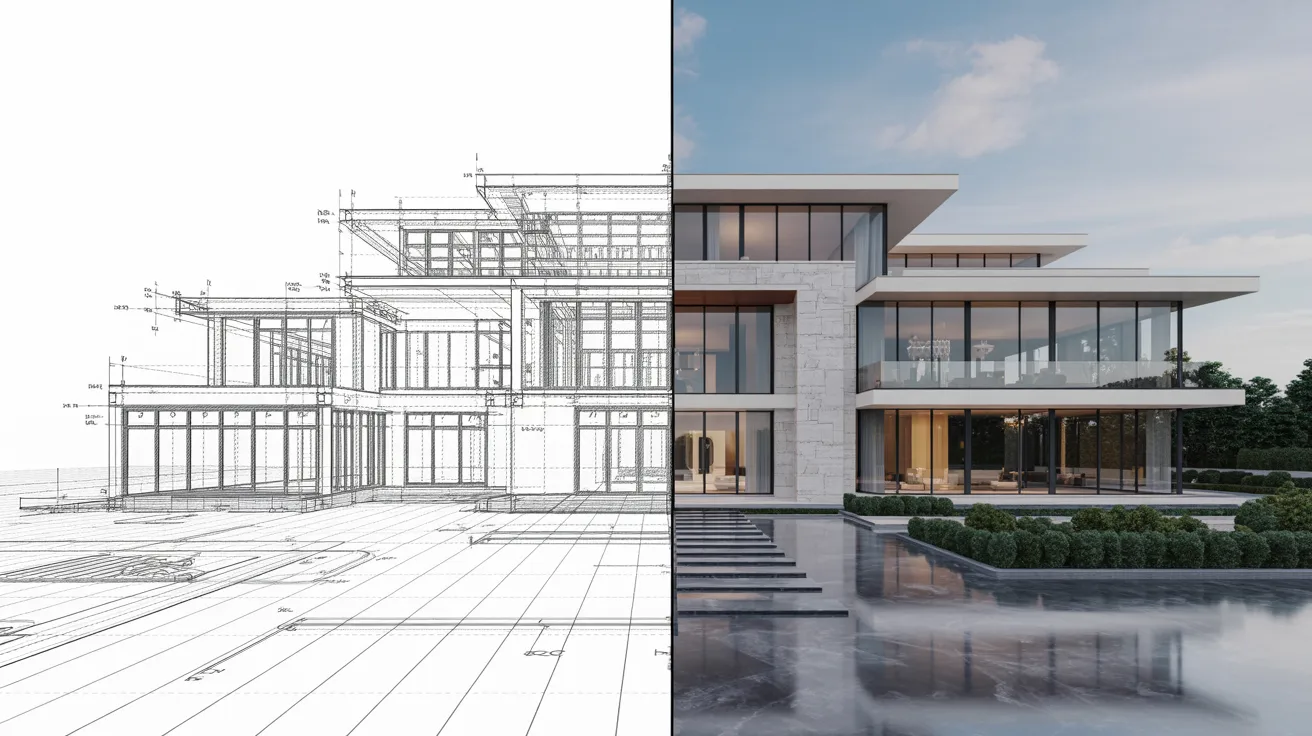
The right choice depends on your priorities, timeline, and total budget.
Advantages of Building a Custom Luxury Home
Building gives you full control. You choose every detail, from layout to light switches. Nothing is a compromise. You also get brand-new systems with warranties and modern energy efficiency.
Cost Comparison Between Buying and Building
Buying an existing luxury home is usually cheaper upfront. Building from scratch typically costs 10% to 30% more than buying a comparable existing home. But resale homes often need updates and renovations that eat into those savings.
Long-Term Value of Custom Luxury Homes
Custom homes in desirable areas tend to hold their value well. They’re also built to your exact lifestyle, which adds personal value that’s hard to put a price on.
Tips to Budget the Cost of Building a Luxury Home
Smart planning now saves thousands of dollars later in your luxury home build.
- Start with a fixed total budget and work backward to cover land, construction, design, permits, and landscaping.
- Always include a contingency fund, set aside 10% to 20% of your construction budget for surprises.
- List your must-have features and nice-to-haves separately so you know where to cut if costs rise.
- Never skip the non-negotiables, trim the extras first, not the features that matter most.
- Hire builders with real luxury home experience, check references, review past work, and verify licenses.
- Expect cost overruns, supply delays, design changes, and site issues are common in custom builds.
- Plan early and revisit your budget often, small decisions add up fast in luxury construction.
Conclusion
Understanding the cost to build a luxury home is the first step to making it real. Every decision, from land to landscaping, shapes your final number. I’ve seen budgets stretch and timelines shift, but good planning always makes the biggest difference.
Start with a clear budget, hire experienced professionals, and always keep a reserve for the unexpected. Trust the process and stay involved at every stage.
If this guide helped you, drop a comment below or share it with someone planning their dream build. You’re already ahead of most people just by doing your research first.
Frequently Asked Questions
What is the minimum budget to build a luxury home?
Most luxury home builds start at around $500,000. However, a truly high-end custom home with premium finishes often starts at $1 million or more depending on location.
How long does it take to build a luxury home?
Custom luxury homes typically take 18 to 36 months to complete. Complex designs, custom materials, and permitting delays can extend the timeline further.
Can I build a luxury home on a tight budget?
Yes, but trade-offs are necessary. Focus on structure and layout quality first. You can upgrade finishes over time rather than trying to do everything at once.
Do luxury homes cost more to maintain?
Yes. Larger homes with high-end systems cost more to maintain annually. Budget roughly 1% to 2% of the home’s value each year for upkeep and repairs.
Is hiring an interior designer necessary for a luxury build?
It’s not required, but it’s highly recommended. A good interior designer helps you avoid costly mistakes and creates a cohesive look that adds real resale value.