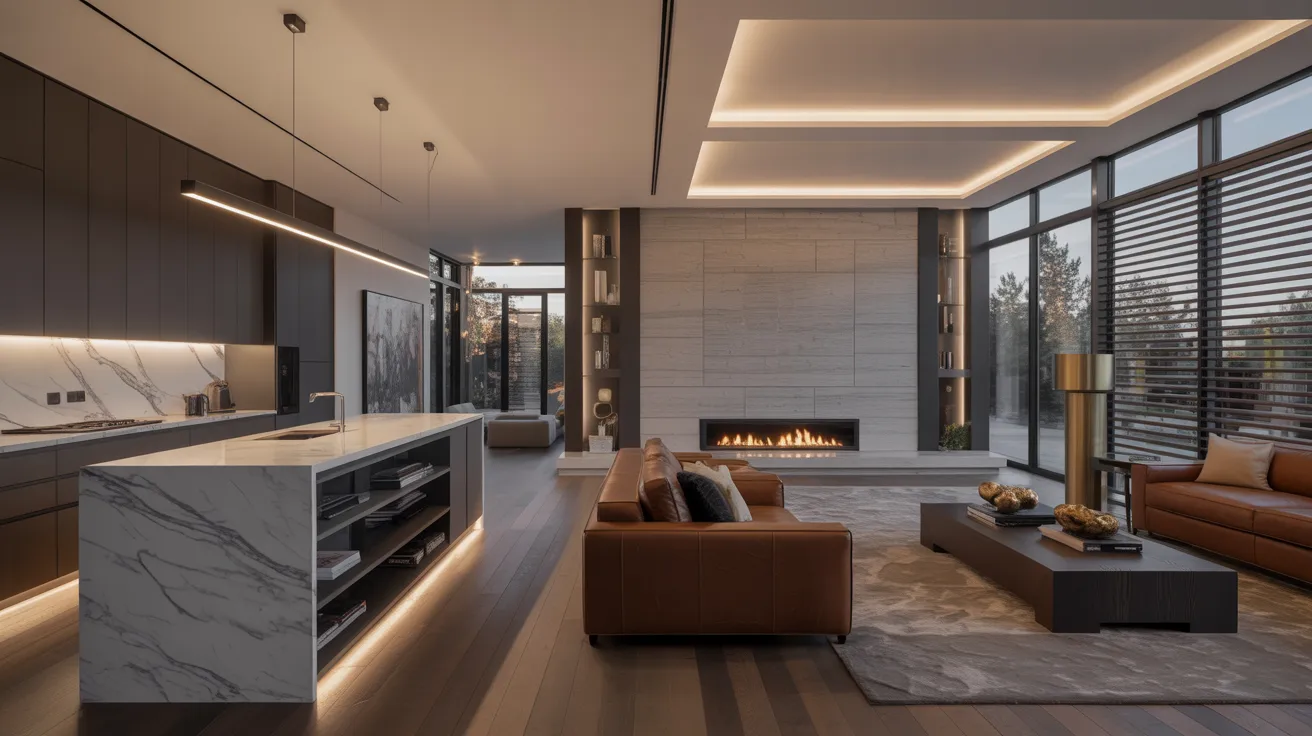
Luxury home features do more than look good. They change how you live every day.
I’ve spent time researching what actually works in high-end homes, and I want to share what I found with you.
In this blog, I’ll cover what defines luxury home features today, 13 features worth adding to your home, and how to choose the right ones for your lifestyle.
Many homeowners overspend on upgrades that don’t add real value. This guide helps you avoid that. The information here comes from real design practices and upscale home trends you can trust.
By the end, you’ll know exactly what’s worth it.
What Defines Luxury Home Features Today?
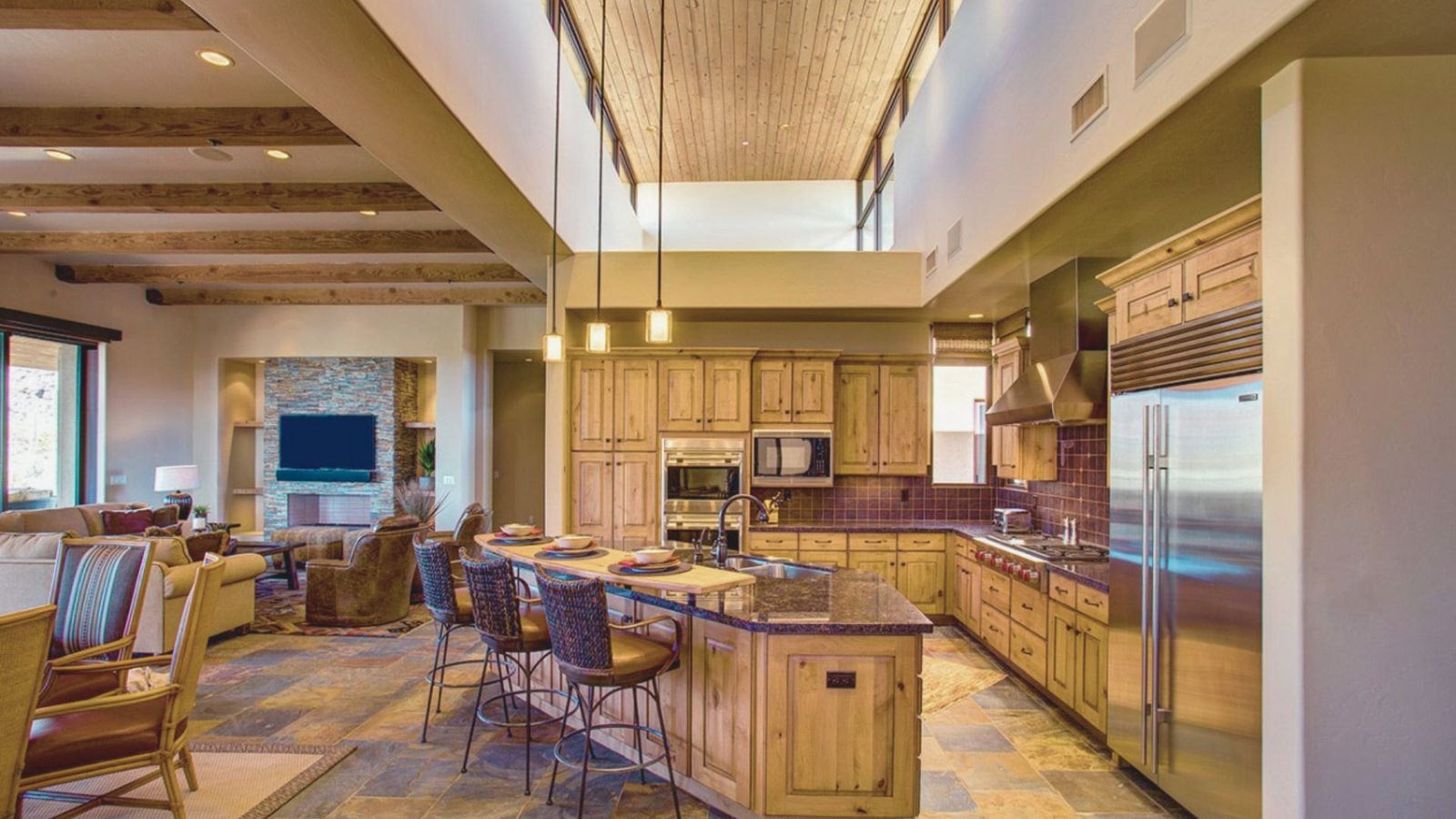
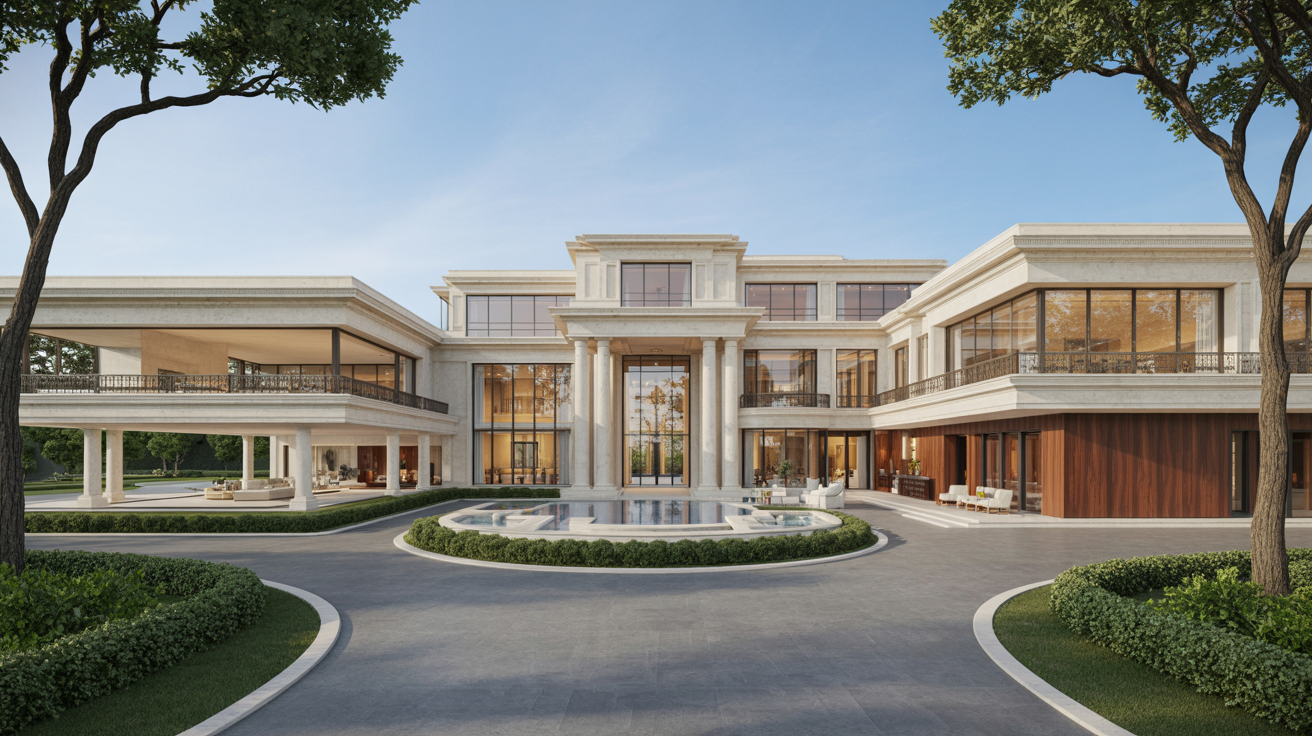
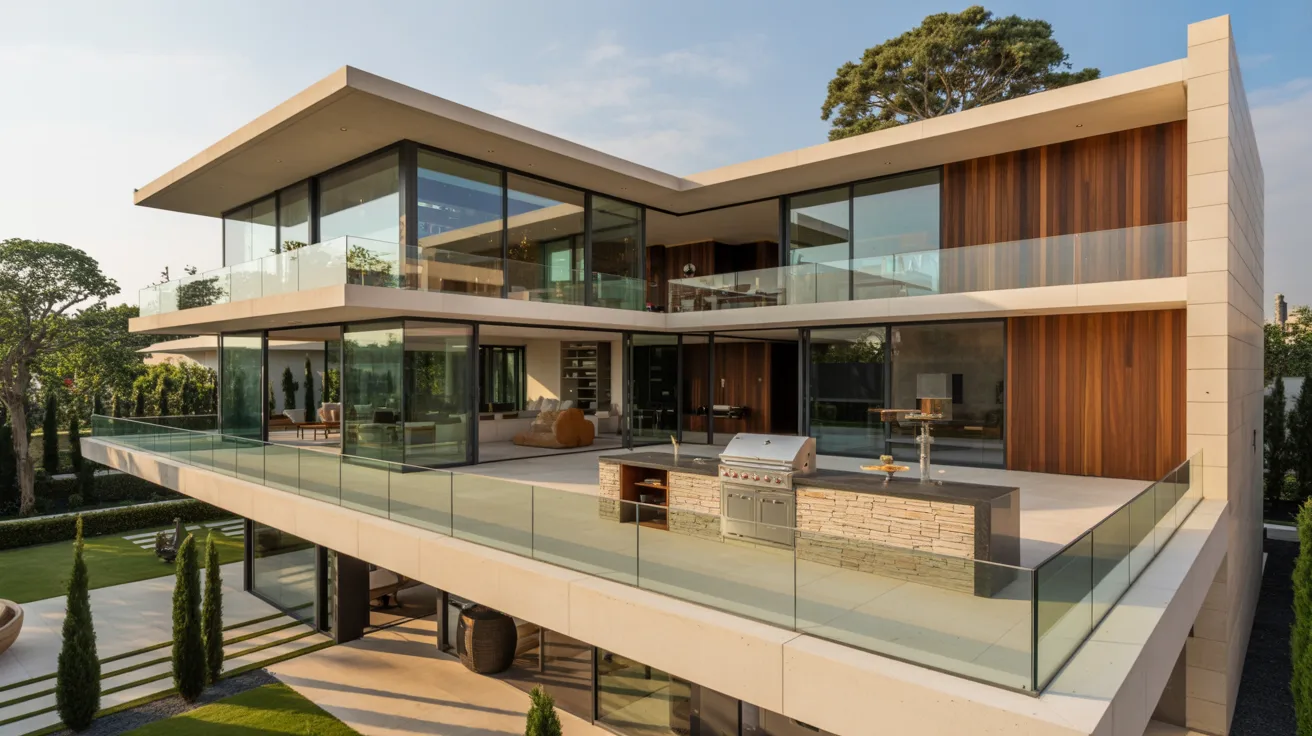
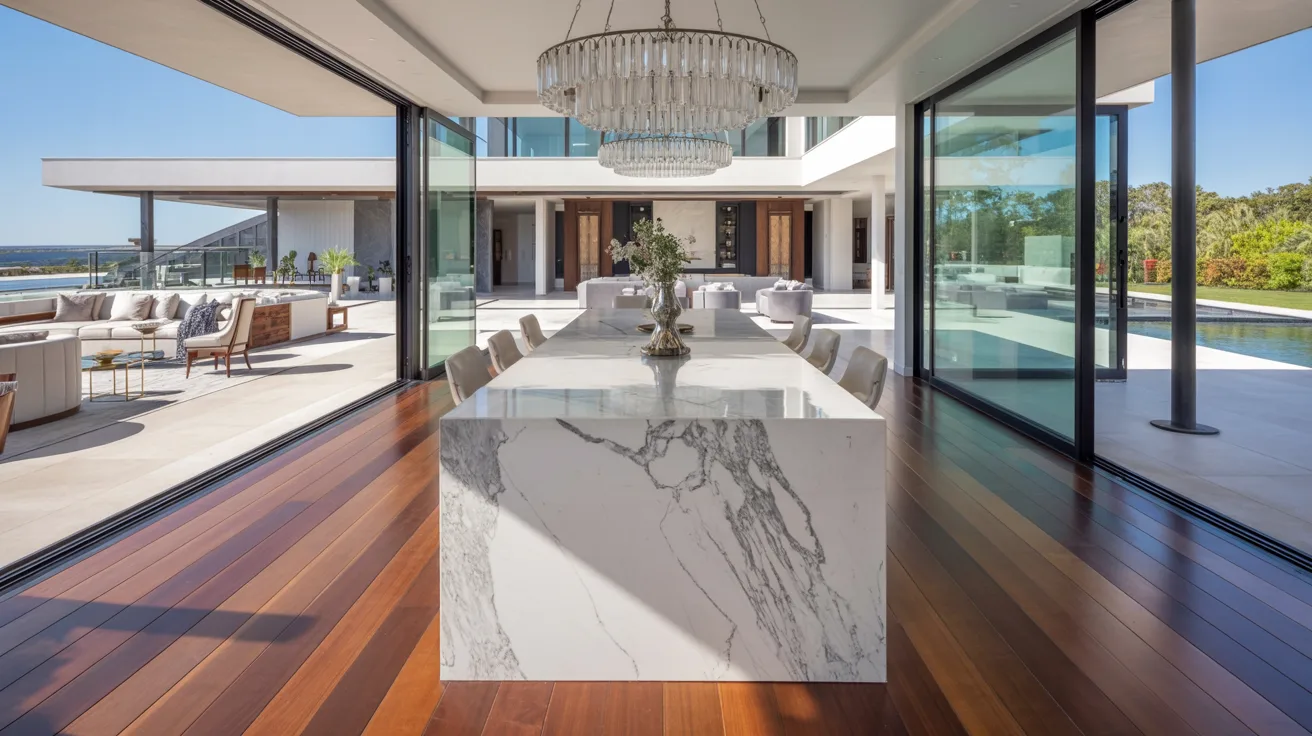
Luxury homes today focus on space, privacy, and high-quality finishes that create a comfortable living environment. Large layouts, premium materials, and thoughtful design make everyday living feel more refined and functional.
They also include modern conveniences such as smart technology, wellness areas, and dedicated entertainment spaces. Features like automated lighting, home theaters, gyms, and spa-style bathrooms are now common in high-end homes.
Another defining element is sustainability. Many modern luxury properties include energy-efficient systems, eco-friendly materials, and smart automation that allow homeowners to manage lighting, temperature, and security with ease.
Luxury Home Features Ideas
Modern luxury homes often include comfort-focused spaces, advanced technology, and lifestyle amenities designed to support convenience, privacy, and entertainment.
1. Residential Elevators
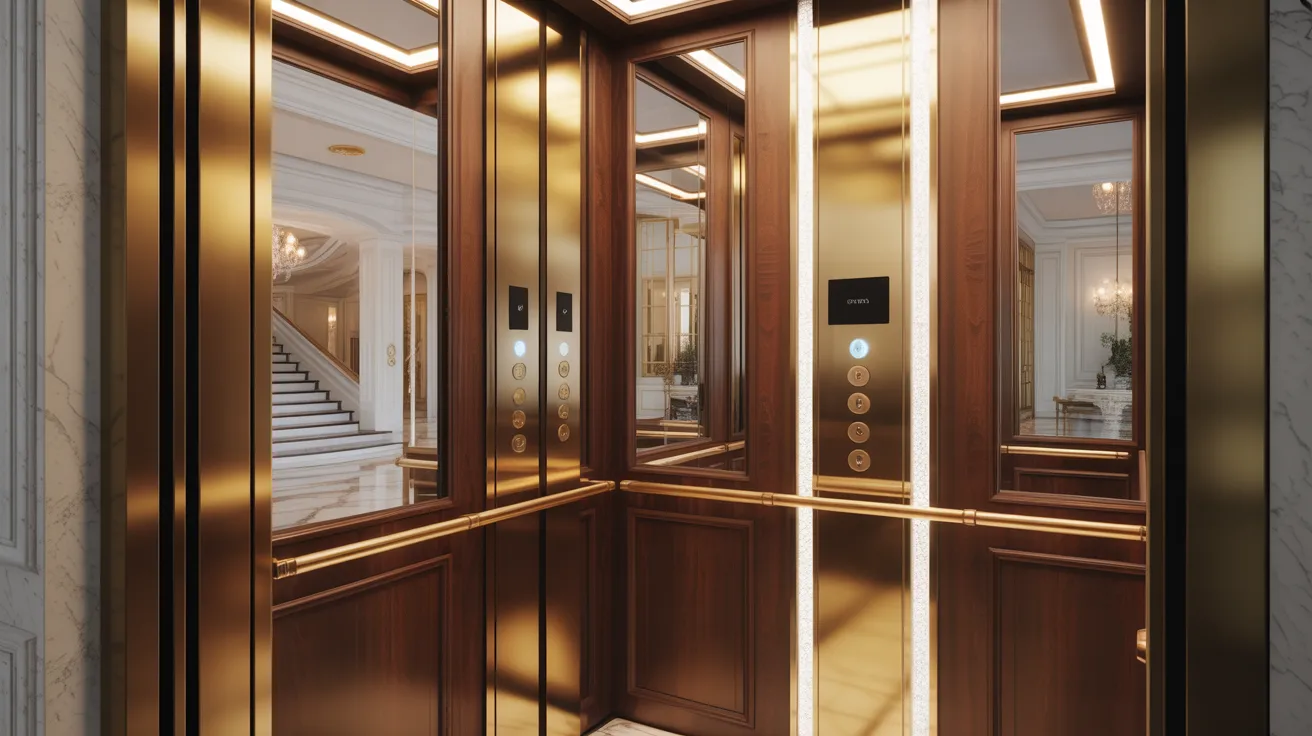
Residential elevators add convenience in large multi-story homes. They make it easier to move between floors, especially when carrying groceries, luggage, or furniture. Many homeowners also include them to improve accessibility for aging family members or guests.
Modern home elevators are designed to blend with interior spaces. Glass panels, wood finishes, and sleek metal details allow the elevator to match the overall style of the home. Some models even include quiet motors and soft lighting.
To incorporate one, homeowners usually place the elevator near staircases or central hallways. Planning during the early construction stage helps ensure proper shaft space, electrical setup, and smooth floor access.
2. Custom Walk-In Closets and Dressing Rooms
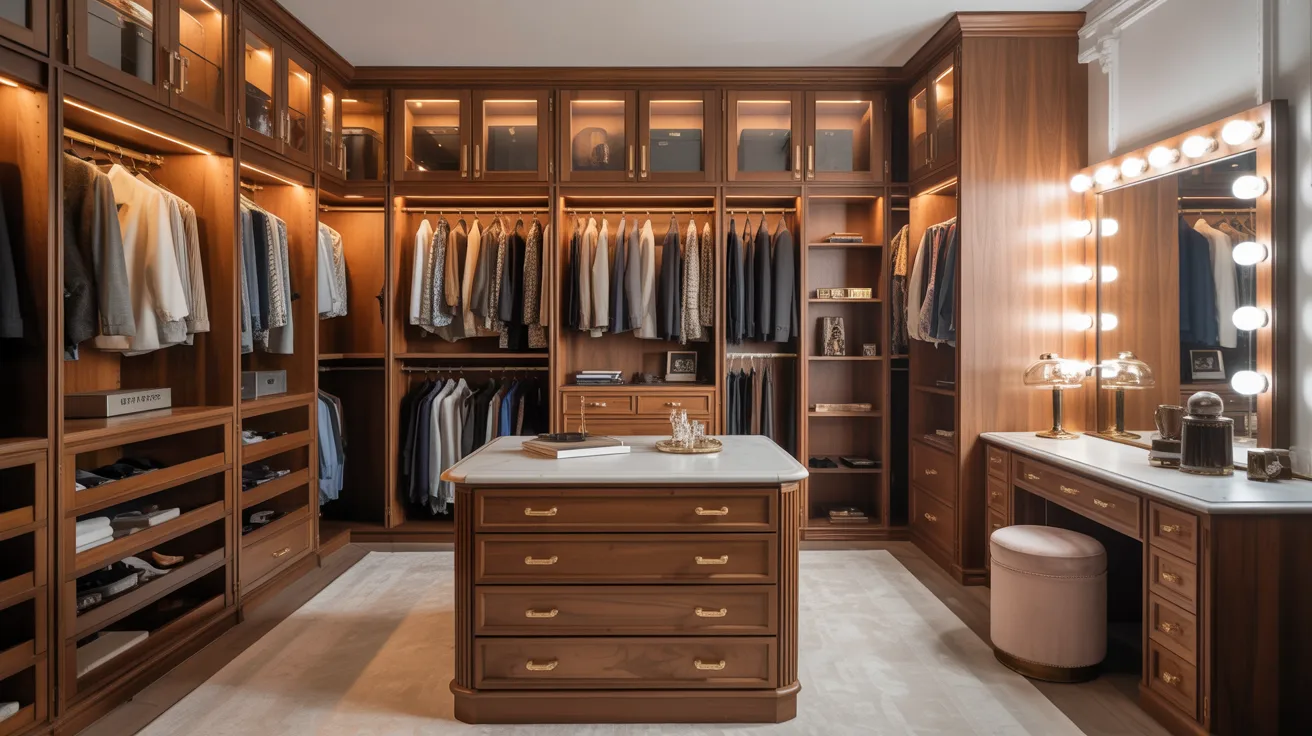
Luxury homes often include large walk-in closets designed like boutique dressing areas. These closets feature built-in shelves, hanging racks, and drawers that keep clothing, shoes, and accessories organized and easy to find.
Lighting plays a major role in these spaces. Display lighting highlights handbags, shoes, or jewelry, while mirrors and seating areas create a comfortable place to get ready each day.
Homeowners usually place dressing rooms next to the primary bedroom or bathroom. Custom cabinetry and adjustable storage systems help maximize space while keeping the layout organized.
3. Private Home Office
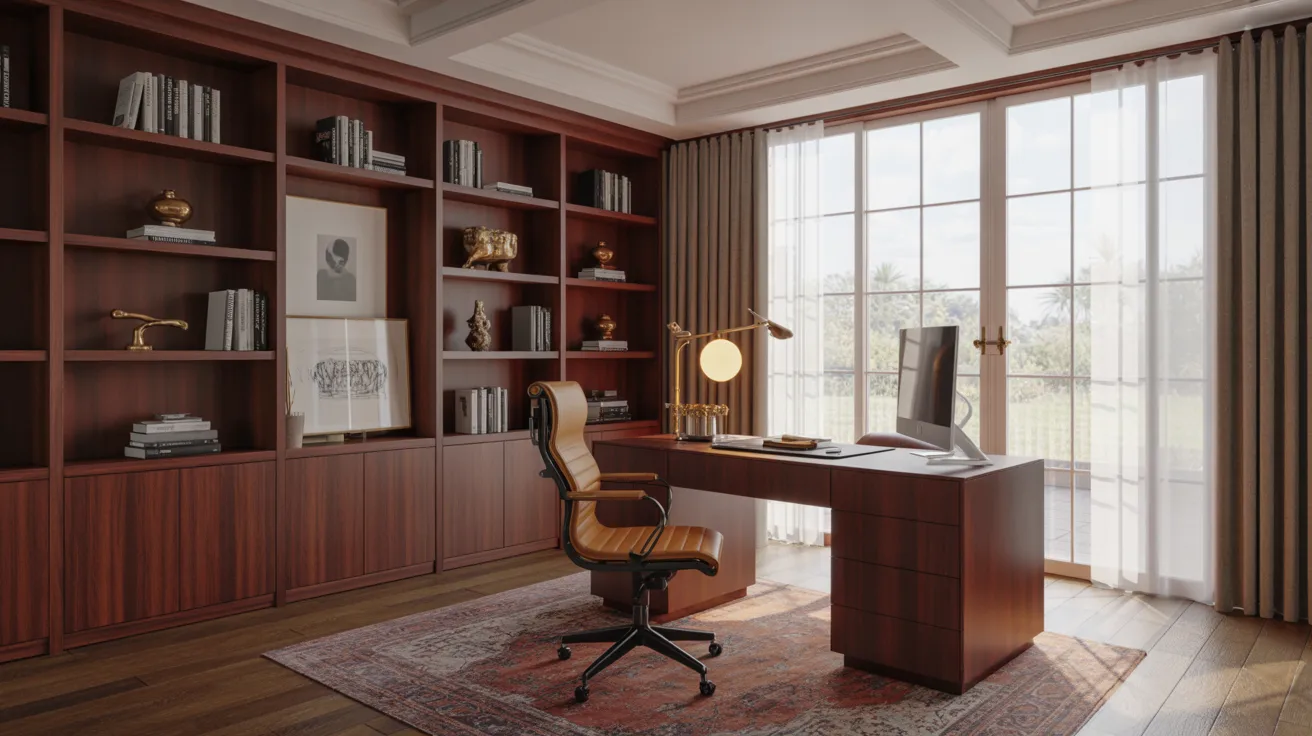
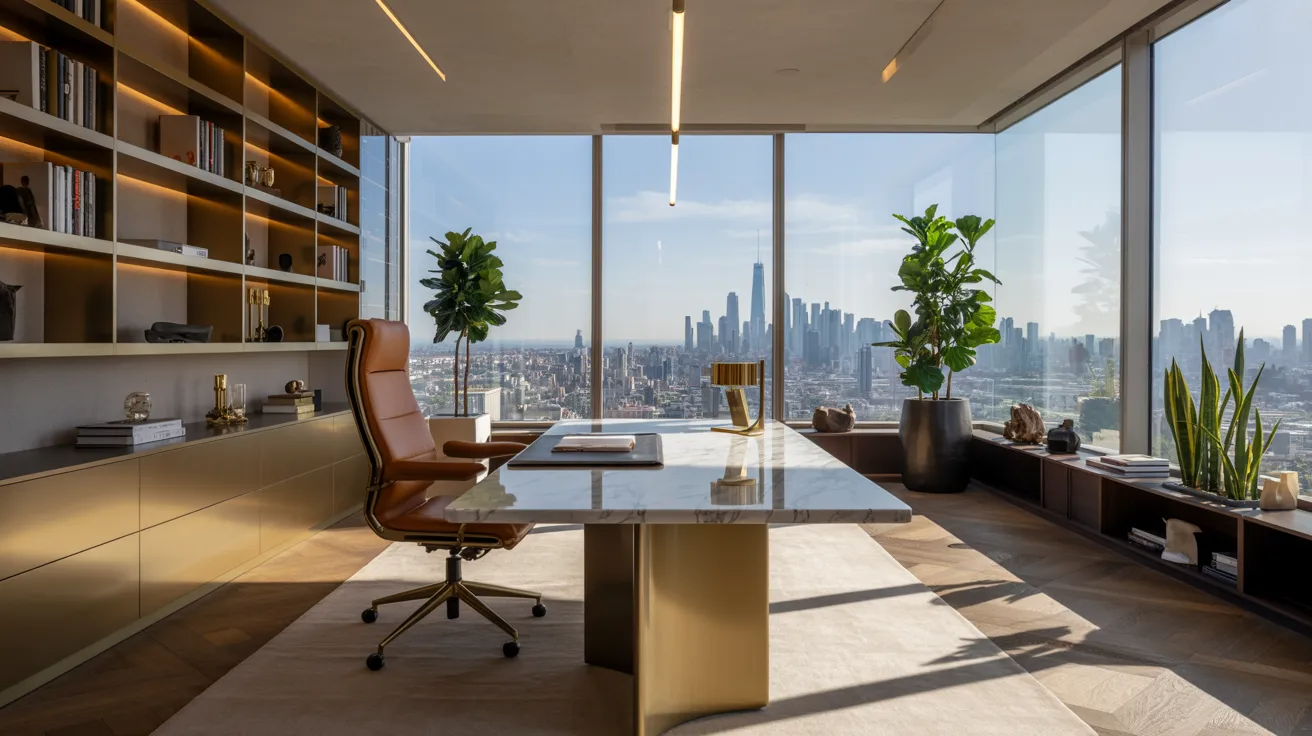
A private home office supports focused work in a quiet environment. Many luxury homes include dedicated workspaces with large desks, comfortable seating, and organized shelving for books and documents.
Soundproofing and reliable internet connections help maintain productivity during video calls or meetings. Natural light and large windows can also make the workspace more comfortable during long work hours.
To add one, homeowners typically convert a spare room or plan an office near the main living area. Built-in cabinets and cable management systems help keep the room neat and functional.
4. Wine Cellar and Tasting Room
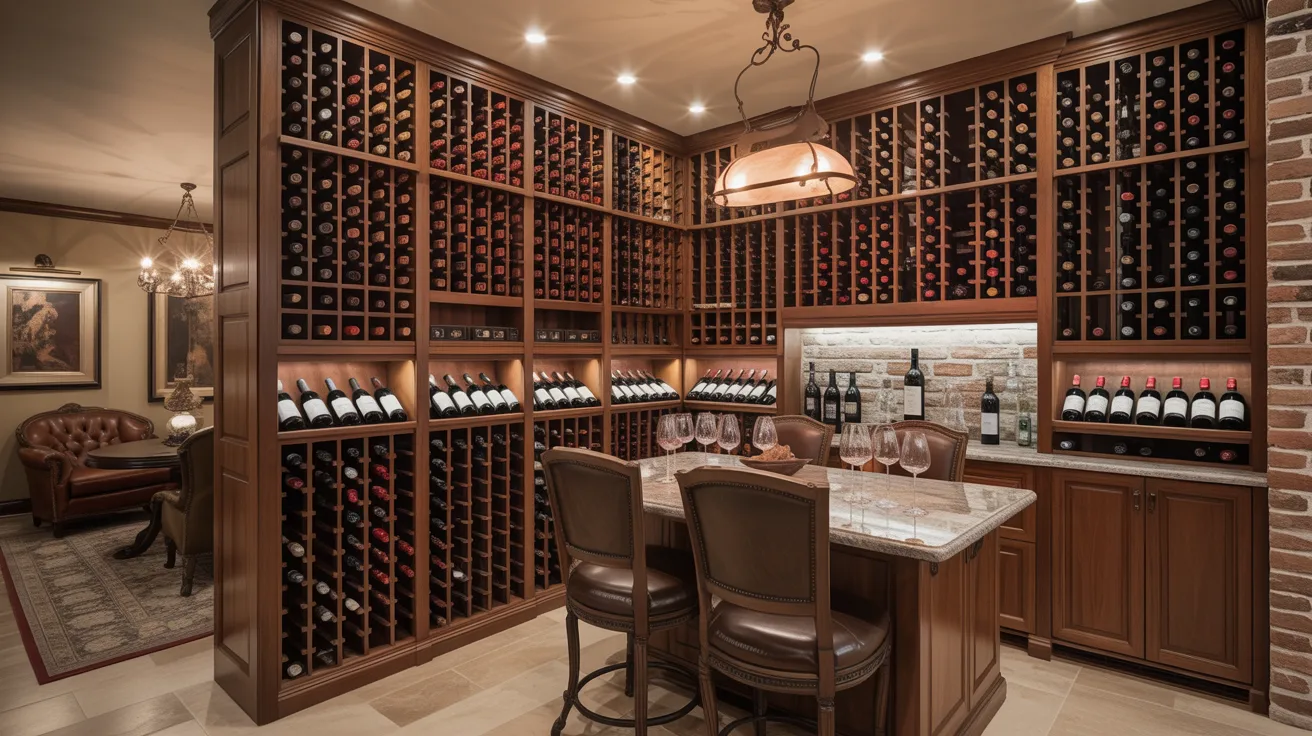
Wine cellars allow homeowners to store wine in controlled conditions. Temperature and humidity systems protect bottles so they age properly and maintain flavor.
Many luxury homes include a small tasting area next to the storage racks. This space may feature a table, bar seating, or soft lighting where guests can sample wines comfortably.
To incorporate one, builders often place the cellar in a basement or interior room away from sunlight. Insulated walls and climate control equipment help maintain stable storage conditions.
5. Private Home Theater
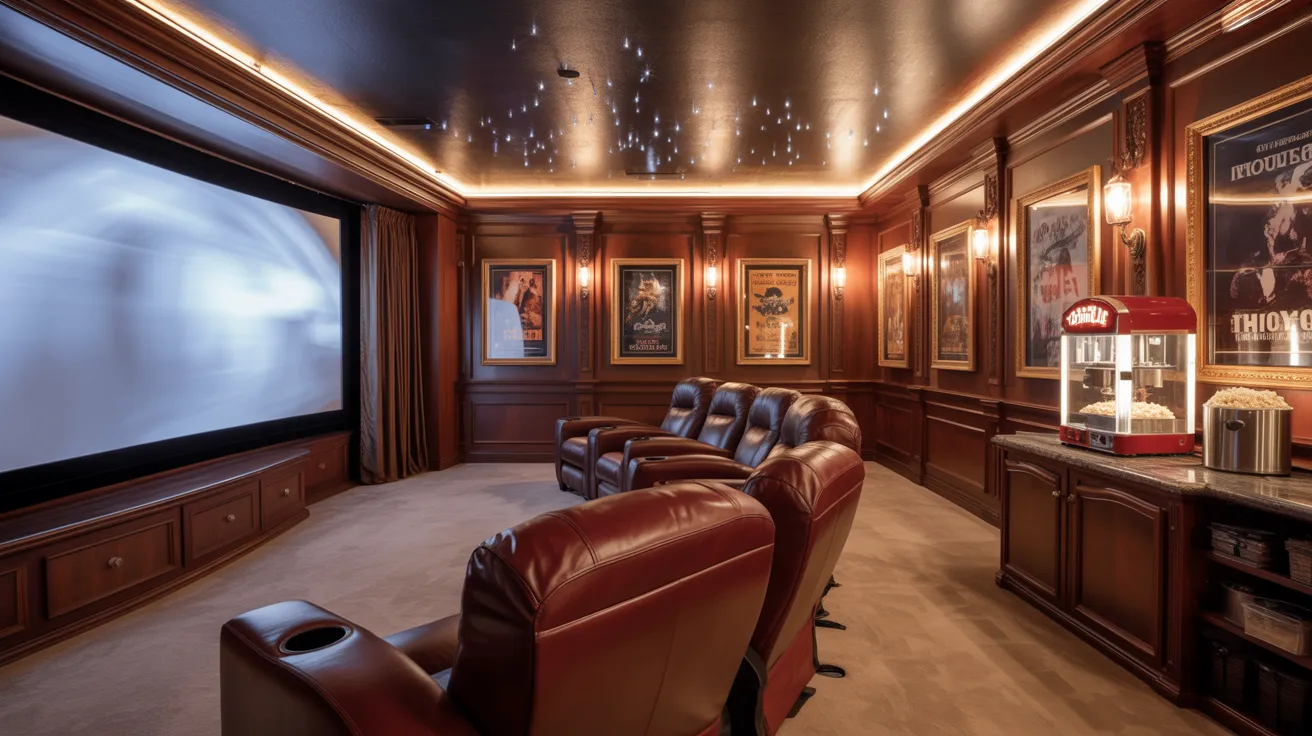
A private home theater brings the cinema experience into the home. Large screens, surround sound systems, and comfortable seating make movie nights more enjoyable.
Lighting and acoustics are carefully planned in these rooms. Dark walls, sound panels, and blackout curtains help improve viewing quality while reducing outside noise.
Homeowners usually place theater rooms in basements or quiet sections of the house. Tiered seating and hidden speakers can make the space feel similar to a commercial theater.
6. Infinity or Resort-Style Pool
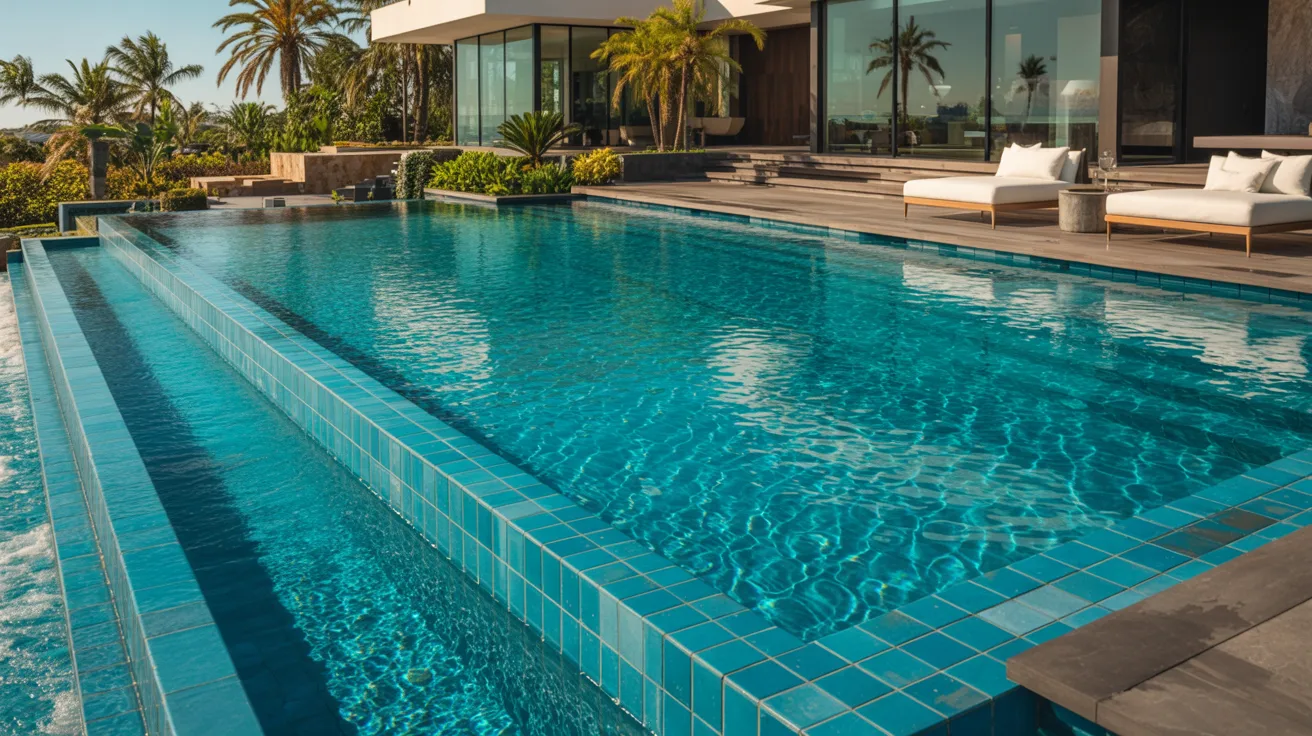
Infinity pools and resort-style pools create a relaxing outdoor space for homeowners and guests. These pools often feature sleek edges, integrated spas, or lounge areas for social gatherings.
Many designs include waterfalls, underwater lighting, and heating systems. These additions allow the pool to remain comfortable and visually appealing throughout the year.
To include one, homeowners usually design the pool alongside patios or outdoor kitchens. Careful placement helps connect the pool area with the surrounding landscape and seating areas.
7. Dedicated Laundry Room
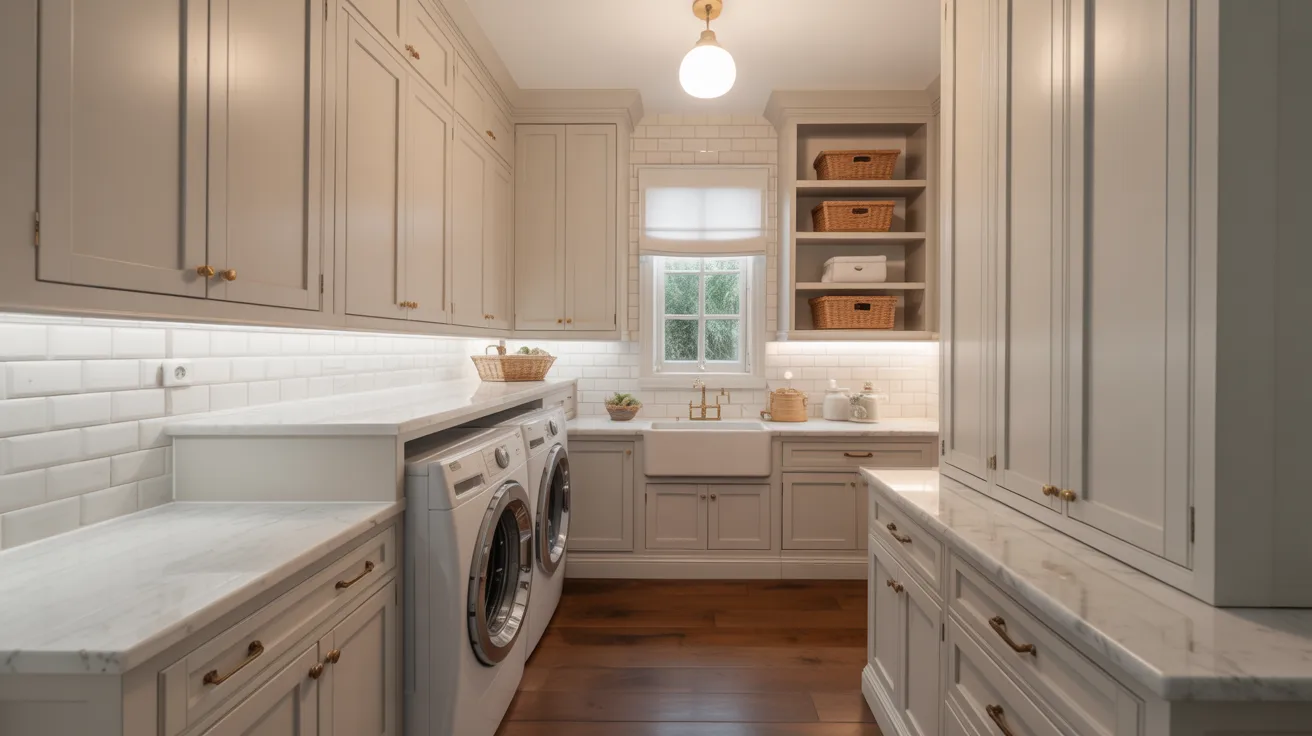
Luxury homes often include spacious laundry rooms designed for convenience. These rooms typically feature large washers and dryers, storage cabinets, and folding counters.
Additional features such as sink stations and hanging rods make it easier to sort clothes and manage household tasks. Proper lighting and ventilation also help keep the space practical.
Laundry rooms are usually placed near bedrooms or mudrooms. This placement reduces the need to carry laundry across the entire house.
8. Statement Fireplaces
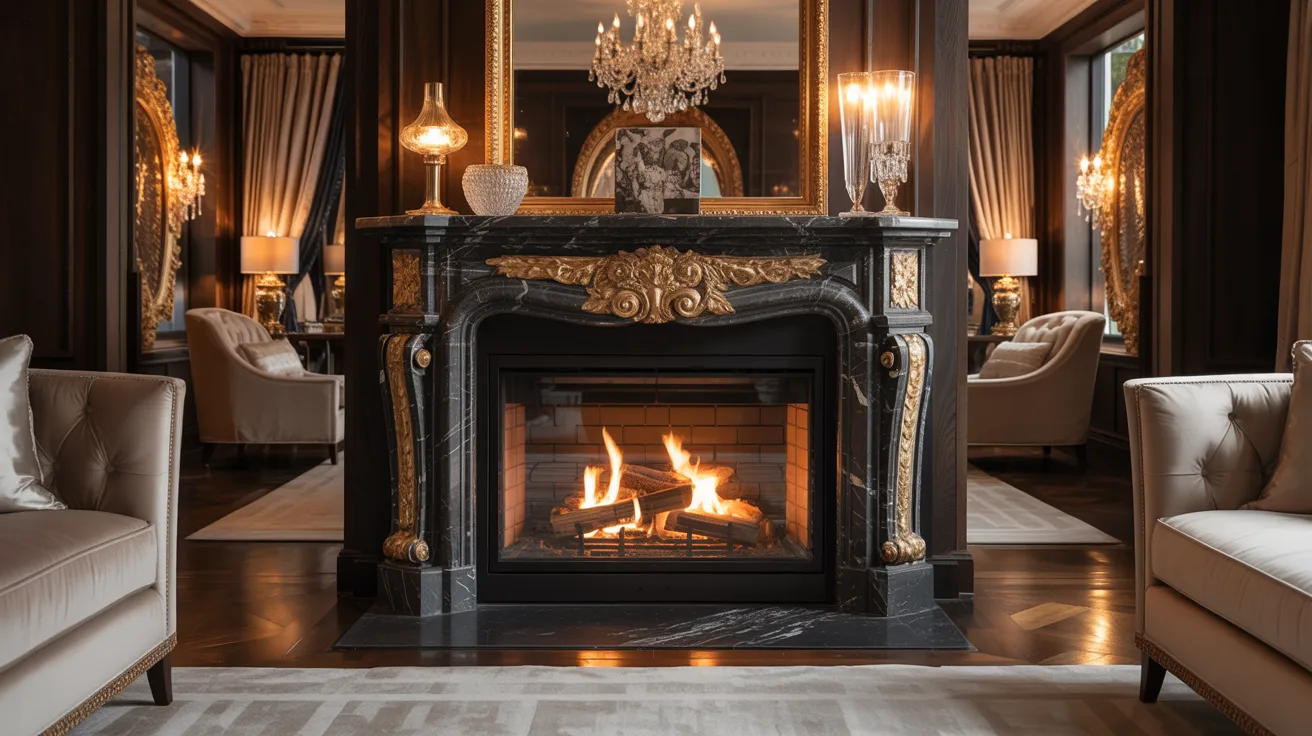
Fireplaces serve as focal points in many luxury homes. Whether modern or traditional, they add warmth and comfort to living rooms, bedrooms, and outdoor seating areas.
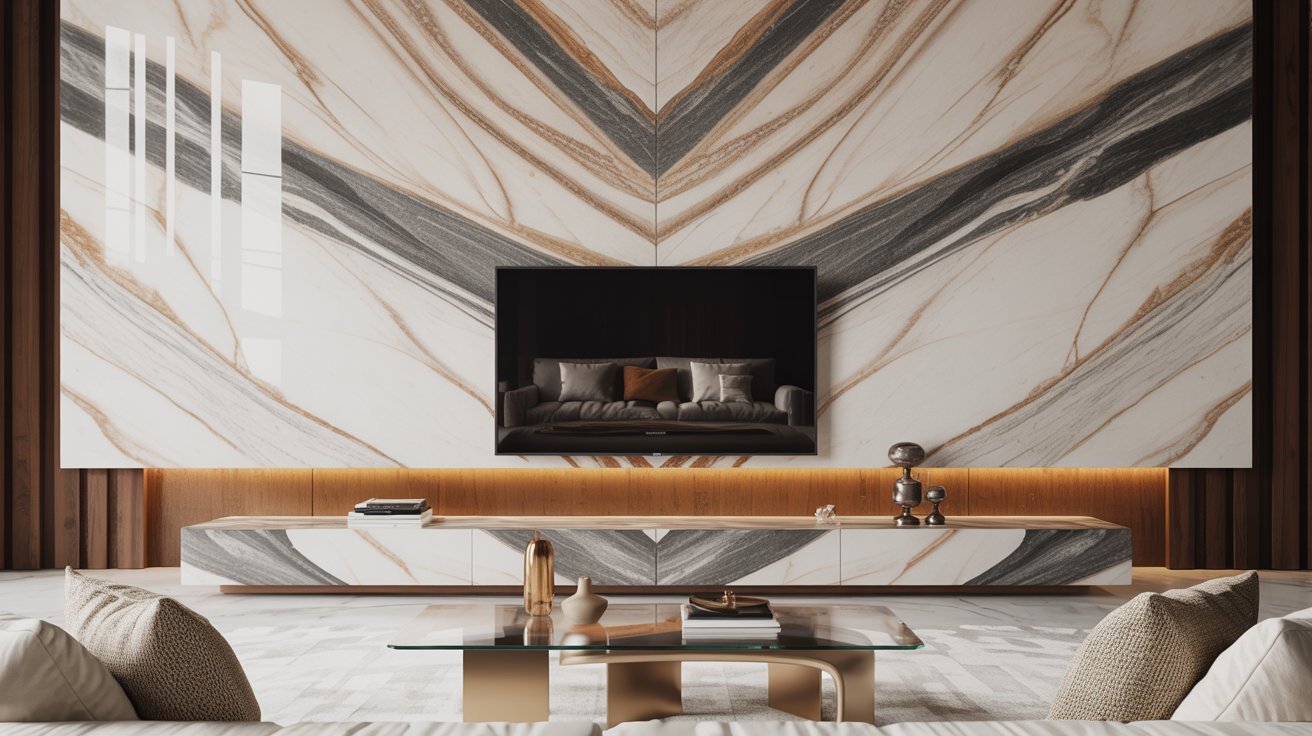
Materials such as stone, marble, or custom tile help fireplaces stand out visually. Some designs include floor-to-ceiling surrounds or floating mantels that draw attention.
Homeowners often position fireplaces in central living areas. Careful placement ensures the fireplace becomes a natural gathering spot during cooler seasons.
9. Guest House or In-Law Suite
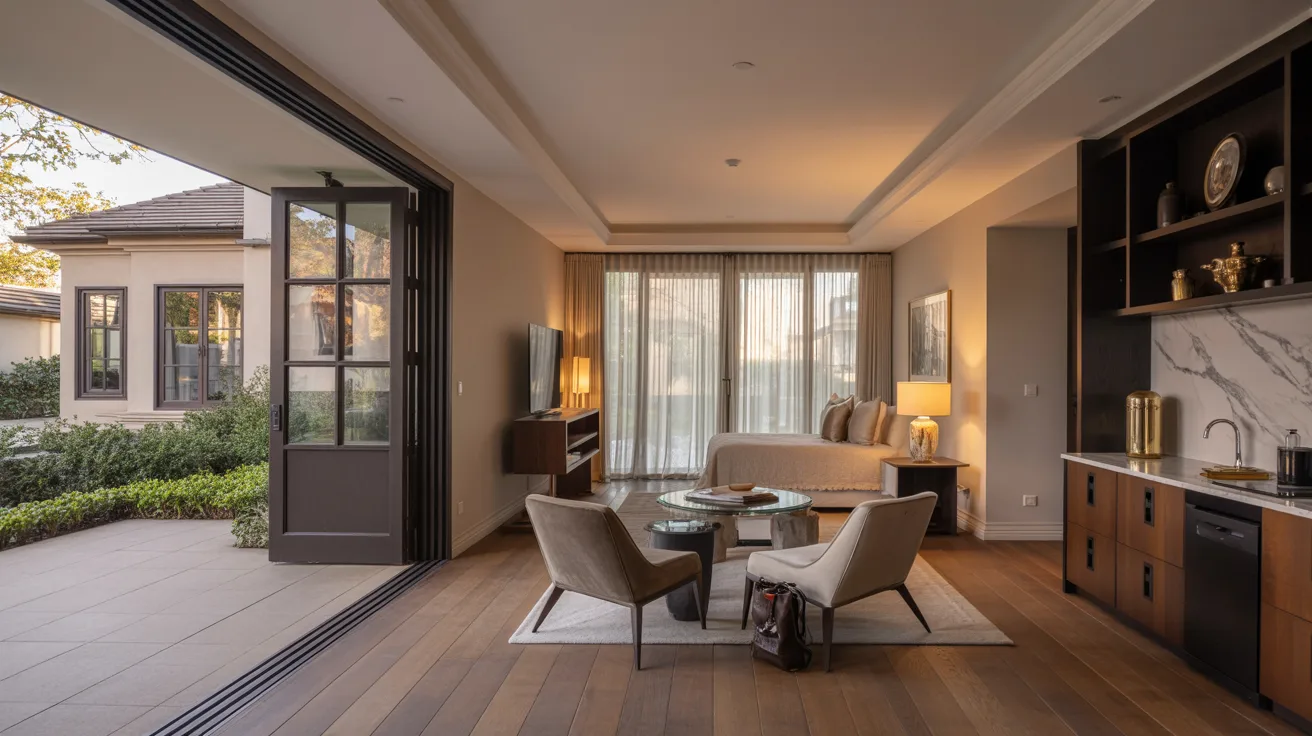
Guest houses and in-law suites provide separate living space for visitors or extended family members. These areas typically include a bedroom, bathroom, and sometimes a small kitchenette.
Having a separate space gives guests privacy while still keeping them close to the main home. It also makes longer stays more comfortable.
To incorporate one, homeowners may build a detached guest house or design a private suite with its own entrance. This layout allows flexibility for family visits or hosting friends.
10. Private Garage with Car Lift or Showroom
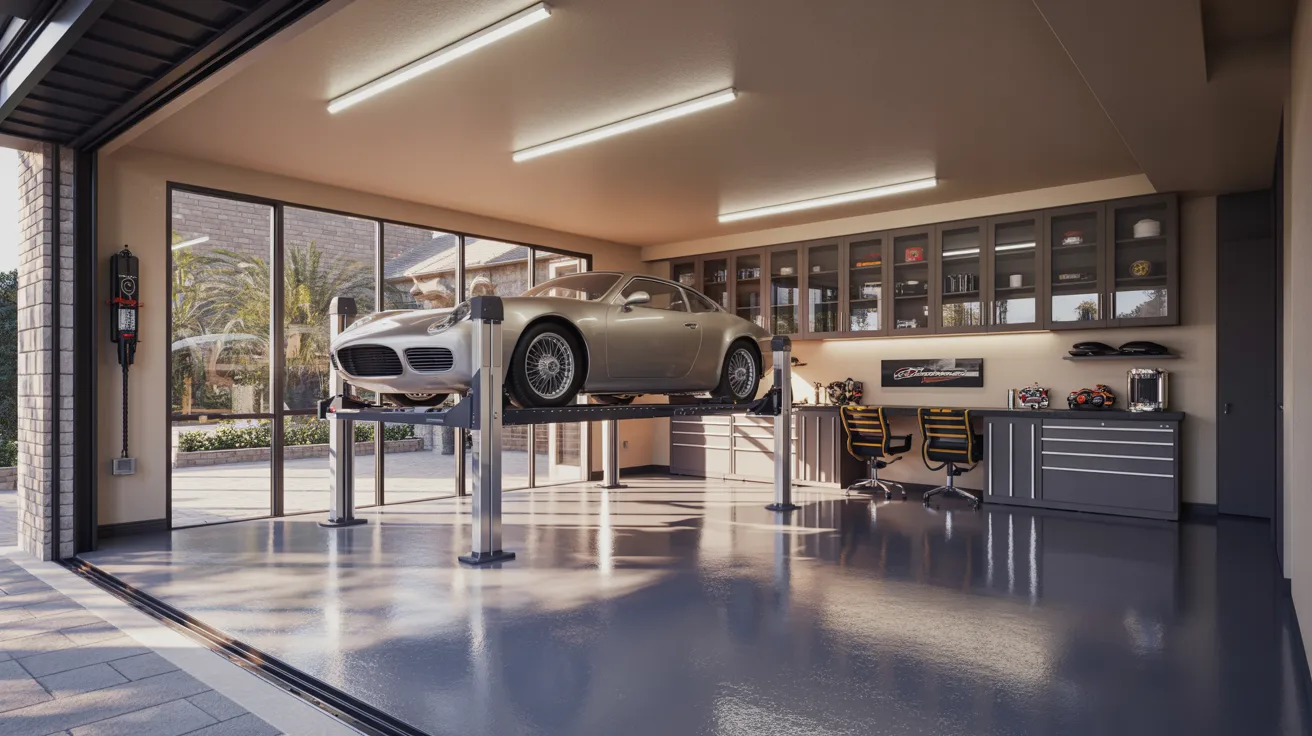
Luxury garages often go beyond simple parking. Some homeowners design garages with car lifts to store multiple vehicles while saving space.
Showroom-style garages may include polished floors, bright lighting, and display areas for car collections. Large glass doors or windows can also make the space feel more open.
To incorporate this feature, garages are designed with reinforced floors and higher ceilings. These structural adjustments allow the installation of lifts and display systems.
11. Rooftop Terrace or Sky Lounge
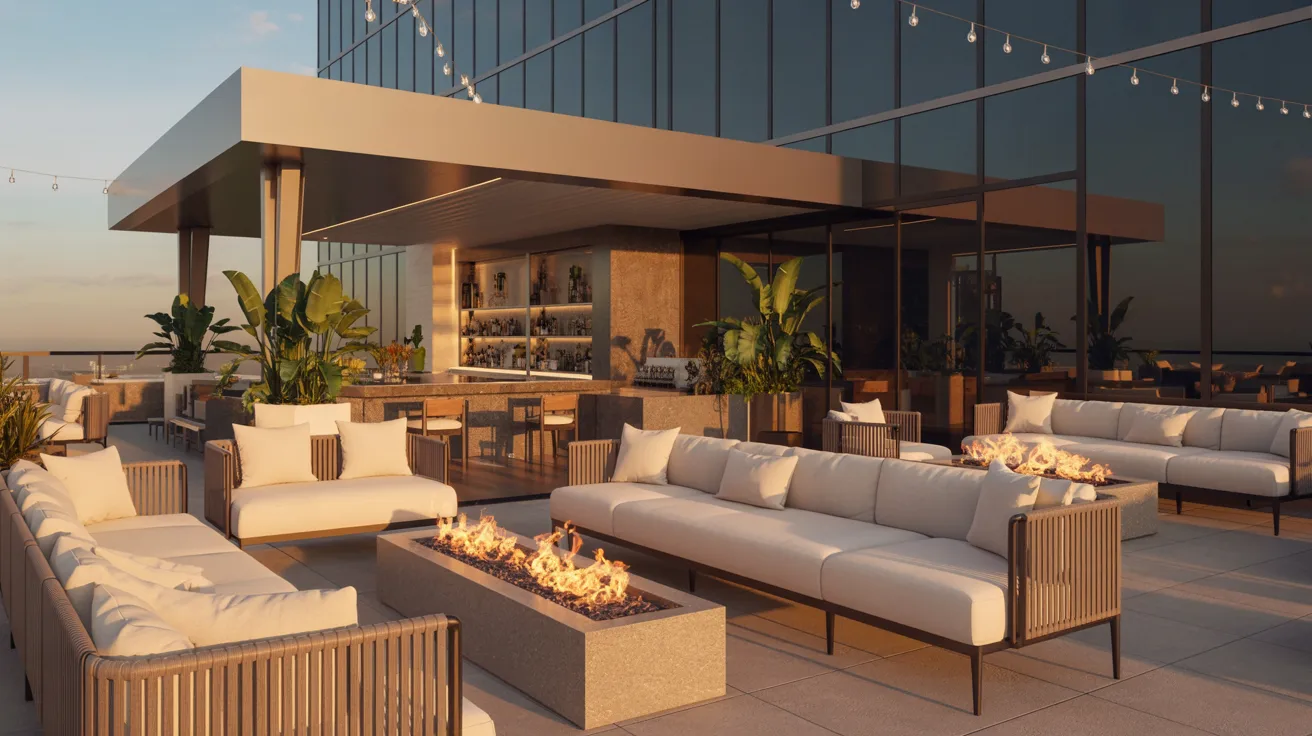
Rooftop terraces offer an outdoor area with uplift views of the surrounding landscape. These spaces often include seating areas, dining tables, and small gardens.
Many designs add fire pits, outdoor bars, or shade structures to make the terrace comfortable throughout the day. Lighting allows the area to remain usable in the evening.
To include one, builders reinforce the roof structure and add waterproof flooring. Safe railings and access staircases also ensure the space remains secure and functional.
12. Smart Garden and Automated Irrigation
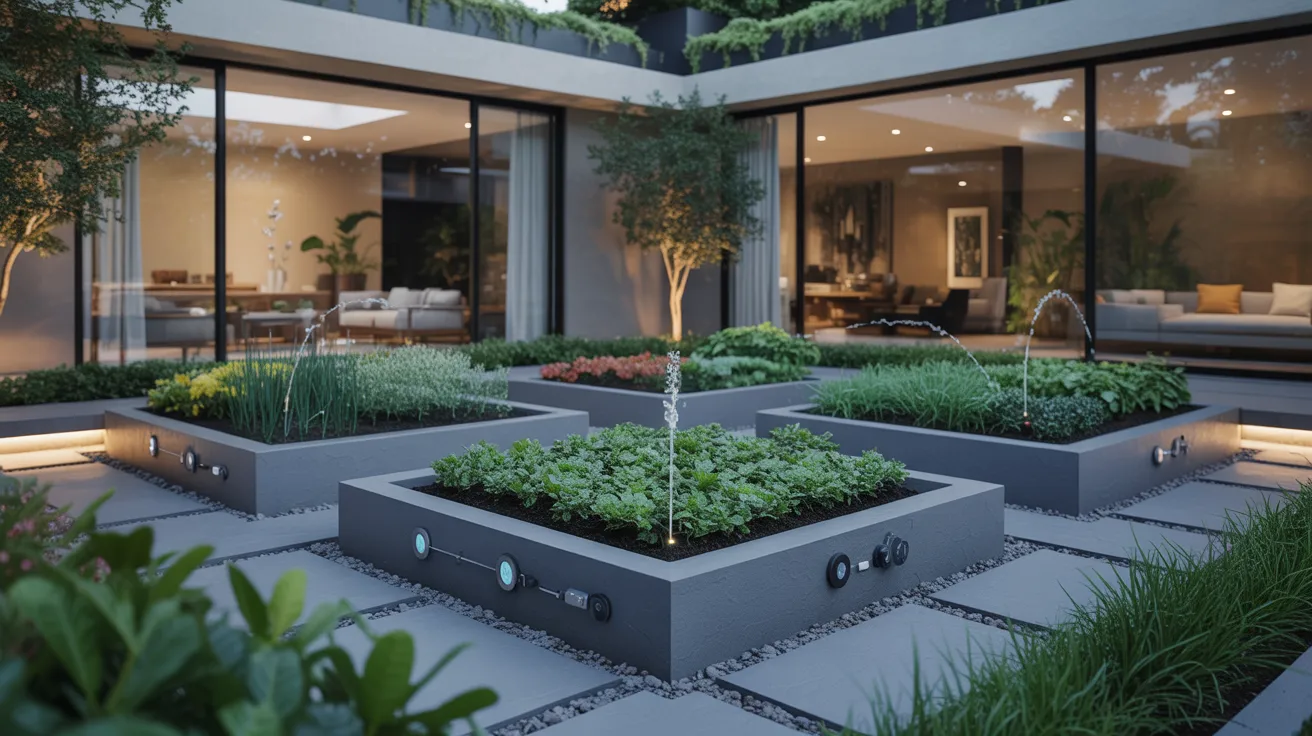
Smart garden systems help maintain landscaping with minimal manual work. Sensors monitor soil moisture, weather conditions, and watering schedules.
Automated irrigation systems adjust water levels depending on rainfall or temperature. This helps keep plants healthy while reducing water waste.
Homeowners usually connect these systems to mobile apps. This allows them to control watering schedules and monitor garden conditions remotely.
13. Dedicated Recreation Spaces
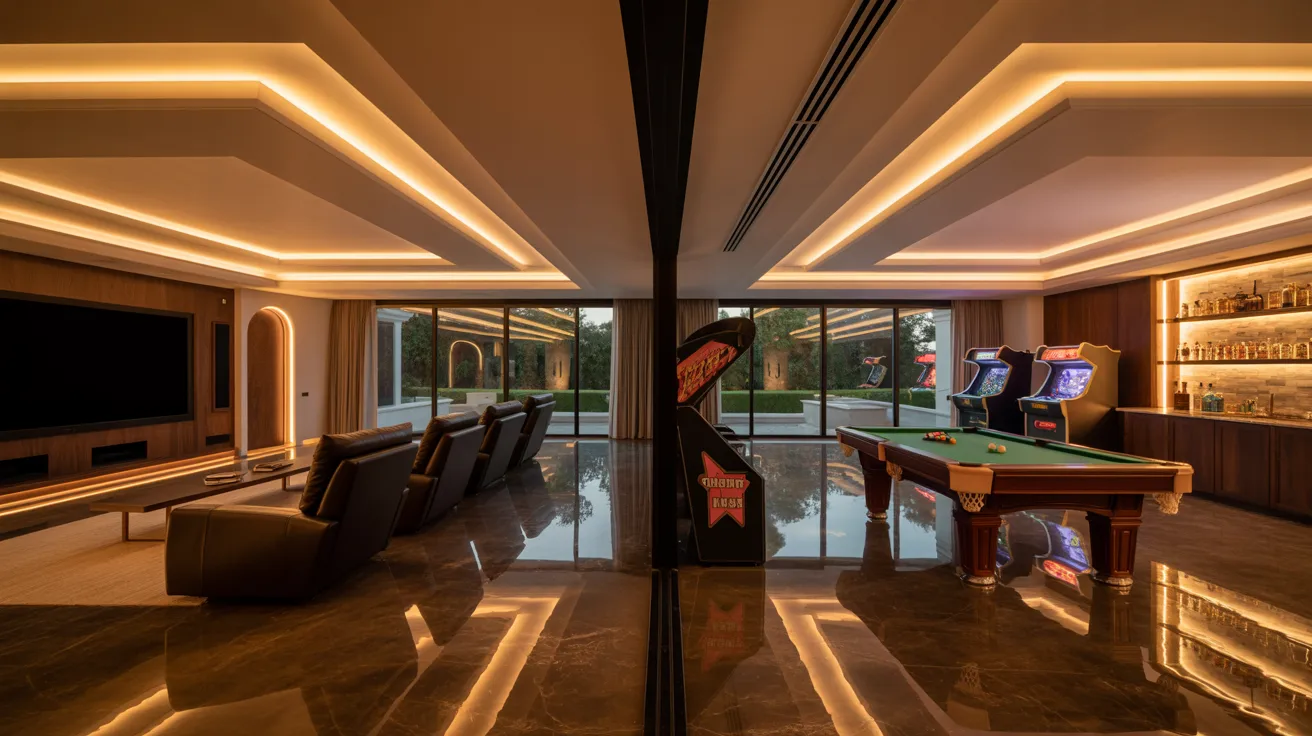
Luxury homes often include special entertainment areas for hobbies and leisure. These spaces may feature game rooms, indoor courts, golf simulators, or bowling lanes.
Recreation areas create places where families and guests can spend time together indoors. They also add variety to the home’s lifestyle spaces.
To incorporate one, homeowners typically convert basements or large spare rooms. Proper flooring, lighting, and equipment installation help support different activities.
Tips to Choose the Right Luxury Home Features
Selecting the right upgrades works best when they support your daily routine, fit your property size, and add long-term value.
Large estates may include entertainment spaces, while smaller homes benefit more from practical additions that improve daily comfort.
- Choose features you’ll use often, like a home office, organized closet, or outdoor seating area.
- Balance comfort with maintenance, since pools, gardens, and specialty rooms need regular upkeep and ongoing costs.
- Plan for future technology by adding smart wiring and upgrade-ready layouts from the start.
- Consider energy-efficient systems that reduce long-term costs and keep the home running smoothly.
- Match features to your household size so every space serves a real purpose in daily life.
Conclusion
Honestly, researching luxury home features made me rethink what comfort really means. It’s not about having everything. It’s about having the right things.
If I were planning my own home, I’d start with a private office and a great outdoor space. Simple, but life-changing.
Now it’s your turn. Look at your daily routine and ask what would make it easier. Start small, plan smart, and build from there.
Found this helpful? Drop a comment below or share it with someone planning their dream home.
Frequently Asked Questions
What are the most common luxury home features today?
Luxury home features improve comfort, privacy, and convenience. Common examples include smart automation, home theaters, closets, wellness areas, and outdoor living spaces designed for relaxation.
How do homeowners choose the right luxury features?
Consider your daily routines, household size, and maintenance capacity. Features that support regular activities, such as home offices, organized storage, and outdoor seating, offer value.
Why is smart technology common in luxury homes?
Smart technology allows homeowners to control lighting, temperature, and security systems through mobile apps or voice commands, making homes easier to manage and energy efficient.
Do luxury home features only work in very large houses?
Not always. Many smaller properties include practical luxury features like high-quality materials, smart lighting, efficient storage, and well-designed outdoor areas that improve comfort.
Are sustainable systems important in luxury homes?
Sustainable features reduce energy use and long-term costs. Solar panels, efficient insulation, smart irrigation, and energy-saving appliances help homes operate responsibly every day.